

Discovery+ documentary offers unprecedented access to a pivotal 88-hour military operation, revealing the strategic brilliance and human resolve behind India’s swift retaliation.
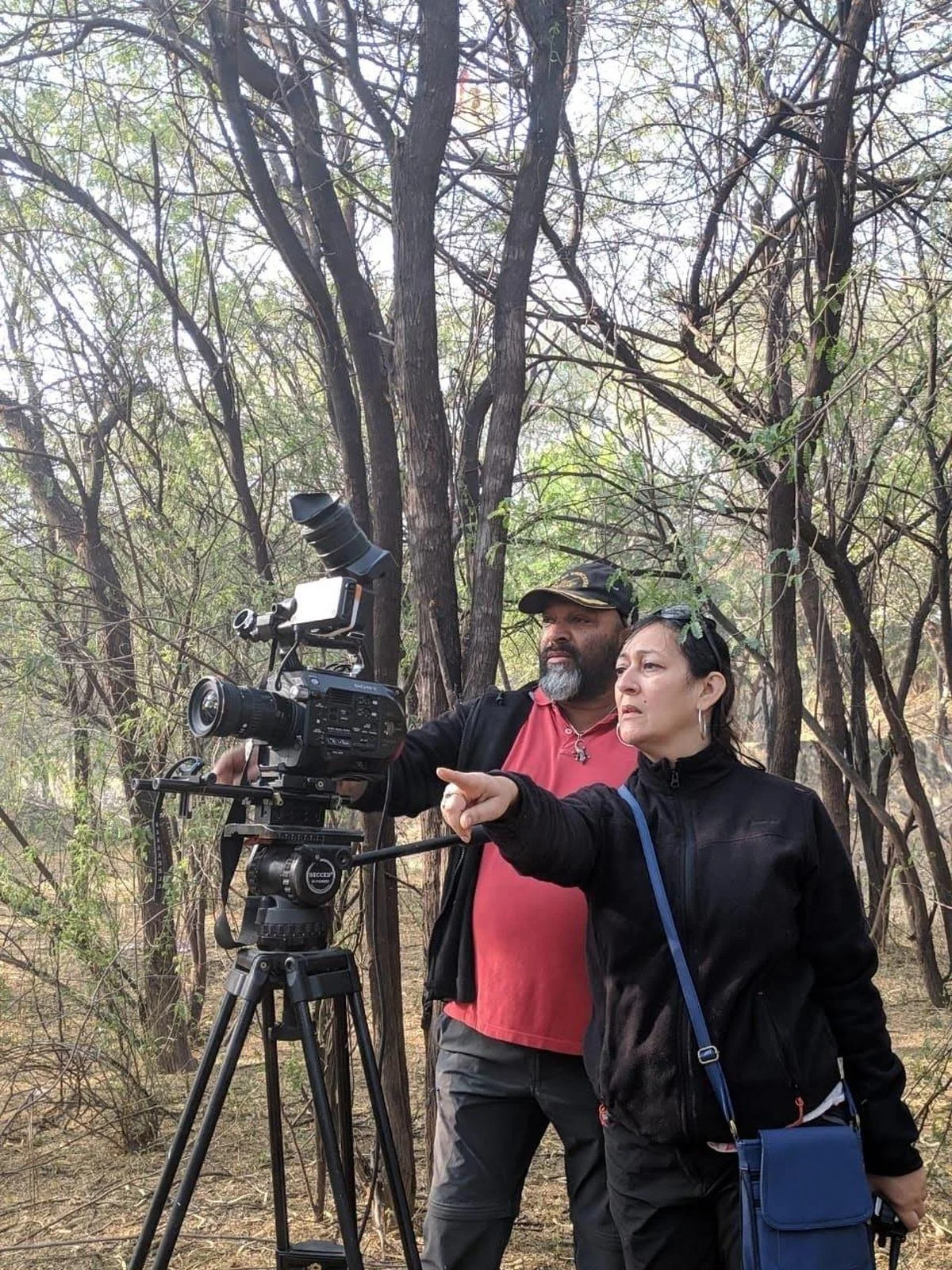
The response to the two-part documentary Declassified: Operation Sindoor, which premiered on Discovery+ on August 15, 2026, has been nothing short of "startling," according to its creators, filmmakers Prabhu Asgaonkar and Manika Berry Asgaonkar. While no strangers to crafting narratives around India’s armed forces, the overwhelming viewership of this 90-minute non-fiction exploration has exceeded their expectations. "So many people are watching a 90-minute documentary, which is not fiction, nor is it a typical entertainment spectacle," remarks Manika, highlighting the profound public interest in a deeply significant, yet complex, military undertaking.
Declassified: Operation Sindoor delves into the heart of India’s decisive 88-hour military operation, codenamed Operation Sindoor, launched on May 7, 2025. This audacious mission was a direct and forceful response to the horrific terrorist attack in Pahalgam, Kashmir, on April 22, 2025, which claimed the lives of innocent tourists. The documentary meticulously reconstructs the planning and execution of this critical operation, targeting terrorist camps situated in Pakistan and Pakistan-Occupied Kashmir, thereby sending an unequivocal message of deterrence to those who sponsor and harbor terror.
The Genesis of Operation Sindoor: A Nation’s Resolve
The catalyst for Operation Sindoor was the brutal killing of tourists in Pahalgam. This act of violence, aimed at disrupting peace and sowing fear, galvanized the Indian government and its security apparatus into a swift and resolute response. The decision to launch a full-scale military operation was not taken lightly but was a calculated measure to demonstrate India’s unwavering commitment to protecting its citizens and sovereignty. The documentary meticulously traces the immediate aftermath of the attack, the intelligence gathering, and the strategic deliberations that led to the initiation of Operation Sindoor.

"It is 90 minutes of talking heads," chips in Prabhu Asgaonkar, referring to the documentary’s compelling format. This seemingly simple description belies the depth and gravitas of the content. The film features senior officials from the Government of India, including National Security Advisor Ajit Doval, alongside key figures from the Armed Forces who were instrumental in the operation. Their firsthand accounts provide an unvarnished glimpse into the intricate planning stages, the high-stakes decision-making processes, and the seamless execution that defined Operation Sindoor.
"People got to see the real heroes, who are regular people like you and me, who have a huge responsibility," adds Prabhu, emphasizing the human element at the core of such monumental endeavors. The documentary aims to humanize the individuals behind the strategic maneuvers, showcasing their dedication, their professionalism, and the immense pressure under which they operated.
A Jigsaw Puzzle of Truth: Piecing Together the Narrative
The impetus for creating Declassified: Operation Sindoor stemmed from the filmmakers’ realization that multiple, often conflicting, narratives surrounding the operation were circulating. "It captured the imagination of the people like no other operation before. There was such a media frenzy around it," explains Manika. "Prabhu and I realized they were not having the conversations we were having with those in the armed forces. There was no one space where the entire story was fitting."
Recognizing the need for a definitive, long-form account, the Asgaonkars approached Discovery+. Their proposal was to consolidate the comprehensive story within a single, accessible platform. The documentary was meticulously constructed like a jigsaw puzzle, with each piece representing the experiences and perspectives of those directly involved in Operation Sindoor. Crucially, the filmmakers committed to presenting the narrative without any embellishment or bias, allowing the events and the testimonies of the participants to speak for themselves.

Sai Abishek, Head of Factual Entertainment, Lifestyle, and Kids – South Asia at Warner Bros. Discovery, lauded the immediate appeal of the project. "The hook was quite immediate for us. Operation Sindoor was a historic military operation the entire country followed in real time, but there was a lot that the audience did not have access to. When you have the opportunity to hear directly from the military and national security leadership at the centre of those events, alongside commanders and personnel who experienced them on the ground, you know there is a much richer story waiting to be told."
Abishek further elaborated on the creative synergy that fueled the production. "The same moment can look very different from a war room, a command centre, and the frontline. Bringing those experiences together gives a sense of the scale, pressure, and human judgment involved that a breaking-news cycle cannot capture." The inclusion of rare, previously unseen footage further amplified the documentary’s impact, offering viewers an intimate look into the operational world while hearing directly from those who were present. Declassified: Operation Sindoor was strategically chosen to launch the Declassified franchise, setting a precedent for ambitious, premium factual content designed to immerse audiences in consequential events through rarely encountered perspectives.
The Art of Unscripted Truth: A Spontaneous Reconstruction
The filmmaking process for Declassified: Operation Sindoor eschewed a traditional script. Instead, the narrative organically unfolded as each participant shared their personal accounts. "You do not go in for a documentary with a script or a structure in mind. We go in thinking that there is a story to be found there," Manika states. The approach was to invite officers to recount their experiences, effectively reconstructing the events rather than fabricating a story. "The lines were not rehearsed, and none of the interviewees spoke to each other… it was spontaneous," Prabhu emphasizes, underscoring the authenticity and raw emotion captured on screen.
The ability to document a military operation of this magnitude hinges on securing the necessary permissions and gaining access to crucial information and personnel. The Asgaonkars, with their extensive background in filmmaking, including numerous documentaries focused on the armed forces, possessed the established trust and understanding with military institutions. Their previous works, such as Breaking Point: Belgaum Commando School, Breaking Point: High Altitude Warfare School, Ladakh Warriors: The Sons of the Soil, Special Operations: India-Pathankot, India’s Paratrooper: Earning the Badge, The Artillery – Big Guns of India, The Armoured Corps – India’s Iron Steed, and India’s Paratroopers – The Shatrujeet Brigade, have cultivated a strong rapport and credibility. This existing trust was instrumental in facilitating access for Declassified: Operation Sindoor, a collaborative effort with Warner Bros. Discovery.

"We had access to material because we had worked with the Armed Forces before; the trust had been built over the years," Manika explains. "We wanted to tell it as it was, and not as a ‘who-did-what’ story. It was more a candid telling of what happened." While some actual operational footage is incorporated, the documentary also utilizes computer-generated imagery to visually reconstruct key moments and locations where live footage was unavailable or classified.
Navigating Sensitivity: The Officers’ Perspective
The inherent sensitivity of military operations naturally imposes constraints on what can be disclosed. Manika acknowledges this, stating, "Because of the sensitive nature of their jobs, there is a certain sense of responsibility about what they can and cannot say. They self-edit a lot." Despite these inherent limitations, the documentary effectively captures the officers’ reflections on managing their emotions during a high-pressure, emotionally charged operation, while simultaneously grappling with intricate strategic planning and the paramount need for confidentiality.
"It was interesting to see their sense of calm and responsibility towards the country," Manika observes. The documentary features insights from officers across all three branches of the defense forces, including former chiefs and vice-chiefs, who share their perspectives on the multifaceted execution of Operation Sindoor. The film offers an in-depth look into the meticulous planning process of a military operation, highlighting the precision required at every level and underscoring the stark reality that there is "literally, no margin for error."
Supporting Data and Strategic Context
Operation Sindoor was not merely a reactive measure but a strategically calibrated response designed to neutralize immediate threats and deter future aggression. The intelligence gathered prior to the operation pointed to the presence of well-established terrorist infrastructure in regions across the border. These camps were reportedly responsible for orchestrating attacks on Indian soil, including the tragic event in Pahalgam.

The 88-hour duration of the operation underscores its intensity and the swiftness with which India acted. This compressed timeline reflects a highly coordinated effort involving multiple military units, intelligence agencies, and logistical support systems. The targeting of camps in Pakistan and Pakistan-Occupied Kashmir was a clear assertion of India’s right to act against threats emanating from across its borders, a stance that has significant geopolitical implications.
The documentary likely alludes to the various phases of the operation, which could have included:
- Intelligence Gathering and Analysis: Continuous monitoring and confirmation of target locations and enemy strength.
- Strategic Planning: Devising multi-pronged approaches, including aerial and ground assaults, and contingency plans.
- Logistical Mobilization: Deployment of troops, equipment, and resources to operational areas.
- Execution of Strikes: Coordinated attacks on identified terrorist infrastructure.
- Post-Operation Assessment: Verification of mission success and damage assessment.
While specific data regarding the number of militants neutralized or the exact locations of the camps are likely kept classified, the narrative presented in the documentary emphasizes the effectiveness of the operation in achieving its stated objectives. The "talking heads" format, featuring senior officials, serves as a form of official validation and corroboration of the operation’s success and strategic importance.
Official Responses and Geopolitical Implications
The launch of Declassified: Operation Sindoor has garnered significant attention, not only for its compelling narrative but also for the official endorsements it carries. The participation of National Security Advisor Ajit Doval lends considerable weight to the documentary, providing a high-level perspective on the strategic rationale and national security imperatives that drove Operation Sindoor.

The documentary serves as a powerful tool for public diplomacy, showcasing India’s resolve in combating terrorism and its capability to respond decisively to cross-border provocations. It aims to reassure the domestic audience of the government’s commitment to national security while sending a clear message to adversaries.
The geopolitical implications of Operation Sindoor, as implicitly explored in the documentary, are substantial. Such operations, when executed effectively, can:
- Deter Future Attacks: By demonstrating a willingness to retaliate, India can dissuade terrorist organizations and their sponsors from launching further assaults.
- Enhance Regional Stability: While controversial, decisive action can, in some contexts, lead to a reduction in cross-border terrorism, thereby contributing to regional stability in the long run.
- Strengthen India’s Position: A successful military operation can bolster India’s standing on the international stage as a responsible and capable power.
The documentary’s release at a time when regional security remains a paramount concern underscores the enduring relevance of Operation Sindoor as a case study in India’s approach to national security and counter-terrorism. The "Declassified" aspect of the title suggests that the film aims to shed light on aspects of the operation that were previously shrouded in secrecy, offering a more transparent understanding of a critical moment in India’s recent history.
In conclusion, Declassified: Operation Sindoor is more than just a documentary; it is a historical testament to India’s unwavering resolve in the face of terror. Through the authentic voices of those who were there, and the strategic insights of its creators, the film offers an unprecedented window into a pivotal military operation, reminding viewers of the courage, precision, and unwavering dedication that underpin the nation’s security.

Declassified: Operation Sindoor is currently streaming on Discovery+.
