

The cinematic landscape of Bollywood in 2001 was forever altered by the arrival of three friends – Akash, Siddharth, and Sameer. Their journey, marked by glittering nightlife, languid afternoons, and spontaneous road trips to Goa, liberated Hindi cinema’s portrayal of male camaraderie from the often melodramatic and sacrificial narratives of previous generations. Instead, "Dil Chahta Hai" (DCH) introduced a breezy, contemporary coolth that seamlessly integrated into its visual design, paving the way for a more relatable and aspirational cinematic experience.
This seminal film, which marked the directorial debut of Farhan Akhtar, was a masterclass in understated filmmaking. It eschewed aesthetic excess, focusing instead on cultivating genuine likeability for its protagonists. This was achieved through thoughtfully crafted environments and sartorial choices that mirrored their inner lives without ever feeling like overt fashion statements. The result was a disarmingly gleeful portrayal of urban aspirations at the dawn of the new millennium, embodying a style that was as effortlessly relaxed as it was vibrant.
The Genesis of a New Cinematic Language
The youthful energy and fresh perspective of "Dil Chahta Hai" were deeply rooted in the instincts of its debutant writer-director, Farhan Akhtar. He assembled a team of young, dynamic technicians who shared his vision of a modern take on love and friendship. Akhtar’s minimalistic approach was evident in his commitment to portraying characters with an authentic, unvarnished realism, a stark contrast to the often-glamorized cinematic facades prevalent at the time.
One of the key architects of this new visual language was Avan Contractor, who made her debut in film as the hair stylist for "Dil Chahta Hai." Her approach was deeply intuitive, rooted in understanding the characters and their world. As she recounts, Akhtar’s brief was clear: he wanted the characters to look contemporary, modern, and possess an urban feel, a departure from the conventional Hindi film hero. This focus on relatability, Contractor believes, is what resonated with audiences. Her process mirrored the client consultations she conducted in her salon, where understanding individual preferences and the inherent possibilities of hair were paramount. This same principle was applied to the actors, ensuring their hairstyles enhanced their characters rather than overshadowing them.

Crafting Iconic Looks: The Case of Aamir Khan
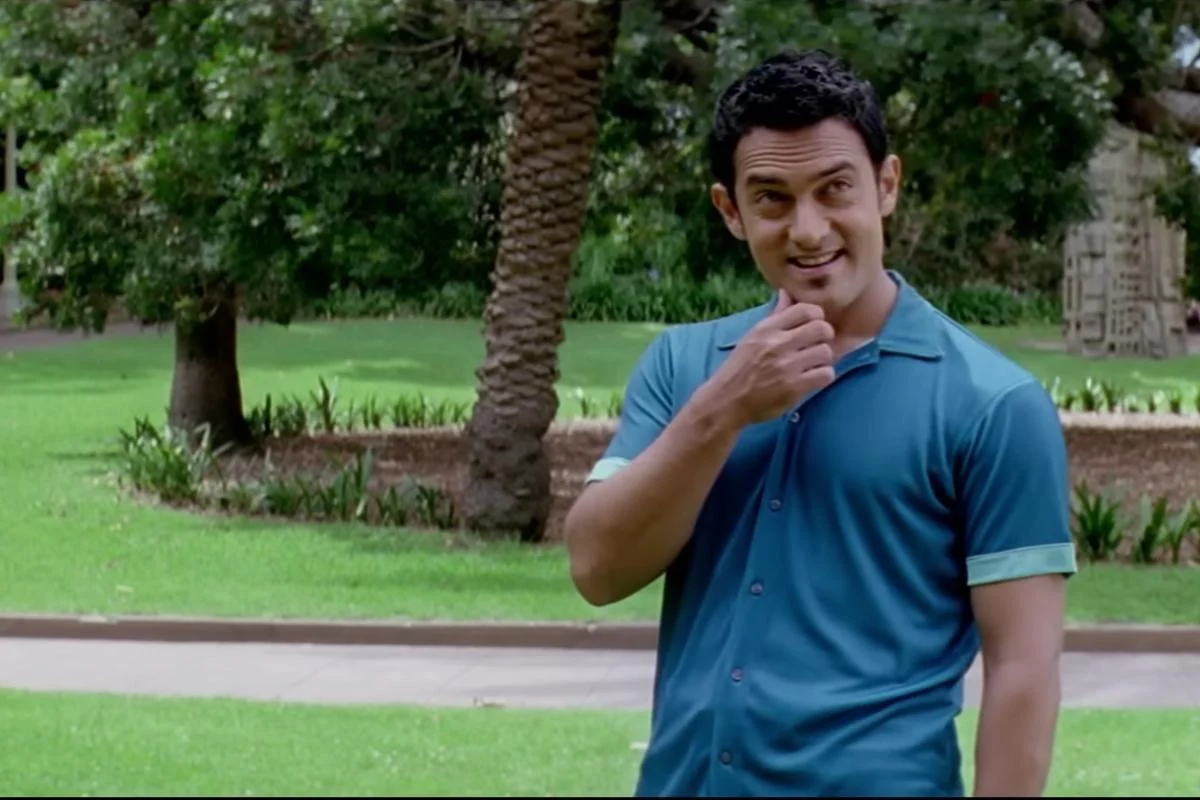
Perhaps the most discussed and impactful visual transformation was that of Aamir Khan, who played the charismatic yet somewhat cynical Akash. Khan, previously known for his roles in romantic dramas, shed his sweet-boy image with a sharper, more defined look. His eyebrows were sculpted, his hairline extended to his cheeks, and a distinctive goatee sealed the deal, adding a touch of playful quirkiness to his persona.
This iconic goatee was not entirely planned, but rather an organic development during the styling process. Avan Contractor reveals that Khan proposed the idea himself. Having sported a beard for a previous film, he experimented with various facial hair styles after his haircut. His decision to settle on just the goatee, which the team found "super cool," proved to be a defining element of his character’s visual identity, perfectly encapsulating Akash’s evolving personality.
Production Design: Spaces That Speak Volumes
The meticulous attention to detail extended beyond hairstyling to the production design, masterfully handled by Suzanne Caplan Merwanji. Her mandate was to create indoor spaces that served as extensions of the characters’ personalities, rather than mere backdrops. Like Contractor, Merwanji was venturing into her first major Hindi commercial film after a distinguished career in international cinema and advertising. This background infused her work on "Dil Chahta Hai" with a fresh perspective.
Merwanji’s philosophy was clear: set design should enhance the script and characters, never detract from them. This principle is strikingly evident in the film’s portrayal of the protagonists’ living spaces. The rooms of Akash, Siddharth, and Sameer each possess a distinct character, furnished with minimal objects that create lived-in environments rather than overly curated displays.

Akash’s room, reflecting his casual demeanor, transactional outlook, and initial disbelief in love, was styled with sleek, mechanical aesthetics. Merwanji describes it as embodying a "modern, spacious, clean-lined and rather cold" design, befitting the wealthiest character and subtly illustrating his complex relationships with family, friends, and romantic interests.
In stark contrast, Siddharth’s thoughtful, empathetic worldview and artistic inclinations were visually conveyed through his living space. Merwanji drew inspiration from a bohemian Colaba home belonging to a friend, an avid collector of Indian arts and crafts. This choice perfectly mirrored the unconventional complexities of Siddharth’s character. The design of his attic studio, in particular, allowed for immense creative freedom, becoming a space where the team "really had fun."
Sameer’s room, on the other hand, exuded a sense of innocence. While his family’s home had a somewhat nouveau-riche feel, his personal space was designed to be uncomplicated, reflecting his good-natured temperament.
The collective impact of these design choices endowed "Dil Chahta Hai" with a unique visual aesthetic, one deeply rooted in character authenticity rather than superficial grandeur. This was a significant departure from the prevailing trends in popular cinema, where sets were often designed for maximum visual impact. Merwanji posits that "DCH" arrived at a pivotal moment when the urban middle and upper classes were increasingly engaging with Bollywood, creating a new and substantial market. This, she believes, contributed to the film’s profound resonance with the privileged youth of 2001.

Costume Design: Fashion as Storytelling
The film’s enduring appeal is also a testament to the meticulous reasoning behind every visual element, including the costume design by Arjun Bhasin. These choices were instrumental in bringing out the nuances of the characters’ emotions, a quality that continues to captivate newer audiences who discover fresh interpretations within these sartorial decisions.
Sabina Halder, a contemporary costume designer whose work includes "Tu Meri Main Tera Tu Meri," "Call Me Bae," "Madgaon Express," and "Merry Christmas," first watched "Dil Chahta Hai" as a child and was struck by its status as a "fun, youth movie." While the subtler nuances eluded her then, the style of Preity Zinta’s costumes was a significant aspiration.
Now a seasoned professional, Halder has revisited "Dil Chahta Hai" multiple times to meticulously study Arjun Bhasin’s work. She observes, "I have observed every small detail in the styling. Every emotion is visually communicated beautifully. It wouldn’t be wrong to say that the clothes and styling in the movie keep the happiness quotient high throughout."
Halder describes Bhasin’s approach as "storytelling via clothes." She highlights the Goa sequences, where the characters appear modern without resorting to stereotypical "hippie" caricatures. Instead, they are depicted in "easy linen drawstring trousers, loose tunic shirts, and colourful bottoms." This portrayal, she notes, accurately reflected the emerging trends for what modern young men could wear on vacation, setting a new benchmark for aspirational fashion.

She believes "Dil Chahta Hai" marked the beginning of what constitutes "clean and fashionable" costume styling in Indian cinema. Prior to the film, fashion in Bollywood was often perceived as unrelatable, over-the-top, and garish. Arjun Bhasin, through his work on "DCH," established a precedent for using styling as an intelligent tool in contemporary costume design, a quality that contributes to the film’s enduring freshness.
The Lasting Legacy: A Timeless Resonance
Over two decades since its release, the camaraderie between Akash, Siddharth, and Sameer continues to evoke the same warmth and relatability that made them stand out. The film’s soundtrack, with its uplifting melodies and lyrics like the "chamkile din" from the title track, further enhances its timeless appeal.
Released just after the turn of the century, Farhan Akhtar’s directorial debut signaled the advent of a new cinematic experience in Bollywood. It marked a significant shift from melodramatic narratives to a more vibrant, coming-of-age sensibility. As Javed Akhtar eloquently penned in "Koi Kahe Kehta Rahe," "Ham hain naye, andaaz kyun ho purana" – we are new, why should our style be old? This sentiment perfectly encapsulates the enduring spirit of "Dil Chahta Hai," a film where the heart’s desires remain, and its style has unequivocally stood the test of time. The film’s meticulous attention to detail, from the subtle nuances of character portrayal to the carefully curated visual aesthetics, has cemented its status as a landmark in Indian cinema, continuing to inspire filmmakers and resonate with audiences for generations to come.
