Chennai, August 29, 2026 – The latest episode of "Drop Shot," a prominent video series delving into the multifaceted realms of cinema, culture, society, and history, offers a compelling and diverse narrative. Titled "Once More, Incels, Art Deco & Yash’s Toxic Fairy Tale," this ninth installment brings together a constellation of insightful discussions, exploring everything from the personal journeys of actors to the complex societal undercurrents and the architectural heritage of Chennai. The episode, published on August 29, 2026, at 10:09 pm IST, promises a rich and engaging experience for its audience.
Unpacking the Episode’s Diverse Threads
"Drop Shot EP 09" masterfully weaves together four distinct yet interconnected narratives, each offering a unique lens through which to view contemporary issues and enduring legacies. The episode features:
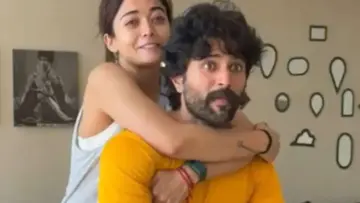
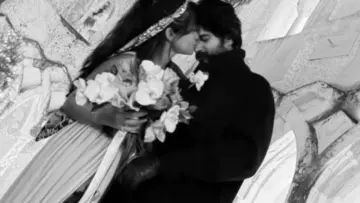
- "Once More" and the Art of Storytelling: Actors Arjun Das and Aditi Shankar engage in a conversation that goes beyond promotional talk, exploring their recent project "Once More." The discussion centers on their deliberate choice of stories that resonate deeply with them, highlighting a commitment to authentic and emotionally impactful narratives. This segment promises to offer a behind-the-scenes glimpse into the creative process and the actors’ personal connections to their craft.
- The Indian Incel Phenomenon: Writer Meena Kandasamy provides a critical examination of the world of the "incel" (involuntary celibate) in India. This segment delves into the ideologies, societal factors, and psychological underpinnings that contribute to this increasingly discussed phenomenon. Kandasamy’s analysis is expected to offer a nuanced and informed perspective on a sensitive and often misunderstood topic.
- Chennai’s Art Deco Gem: The episode takes a journey into the architectural splendor of The Hindu’s iconic Chennai building, exploring its Art Deco heritage. This segment promises to be a visual and historical treat, shedding light on the design principles, historical significance, and enduring appeal of Art Deco architecture within the urban landscape of Chennai.
- "Toxic": A Dark Fairy Tale for Adults: Finally, the episode turns its attention to the film "Toxic," helmed by Yash and Geetu Mohandas. Described as a "dark fairy tale for grown-ups," this segment likely dissects the film’s thematic complexity, its narrative style, and its potential to challenge conventional storytelling, offering a thought-provoking exploration of mature themes through a fairy tale lens.
Chronology of Discussion: A Thematic Progression
While the episode presents these diverse topics, a thoughtful progression likely guides the viewer through a cohesive experience. The placement of these segments suggests a deliberate thematic flow:
1. The Personal and the Creative: "Once More" and the Actors’ Vision
The episode likely opens with the more accessible and relatable discussion around "Once More." Arjun Das and Aditi Shankar’s conversation about choosing stories that connect with them serves as an engaging entry point. This segment establishes a tone of personal reflection and artistic integrity, setting the stage for deeper explorations. The emphasis on "connecting with stories" hints at a focus on emotional resonance and audience relatability, crucial elements in any successful narrative. This part of the episode can be seen as an exploration of how individual artistic choices contribute to the broader cultural landscape. The audience will likely be drawn into the actors’ passion and their discerning approach to their projects, understanding that their work is not merely performance but a deliberate selection of narratives that hold personal significance.
2. Societal Undercurrents: The Indian Incel Phenomenon
Following the exploration of individual artistic choices, the episode transitions to a more analytical and societal focus with Meena Kandasamy’s examination of the Indian incel phenomenon. This shift from the personal to the societal is a common journalistic technique to broaden the scope of discussion and address pressing contemporary issues. Kandasamy’s expertise as a writer suggests a well-researched and articulate presentation. The segment is expected to move beyond sensationalism and delve into the socio-cultural factors that may contribute to the rise of such ideologies within the Indian context. This part of the episode aims to foster understanding and critical thinking about a complex social issue that has far-reaching implications. The inclusion of this segment underscores the series’ commitment to tackling challenging and relevant topics that shape contemporary society.
3. Anchoring in History and Architecture: Chennai’s Art Deco Legacy
The episode then offers a moment of respite and aesthetic appreciation with a look at the Art Deco story of The Hindu’s Chennai building. This historical and architectural segment provides a grounding element, connecting the present to the past through enduring structures. Art Deco, with its distinctive geometric patterns and opulent designs, represents a significant period in architectural history. By focusing on this iconic building, the episode likely highlights the importance of preserving heritage and understanding the cultural significance embedded in our built environment. This segment can be seen as a celebration of Chennai’s rich past and its architectural contributions, offering a visual counterpoint to the more abstract societal discussions. It also serves as a reminder of the tangible legacies that shape our cities and our collective memory.
4. The Dark and the Provocative: "Toxic" and its Fairy Tale Framework
Concluding the episode is the exploration of "Toxic," described as a "dark fairy tale for grown-ups." This segment likely delves into the film’s artistic merit, its thematic depth, and its potential to push narrative boundaries. The term "dark fairy tale" suggests a subversion of traditional storytelling, exploring mature themes like morality, consequences, and the complexities of human nature through a familiar yet altered narrative structure. Yash and Geetu Mohandas’ involvement points towards a potentially bold and unconventional cinematic vision. This segment aims to leave the audience with a sense of artistic intrigue and a deeper appreciation for diverse forms of storytelling. It represents the episode’s commitment to showcasing cinematic works that challenge, provoke, and offer new perspectives.
Supporting Data and Expert Insights
While the provided content doesn’t offer specific statistics or data points, the credibility of the episode is bolstered by the inclusion of esteemed individuals:
- Arjun Das and Aditi Shankar: As actors, their insights into the filmmaking process, script selection, and their personal connection to narratives offer valuable anecdotal evidence and a relatable perspective on the creative industry. Their experiences provide a practical understanding of how stories are brought to life and the decisions that shape them.
- Meena Kandasamy: A writer with a known inclination towards critical analysis and social commentary, Kandasamy’s contribution promises a well-researched and intellectually stimulating examination of the incel phenomenon. Her ability to articulate complex ideas in an accessible manner will be crucial in dissecting this sensitive topic. Her work often delves into issues of gender, identity, and social justice, suggesting a comprehensive approach to the subject matter.
- The Art Deco segment: While not explicitly naming an expert, the focus on the architectural history of The Hindu building implies access to historical archives, architectural historians, or urban planning experts. This segment would likely be supported by visual evidence of the building’s design and historical context.
- Yash and Geetu Mohandas: As filmmakers, their participation, or the discussion surrounding their film "Toxic," will offer insights into their artistic intentions, directorial choices, and the thematic underpinnings of their work. Their contributions, even indirectly, represent the culmination of creative effort and artistic vision.
Official Responses and Broader Implications
The "Drop Shot" series, by its very nature as a platform for discussion and analysis, aims to elicit thought and dialogue rather than direct "official responses" in the traditional sense. However, the topics covered have significant broader implications:
- Cinema and Storytelling: The discussion around "Once More" and "Toxic" highlights the evolving landscape of cinema. The emphasis on choosing stories that "connect" suggests a growing demand for authentic narratives that resonate with audiences on an emotional and intellectual level. This implies a shift away from formulaic storytelling towards more character-driven and thematically rich content. The implications extend to the future of filmmaking, with a potential focus on diverse voices and narratives that challenge conventional expectations.
- Societal Challenges and Understanding: Meena Kandasamy’s segment on the Indian incel phenomenon brings a critical social issue to the forefront. The implications here are profound, pointing to the need for greater understanding, empathy, and proactive societal interventions to address alienation, radicalization, and mental health challenges. This discussion can inform public discourse, educational initiatives, and policy-making aimed at fostering a more inclusive and supportive society. It underscores the interconnectedness of individual psychology, societal structures, and online communities.
- Heritage Preservation and Urban Identity: The exploration of Chennai’s Art Deco building emphasizes the importance of heritage preservation. The implications extend to urban planning, architectural conservation, and the cultural identity of cities. Recognizing and celebrating architectural landmarks like this contributes to a city’s unique character and provides a tangible link to its history. This segment serves as a reminder of the value of preserving tangible links to the past for future generations.
- The Power of Art to Provoke: The inclusion of a "dark fairy tale for grown-ups" like "Toxic" suggests a recognition of art’s power to provoke, challenge, and offer new perspectives. The implications are that cinema and other art forms can serve as important tools for social commentary, introspection, and critical engagement with complex themes. This segment underscores the role of art in pushing boundaries and fostering deeper societal conversations.
In conclusion, "Drop Shot EP 09" promises a rich and intellectually stimulating exploration of diverse themes. By weaving together personal narratives, societal analysis, historical appreciation, and cinematic critique, the episode offers a compelling tapestry of contemporary issues and enduring legacies, reinforcing the series’ commitment to providing insightful and engaging content for its discerning audience. The carefully curated selection of topics and the caliber of the contributors suggest an episode that will not only inform but also provoke thought and encourage deeper engagement with the world around us.