


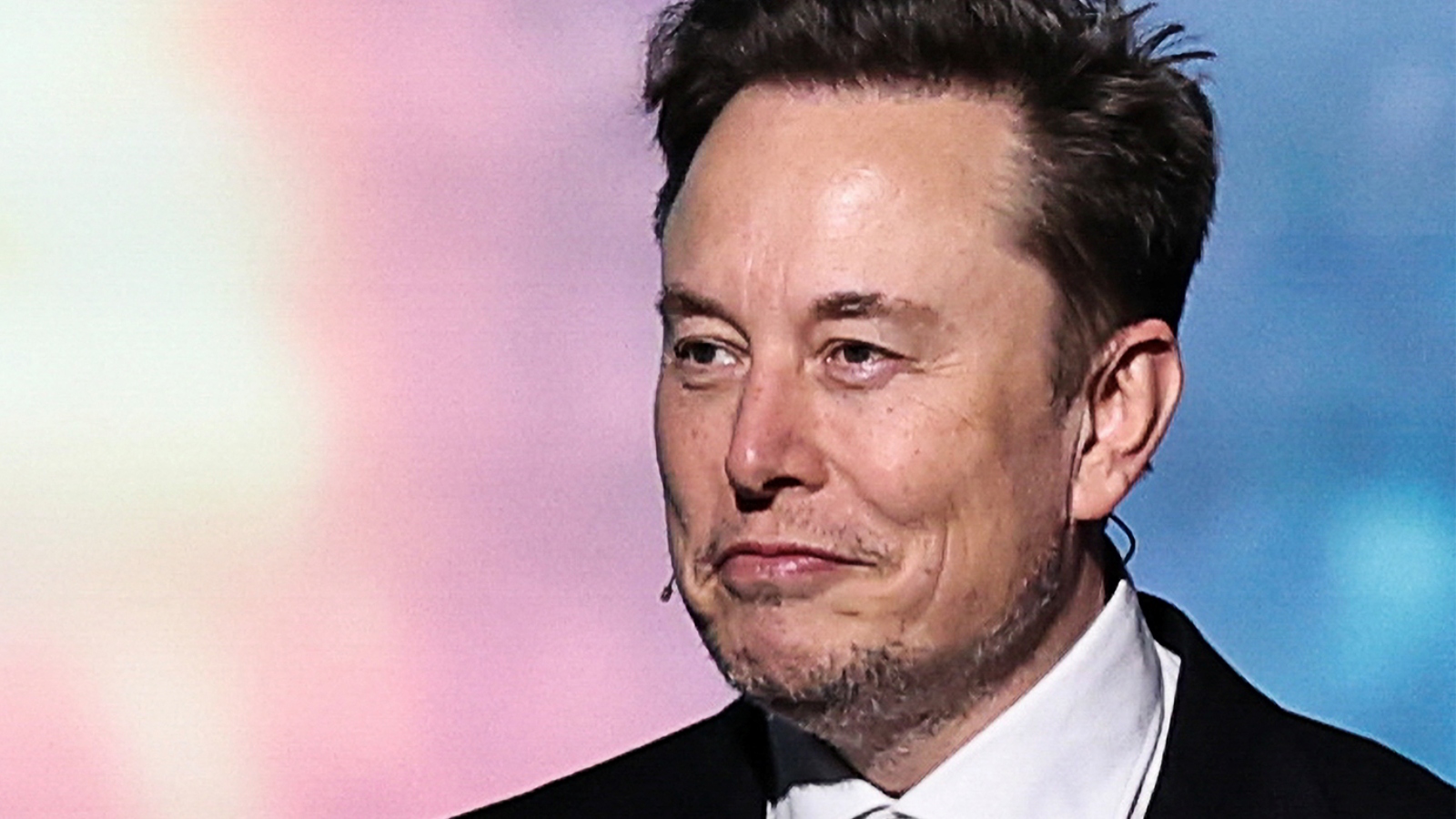
NEW DELHI, India – In an era defined by rapid technological advancement, the promise of ubiquitous internet connectivity remains an elusive dream for millions, particularly in vast, geographically diverse nations like India. Amidst this backdrop, Elon Musk, the visionary CEO of SpaceX, is once again setting his sights on the Indian market, advocating for his satellite-based internet service, Starlink, as a crucial solution to bridge the nation’s persistent digital divide. His recent remarks underscore a renewed push to navigate India’s complex regulatory landscape, promising high-speed internet to the "least served" communities, especially in rural areas where traditional infrastructure falters.
Elon Musk Reignites Starlink’s India Ambitions Amidst Digital Divide
Elon Musk’s long-standing ambition to introduce Starlink to India has been a saga of high hopes, significant hurdles, and persistent efforts. The potential entry of Starlink, with its revolutionary low-Earth orbit (LEO) satellite technology, could fundamentally alter the connectivity landscape in a nation grappling with uneven digital access. Musk’s renewed public statements, particularly on the social media platform X (formerly Twitter), highlight his commitment to this vision, even as regulatory complexities continue to cast a shadow over its immediate future.

A Vision for Connectivity in Rural India
Responding to a post on X that lamented the lack of adequate 4G connectivity in many Indian villages, Musk unequivocally stated, "Starlink would help the least served in India, especially in rural areas." This assertion is not merely a statement of intent but a strategic recognition of India’s immense market potential and its profound connectivity challenges. The data paints a stark picture: rural India lags significantly behind its urban counterparts in internet penetration. While urban areas boast an internet subscription density of 126.80 per 100 people, rural India languishes at a mere 48.31 per 100 people. This disparity is a critical barrier to socio-economic development, hindering access to education, healthcare, financial services, and market opportunities for hundreds of millions.
Musk’s focus on "least served" communities aligns with a global imperative to achieve universal internet access. For India, a country with a vast rural population and diverse terrains, from the Himalayan peaks to dense forests and remote islands, laying down traditional fiber optic cables or establishing cellular towers can be prohibitively expensive, logistically challenging, or simply unfeasible. This is precisely where Starlink’s unique value proposition – satellite-based internet independent of terrestrial infrastructure – becomes most compelling. The vision is to empower these underserved populations, integrating them into the global digital economy and fostering inclusive growth.
)
Starlink’s Technological Edge: Bridging Distances with Low-Earth Orbit
At the heart of Starlink’s transformative potential lies its innovative technological architecture, which fundamentally redefines satellite internet. Unlike its predecessors, Starlink leverages a vast constellation of satellites operating in low-Earth orbit (LEO), a strategic departure that addresses the primary shortcomings of traditional satellite internet services.
Beyond Traditional Satellite Connectivity
For decades, satellite internet has been synonymous with geostationary (GEO) satellites, which orbit approximately 36,000 kilometers from Earth. While GEO satellites offer wide coverage, their immense distance from the planet results in significant signal travel time, leading to high latency (the delay between sending and receiving data). This high latency makes real-time applications like video calls, online gaming, and even standard web browsing frustratingly slow and unreliable.

Starlink, by contrast, deploys its satellites much closer to Earth, at an altitude of around 550 kilometers. This proximity drastically reduces the signal travel time, translating into significantly lower latency – often comparable to terrestrial broadband connections. Furthermore, the sheer number of satellites in the Starlink constellation ensures continuous coverage and increased bandwidth capacity. As these satellites constantly move, the system intelligently hands off signals from one satellite to the next, maintaining a stable and high-speed connection. This distributed network also enhances resilience, as the failure of a single satellite has minimal impact on the overall service.
The user experience is also streamlined. Starlink does not require complex ground infrastructure like cell towers or extensive fiber networks. Instead, customers receive a user-friendly "Starlink Kit," which typically includes a small satellite dish (often referred to as "Dishy McFlatface"), a Wi-Fi router, and necessary cables. The dish is designed for easy self-installation, automatically orienting itself to connect with the nearest available satellites, making the service accessible even to individuals with limited technical expertise. This ease of deployment and minimal reliance on local infrastructure is a game-changer for remote and difficult-to-reach areas.
)
Ideal Use Cases: Remote Regions and Disaster Relief
Elon Musk has consistently emphasized that Starlink is primarily designed to serve regions where traditional internet infrastructure is either non-existent, unreliable, or prohibitively expensive to deploy. This includes vast swathes of rural India, where geographical barriers, sparse populations, and economic constraints have historically deterred telecommunications companies from investing in robust networks. For these areas, Starlink offers a lifeline, providing high-speed internet access that can unlock educational opportunities, facilitate telemedicine, enable remote work, and connect businesses to global markets.
Beyond everyday connectivity, Starlink’s robust and independent nature makes it an invaluable tool during natural disasters and emergencies. When earthquakes, floods, or other catastrophic events strike, traditional communication infrastructure – cell towers, fiber optic cables, and power lines – are often among the first casualties. In such scenarios, Starlink can be rapidly deployed to establish critical communication links for first responders, relief organizations, and affected communities, enabling coordination, information sharing, and essential contact with the outside world. Its ability to operate autonomously from ground-based networks provides a crucial layer of redundancy and resilience in times of crisis, making it a powerful asset for disaster management and humanitarian aid efforts.
)
It is important to note that while Starlink offers a powerful solution for these specific use cases, it is not intended to be a complete replacement for traditional terrestrial networks operated by major players like Jio or Airtel. Its limited capacity means it performs optimally in low-density areas. In densely populated urban centers, where tens of thousands of users might converge in a single city block, Starlink’s current architecture would struggle to maintain high speeds for everyone. As Musk himself has acknowledged, Starlink may serve only a small percentage (perhaps 1-2%) of users in highly dense cities, where traditional cell towers and fiber networks remain the dominant and most efficient solutions.
A Chronology of Starlink’s Indian Odyssey: Hopes and Hurdles
Starlink’s journey to India has been marked by a series of promising starts and frustrating setbacks, reflecting the intricate dance between global technological ambition and local regulatory realities.
)
Early Forays and Enthusiastic Registrations
The initial excitement surrounding Starlink’s potential entry into India was palpable. In late 2020 and early 2021, SpaceX began accepting pre-orders for Starlink services in India, signalling its intent for an imminent launch. The company even displayed provisional pricing on its website, listing the residential plan at approximately Rs 8,600 per month and the hardware kit at Rs 34,000. This move generated considerable buzz, with thousands of potential customers in India placing pre-orders, eager to embrace the promise of high-speed satellite internet. The initial goal was to roll out commercial services by 2022, a timeline that now seems optimistic in retrospect.
The Regulatory Maze: Approvals and Setbacks
However, this initial enthusiasm was quickly tempered by regulatory scrutiny. In November 2021, the Indian government, through the Ministry of Communications, issued a stern directive to Starlink, instructing the company to cease accepting pre-orders for its satellite internet service in India until it had received the necessary licenses and authorizations. The Ministry of Home Affairs (MHA) had reportedly put Starlink’s approval on hold over unspecified "security concerns." These concerns often revolve around issues of data sovereignty, the control of critical communication infrastructure by foreign entities, and the potential for encryption protocols to bypass national security monitoring.
)
The setback forced Starlink to refund pre-order payments and temporarily withdraw its immediate launch plans. This incident underscored the critical importance of navigating India’s robust regulatory framework, which prioritizes national security and the orderly development of its telecommunications sector.
Currently, Starlink is making renewed efforts to secure approval. According to recent reports, the company has reapplied to the Indian National Space Promotion and Authorisation Centre (IN-SPACe) for approval of its "Gen 2" constellation. This next-generation constellation includes advanced features, most notably "direct-to-device" (D2D) connectivity, which could allow users to connect to Starlink satellites directly from their smartphones, bypassing the need for a dedicated Starlink dish. IN-SPACe, established in 2020, serves as the single-window, independent nodal agency for promoting, authorising, and supervising non-governmental entities’ space activities in India. Its role is crucial in streamlining the approval process for private sector participation in India’s burgeoning space economy.
)
The Spectrum Allocation Conundrum
Beyond security clearances, a significant hurdle for Starlink and other non-geostationary satellite operators (NGSOs) like OneWeb and the Jio-SES joint venture remains spectrum allocation. In India, access to radio frequency spectrum, which is essential for wireless communication, is a tightly regulated and often contentious issue. The Telecom Regulatory Authority of India (TRAI) has issued recommendations on how satellite spectrum should be priced and allocated. The core debate revolves around whether this spectrum should be allocated through administrative means (where the government assigns frequencies directly, often for a fee) or through competitive auctions (where companies bid for spectrum, as is done for terrestrial mobile services).
Telecom operators, who invest heavily in auction-based spectrum for their 4G and 5G services, strongly advocate for auctions for satellite spectrum as well, arguing for a "level playing field." Satellite operators, on the other hand, typically argue for administrative allocation, citing the global nature of satellite operations and the unique technical characteristics of satellite spectrum. The Indian government is yet to take a final call on TRAI’s recommendations, and this pending decision continues to be a major bottleneck, preventing any non-geostationary satellite operator from launching commercial services in India.
)
Supporting Data: Unpacking India’s Digital Landscape
Understanding the full scope of Starlink’s potential impact in India requires a closer look at the nation’s unique digital landscape, characterized by stark disparities and immense growth opportunities.
The Rural-Urban Connectivity Divide
The official statistics provided by the article – 48.31 internet subscriptions per 100 people in rural India versus 126.80 in urban India – are more than just numbers; they represent a significant socio-economic chasm. This digital divide is not merely about access to the internet but about access to opportunities. In rural areas, the primary reasons for this disparity are multi-faceted:
)
- Infrastructure Costs: Laying fiber optic cables or erecting cell towers in remote, sparsely populated, or geographically challenging terrains (mountains, forests, deserts) is incredibly expensive for telecommunication companies, often with a poor return on investment.
- Affordability: Even where connectivity exists, the cost of internet services and compatible devices can be prohibitive for low-income rural households.
- Digital Literacy: A lack of digital literacy and awareness about the benefits of internet access can also contribute to lower adoption rates.
- Power Reliability: Many rural areas suffer from inconsistent electricity supply, making it challenging to power internet devices reliably.
Government initiatives like BharatNet, aimed at connecting all Gram Panchayats (village councils) with broadband, have made progress but have also faced implementation challenges and delays. Despite these efforts, a substantial portion of rural India still struggles with slow speeds, unreliable connections, or no connectivity at all. This situation creates a fertile ground for alternative solutions like Starlink, which can bypass many of these traditional infrastructure limitations.
Market Potential and Competition
India, with its population exceeding 1.4 billion, represents one of the world’s largest and most rapidly growing digital markets. The untapped potential in rural and semi-urban areas for broadband services is enormous. This lucrative prospect has not gone unnoticed, and Starlink is not the only player eyeing this market.
)
Several other global and domestic entities are actively pursuing satellite broadband opportunities in India:
- OneWeb: Backed by Bharti Airtel (India’s second-largest telecom operator) and the UK government, OneWeb has already launched a significant portion of its LEO constellation and secured necessary licenses for ground operations in India. It plans to offer services in partnership with Airtel.
- Jio Platforms (Reliance Jio) & SES: India’s largest telecom operator, Reliance Jio, has formed a joint venture with Luxembourg-based satellite operator SES to offer satellite broadband services in India, leveraging SES’s medium-Earth orbit (MEO) constellation.
- Amazon’s Project Kuiper: While not yet having a direct presence or stated launch plans for India, Amazon’s ambitious LEO satellite constellation project, Kuiper, is expected to be a global player and could eventually enter the Indian market.
This burgeoning competition underscores the strategic importance of India for satellite internet providers. Each player brings a slightly different technological approach, business model, and strategic partnership to the table, making the race for India’s digital future an exciting and fiercely contested one.
)
Official Responses and Industry Perspectives
The potential entry of Starlink and other satellite internet providers has elicited varied responses from government bodies and incumbent telecom operators, highlighting the complex interplay of national interests, regulatory oversight, and commercial competition.
Government’s Stance: Balancing Innovation and Security
The Indian government’s approach to Starlink has been characterized by a delicate balancing act: fostering technological innovation and attracting foreign investment while safeguarding national security and promoting domestic capabilities. The Ministry of Home Affairs’ initial "security concerns" regarding Starlink’s approval are not unique to India; many nations express similar reservations about foreign-owned critical communication infrastructure. These concerns typically encompass:
)
- Data Sovereignty: Ensuring that data generated within India remains subject to Indian laws and jurisdiction, and that foreign operators do not have unfettered access or control over it.
- Interception Capabilities: The ability of security agencies to lawfully intercept communications for national security purposes, which can be complicated by encrypted satellite links controlled by foreign entities.
- Strategic Control: Preventing undue foreign influence or control over a vital sector that could be critical during geopolitical tensions or national emergencies.
- Compliance with Local Laws: Ensuring that foreign operators fully comply with all Indian telecommunication laws, licensing requirements, and taxation policies.
However, the establishment of IN-SPACe as a single-window agency signals the government’s intent to streamline processes and encourage private sector participation in the space economy. India’s new Space Policy aims to liberalize the sector, inviting private players to undertake end-to-end activities in space, including satellite manufacturing, launch services, and ground segment operations. This policy framework seeks to promote "Atmanirbhar Bharat" (self-reliant India) in space technology while leveraging global expertise. The government’s final decision on Starlink will likely reflect a careful consideration of these competing priorities, seeking a solution that aligns with national security interests, promotes economic growth, and expands digital inclusion.
Telecom Operators’ Reservations
India’s incumbent telecom operators – primarily Reliance Jio, Bharti Airtel, and Vodafone Idea – constitute a powerful lobby with significant investments in terrestrial infrastructure and spectrum. Their response to the prospect of satellite internet operators entering the market, especially with direct-to-device (D2D) capabilities, has been one of caution and concern.
)
Their primary arguments revolve around the concept of a "level playing field." Telecom operators have historically invested billions of dollars in acquiring spectrum through competitive auctions, building extensive cellular networks, and deploying fiber optics. They contend that if satellite operators are allowed to offer similar services, particularly D2D mobile connectivity, they should be subject to the same regulatory and financial obligations, including participating in spectrum auctions. They fear that administrative allocation of spectrum to satellite players would create an unfair advantage, allowing them to bypass the significant costs borne by terrestrial operators.
Furthermore, these operators are concerned about the potential for revenue erosion. While Starlink initially targets remote areas, the introduction of D2D services could directly compete with their mobile broadband offerings, particularly in semi-urban and even some urban areas where existing coverage might be patchy or overloaded. They argue that this could destabilize the existing telecom market, potentially impacting their ability to continue investing in network upgrades and expansion. The debate over spectrum allocation and regulatory parity is therefore not just a technicality but a critical economic and competitive issue that could shape the future landscape of India’s telecommunications industry.
)
Implications: What Starlink’s Entry Could Mean for India
The eventual launch of Starlink and similar satellite internet services in India holds profound implications, promising transformative changes across various sectors while also presenting a unique set of challenges.
Transformative Potential for Rural Development
If successfully deployed, Starlink’s high-speed, low-latency internet could be a catalyst for unprecedented rural development in India:
)
- Education: Remote learning would become a viable option for students in isolated villages, providing access to online courses, digital libraries, and expert instruction that was previously out of reach. This could significantly reduce educational disparities.
- Healthcare: Telemedicine services could bridge the gap between urban medical specialists and rural patients, enabling remote consultations, diagnostics, and even monitoring. This would be particularly impactful in areas with limited access to healthcare professionals.
- Economic Empowerment: Rural entrepreneurs and small businesses could access global markets, facilitate e-commerce, and utilize digital payment systems. Farmers could gain real-time access to weather data, market prices, and agricultural best practices, enhancing productivity and income. Remote work opportunities could also decentralize the workforce, creating jobs in villages.
- Disaster Management: As highlighted earlier, reliable communication during natural disasters is critical. Starlink could provide an indispensable backbone for relief efforts, early warning systems, and post-disaster recovery, saving lives and mitigating damage.
- Digital Inclusion: Beyond specific sectors, consistent internet access fosters digital literacy, civic engagement, and access to government services, bringing marginalized communities into the mainstream of the digital age.
Challenges and Considerations
Despite its immense potential, Starlink’s entry into India is not without its challenges and requires careful consideration:
- Affordability: The historical pricing displayed (Rs 8,600 per month for service and Rs 34,000 for hardware) is substantial for the average rural Indian household. For Starlink to truly serve the "least served," innovative pricing models, subsidies, or lower-tier plans will be essential. Partnerships with local internet service providers (ISPs) or government initiatives could help make the service more accessible.
- Competition and Market Dynamics: The arrival of multiple satellite internet providers, alongside existing terrestrial operators, will intensify competition. Regulators will need to ensure a fair and equitable market environment that encourages innovation without stifling incumbent players or creating monopolies.
- Regulatory Framework Evolution: India’s regulatory framework, particularly regarding spectrum allocation and licensing for D2D services, needs to evolve rapidly to accommodate these new technologies. Clear, consistent, and future-proof policies are crucial for attracting and retaining investment.
- Space Debris: The proliferation of large LEO constellations raises concerns about space debris and orbital congestion. While Starlink has measures for deorbiting its satellites, the cumulative impact of thousands of new satellites requires international cooperation and robust regulatory oversight to ensure the long-term sustainability of space.
- Geopolitical and National Security Implications: The MHA’s initial concerns remain relevant. Balancing the benefits of foreign technology with national security imperatives, data privacy, and strategic autonomy will be an ongoing challenge. Establishing robust local data centers and ensuring compliance with Indian data protection laws will be paramount.
Conclusion
Elon Musk’s renewed interest in launching Starlink in India underscores the profound demand for advanced connectivity solutions in one of the world’s most populous nations. Starlink’s low-Earth orbit technology offers a compelling answer to India’s persistent digital divide, particularly in rural and remote areas where traditional infrastructure struggles to reach. The potential for transforming education, healthcare, economic opportunities, and disaster management is immense, promising to integrate millions into the global digital fabric.
)
However, Starlink’s Indian odyssey is far from over. It is mired in a complex web of regulatory approvals, security concerns, and intense lobbying from incumbent telecom operators over contentious issues like spectrum allocation. The government’s forthcoming decisions on these matters will not only determine Starlink’s fate but will also shape the future trajectory of India’s digital infrastructure and its broader space economy. As India continues its journey towards becoming a digitally empowered society, the arrival of high-speed satellite internet holds the promise of a truly connected future, provided the regulatory hurdles can be successfully navigated and the unique challenges addressed with foresight and strategic planning. The wait for this transformative technology continues, but the potential rewards remain well worth the effort.
