

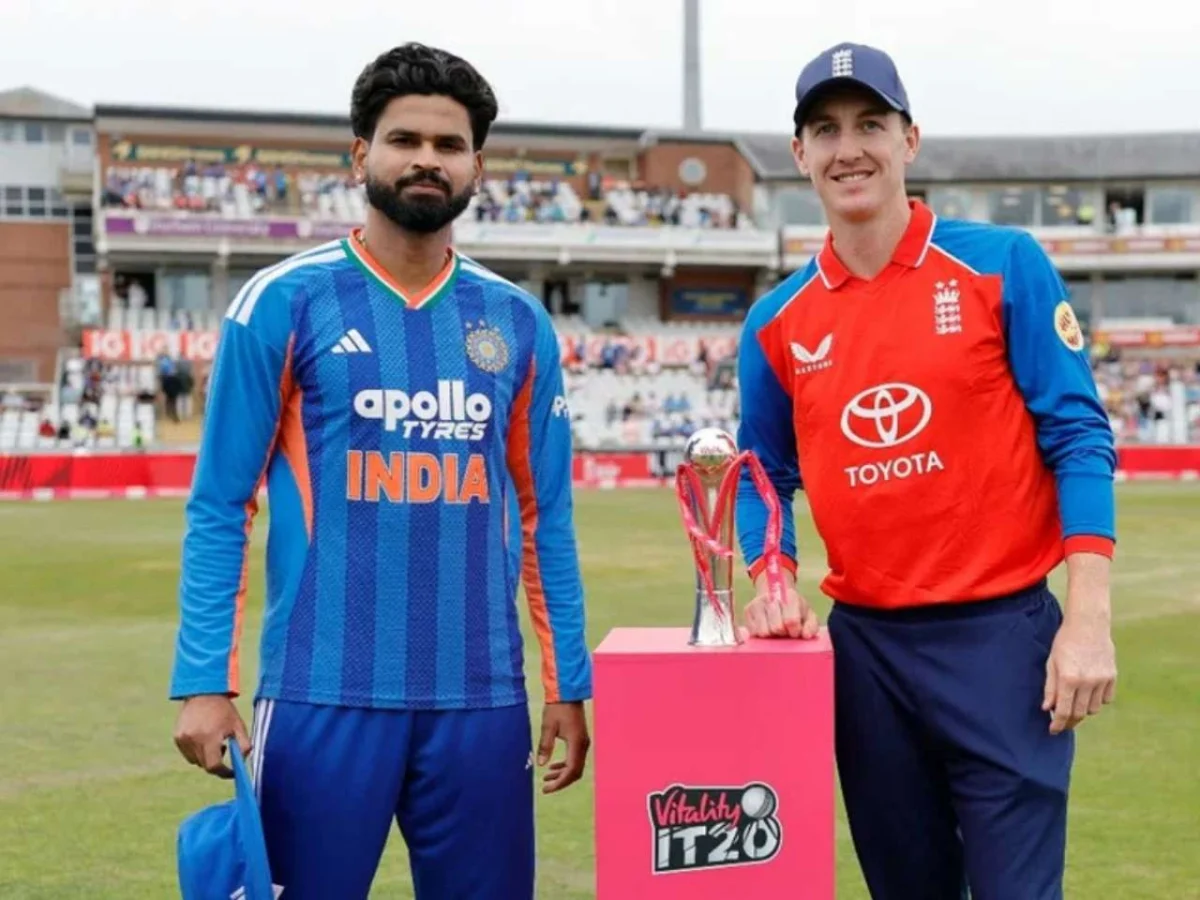
Southampton, England – July 10, 2026 – The picturesque Rose Bowl in Southampton is set to host the fifth and final T20 International between England and India on Saturday, July 11. While the series trophy has already been firmly secured by the dominant hosts, who lead an unassailable 3-0, the upcoming encounter carries distinct significance for both sides. For England, it’s an opportunity to complete a clean sweep and underscore their supremacy in the shortest format. For India, it’s a desperate bid to salvage pride, arrest a worrying slide, and carry some semblance of positive momentum into the upcoming One Day International series.
The series has been a stark illustration of contrasting fortunes. England, under the dynamic leadership of Harry Brook, has showcased a blend of aggressive batting, disciplined bowling, and sharp fielding that has left the visiting Indian squad struggling for answers. India, on the other hand, has grappled with inconsistent performances across departments, failing to click as a cohesive unit and finding individual brilliance insufficient against a well-oiled English machine.
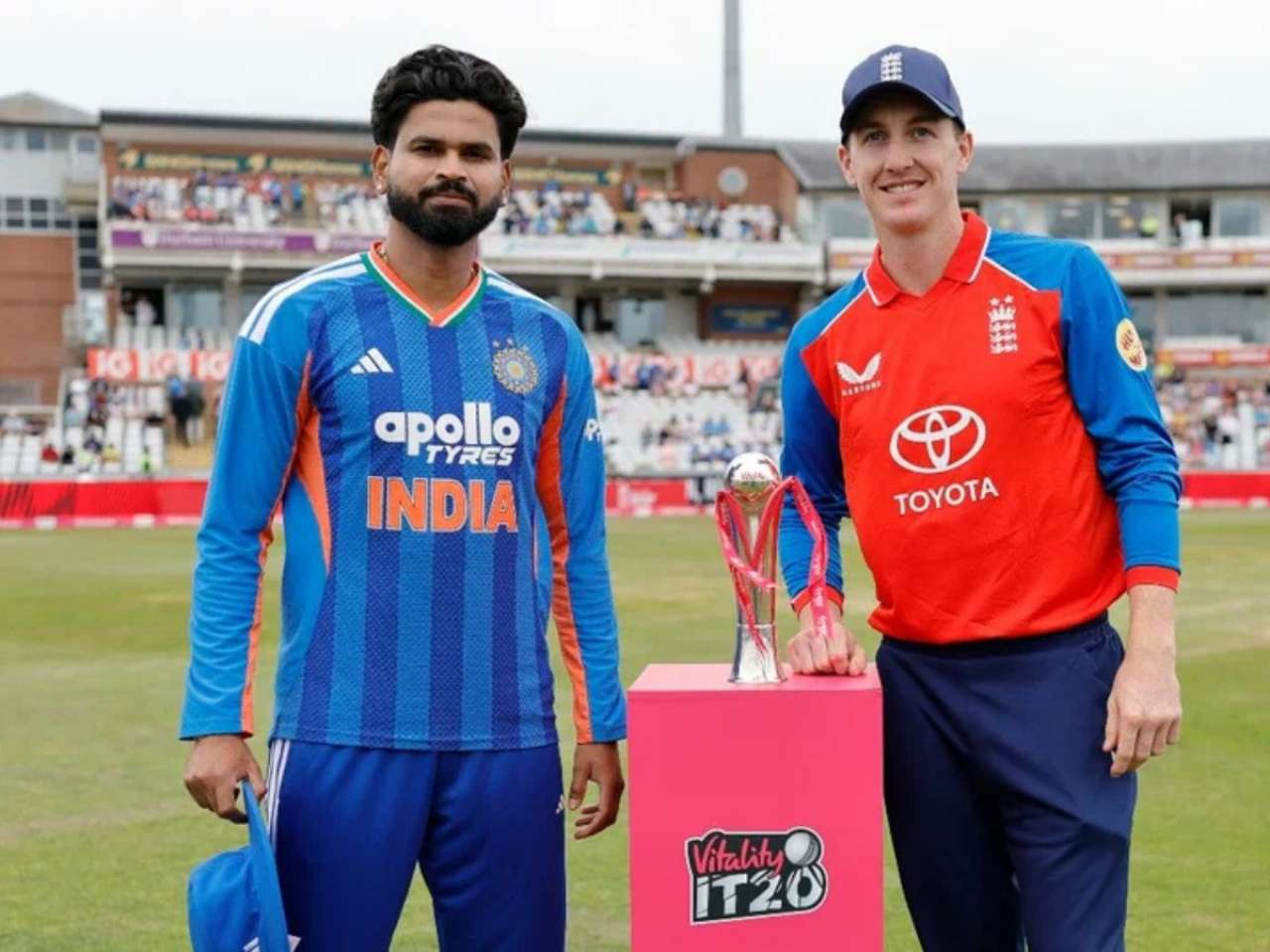
This final clash, despite its ‘dead rubber’ status in terms of the series outcome, promises to be a compelling spectacle. England will be keen to maintain their winning streak and potentially experiment with their squad depth, while India will be fighting tooth and nail to avoid a demoralizing whitewash and find a much-needed morale boost.
Match Details at a Glance:
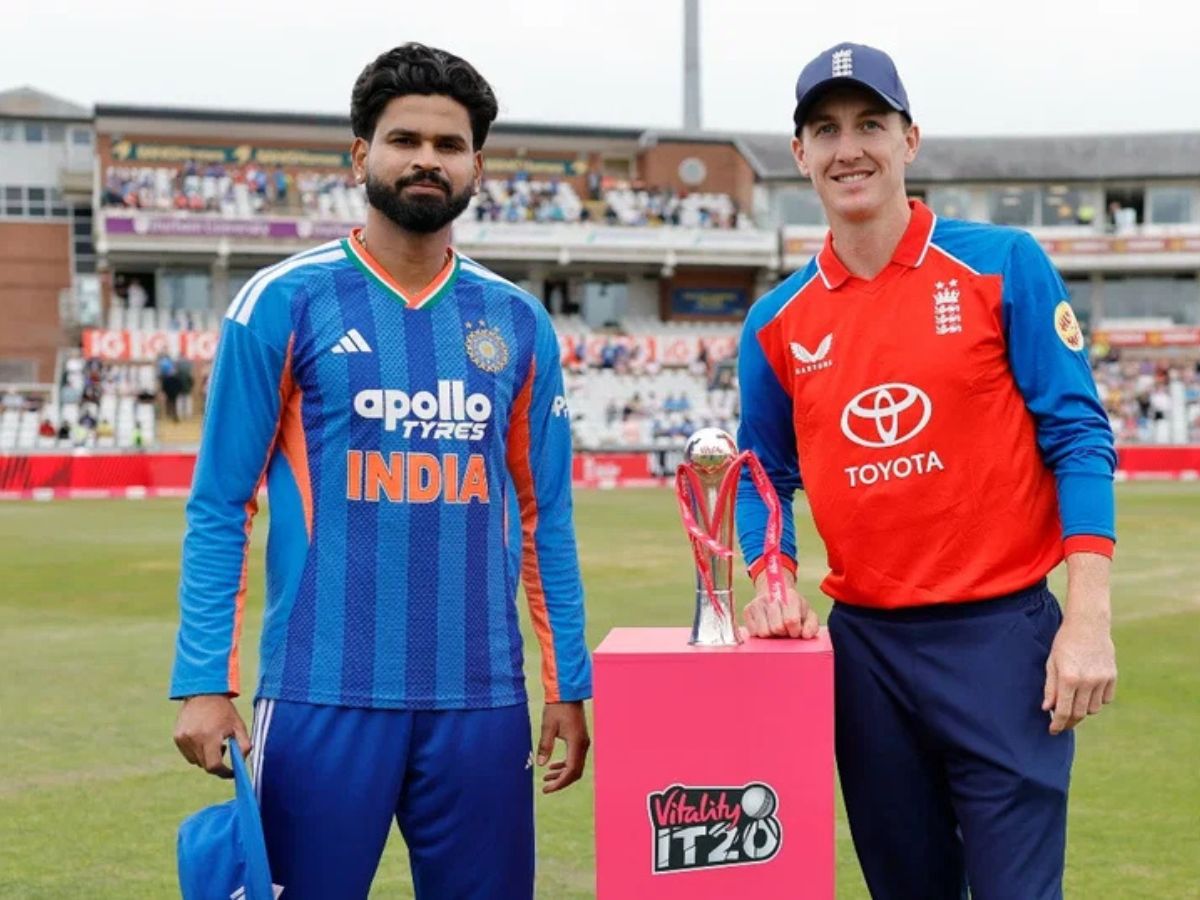)
- Fixture: England vs. India, 5th T20 International
- Date: Saturday, July 11, 2026
- Venue: The Rose Bowl, Southampton
- Match Timing: [Specific timing not provided, but typically afternoon/evening local time]
- Live Streaming: [General information: leading sports apps and websites]
- TV Broadcast: [General information: major sports channels]
The Series So Far: A Tale of English Dominance and Indian Struggles
The narrative of this five-match T20I series has been overwhelmingly dictated by England’s commanding performances, painting a vivid picture of their current strength in white-ball cricket. From the outset, the hosts have demonstrated a superior understanding of conditions, strategic acumen, and individual execution, leaving India consistently playing catch-up.
England’s Unstoppable Momentum
The series began with an abandoned match, a frustrating start for both teams, but it did little to deter England’s resolve. Once play resumed, England wasted no time asserting their authority. Their first victory came in Bristol, a convincing nine-wicket triumph that set the tone for the series. This was followed by an even more emphatic performance in Nottingham, where they crushed India by a massive 125 runs, showcasing their ability to dominate both with bat and ball. The third and decisive win arrived in Manchester, a four-wicket victory that sealed the series 3-0 and sent a clear message about their intent and capability.

Throughout these encounters, England’s batting unit has fired on all cylinders. Harry Brook, leading the side, has been a revelation, consistently setting the pace and anchoring innings with aggressive yet controlled hitting. His unbeaten 79 in the last game was a testament to his exceptional form. Phil Salt, who struggled initially, found his touch spectacularly in Bristol, hammering an unbeaten half-century that dismantled the Indian bowling attack. The likes of Jos Buttler and Will Jacks have also provided crucial impetus at various stages, ensuring England’s run rate rarely dipped below the required threshold.
Equally impressive has been England’s bowling arsenal. The return of Jofra Archer has provided the team with searing pace and wicket-taking ability, putting constant pressure on the Indian top order. Archer’s ability to bowl consistently in the high 90s (mph) has been a significant factor, unsettling batsmen and creating opportunities. Complementing the pace attack, Adil Rashid’s leg-spin has been nothing short of masterclass. He has consistently tied Indian batsmen in knots, delivering crucial breakthroughs in the middle overs and stifling their scoring rate with his guile and variations. The collective effort of the English bowlers has ensured that India has rarely been able to build significant partnerships or accelerate effectively.
)
India’s Quest for Rhythm
In stark contrast to England’s cohesive display, India has struggled to find any consistent rhythm. The abandoned first match was perhaps an omen, as the subsequent games revealed deep-seated issues within the squad. The batting lineup, often considered India’s strength, has largely failed to fire. Barring isolated instances, the top order comprising Abhishek Sharma and Ishan Kishan has not provided the explosive starts or stable platforms required in T20 cricket. This has put immense pressure on the middle order, which has also struggled to convert starts into substantial scores.
The most glaring bright spot for India has been the consistent performance of Shreyas Iyer. His unbeaten 80 in the fourth T20I was a rare display of resilience and skill, showcasing his ability to counter-attack and build an innings under pressure. However, his efforts have often been solitary, lacking adequate support from the other end. Tilak Varma has shown glimpses of his talent, but a collective failure has overshadowed individual brilliance.
)
India’s bowling unit has also been a cause for concern. While individual bowlers like Arshdeep Singh have shown flashes of brilliance, the overall discipline has been lacking. They have struggled to contain England’s aggressive batsmen, conceding too many boundaries and failing to pick up wickets at critical junctures. The spin attack, usually a reliable weapon for India, has found it challenging to penetrate England’s batting lineup, which has shown a strong aptitude against spin. The combination of an underperforming batting unit and a struggling bowling attack has created a vicious cycle, leading to the series deficit.
The Context of the Decider
With the series already decided, the fifth T20I transforms into a battle for pride and future considerations. England, having secured the trophy, will be driven by the desire for a clean sweep, an achievement that would further solidify their status as a dominant force. This match also offers them a valuable opportunity to test their bench strength, giving exposure to squad players who might be knocking on the door for a regular spot. For India, the stakes are equally high, albeit of a different nature. Avoiding a 0-4 whitewash is paramount, not just for the immediate morale of the team but also for the psychological impact it could have on the upcoming ODI series and their preparations for future ICC tournaments. A consolation win would provide a much-needed confidence boost and validate the efforts of players like Shreyas Iyer, demonstrating that the team still possesses the capability to compete at the highest level.
)
Team Dynamics and Key Players: A Deep Dive
The final T20I presents an intriguing study in team dynamics, with England potentially looking to fine-tune combinations and India desperately seeking a winning formula.
England’s Formidable Lineup
England’s success in this series has been built on a core of high-performing individuals and a cohesive team strategy.
)
- Batting Prowess: Harry Brook’s leadership and batting have been exemplary. His ability to score quickly and effectively, often under pressure, has been a cornerstone of England’s innings. Phil Salt’s return to form, particularly his explosive half-century, demonstrates his match-winning capabilities at the top. The presence of Jos Buttler, even if he hasn’t had to play a huge role in every game, provides immense firepower and experience. Will Jacks and Jacob Bethell offer aggressive options, ensuring that England’s scoring rate rarely dips. The depth in their batting, extending to all-rounders like Sam Curran and Liam Dawson, makes them a formidable unit.
- Bowling Might: Jofra Archer’s comeback has been a significant boost. His raw pace and ability to deliver crucial breakthroughs in the powerplay and death overs have added a new dimension to England’s attack. Adil Rashid continues to be England’s premier spin option, his variations and control proving difficult for batsmen to read. The supporting cast of Saqib Mahmood and Sam Curran has provided effective seam options, contributing with wickets and keeping the run rate in check.
- Squad Depth and Potential Changes: With the series secured, there’s a strong likelihood that England might experiment. Players who have been on the bench, such as potentially other pace options or batting reserves, might get an opportunity to prove their mettle. This could involve resting key players like Archer or Rashid to manage their workload, allowing others to step up and gain international experience. This strategy, while potentially diluting the strength of the XI slightly, helps build a stronger, more versatile squad for future challenges.
India’s Urgent Need for Collective Performance
India’s struggles highlight a need for introspection and a collective improvement across all departments.
- Batting Woes: The most pressing concern for India is their inconsistent batting. Abhishek Sharma and Ishan Kishan, both explosive openers, have failed to provide the consistent starts expected of them. Their inability to navigate the early overs without losing wickets cheaply has often put the middle order under immense pressure. Shreyas Iyer has been the lone warrior, showcasing resilience and skill, but cricket is a team sport. Tilak Varma has shown promise, but he needs to convert his starts into bigger scores. The lack of a strong finisher in the lower middle order has also been apparent, with the team often failing to accelerate effectively in the death overs.
- Bowling Concerns: India’s bowlers have struggled to find discipline and consistency. The pace attack, featuring Prasidh Krishna and Arshdeep Singh, has been expensive at times, conceding too many boundaries and failing to pick up wickets during crucial phases. Their inability to build pressure has allowed England’s aggressive batsmen to dictate terms. The spin options, including Axar Patel and Prince Yadav, have also found it tough to contain England’s batters, who have shown a strong aptitude for playing spin. A lack of wicket-taking options in the middle overs has been a significant factor in England’s ability to build large totals or chase down targets comfortably.
- The Captaincy Challenge: Shreyas Iyer, leading the side, faces a significant challenge. While his batting has been a standout, he needs to inspire a collective turnaround. His tactical decisions, particularly in bowling changes and field placements, will be under scrutiny. The psychological burden of a potential whitewash will test his leadership skills, and he will be keen to instill a fighting spirit in his young team.
The Rose Bowl: A Balanced Contest Awaits
The venue for the final showdown, The Rose Bowl in Southampton, is renowned for offering a fair contest between bat and ball, promising an engaging match for fans.
)
Pitch Report – Southampton’s Sporting Wicket
Historically, The Rose Bowl pitch is known to provide something for everyone. Fast bowlers often find some assistance early in the innings, with movement off the seam and potentially some swing. This initial challenge requires batsmen to be cautious and play themselves in. However, once a batsman gets set, the pitch tends to flatten out, becoming conducive for stroke play. The ball comes onto the bat nicely, allowing for fluid scoring.
The average first-innings total at The Rose Bowl in T20Is hovers around 179 runs, indicating a track where substantial scores are achievable. Recent trends, however, suggest that higher scores are becoming more common, reflecting the evolving nature of T20 cricket and the aggressive approach of modern batsmen. A key characteristic of this venue is that the pitch generally improves for batting as the game progresses, particularly under lights. This factor often influences captain’s decisions at the toss, with teams chasing having a good record here. Given this, it would not be surprising to see both captains opt to bowl first if they win the toss, hoping to exploit any early movement and then chase a target on a more batting-friendly surface.
)
Weather Forecast – Clear Skies for a Full Contest
Fans can rejoice, as the weather forecast for Saturday, July 11, in Southampton appears to be ideal for a full 20-over contest with no interruptions. Both Google Weather and AccuWeather predict dry skies throughout the day and evening. Temperatures are expected to be stable and pleasant, ranging between 30 and 32°C, making for comfortable playing conditions. A gentle breeze is also anticipated, which could offer some relief to players and potentially assist swing bowlers. Humidity levels are expected to hover around 50%, which is moderate and unlikely to significantly impact player comfort or ball movement. Crucially, there is no rain on the radar, ensuring that spectators will witness an uninterrupted, full-length T20I match.
Head-to-Head Record and Historical Context
While England has dominated the current series, a look at the overall head-to-head record between these two cricketing giants reveals a different story.
)
These two formidable cricketing nations have locked horns in 34 T20 Internationals to date. Historically, India holds a slight edge in this rivalry, having emerged victorious in 18 encounters, compared to England’s 15 wins. One match has ended in a no-result. This historical advantage for India speaks to their consistent strength in the T20 format over the years.
However, the current series has been a stark departure from this historical trend. England’s dominance has been absolute, with comprehensive victories in all three completed matches. The series began with an abandoned fixture, but England quickly asserted their authority. Their first win was a convincing nine-wicket triumph at Bristol, followed by a massive 125-run victory in Nottingham. The series-clinching moment arrived in Manchester, where England secured a four-wicket win, showcasing their ability to chase under pressure. This current streak marks a significant period of ascendancy for England against India in T20Is.
)
India’s last victory over England in this format dates back to March 2026, where they managed to secure a narrow seven-run win. This historical context underscores the challenge facing India in the upcoming match – not only to break England’s current winning streak but also to reclaim some of their historical dominance against a team that has found a formidable rhythm.
Tactical Considerations and Potential Lineups
The final T20I offers both teams opportunities for strategic adjustments, particularly England given their series win, and India’s desperate need for a turnaround.
)
England’s Strategic Choices
With the series already in the bag, England faces a choice: go for a ruthless clean sweep with their strongest XI or use this opportunity to experiment and provide valuable game time to squad players. Captain Harry Brook, who has led from the front with his exceptional batting, will be central to this decision.
- Maintaining Momentum vs. Rotation: While the allure of a 4-0 whitewash is strong, England’s management might prioritize player workload management, especially for multi-format stars or those returning from injury (like Jofra Archer). Resting a key bowler or batsman could allow a fringe player to showcase their talent on the international stage.
- Testing Combinations: This match could be an ideal scenario to test different batting orders or bowling combinations. For instance, giving an extended run to players like Jacob Bethell or Saqib Mahmood could provide crucial insights into their readiness for bigger challenges.
- Predicted England XI:
- Phil Salt (WK): After his brilliant fifty, he’ll be keen to continue his form.
- Jos Buttler: Provides experience and explosive hitting at the top.
- Will Jacks: An aggressive batsman who can accelerate quickly.
- Harry Brook (C): The in-form captain, crucial for anchoring and accelerating.
- Jacob Bethell: Potential inclusion to test squad depth, provides batting and part-time spin.
- Sam Curran: Valuable all-rounder, provides crucial overs and lower-order hitting.
- Liam Dawson: Left-arm spin and handy with the bat, offers control.
- Jofra Archer: His pace is a huge asset; workload management might be a factor, but he’s a match-winner.
- Rehan Ahmed: Leg-spinner, could get a look-in for Adil Rashid.
- Saqib Mahmood: Pace bowler, offering variations and bounce.
- Adil Rashid: The spin maestro, highly effective in the middle overs, though he might be rested.
India’s Imperative for Change
For India, the situation demands bold decisions and a desperate search for a winning combination. Avoiding a whitewash is crucial for team morale and future planning.
)
- Top Order Shuffle: The struggles of Abhishek Sharma and Ishan Kishan might prompt a change at the top. Could Sanju Samson be promoted, or another opening option be considered? The team needs explosive and consistent starts.
- Bowling Discipline: The bowlers simply have to find more discipline. Reducing extras, bowling tighter lines, and executing death-over plans effectively will be paramount. Suryansh Shedge and Prince Yadav might get more responsibility or even a debut.
- Predicted India XI:
- Vaibhav Sooryavanshi: Could be an opening option to inject freshness.
- Abhishek Sharma: Needs to convert his talent into consistent scores.
- Sanju Samson (WK): A destructive batsman, could be vital in the middle order or even higher up.
- Shreyas Iyer (C): The team’s best batter this series, carries the burden of leadership.
- Tilak Varma: Shows promise, needs to build bigger innings.
- Shivam Dube: All-rounder, provides power-hitting and medium pace.
- Axar Patel: Left-arm spin and handy lower-order batting, needs to be more penetrative.
- Suryansh Shedge: A young bowler who might be given a chance to prove himself.
- Prasidh Krishna: Pace option, needs to be more consistent with his line and length.
- Prince Yadav: Another young bowler, potentially a spin option or a seam-bowling all-rounder.
- Arshdeep Singh: Left-arm pacer, crucial for death overs, needs to find his rhythm.
Broader Implications and Official Responses
Beyond the immediate result, this series, and particularly the final match, carries significant implications for both cricketing boards and their future strategies.
The Road Ahead: ODI Series and Future Tournaments
For India, a 0-4 loss would undoubtedly raise questions about their T20I strategy, player selections, and preparation for major tournaments, especially with future T20 World Cups on the horizon. The upcoming ODI series against England will be another stern test, and carrying a heavy T20I defeat into that format could be detrimental to team morale and confidence. It will force the selectors and team management to re-evaluate their white-ball approach. For England, a clean sweep would be a significant psychological boost, solidifying their position as one of the premier white-ball teams globally and building formidable momentum for their ODI campaign and subsequent international commitments. It would also validate their investment in young talent and their aggressive brand of cricket.
)
ECB’s Policy Shift: A Glimpse into Team Discipline
In a recent development that underscores the professional standards expected of modern cricketers, the England and Wales Cricket Board (ECB) has reportedly tightened its code of conduct, specifically barring players from consuming alcohol during or immediately after matches. This policy shift, reportedly influenced by past incidents involving high-profile players like Ben Stokes and Brydon Carse (though the original article mentions Atkinson, implying a recent specific incident), reflects a broader move towards stricter discipline and maintaining a pristine public image for England’s national cricketers.
While not directly impacting the on-field action of this specific match, this new directive represents an important official response to maintaining high standards of professionalism. It implies a greater emphasis on player welfare, public perception, and ensuring that players are always in optimal physical and mental condition. Such policies, when implemented, send a clear message about the organizational culture the ECB aims to foster, emphasizing responsibility and dedication. It could also have long-term implications for how England’s players manage their off-field activities during international tours, contributing to a more focused and disciplined team environment. This move, while perhaps seen as restrictive by some, is ultimately aimed at safeguarding the reputation of the sport and its athletes, ensuring that off-field conduct aligns with the high standards of performance expected on the field.
)
Match Details: Where to Watch the Action Live
For fans eager to catch every moment of this intriguing final T20I, comprehensive coverage will be available across various platforms.
- Television Broadcast: The match will be broadcast live on leading sports television channels in both India and England, as well as across major cricketing nations globally. Specific channel details will be announced by local broadcasters closer to the match day.
- Live Streaming: Digital platforms and sports streaming services will offer live streaming of the match, accessible via their dedicated websites and mobile applications. Subscribers can log in to watch the action unfold live on their preferred devices.
- Match Timing: The game is scheduled to commence at [Specific timing, usually 6:00 PM local time for evening matches, or 2:00 PM for day matches, not explicitly given in source, but implied by ‘Saturday, July 11’], ensuring prime viewing for audiences in different time zones.
As the series draws to a close, all eyes will be on The Rose Bowl. Will England complete a dominant clean sweep, or can India pull off a much-needed consolation victory? The stage is set for a captivating finale to what has been a thoroughly engaging, albeit one-sided, T20I series.
