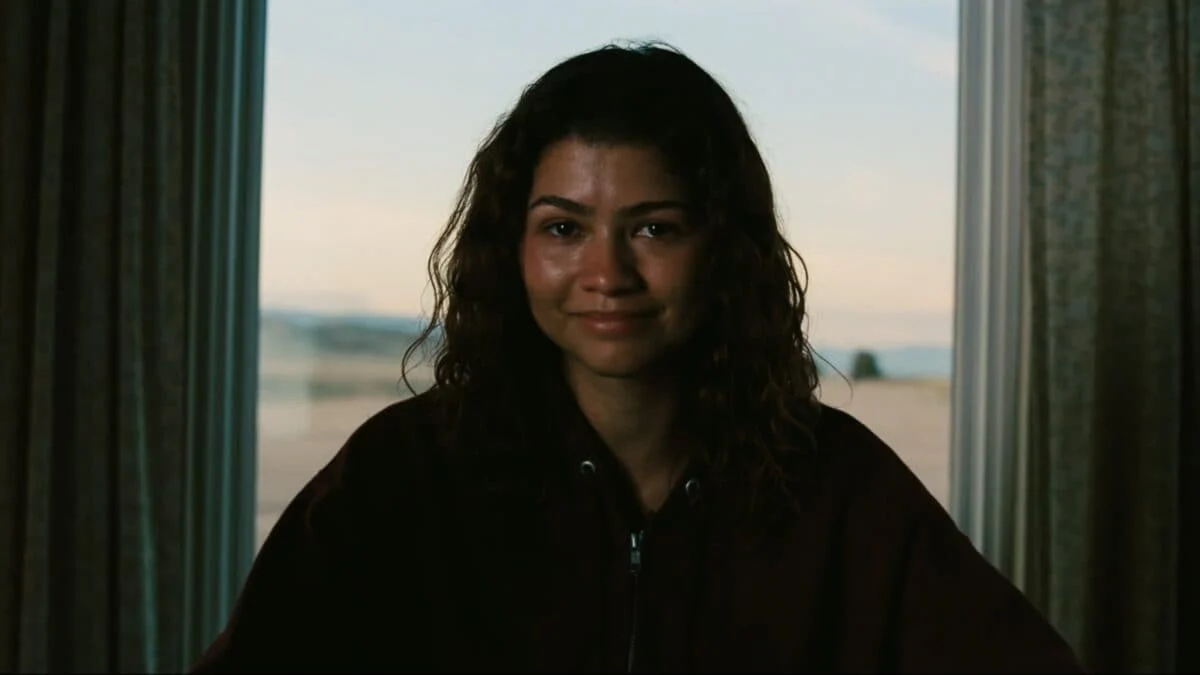
Mumbai, India – June 1, 2026 – After seven years of chronicling the raw, often devastating, adolescent lives of its characters, HBO’s critically acclaimed drama Euphoria has drawn to a close with its highly anticipated Season 3 finale. Episode 8, aptly titled "In God We Trust," delivered a potent, albeit polarizing, conclusion that has ignited fervent debate across social media platforms and amongst television critics alike. While lauded for its breathtaking cinematography and powerful performances, particularly from lead Zendaya, the series’ final chapter has left many viewers grappling with a sense of both profound emotional impact and lingering frustration.
The season finale, now available for streaming in India on JioHotstar, marks the culmination of a journey that catapulted its young cast, including Zendaya, Sydney Sweeney, Alexa Demie, and Jacob Elordi, into global superstardom. However, the path to this conclusion has been anything but smooth, with Euphoria‘s signature blend of visceral realism and stylistic flair proving to be a double-edged sword. As fans digest the final moments of Rue Bennett’s turbulent narrative and the fates of her fractured circle, the discourse surrounding the show’s ending reveals a deep schism: some hail it as a fittingly bleak yet artistically resonant farewell, while others lament unresolved plotlines and what they perceive as a narrative misstep.
A Season of Shifting Tides and Unforeseen Departures
Season 3 of Euphoria was a departure in many respects from its predecessors. The narrative shifted focus, often delving into the characters’ post-high school lives and the complex ripple effects of their past traumas. This temporal leap, while offering a glimpse into the characters’ attempts at forging futures, also presented new challenges for the writing team. The season was characterized by a more fragmented storytelling approach, with some storylines feeling more developed than others. This ambitious pivot, as evidenced by viewer reactions, ultimately contributed to the divisive nature of the finale.
The decision to explore the characters navigating adulthood, attempting to escape the shadows of their formative years, brought a fresh but challenging dynamic to the series. While the earlier seasons were praised for their unflinching portrayal of teenage struggles with addiction, mental health, and identity, Season 3 ventured into more mature territory. This expansion of the narrative universe, while intellectually stimulating, may have alienated some viewers who had grown accustomed to the more contained and intensely focused emotional landscapes of previous seasons. The shift in tone and scope has led to comparisons, with some suggesting that Season 3 felt more like the inception of a new narrative arc, rendering the first two seasons almost as preludes rather than foundational pillars of the same story.
The Emotional Crucible: Performances and Cinematography Shine
Despite the narrative criticisms, the artistic merits of the Euphoria Season 3 finale are undeniable. The episode was a masterclass in visual storytelling, with Sam Levinson’s distinctive directorial style once again at the forefront. The cinematography remained a consistent highlight, bathing the often-bleak realities of the characters in a dreamlike, yet simultaneously jarring, aesthetic. This visual richness provided a powerful backdrop to the raw emotional performances that anchored the finale.
Zendaya, as Rue Bennett, continued to deliver a tour-de-force performance, embodying the complex journey of addiction and recovery with a depth that has become her hallmark. Her portrayal in the finale, marked by moments of quiet reflection and intense emotional catharsis, resonated deeply with many. Supporting performances, including those from actors portraying the wider ensemble, were also commended for their ability to convey nuanced emotional states under immense pressure.
One particularly poignant aspect of the finale was the inclusion of footage of the late actor Angus Cloud, who tragically passed away in July 2022. Cloud’s portrayal of Fezco, a central figure in the series, was deeply cherished by fans. His posthumous appearance in the finale served as a touching, albeit heartbreaking, tribute, weaving his presence into the narrative in a way that acknowledged his indelible impact on the show and its audience. This inclusion, while met with admiration for its sensitivity, also underscored the profound sense of loss that permeates the Euphoria universe.
A Tribute to Angus Cloud: A Heartfelt and Lingering Farewell
The presence of Angus Cloud in the Euphoria Season 3 finale was a moment that transcended mere plot progression; it was a profound emotional anchor for both the characters within the story and the viewers watching at home. Cloud, who played the compassionate drug dealer Fezco, had become a beloved figure in the Euphoria ensemble. His untimely death left a significant void, not just in the lives of his castmates and crew but also in the hearts of the show’s dedicated fanbase.
Levinson and the Euphoria team made the sensitive decision to incorporate Cloud’s likeness and legacy into the finale. While the specifics of how this was achieved remain a subject of discussion and interpretation, the intention was clear: to honor his memory and ensure his contribution to the show was not forgotten. For many, this inclusion was a deeply moving experience, offering a sense of closure and a final, poignant farewell to a character and an actor who meant so much. The emotional weight of seeing him on screen one last time, even in a context that acknowledged his absence, undoubtedly amplified the impact of the finale’s more somber moments. It served as a stark reminder of the real-world tragedies that can intersect with the fictional narratives we hold dear, adding another layer of complexity to an already emotionally charged conclusion.
The Divisive Denouement: Unresolved Threads and Frustrated Fans
Despite the artistic strengths and emotional resonance, the Euphoria Season 3 finale has undeniably left a significant portion of its audience feeling dissatisfied. The term "frustrating" has been a recurring descriptor in online reviews, reflecting a widespread sentiment that the episode, while impactful, failed to provide adequate closure for many of its central characters and their storylines.
One of the most prominent criticisms centers on the perceived lack of resolution for Rue Bennett. After years of grappling with severe addiction, relapses, and near-fatal experiences, many viewers felt her ending was anticlimactic. A common sentiment expressed online is that Rue’s journey concluded with a mere voiceover and a vague assertion of her ongoing struggle, a resolution many deemed insufficient given the profound depth of her character arc and Zendaya’s dedicated performance. The expectation was for a more concrete sense of healing or a definitive turning point, and its absence has left many feeling shortchanged.
Beyond Rue, other character arcs also appear to have been left in a state of ambiguity. While some viewers found the open-ended nature of certain storylines to be a realistic reflection of life’s complexities, others interpreted it as a sign of underdeveloped plotting or a rushed conclusion. The feeling that "a lot of the ensemble felt meaningless in this finale" has been voiced by several critics, suggesting that the season’s ambitious scope may have ultimately led to a scattering of narrative focus, leaving crucial threads dangling.
The finale’s thematic exploration of faith, God, and hope, as mentioned in some reviews, further fueled the disappointment for those who felt that the ultimate outcome for the protagonist contradicted these themes. The idea of a character who has endured so much suffering ending her journey with a sense of ongoing struggle, rather than a clear path towards recovery or peace, has been perceived by some as a bleak and even nihilistic conclusion that negates the potential for growth and redemption.
Contrasting Perspectives: A Spectrum of Reactions
The online reaction to the Euphoria Season 3 finale paints a vivid picture of the show’s divisive impact. On one end of the spectrum, staunch defenders of the finale highlight its artistic integrity and its unflinching portrayal of reality. These viewers often praise the show for not shying away from the harsh truths of addiction and the messy, often unresolved nature of life. They argue that a neat, happy ending would have been a disservice to the show’s established tone and its commitment to realism.
One X (formerly Twitter) user, Andre Saint-Albin, encapsulated this perspective: "It has come to this… #Euphoria has ended after 7 years this journey has concluded. #EuphoriaFinale delivered a strong but divisive emotional send-off. The season felt more like the start of a new show (making the first two seasons feel almost like spin-offs in comparison) I think they stuck the landing well." This sentiment suggests an appreciation for the show’s evolution and its willingness to take risks, even if it meant diverging from established expectations.
Another user, who chose to remain anonymous, echoed this appreciation for the artistic risks taken: "This ending wasn’t perfect, but they at the very least gave some of their characters logic endings. They remained true to their nature given the context they were at by that time. Cassie, Maddy, Lexi, Jules and Rue. (Nate was lazy writing) imo. I give it a 7/10. #Euphoria." This nuanced view acknowledges imperfections while still finding merit in the character-driven conclusions.
However, a significant counter-narrative expresses profound disappointment. Max Dinenberg, for instance, tweeted: "#Euphoria ends on a frustrating note. It has some emotional moments and moving performances from Zendaya and Domingo. But this to me was an unsatisfying ending and a lot of the ensemble felt meaningless in this finale. This season had its moments but it truly was a mess." This critique highlights the perceived narrative weaknesses and the feeling of a scattered focus, a sentiment echoed by many who found the ensemble’s storylines underdeveloped or inconsequential in the grand finale.
The most critical responses often point to specific character arcs or thematic misinterpretations. One fan, expressing significant disillusionment, wrote: "Wow, how deep bro #euphoria was one giant fentanyl awareness ad they erased Jules character from the fucking show -nate jacobs became a hollow shell of the angry bi curious closeted villain – they used DEAD angus cloud to finish a storyline – oh and Rue Bennett she’s dead on ali’s couch the whole finale." This comment encapsulates a range of grievances, from perceived thematic oversimplification to specific character de-evolution and a fundamental misunderstanding of the show’s core elements.
Another review starkly stated: "The Euphoria finale was devastating and disappointing. All that talk about faith, god and hope, only to kill off your protagonist who suffered throughout her life. Sam Levinson, it’s time to put down the pen." This sentiment reflects a deep-seated frustration with what is perceived as a bleak and potentially nihilistic conclusion that undermines the show’s earlier thematic explorations. The feeling that Rue’s character, after years of struggle, received "ZERO resolution" is a recurring lament, underscoring the desire for a more definitive sense of closure for the show’s central figure.
Implications and the Legacy of Euphoria
The Euphoria Season 3 finale leaves behind a complex legacy. The show undeniably succeeded in sparking crucial conversations about mental health, addiction, and the pressures of adolescence in the digital age. Its groundbreaking visual style and its willingness to tackle taboo subjects have cemented its place in television history. However, the divisiveness of its conclusion raises questions about the sustainability of its ambitious narrative trajectory and the expectations of its devoted audience.
The show’s impact extends beyond its critical acclaim and cultural footprint. It has provided a platform for a new generation of actors, launched numerous careers, and influenced fashion and aesthetics within popular culture. The raw, unfiltered portrayal of its characters’ struggles, while often uncomfortable to watch, resonated with millions who saw their own experiences reflected on screen.
As the dust settles on the Euphoria finale, the show’s lasting influence will likely be debated for years to come. While the ending may have left some viewers wanting more, its ability to evoke such strong emotional responses and spark widespread discourse is a testament to its power. The show dared to explore the darker corners of the human experience, and in doing so, it left an indelible mark on the landscape of contemporary television, even if its final chapter proved to be as tumultuous and polarizing as the lives of its characters. The question that lingers is not whether Euphoria was successful, but rather, what lessons can be drawn from its audacious, and ultimately divisive, conclusion.