

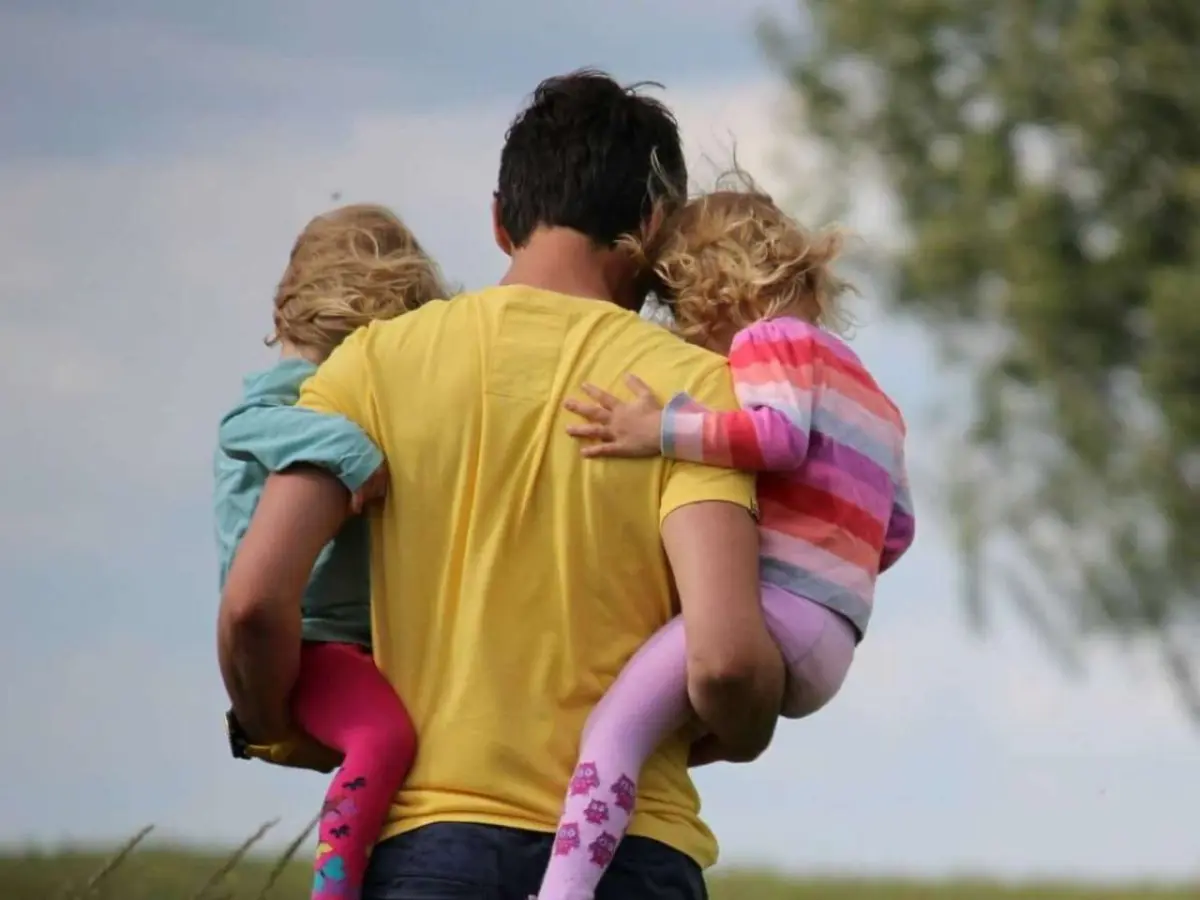
New Delhi, India – June 18, 2026 – As the calendar turns to June 21, 2026, the world prepares to celebrate Father’s Day, a cherished occasion dedicated to honoring the profound influence and invaluable contributions of fathers and father figures in our lives. This year, the observance falls on the third Sunday of June, a tradition that unites nations like India, the United States, Canada, and the United Kingdom in a collective expression of gratitude and recognition. Father’s Day transcends mere celebration; it is a vital acknowledgment of the unwavering love, selfless care, and significant sacrifices that fathers make in shaping families and guiding the younger generation.
The Enduring Significance of Paternal Bonds
Father’s Day serves as a potent reminder of the multifaceted role fathers play in a child’s holistic development. Beyond providing financial security, fathers are instrumental in fostering emotional resilience, shaping social interactions, and instilling a strong sense of moral and academic pursuit. Their presence, guidance, and often unique perspectives contribute immeasurably to a child’s ability to navigate the complexities of life. This day is not exclusively for biological fathers; it extends its embrace to grandfathers, stepfathers, uncles, mentors, and any paternal figure who offers support, wisdom, and unwavering encouragement. It is an opportunity for families to pause, reflect, and express their heartfelt appreciation for these guiding lights.
)
A Glimpse into the Genesis of Father’s Day
The origins of Father’s Day are rooted in the early 20th century United States, a testament to the desire to establish a counterpart to the already celebrated Mother’s Day. The most widely credited inspiration for the day is Sonora Smart Dodd, a woman who deeply admired her father, William Jackson Smart. A Civil War veteran, William Smart single-handedly raised his six children after the untimely death of his wife. Sonora’s profound respect and love for her father’s resilience and dedication fueled her vision of a day to honor him and all fathers who embody similar strength and devotion.

The inaugural Father’s Day celebration took place in Spokane, Washington, on June 19, 1910, chosen because it was the month of her father’s birthday. While the idea gained traction, it took several decades for Father’s Day to achieve widespread national recognition. Early efforts to establish it as a holiday faced various challenges and varying levels of public engagement. However, the persistent advocacy and growing sentiment eventually led to its official recognition. In 1972, President Richard Nixon signed a proclamation designating the third Sunday in June as Father’s Day, thus cementing its place as a national holiday in the United States. This historical trajectory highlights a grassroots movement that evolved into a nationally cherished observance.
)
The Global Embrace of Father’s Day
The observance of Father’s Day has transcended its American origins to become a globally recognized event. While the date remains consistent in many Western countries, other nations celebrate it on different days, reflecting diverse cultural and historical contexts. Regardless of the specific date, the underlying sentiment remains universal: to acknowledge and celebrate the paternal figures in our lives.
)
In India, Father’s Day is celebrated on the third Sunday of June, mirroring the practice in the US, Canada, and the UK. This adoption of the date signifies a global alignment in recognizing the importance of fathers. The day is observed with a variety of traditions, ranging from heartfelt gifts and cards to family gatherings and special outings. The emphasis is on creating meaningful moments and expressing gratitude for the unique bond shared between fathers and their children.
)
Understanding the Diverse Roles of Father Figures
The term "father figure" encompasses a broad spectrum of individuals who provide guidance, support, and a sense of security. This can include:
)
- Biological Fathers: The primary caregivers and providers, often the first role models for children.
- Grandfathers: Often repositories of wisdom, tradition, and unconditional love, offering a different but equally significant form of paternal support.
- Stepfathers: Who step into the paternal role with courage and dedication, building new family dynamics and offering love and guidance.
- Uncles and Older Brothers: Who can serve as mentors, confidantes, and sources of support, especially in situations where a father figure may be absent.
- Mentors and Teachers: Individuals in positions of authority or influence who guide and shape young minds, embodying paternal qualities of care and direction.
The broad definition of a father figure acknowledges that paternal love and guidance can come from many sources, and Father’s Day is an opportunity to celebrate all of them.
)
The Psychological and Social Impact of Fatherhood
The influence of a father extends deeply into a child’s psychological and social development. Research consistently highlights the positive correlation between active paternal involvement and improved outcomes for children across various domains:
)
- Emotional Development: Fathers often encourage independence, risk-taking, and emotional regulation. Their playful interactions can help children develop confidence and resilience.
- Cognitive and Academic Achievement: Involved fathers tend to promote higher academic achievement, better problem-solving skills, and a greater interest in learning.
- Social Skills and Behavior: Paternal guidance can contribute to the development of better social skills, reduced behavioral problems, and a stronger sense of empathy.
- Future Relationships: The relationship a child has with their father can significantly influence their future romantic relationships and their own parenting styles.
This profound impact underscores why Father’s Day is not just a symbolic gesture but a recognition of tangible and lasting contributions to a child’s life.
)
Celebrating Father’s Day: Traditions and Expressions of Gratitude
The ways in which Father’s Day is celebrated are as diverse as the fathers themselves. While material gifts are common, the true essence of the day lies in the expression of love and appreciation. Common traditions include:
)
- Gifts: Ranging from personalized items, gadgets, and clothing to experiences like sporting events or a relaxing spa day. The thought and personal touch behind the gift are often more valued than its monetary worth.
- Cards and Messages: Handwritten notes expressing love, gratitude, and appreciation are a timeless and deeply meaningful way to honor fathers.
- Family Gatherings: Sharing a meal, whether a home-cooked feast or a meal at a favorite restaurant, is a popular way for families to come together and celebrate.
- Acts of Service: Children often express their love by helping with chores, offering a back rub, or simply spending quality time with their fathers.
- Shared Activities: Engaging in activities that fathers enjoy, such as watching a sports game, going fishing, or working on a project together, creates lasting memories.
The common thread across all these traditions is the desire to make fathers feel loved, valued, and recognized for their indispensable role.
)
Looking Ahead: The Evolving Landscape of Fatherhood
As societal norms evolve, so too does the understanding and practice of fatherhood. There is a growing emphasis on involved and nurturing fatherhood, with men increasingly taking on active roles in childcare and domestic responsibilities. This shift is not only beneficial for children but also enriches the lives of fathers themselves, fostering deeper connections and a greater sense of fulfillment.
)
Father’s Day 2026 serves as an opportune moment to reflect on these evolving dynamics and to celebrate the modern father, who often navigates a complex balance of work, family, and personal aspirations. The day encourages a broader conversation about the importance of paternal involvement and the support systems needed to foster healthy and engaged fatherhood.
)
Conclusion
In 2026, Father’s Day, celebrated on June 21, offers a global platform to honor the men who shape our lives through their love, guidance, and sacrifices. From its historical roots to its contemporary expressions, the day remains a powerful testament to the enduring significance of paternal bonds. As families come together to express their gratitude, it is a reminder that the influence of a father extends far beyond a single day, shaping individuals and communities for generations to come. The tradition continues to evolve, embracing the diverse roles of father figures and celebrating the profound impact they have on our world.
