

New Delhi, India – July 28, 2026 – On the cusp of what he envisioned as a rigorous preparation for the coveted UPSC civil services examination, Satyam Dixit’s life took an unexpected yet profoundly impactful turn. The global upheaval of the COVID-19 pandemic, a period of immense disruption and introspection for millions, served as a powerful catalyst for this young Indian’s redirection. Instead of poring over textbooks for bureaucratic advancement, Dixit channeled his energies into the immediate needs of his community, laying the foundation for what would blossom into a formidable, citizen-led environmental initiative. Today, as the world observes World Nature Conservation Day, Zee Media’s "My Earth, My Duty" campaign shines a spotlight on Dixit’s remarkable journey, a testament to how individual determination can galvanize collective action and transform a personal commitment into a nationwide movement for ecological stewardship.
Dixit’s story is not one of privilege or inherited influence, but rather a narrative deeply rooted in resilience and the unwavering spirit of service. Raised in a household marked by financial constraints, he is the son of a dedicated pedal rickshaw puller who later transitioned to a role as a watchman. His upbringing in a rented abode instilled in him from a young age a profound understanding of hardship and the imperative of self-reliance. Even before completing his formal education, Dixit embraced the necessity of contributing to his family’s well-being, earning money by selling momos – a popular street food – during his school years. This entrepreneurial spirit, born out of necessity, continued into his college life, where he worked as a delivery executive to supplement his income, further solidifying his sense of responsibility and a deep-seated commitment to service. These formative experiences, steeped in the realities of everyday struggle, provided him with an invaluable perspective on the challenges faced by ordinary citizens and ignited a passion for making a tangible difference in their lives.
)
The Pandemic’s Pivot: A Call to Action
The unprecedented circumstances of the COVID-19 pandemic presented a critical juncture for Satyam Dixit. The planned trajectory of his life, focused on academic pursuits for the UPSC, was put on hold. Instead, the enforced pause and the visible impact of the pandemic on communities served as a potent wake-up call. Witnessing the vulnerability of many, and the urgent need for support and practical assistance, Dixit felt compelled to shift his focus. He began by actively engaging in local relief efforts, offering his time and energy to help those most affected by the lockdowns and economic downturn. This period of intense community engagement was instrumental in shaping his future path. It was during this time that the seeds of his environmental activism were sown. He observed firsthand the growing problem of waste accumulation in public spaces, exacerbated by reduced municipal services and a general disruption of daily life. The visible detritus of an overwhelmed society became a stark symbol of a larger, systemic issue that demanded his attention.

From Local Initiative to National Movement: The Genesis of "My Earth, My Duty"
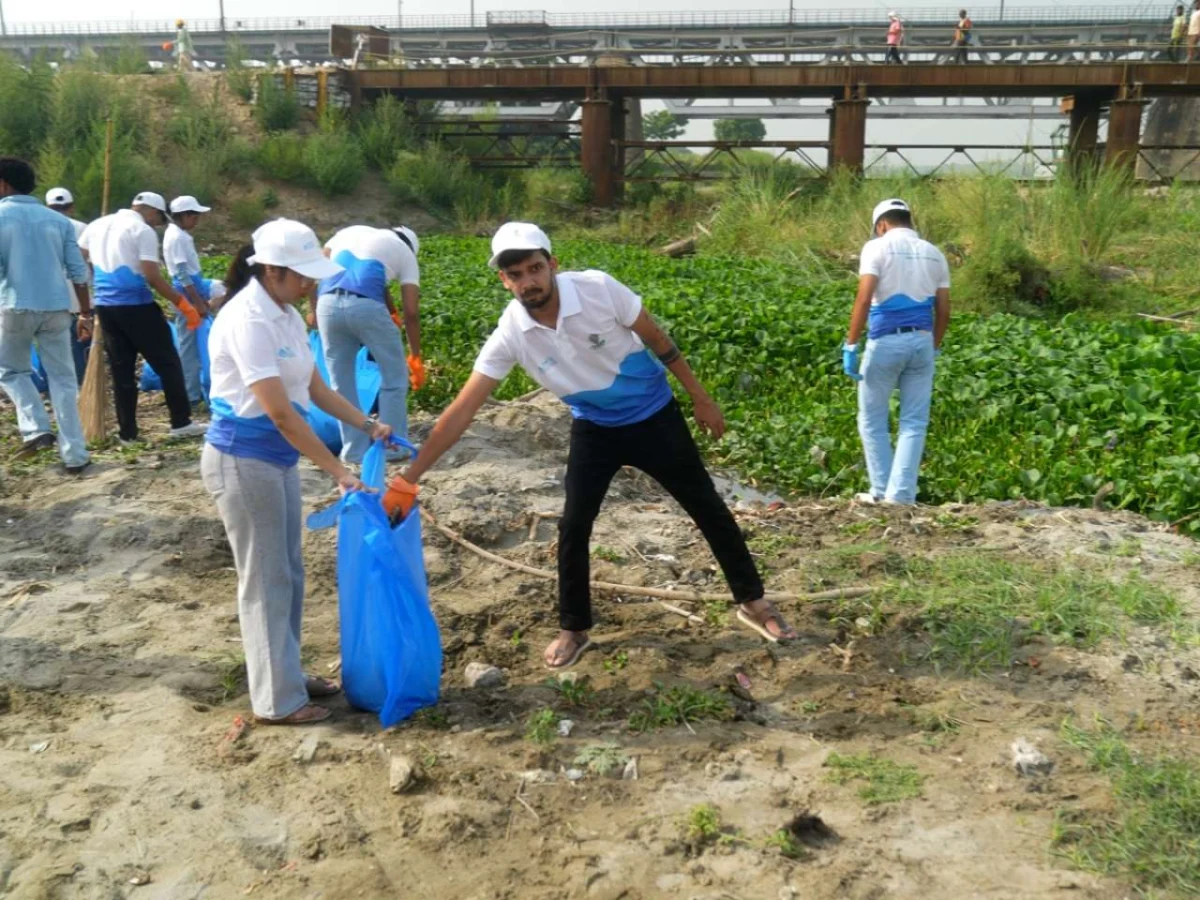
What began as a nascent idea, fueled by a desire to address the escalating waste crisis in his immediate surroundings, rapidly evolved into a structured and impactful environmental initiative. Satyam Dixit’s vision was clear: to empower citizens to take ownership of their environment. He started with a handful of like-minded volunteers, individuals who shared his concern and his determination. Their initial efforts were focused on the most visible problems: cleaning up local parks, riverbanks, and public thoroughfares that had become neglected. These early cleanup drives, though modest in scale, were characterized by an infectious enthusiasm and a growing sense of collective purpose.
)
The mantra, "My Earth, My Duty," emerged not just as a slogan, but as a guiding principle. It encapsulated the belief that environmental responsibility is not solely the purview of governments or large organizations, but a fundamental obligation of every individual. This philosophy resonated deeply within communities, fostering a sense of shared purpose and empowering ordinary citizens to become active participants in environmental solutions. The initiative’s approach was multifaceted, encompassing not only the physical act of cleaning but also the crucial elements of education and behavioral change.
)
Expanding Horizons: A Network of Change Across India
The success of the initial local endeavors and the compelling message of "My Earth, My Duty" began to attract wider attention. The movement’s decentralized and community-driven model proved highly scalable. Volunteers, inspired by Satyam Dixit’s leadership and the tangible results of their efforts, began replicating the initiative in their own cities and towns. This organic growth transformed a local project into a national phenomenon.
)
Today, the "My Earth, My Duty" initiative boasts a presence in over 200 cities across India. Regular cleanup drives are organized with unwavering regularity, mobilizing thousands of volunteers to tackle waste accumulation in diverse public spaces, from bustling urban centers to pristine riverbanks. The scale of their impact is significant. Large quantities of waste, including plastic, discarded religious offerings, and general refuse, are collected and responsibly managed. The initiative’s commitment extends beyond mere collection; it actively promotes recycling programs and educates communities on sustainable waste disposal practices, emphasizing the importance of reducing, reusing, and recycling.
)
Addressing the Root Causes: Beyond Cleanup Drives
Satyam Dixit and the "My Earth, My Duty" movement recognize that effective environmental action requires more than just periodic cleanups. A core tenet of their philosophy is the urgent need to foster a fundamental shift in public consciousness and behavior. Their awareness campaigns are designed to engage citizens directly, encouraging them to internalize the concept of environmental stewardship. Through community workshops, educational programs in schools, and public outreach initiatives, they strive to instill a sense of ownership and pride in the local environment. The aim is to cultivate a mindset where individuals see their surroundings not as a disposable entity, but as a shared resource that demands care and respect. This approach seeks to address the root causes of environmental degradation by fostering a culture of responsibility and proactive engagement.
)
Supporting Data and Impact Assessment
While specific quantitative data on the total waste collected and the number of participants might be dynamically updated and disseminated by the organization itself, the anecdotal evidence and the sheer scale of the movement’s reach speak volumes about its impact. The presence of "My Earth, My Duty" in over 200 cities signifies a significant grassroots mobilization. The consistent organization of cleanup drives implies a sustained effort that has likely prevented substantial amounts of waste from entering landfills and natural ecosystems.
)
The initiative’s focus on public awareness and behavioral change, though harder to quantify, is arguably its most profound contribution. By empowering citizens with knowledge and fostering a sense of collective responsibility, "My Earth, My Duty" is contributing to a long-term shift in societal attitudes towards environmental protection. This is crucial in a country like India, where rapid urbanization and economic development often place immense pressure on natural resources. The movement’s emphasis on recycling and sustainable practices also aligns with national and global efforts to combat plastic pollution and promote a circular economy.
)
Official Responses and Recognition
The growing influence and tangible impact of the "My Earth, My Duty" movement have not gone unnoticed by governmental bodies and environmental organizations. While specific policy integrations or direct government funding might be evolving, the spirit of the initiative aligns with national priorities such as the Swachh Bharat Abhiyan (Clean India Mission). Satyam Dixit has often been invited to participate in environmental forums and discussions, sharing his insights and experiences. The recognition by Zee Media through its "My Earth, My Duty" campaign itself serves as a significant endorsement, amplifying the movement’s message and reaching a wider audience. Such platforms are crucial for galvanizing further support and encouraging broader societal engagement. Local municipal bodies have, in many instances, collaborated with the initiative, providing logistical support for waste disposal and recognizing the invaluable contribution of these citizen volunteers.
)
Implications and the Future of Environmental Action
Satyam Dixit’s journey from a young man with academic aspirations to a national environmental leader offers profound implications for the future of environmental action. It underscores the power of individual initiative and the immense potential of citizen-led movements. In a country as diverse and vast as India, top-down approaches alone are often insufficient. Grassroots movements, driven by passion, commitment, and a deep understanding of local needs, are essential for creating sustainable change.
)
The "My Earth, My Duty" initiative demonstrates that environmentalism is not an abstract concept for policy makers but a tangible, everyday responsibility that can be embraced by everyone. By focusing on practical actions like cleanliness and waste management, the movement makes environmentalism accessible and relatable. Furthermore, its emphasis on community participation and behavioral change addresses the critical need for a cultural shift towards sustainability.
)
As the movement continues to grow, its implications extend beyond mere waste reduction. It fosters a sense of civic pride, strengthens community bonds, and empowers individuals to become active agents of change in their own lives and their surroundings. Satyam Dixit’s story is a powerful reminder that meaningful change often begins with ordinary people making an extraordinary choice to take responsibility for the world around them. The "My Earth, My Duty" campaign, by highlighting such inspiring narratives, aims to ignite a similar spark in countless others, fostering a collective commitment to a cleaner, greener, and more sustainable future for India and beyond. The future of environmental action, as exemplified by Satyam Dixit, lies in the hands of empowered citizens, united by a shared sense of duty towards our planet.
