

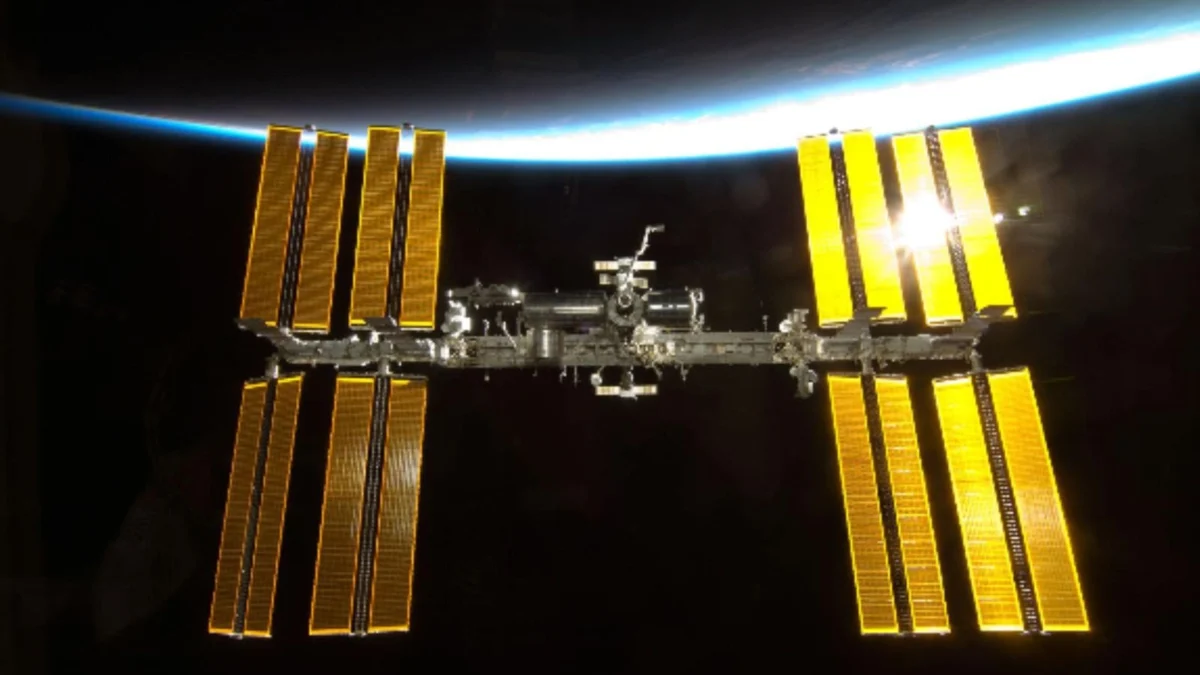
LOW EARTH ORBIT – In a stark reminder of the escalating challenges facing the world’s most complex orbital laboratory, NASA and Roscosmos were thrust into a high-stakes emergency protocol on Friday, June 5, 2026. The incident, triggered by a persistent and worsening air leak in the Russian segment of the International Space Station (ISS), forced a majority of the crew to seek refuge in a docked "lifeboat" spacecraft, highlighting the fragile state of an outpost that has been home to humanity for over a quarter-century.
The emergency directive, which saw five astronauts and cosmonauts hunker down inside a SpaceX Crew Dragon capsule, was the result of a calculated risk assessment regarding a proposed repair to the station’s structural framework. While the immediate threat has since been downgraded and normal operations resumed, the event has reignited a global conversation about the structural longevity of the ISS and the safety of the men and women living 250 miles above the Earth’s surface.
I. Main Facts: A Precautionary Evacuation in Zero-G
On the afternoon of June 5, NASA flight controllers in Houston, in coordination with their counterparts in Moscow, issued a "shelter-in-place" order for the ISS crew. The decision was prompted by a planned maintenance activity on the Russian Zvezda service module. Russian engineers had proposed cutting a structural bracket within the PrK transfer tunnel to gain better access to a known leak site.
NASA’s engineering teams raised significant concerns that the act of cutting the bracket could compromise the structural integrity of the module or lead to a catastrophic pressure failure. As a safety measure, NASA instructed the following crew members to board the docked SpaceX Crew Dragon spacecraft:
- Jessica Meir (NASA)
- Jack Hathaway (NASA)
- Chris Williams (NASA)
- Sophie Adenot (ESA – European Space Agency)
- Andrey Fedyaev (Roscosmos)
Two Russian cosmonauts remained in the Russian segment to monitor the station’s systems and evaluate the repair site. The shelter-in-place order lasted several hours, during which the Crew Dragon remained powered on and ready for an emergency undocking—a procedure intended to save the crew in the event of a rapid depressurization of the ISS.
The crisis was averted when Roscosmos officials decided to pause the repair operation. The Russian space agency determined that more data was required to ensure the bracket removal would not cause further damage. Following this pause, the crew was permitted to exit the capsule and return to the station’s main habitability zones.
II. Chronology: Seven Years of Orbital Attrition
The events of June 5, 2026, did not occur in a vacuum. They are the latest chapter in a long-running saga involving the degradation of the Russian Zvezda module. To understand the gravity of Friday’s events, one must look back at the timeline of the leak:
- September 2019: NASA and Roscosmos first detect a higher-than-normal air discharge rate from the station. The leak is eventually traced to the PrK transfer tunnel, which connects the Zvezda module to a docking port.
- October 2020: Using tea leaves and specialized sensors, cosmonauts identify a small crack in the PrK. Temporary patches using Kapton tape and specialized sealants are applied, but the air loss continues at a fluctuating rate.
- 2021–2024: Multiple attempts are made to seal the "micro-fractures." While the leak rate is managed, it is never fully eliminated. Both agencies begin a "close-hatch" policy, keeping the PrK tunnel sealed off from the rest of the station except during essential operations.
- Early 2025: Technical reports suggest that the number of cracks in the PrK tunnel is increasing, likely due to metal fatigue and the cumulative stress of over 20 years of thermal cycles and orbital maneuvers.
- June 5, 2026 (09:00 IST): Roscosmos specialists finalize a plan to cut a structural bracket to access a hidden leak behind a piece of hardware.
- June 5, 2026 (13:30 IST): NASA safety boards express concern that the repair could cause "uncontrolled crack propagation."
- June 5, 2026 (15:16 IST): The shelter-in-place order is officially issued.
- June 5, 2026 (Late Evening): Roscosmos halts the operation; NASA confirms the crew is safe and resumes normal operations.
III. Supporting Data: The Physics of a Leaking Laboratory
The International Space Station maintains an internal pressure of approximately 14.7 psi (pounds per square inch), mimicking Earth’s sea-level atmosphere. Even a pinhole leak in the vacuum of space can be dangerous over time.
The PrK Transfer Tunnel
The PrK is a small, cylindrical section of the Zvezda module. It serves as a vestibule between the main living quarters and the aft docking port where Progress resupply ships and Soyuz capsules often dock. Because this area is subject to the mechanical stresses of docking and undocking spacecraft, it is particularly susceptible to "stress corrosion cracking."
Structural Risk Analysis
The specific repair that triggered the June 5 emergency involved a bracket that supports internal hardware. NASA’s concern was rooted in the theory of fracture mechanics. In a pressurized environment, cutting into a structural component that is already under stress can lead to "zipper effects," where existing micro-cracks expand instantly, leading to a "hull breach."
Air Loss Metrics
While NASA and Roscosmos have historically downplayed the immediate danger, internal reports suggest the station has been losing between 2 to 4 pounds of air per day during peak leak periods. While the station carries ample nitrogen and oxygen tanks to replenish this loss, the trend line indicates a progressive weakening of the Russian segment’s hull.
IV. Official Responses: A Delicate Diplomatic Balance
Despite the tension of the day, official statements from both agencies emphasized cooperation and the "abundance of caution" standard that governs life in orbit.
Bethany Stevens, NASA Spokesperson:
In a series of updates posted to social media and shared with the press, Stevens clarified the rationale behind the shelter order. "The safety of our crew is the top priority. While the leak in the PrK tunnel is a known issue that Roscosmos has worked to mitigate for years, the proposed repair today introduced variables that required a precautionary posture. We continue to work with our Russian counterparts and the international community to arrive at a permanent resolution."
Roscosmos Statement:
The Russian space agency released a statement via the TASS news agency, noting: "The Russian segment of the ISS remains under the full control of our specialists. The decision to postpone the repair work was made to conduct additional modeling of the stresses on the Zvezda hull. There was no threat to the station’s continued operation."
Industry analysts note that the language used by both agencies remains carefully neutral. However, the recurring nature of these "safe-haven" events suggests a growing divergence in how the two agencies perceive risk as the station ages.
V. Implications: The Sunset of the ISS Era
The June 5 incident is a harbinger of the difficult years ahead for the International Space Station. As the facility approaches its 30th year of continuous habitation, the implications of these technical failures are profound.
1. The 2030 Decommissioning
NASA has officially committed to operating the ISS until 2030, after which it plans to deorbit the station into the Pacific Ocean. Incidents like the Zvezda leak raise the question of whether the hardware can reliably last another four years. If the Russian segment suffers a major failure, the entire station could become untenable, as Zvezda provides critical propulsion and life-support functions.
2. The Shift to Commercial Space
The "shelter-in-place" order also highlights the vital role of the private sector. The use of the SpaceX Crew Dragon as a "safe haven" demonstrates how NASA is now reliant on commercial partners to provide emergency egress. This transition is expected to culminate in the late 2020s with the launch of private space stations from companies like Axiom Space and Blue Origin, which will eventually replace the ISS.
3. Geopolitical Fragility
Space has long been the "final frontier" of diplomacy, where U.S. and Russian relations remained stable even when terrestrial politics soured. However, the aging infrastructure of the Russian segment puts a strain on this partnership. Russia has frequently hinted at leaving the ISS to build its own station (ROSS), and the ongoing technical issues in the Zvezda module may accelerate their departure, leaving NASA to manage the station’s end-of-life solo.
4. The Human Element
For the astronauts aboard, such as Jessica Meir and Sophie Adenot, these emergencies are a part of the "calculated risk" of spaceflight. However, the psychological toll of living in a structure with known, recurring leaks cannot be ignored. The June 5 event underscores the bravery required to inhabit a laboratory that is essentially a pressurized vessel surrounded by a lethal vacuum, held together by aging metal and international treaties.
Conclusion
As the ISS orbits Earth every 90 minutes, it remains a testament to human ingenuity. Yet, the June 5 "shelter-in-place" order serves as a sobering reminder that nothing lasts forever—especially in the harsh environment of space. The coming months will be critical as engineers from Houston and Moscow attempt to find a permanent fix for the PrK tunnel, knowing that the clock is ticking toward the station’s final descent in 2030. For now, the crew has returned to their science experiments, but the hatch to the PrK remains firmly shut, a silent witness to the station’s inevitable aging.
