

ROORKEE – For centuries, the Indian monsoon has been celebrated as a life-giving force, essential for the nation’s agriculture and a much-needed respite from the sweltering summer heat. However, a groundbreaking new study reveals a darker side to these seasonal deluges. In India’s rapidly growing urban centers, heavy rainfall is no longer just a source of water; it has become a primary driver of a "silent pandemic."
Research conducted by a consortium of scientists from the Indian Institute of Technology (IIT) Roorkee, Technische Universität Dresden in Germany, and the Indian Institute of Technology (IIT-BHU) Varanasi, has uncovered a terrifying correlation between monsoon runoff and the explosion of antimicrobial resistance (AMR) in urban waterways. The study, centered on the rivers of Dehradun, found that seasonal rains trigger a massive surge in antibiotic resistance genes (ARGs), turning city rivers into high-octane breeding grounds for "superbugs."
Main Facts: The 1,000-Fold Increase in Resistance
The core findings of the study present a sobering reality for public health officials. During the peak of the monsoon, the relative abundance of genes that allow bacteria to withstand common antibiotics increased by up to one thousand times compared to the dry summer months.
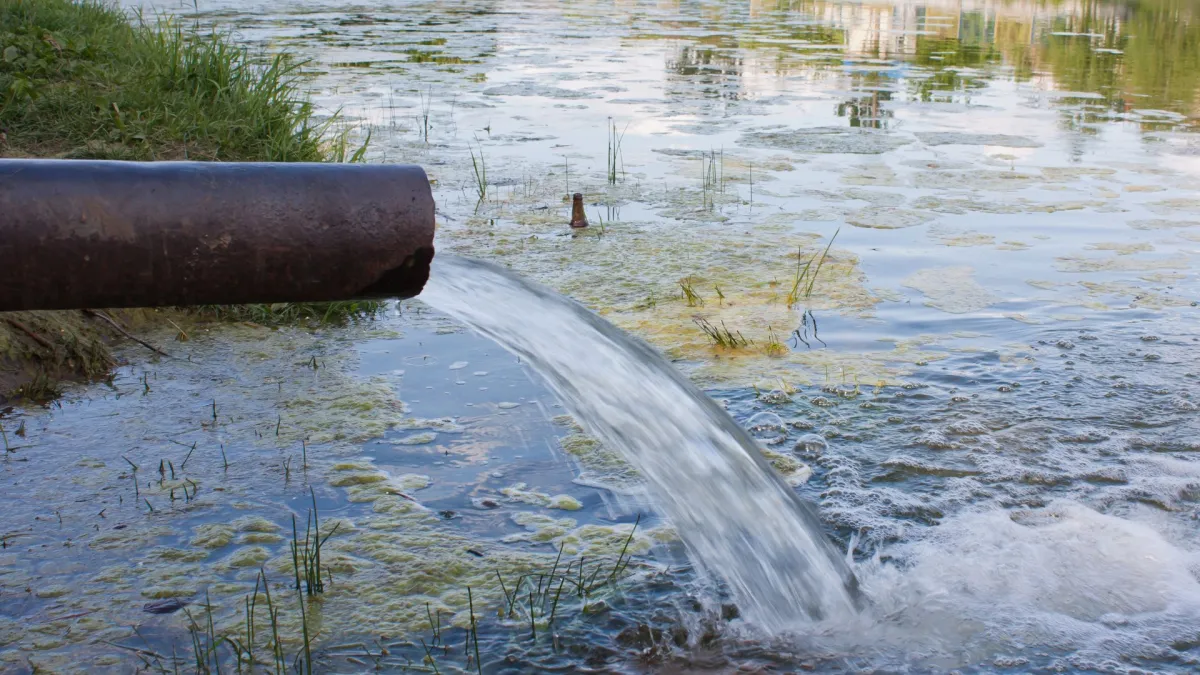
This phenomenon is not merely a result of increased water volume but is specifically linked to the "mobilization" of untreated waste. As heavy rains lash urban environments, they act as a high-pressure flush for the city’s underbelly. This runoff carries vast quantities of human and animal fecal matter from overflowing sewers, informal settlements, and illegal waste dumps directly into the river systems.
Antimicrobial Resistance (AMR) occurs when microorganisms—bacteria, fungi, viruses, and parasites—evolve to survive the drugs designed to kill them. The World Health Organization (WHO) has categorized AMR as one of the top ten global public health threats facing humanity. When rivers become saturated with ARGs, they serve as a genetic library from which harmless bacteria can "borrow" resistance, transforming into life-threatening superbugs that render standard medical treatments useless.

Chronology: Tracking the Genetic Surge
The research team focused their efforts on two primary urban arteries in Dehradun, Uttarakhand: the Bindal and Rispana rivers. These rivers are characteristic of many Indian urban waterways—heavily encroached upon, seasonal in nature, and burdened by the waste of a growing population.
Phase 1: Pre-Monsoon Baseline (Summer 2019)
The study began in the dry summer months of 2019. During this period, river levels were low, and the concentration of pollutants was relatively stable. While antibiotic resistance was present, it was largely confined to specific "hotspots" near known sewage discharge points.
Phase 2: The Monsoon Deluge
As the rains arrived, the researchers observed a radical shift. Contrary to the common assumption that more water would dilute pollutants, the sheer force of the runoff overwhelmed the river systems. Sampling during this period revealed the staggering 1,000-fold increase in ARGs. The influx of fecal matter was so intense that it redefined the chemical and biological makeup of the water within days.
Phase 3: Post-Monsoon Stabilization (Winter 2019)
Following the rains, the team continued to monitor the rivers into the winter. While the levels of resistance genes in the flowing water began to subside, a more permanent threat was discovered lurking beneath the surface. The riverbed sediments had trapped the ARGs, acting as a long-term reservoir that could potentially re-contaminate the water during future turbulence.
Supporting Data: The Molecular Fingerprint of Pollution
To reach these conclusions, the researchers employed advanced molecular techniques, specifically quantitative Polymerase Chain Reaction (qPCR). This allowed them to identify and quantify specific genetic markers associated with human-driven pollution and antibiotic resistance.

The Genetic Targets
The study focused on three critical classes of antibiotics that are widely used in both human medicine and veterinary practice:
- Sulfonamides: Often used to treat urinary tract infections and bronchitis.
- Macrolides: Common treatments for respiratory and soft tissue infections.
- Tetracyclines: Broad-spectrum antibiotics used for a variety of bacterial infections.
The team also tracked the intI1 gene, a "mobile genetic element" that is a globally recognized indicator of anthropogenic (human-caused) pollution. The presence of intI1 is particularly concerning because it facilitates the horizontal transfer of resistance genes between different species of bacteria.
Fecal Contamination as the Primary Driver
A key data point in the study was the tracking of E. coli. The researchers found a near-perfect correlation between E. coli concentrations and the surge in ARGs. This confirmed that the resistance was not coming from industrial chemicals or heavy metals—though those were present—but specifically from untreated human and animal waste.
Furthermore, the study debunked the myth that Sewage Treatment Plants (STPs) are the sole culprits. While STPs do discharge effluent, the researchers found no significant spike in ARGs immediately downstream of these plants during the monsoon. Instead, the "nonpoint-source pollution"—the hundreds of unmanaged leaks, overflowing pit latrines, and washed-away trash piles across the city—was the overwhelming contributor to the superbug surge.
Compounding Threats: The National River Linking Project
While the IIT Roorkee study focused on urban runoff, its implications are heightened by other large-scale hydrological interventions in India. The National River Linking Project (NRLP), which aims to connect previously isolated river basins through a massive network of canals, could inadvertently act as a "superhighway" for these resistant genes.

Ecologists warn that connecting basins like the Ken and Betwa, or the Godavari and Krishna, could facilitate the transfer of invasive species and pathogens across the subcontinent. If one river basin becomes a hotspot for monsoon-driven ARGs, the linking canals could transport these superbugs to distant, previously "clean" ecosystems, threatening India’s unique aquatic biodiversity and spreading antibiotic resistance to rural areas that lack the healthcare infrastructure to manage such outbreaks.
Official Responses and the Global Context
The findings have sent ripples through the scientific and policy communities. AMR is often referred to as a "silent pandemic" because its effects are cumulative and often go unnoticed until a patient fails to respond to treatment.
The World Health Organization has repeatedly warned that without urgent action, we are heading toward a "post-antibiotic era" where common infections and minor injuries can once again kill. In India, where the burden of infectious disease is high and the regulation of antibiotic use is often lax, the threat is particularly acute.
While official government responses to this specific study are still being formulated, the Ministry of Jal Shakti and the National Centre for Disease Control (NCDC) have previously acknowledged the need for "One Health" approaches that link environmental health with human and animal health. However, this study suggests that current efforts focusing solely on industrial effluent and hospital waste may be missing the largest piece of the puzzle: urban infrastructure failure during weather events.
Implications: A Call for Source Control
The implications of this research are clear: India’s strategy for combating AMR must move beyond the pharmacy and the hospital ward and into the streets and sewers.

1. Infrastructure Overhaul
The study highlights that the "mobilization" of waste is the primary driver of resistance. This necessitates a radical improvement in urban sewage systems. "Source control"—preventing waste from entering the environment in the first place—is more effective than trying to treat contaminated river water. This includes sealing open drains, improving solid waste management to prevent riverbank dumping, and ensuring that informal settlements are integrated into the city’s sanitation grid.
2. Monitoring and Early Warning
The use of qPCR to track ARGs provides a roadmap for a national monitoring system. By identifying "hotspots" of resistance during the monsoon, health officials can issue warnings to communities that rely on river water for irrigation, washing, or domestic use.
3. Rethinking Dilution
For decades, the "solution to pollution is dilution" mantra has governed waste management. This study proves that in the context of AMR, this logic is dangerously flawed. The monsoon does not dilute the danger; it concentrates and redistributes it.
Conclusion: Protecting the Future of Medicine
As the Bindal and Rispana rivers flow through Dehradun, they carry more than just silt and water; they carry a genetic blueprint for a future where our most potent medicines no longer work. The IIT Roorkee study serves as a stark reminder that the environment is a critical pillar in the fight against superbugs.
If India is to protect its citizens from the burgeoning threat of AMR, it must treat its urban rivers not as waste disposal conduits, but as vital ecological systems. Reducing the flow of untreated waste into these waterways is no longer just an environmental goal—it is a national security imperative. The antibiotics we rely on today are a finite resource, and unless we manage our urban runoff, we may find ourselves defenseless against the very diseases we once thought we had conquered.
