

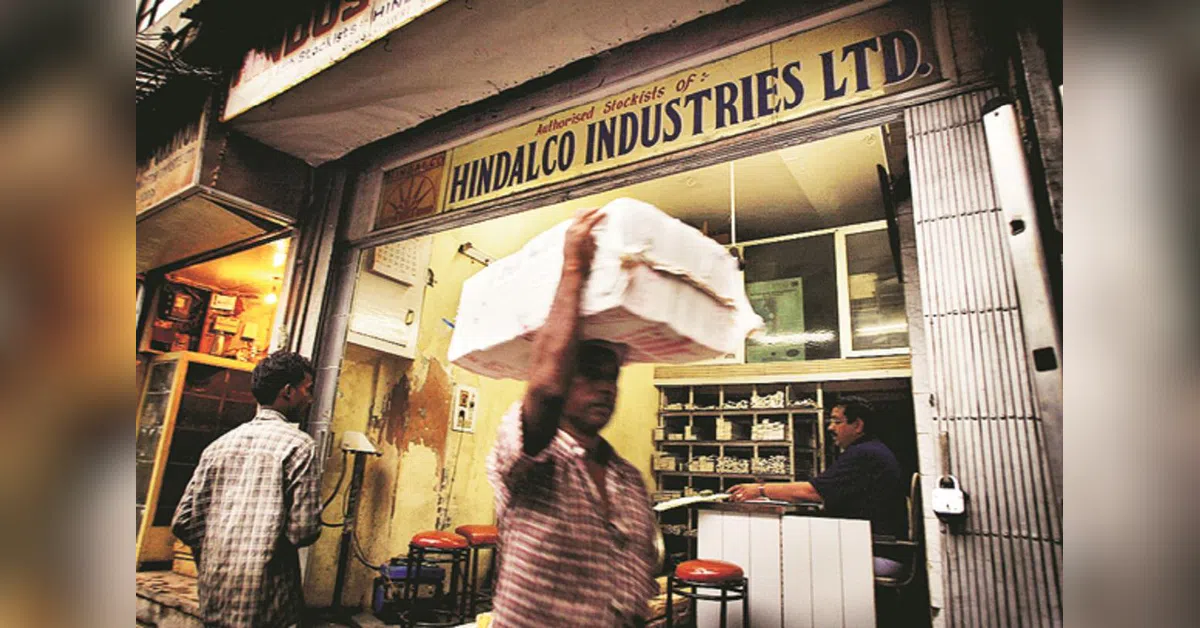
Mumbai, India – May XX, 2024 – Hindalco Industries, a global metals powerhouse and one of India’s largest producers of aluminium and copper, has laid out an optimistic financial trajectory for its global operations, particularly for its North American subsidiary, Novelis Inc. A senior executive confirmed on Monday that Novelis is projected to achieve earnings of approximately $500 per tonne by fiscal year 2027, signalling a strong recovery from recent operational setbacks. Domestically, Hindalco anticipates robust demand across its Indian aluminium and copper businesses, underpinned by strategic expansions and an increasing focus on high-value products.
The company’s managing director, Satish Pai, conveyed a clear message of resilience and strategic foresight during an earnings call with media, stating definitively that "for Novelis the worst is over." This declaration comes as the company navigates the dual challenges of global geopolitical instability impacting input costs and localized disruptions at its key international assets.
Main Facts: A Dual Growth Engine Strategy
Hindalco’s latest pronouncements highlight a meticulously planned dual growth strategy, leveraging its global leadership through Novelis while simultaneously fortifying its domestic market dominance.
Novelis’s Rebound and Future Outlook:
The most significant revelation concerns Novelis, the world’s largest producer of aluminium rolled products and the leading recycler of aluminium. After a period marked by operational challenges, Novelis is now on a clear path to recovery, with an ambitious target of $500 per tonne in adjusted EBITDA by fiscal year 2027. This projection signifies a substantial improvement from the $462 per tonne reported for fiscal year 2026, which was notably impacted by a fire incident. The confidence expressed by Hindalco’s leadership underscores the strategic importance of Novelis, which contributes approximately 60 percent of the parent company’s consolidated revenue. The ability to retain key automotive customers like Ford, despite recent disruptions, further solidifies Novelis’s market position and future revenue streams.
Robust Domestic Demand in India:
Concurrently, Hindalco is capitalizing on India’s burgeoning economic growth and infrastructure development. The company foresees high double-digit growth in its domestic aluminium downstream business in the current fiscal year. This growth is primarily driven by the ramp-up of its new rolling facility, Aditya FRP, and a strategic pivot towards higher-value products. The focus on components for Electric Vehicles (EVs) and specialized construction materials reflects a forward-looking approach, aligning with India’s industrial evolution and sustainability goals.
In its copper segment, Hindalco anticipates resilient earnings, projecting a quarterly EBITDA between ₹600 crore and ₹700 crore. This stability is expected despite global headwinds such as weak treatment and refining charges (TCRCs), largely supported by robust demand for downstream copper products and the value derived from precious metal by-products of its refining process. This comprehensive outlook paints a picture of a company adept at navigating both international complexities and domestic opportunities.
Chronology: Navigating Novelis’s Operational Hurdles and Recovery Path
The journey to Novelis’s anticipated $500 per tonne EBITDA by FY27 has been marked by significant operational challenges, most notably the fire incident at its Oswego, New York plant. Understanding the sequence of these events and their implications is crucial to appreciating the company’s current recovery trajectory.
Pre-Incident Landscape: Novelis’s Global Dominance
Before the disruption, Novelis had firmly established itself as a global leader in flat-rolled aluminium products, serving diverse high-growth sectors including automotive, beverage cans, and specialty products. Its extensive network of facilities across North America, Europe, Asia, and South America positioned it as a critical supplier for major global brands. The Oswego plant, in particular, is a cornerstone of Novelis’s North American operations, renowned for its advanced capabilities in producing high-quality aluminium sheets for the automotive industry, where lightweighting is a paramount concern for fuel efficiency and emission reduction. Its strategic location in New York facilitates efficient supply chain logistics to major automotive manufacturers across the continent.
The Oswego Fire Incident: A Significant Setback
In fiscal year 2026, the Oswego plant experienced fire-related disruptions that significantly impacted its production capabilities. While specific details of the fire’s cause and extent were not extensively publicized, the operational interruption was substantial enough to directly affect Novelis’s earnings. Such incidents in large-scale manufacturing facilities typically lead to a cascade of problems, including temporary plant shutdowns, damage to machinery, inventory loss, and delays in fulfilling customer orders. For a company like Novelis, which operates on tight production schedules and long-term supply contracts, such an event can have immediate and far-reaching financial repercussions.
Financial Impact and One-Time Charges:
The direct financial fallout from the Oswego incident materialized in the fourth quarter of fiscal year 2026. Hindalco reported a substantial one-time charge of ₹4,171 crore (approximately $437.59 million) attributable to these disruptions. This charge likely encompassed a range of expenses, including:
- Repair and Reconstruction Costs: Significant investments required to repair damaged infrastructure and machinery.
- Lost Production and Revenue: The value of products that could not be manufactured and sold during the downtime.
- Increased Operational Costs: Potential costs associated with expediting repairs, temporary relocation of production, or sourcing materials from alternative, potentially more expensive, suppliers.
- Inventory Adjustments: Write-downs or revaluation of damaged inventory.
- Insurance Deductibles and Uncovered Losses: Any costs not fully reimbursed by insurance.
This substantial charge naturally exerted downward pressure on Novelis’s profitability, contributing to an adjusted EBITDA of $462 per tonne for fiscal year 2026, a figure that Hindalco now aims to significantly surpass.
The Road to Recovery: "The Worst Is Over"
Satish Pai’s confident assertion that "the worst is over" for Novelis indicates that the company has successfully navigated the immediate aftermath of the Oswego incident. This implies that:
- Repairs are complete or nearing completion: Production capabilities are being restored, allowing for a return to optimal operational levels.
- Supply chain disruptions are managed: Alternative arrangements or restored internal production have mitigated risks to customer supply.
- Operational efficiencies are being re-established: The company is focusing on streamlining processes to maximize output and reduce costs.
The target of $500 per tonne by FY27 suggests a combination of factors driving this recovery. Beyond merely restoring production, Novelis is likely implementing further efficiency improvements, optimizing its product mix towards higher-margin offerings, and benefiting from robust demand in its core markets, particularly the automotive sector’s ongoing shift towards lightweight materials. The company’s strong relationships with key customers like Ford are paramount, as long-term contracts provide revenue stability and confidence in future demand. Maintaining trust and reliability with such significant clients is a testament to Novelis’s operational and customer service capabilities, even in the face of adversity.
Supporting Data: Dissecting Hindalco’s Financial Projections and Market Dynamics
Hindalco’s financial outlook is underpinned by specific data points and market trends that highlight its strategic positioning and operational strengths across both its global and domestic businesses.
Novelis’s Financial Trajectory:
The journey from an adjusted EBITDA of $462 per tonne in fiscal year 2026 to a target of $500 per tonne by fiscal year 2027 represents a targeted 8.2% increase in per-tonne profitability. This upward trajectory for Novelis, which accounts for approximately 60% of Hindalco’s total revenue, is crucial for the parent company’s overall financial health. The previous $4,171 crore ($437.59 million) one-time charge in Q4 FY26 underscores the magnitude of the impact from the Oswego plant disruptions. As this one-time expense is absorbed and production normalizes, the underlying profitability of Novelis is expected to shine through. The global demand for flat-rolled aluminium products, especially in sustainable packaging and electric vehicles, provides a strong tailwind for Novelis’s recovery and growth. Its leadership in aluminium recycling also positions it favorably in an increasingly environmentally conscious market, offering cost advantages and reducing carbon footprint.
Domestic Aluminium Downstream Growth:
In India, Hindalco projects "high double-digit growth" in its domestic aluminium downstream business. This ambitious forecast is supported by tangible investments and strategic diversification:
- Aditya FRP (Flat Rolled Products) Facility: This new rolling facility is central to Hindalco’s downstream expansion. It is designed to produce advanced aluminium sheets and plates, catering to a wide array of industries. The ramp-up of this facility implies increasing production volumes and market penetration for Hindalco’s value-added aluminium products.
- High-Value Product Expansion: The focus on EV components and construction materials signifies a pivot towards segments with higher growth potential and better margins.
- EV Components: The global automotive industry, including India, is rapidly transitioning to electric vehicles. Lightweight aluminium components are critical for enhancing battery range, improving energy efficiency, and reducing overall vehicle weight. Hindalco’s entry into this segment positions it to capture a significant share of this burgeoning market.
- Construction Materials: India’s infrastructure development push, including smart cities, affordable housing, and industrial corridors, creates immense demand for advanced, durable, and sustainable construction materials. Aluminium, with its properties of strength, corrosion resistance, and recyclability, is increasingly preferred over traditional materials.
Copper Business Resilience:
Hindalco’s copper business in India is expected to maintain robust performance, with a forecast of ₹600 crore to ₹700 crore in quarterly EBITDA. This stability is particularly noteworthy given the "weak treatment and refining charges" (TCRCs) prevalent in the global copper market. TCRCs are the fees smelters charge miners to convert copper concentrate into refined copper. Lower TCRCs typically squeeze smelters’ margins. Hindalco’s ability to sustain strong EBITDA in this environment is attributed to:
- Downstream Products: The company’s diversified portfolio of copper downstream products, such as rods, wires, tubes, and strips, adds significant value. These products cater to critical sectors like electrical, construction, and industrial manufacturing, where demand remains strong. The value addition in these products helps offset the pressure from lower TCRCs in the primary smelting operations.
- Precious Metals By-products: Copper refining processes often yield valuable by-products, including gold, silver, and other rare metals. The sale of these precious metals contributes significantly to the overall profitability of the copper segment, acting as a natural hedge against fluctuations in primary copper margins.
Impact of Firmer Metal Prices and Seasonal Demand:
Hindalco has also benefited from "firmer metal prices and strong seasonal demand." Global commodity markets, including aluminium and copper, have seen price increases driven by factors such as supply chain constraints, economic recovery in key regions, and investment demand. Seasonal demand, particularly from the construction and automotive sectors, often peaks at certain times of the year, providing additional impetus to sales volumes and pricing power. These favorable market conditions, combined with Hindalco’s operational efficiency, have contributed positively to its overall financial performance.
Official Responses: Satish Pai’s Strategic Insights and Confidence
Managing Director Satish Pai’s statements during the earnings call offer invaluable insights into Hindalco’s strategic thinking, its confidence in overcoming challenges, and its vision for future growth. His direct quotes and elaborations paint a picture of a company actively steering its course amidst dynamic global and domestic landscapes.
Confidence in Novelis’s Recovery:
Pai’s assertion, "…for Novelis the worst is over," is a powerful declaration that resonates with investors and stakeholders. It suggests that the immediate, severe impacts of the Oswego plant fire have been contained and that the company has a clear plan for operational normalization and future growth. This statement is not merely an expression of hope but is likely backed by tangible progress in plant repairs, production ramp-up, and supply chain stabilization. The target of $500 per tonne EBITDA by FY27 for Novelis, following a challenging FY26 at $462 per tonne, reflects a strategic roadmap that includes:
- Operational Excellence: Focus on optimizing production processes, enhancing efficiency, and reducing costs across all Novelis facilities.
- Product Mix Optimization: Shifting towards higher-margin, specialized aluminium products, particularly for the automotive and aerospace industries where demand for lightweight, high-strength materials is premium.
- Market Growth: Capitalizing on the growing demand for sustainable aluminium solutions, especially in beverage cans and electric vehicle applications.
Pai’s confidence in "retaining customers like automaker Ford" further highlights Novelis’s strong customer relationships and its ability to maintain supply reliability even after disruptions. In the automotive sector, long-term contracts and a consistent supply of quality materials are paramount. Losing a major client like Ford would have significant repercussions, making customer retention a critical success factor for Novelis’s recovery. This confidence likely stems from proactive communication with customers, temporary supply chain adjustments, and a proven track record of quality and service.
Navigating Global Input Cost Headwinds:
Pai candidly addressed the impact of the West Asia conflict on input costs, specifically pointing out, "The two places where our prices have gone up are Furnace Oil and CP Coke (Calcined Petroleum)." This direct identification of affected raw materials underscores the granular level at which Hindalco monitors and manages its cost structure. His explanation links these cost escalations directly to geopolitical events: "…will only correct once the Strait of Hormuz opens, and then the commodity fuel prices come down."
- Furnace Oil: A critical energy source for industrial operations, its price is directly tied to global crude oil benchmarks. Disruptions in major shipping lanes or increased geopolitical risk premiums in the Middle East invariably push up oil prices.
- CP Coke: A key raw material for aluminium smelting, CP Coke prices are influenced by crude oil refining outputs and global supply-demand dynamics, which can be sensitive to geopolitical tensions.
Pai’s statement about the Strait of Hormuz is highly significant. This narrow waterway is a vital choke point for global oil and liquefied natural gas (LNG) shipments, particularly from major Middle Eastern producers. Any perceived threat to shipping through the Strait immediately creates volatility in global energy markets, leading to higher fuel and raw material costs for energy-intensive industries like metals production. His outlook suggests that Hindalco anticipates a normalization of these costs only with a de-escalation of regional tensions and a restoration of unimpeded maritime trade. The forecast of raw material costs going up by "another 5 percent in the coming quarters" indicates that the company is bracing for continued cost pressures in the near term and is likely factoring this into its operational planning and pricing strategies.
Vision for Indian Copper Self-Reliance:
Pai articulated an ambitious vision for India’s copper industry: "India could eliminate reliance on imported refined copper within two years through capacity additions and recycling." This statement aligns with India’s broader "Make in India" and self-reliance initiatives.
- Capacity Additions: Hindalco, as a major copper producer, is likely planning or executing expansions in its refining capabilities. Other domestic players may also contribute to this goal. Increased refining capacity means more imported copper concentrate can be processed domestically into refined copper, reducing the need to import the finished product.
- Recycling: A robust copper recycling infrastructure is key to reducing reliance on primary production (from ore). Recycling copper is also more energy-efficient and environmentally friendly. Hindalco’s emphasis on recycling points towards a strategic push for a circular economy model within the Indian copper sector.
However, Pai also provided a realistic assessment regarding copper ore: "dependence on imported copper ore is likely to continue despite efforts to boost domestic exploration and secure long-term supply deals." This acknowledges the geological realities of limited high-grade copper ore reserves within India. While efforts to increase domestic exploration are ongoing, and companies are pursuing long-term supply agreements or equity stakes in overseas mines, India will likely remain a net importer of copper concentrate for its smelting operations. This nuanced view demonstrates a clear understanding of the domestic and global supply chain dynamics for copper.
Overall, Satish Pai’s responses convey a message of confident leadership, strategic adaptability, and a clear vision for Hindalco’s future, balancing global challenges with domestic growth opportunities.
Implications: Broadening the Horizon for Hindalco, Industry, and India
Hindalco’s latest announcements carry significant implications not just for the company itself, but also for the broader metals industry, India’s industrial policy, and global supply chain dynamics.
For Hindalco Industries:
The successful recovery and growth of Novelis are paramount for Hindalco. Achieving the $500 per tonne EBITDA target by FY27 for Novelis would significantly enhance Hindalco’s consolidated profitability and strengthen its position as a global leader in advanced aluminium products. This would provide a more stable revenue stream, diversified geographically, and resilient to regional economic fluctuations. Furthermore, it validates Hindalco’s strategic acquisition of Novelis and its continued investment in its global assets.
Domestically, the anticipated high double-digit growth in the aluminium downstream business, driven by Aditya FRP and high-value products like EV components and construction materials, positions Hindalco at the forefront of India’s industrial transformation. This strategic pivot towards value-added manufacturing, rather than just primary metal production, will improve margins, reduce exposure to volatile commodity prices, and align the company with future economic growth drivers. The resilience of the copper business, despite global TCRC pressures, showcases Hindalco’s robust operational efficiency and its ability to extract value from by-products, ensuring stable earnings from a critical industrial metal.
For the Global Metals Industry:
Novelis’s recovery offers a case study in managing operational disruptions in large-scale, complex manufacturing environments. Its success in overcoming the Oswego plant fire and returning to a growth trajectory demonstrates the resilience of the global aluminium industry. The increasing focus on lightweight materials for EVs and sustainable packaging solutions highlights ongoing shifts in demand patterns, pushing manufacturers to innovate and adapt their product offerings.
The impact of geopolitical events, particularly the West Asia conflict and its effect on the Strait of Hormuz, serves as a stark reminder of the interconnectedness of global supply chains and commodity markets. Rising input costs for furnace oil and CP coke affect all energy-intensive industries, forcing companies to re-evaluate their sourcing strategies, explore hedging options, and invest in energy efficiency to maintain competitiveness. This global volatility underscores the importance of diversified supply chains and robust risk management frameworks for all major metal producers.
For India’s Industrial Policy and Self-Reliance:
Satish Pai’s vision for eliminating reliance on imported refined copper within two years, through capacity additions and recycling, aligns perfectly with India’s "Atmanirbhar Bharat" (self-reliant India) initiative. This move would have several positive implications for the Indian economy:
- Foreign Exchange Savings: Reducing imports of refined copper would save significant foreign exchange, bolstering India’s balance of payments.
- Job Creation: Increased domestic refining and recycling operations would create jobs across the manufacturing and ancillary sectors.
- Industrial Security: A more self-reliant copper industry would enhance India’s industrial security, making it less vulnerable to global supply disruptions or price volatility for a critical raw material. Copper is fundamental to infrastructure, electronics, and energy transmission, making its domestic availability strategically important.
- Circular Economy Push: Emphasis on recycling promotes sustainable industrial practices, reducing environmental impact and conserving natural resources.
However, the continued dependence on imported copper ore highlights a persistent challenge. India’s limited high-grade domestic copper reserves necessitate a dual strategy: aggressive domestic exploration (which is capital-intensive and time-consuming) and securing long-term supply deals or equity stakes in overseas mines. This points to the need for government support in facilitating international resource access and creating a favorable environment for domestic mining investments.
The growth in Hindalco’s domestic aluminium downstream business, particularly in EV components and construction materials, further reinforces India’s manufacturing capabilities. As India becomes a significant market for EVs and undergoes massive infrastructure development, having strong domestic suppliers of key materials like aluminium is crucial for fostering indigenous industries and reducing reliance on imports for these growing sectors.
In conclusion, Hindalco’s strategic outlook reflects a dynamic balance between managing global complexities and capitalizing on robust domestic growth. The recovery of Novelis, coupled with the expansion of high-value businesses in India, positions the company for sustained growth, while its insights into input costs and self-reliance initiatives offer a broader perspective on the evolving landscape of the global metals industry and India’s industrial aspirations.
