

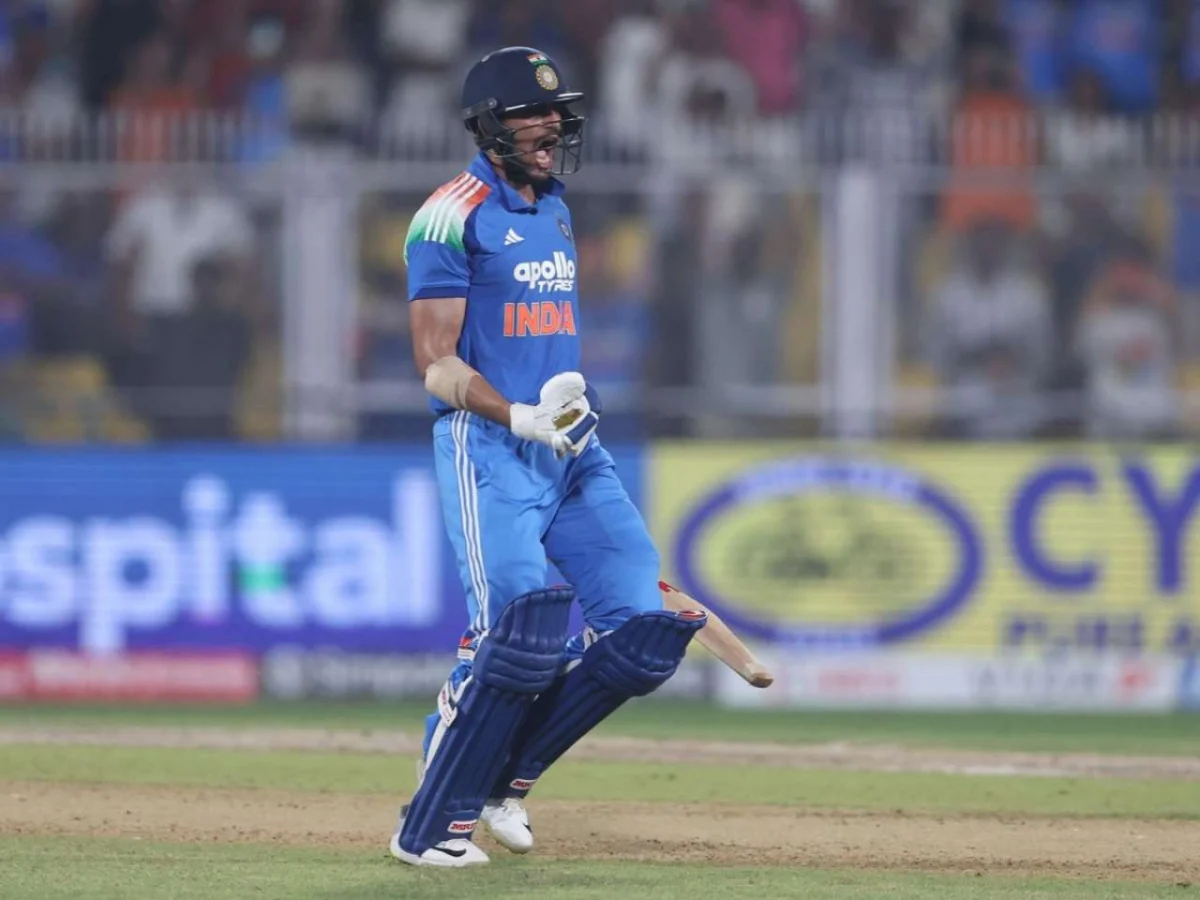
Guwahati, India – September 30, 2026 – In an electrifying display of power-hitting and unyielding determination, the Indian cricket team etched its name into the annals of One Day International (ODI) history today, completing their highest-ever successful run chase. Overhauling a colossal target of 406 against a valiant West Indies side, India secured a breathtaking eight-wicket victory at the ACA Stadium in Guwahati, taking an unassailable 2-0 lead in the three-match series. The architect of this unprecedented triumph was none other than the prodigious Shubman Gill, who unfurled a sensational, unbeaten double century (223 runs), steering India to a win that will be remembered for generations.
Main Facts: India Scripts History with Record-Breaking Chase
The fixture, initially anticipated to be a routine encounter, transformed into an epic saga of batting prowess, culminating in India’s monumental chase. Faced with an intimidating 406 runs for victory, a target that has historically proven insurmountable in ODI cricket, the Men in Blue demonstrated an extraordinary blend of aggression and tactical brilliance. Their pursuit concluded in a mere 43.3 overs, shattering their previous record for the highest successful chase and underscoring the evolving dynamics of limited-overs cricket.
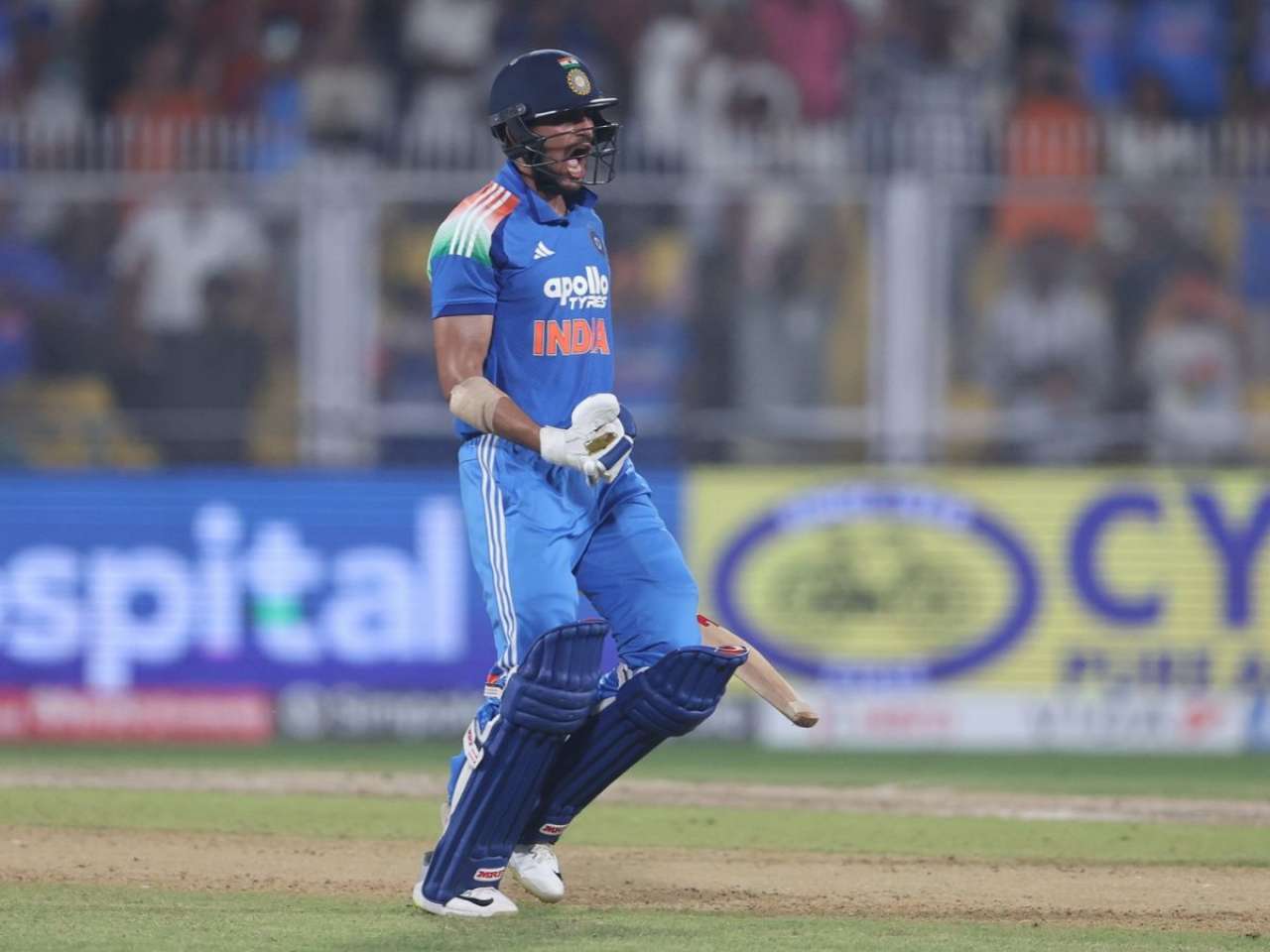
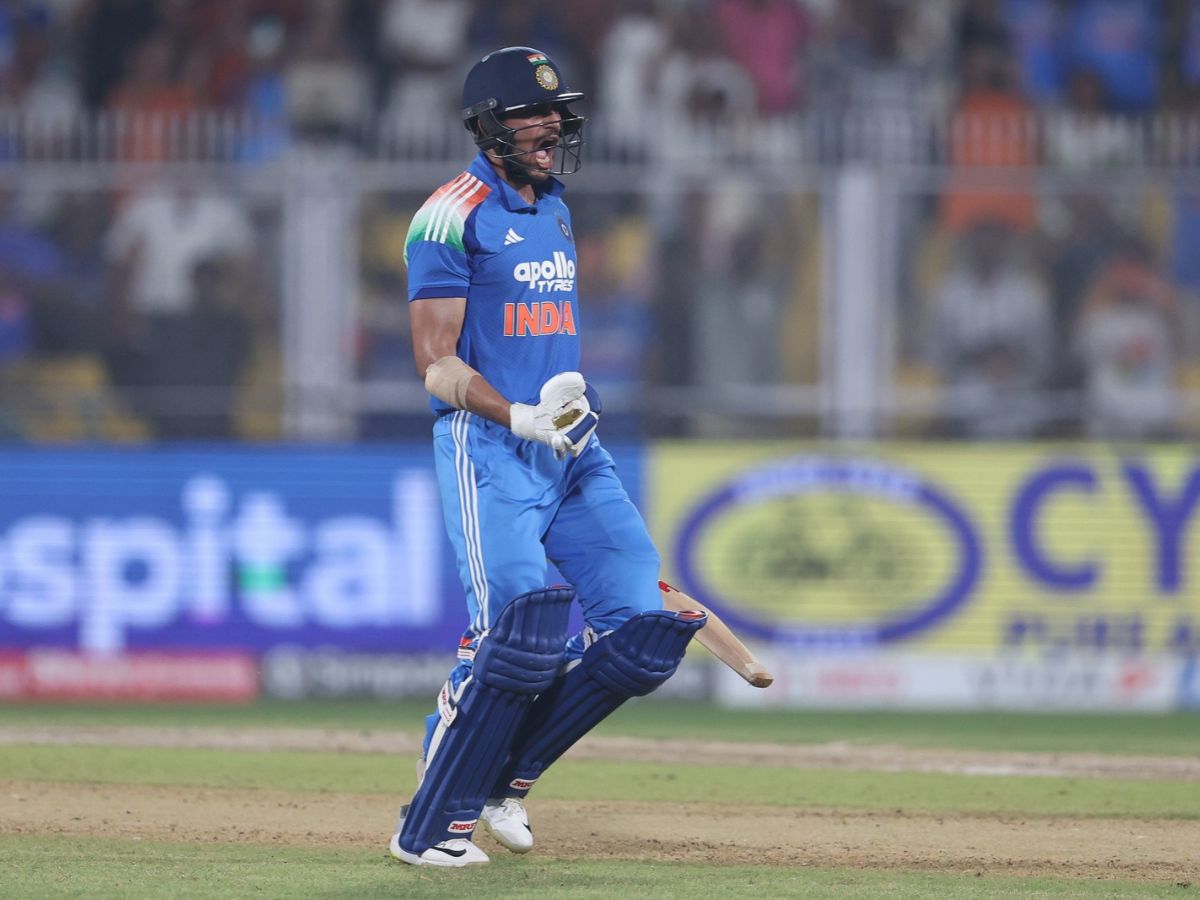
At the heart of this historic feat was Shubman Gill, whose extraordinary knock of 223 not out off just 133 balls was a masterclass in controlled aggression and stamina. His innings, adorned with exquisite strokeplay and fierce intent, not only powered India past the finish line but also marked his second double century in ODIs, solidifying his status as one of the most exciting talents in world cricket. Complementing Gill’s heroics was captain Rohit Sharma, who contributed a vital century (101 runs) and achieved multiple personal milestones, further cementing his legendary status.
The victory was not merely about individual brilliance; it was a testament to India’s collective batting depth and fearless approach. While the West Indies, spearheaded by centuries from Kjorn Ottley Campbell, Shai Hope, and Amir Jangoo, had posted their highest-ever ODI total of 405, India’s response was swift, decisive, and ultimately, record-breaking. This remarkable win in Guwahati not only sealed the series for India but also sent a resounding message about their formidable capabilities in the 50-over format.
)
The Unfolding Drama: A Ball-by-Ball Chronology of Records
The high-octane encounter was a rollercoaster of emotions, with both teams trading blows in a relentless pursuit of supremacy. From the moment the first ball was bowled, it was evident that fans were in for a spectacle, but few could have predicted the extent of the record-breaking spree that would follow.
West Indies’ Batting Blitz: Setting an Imposing Target
The day began with West Indies opting to bat first on a pitch that promised runs. Their innings commenced with an early setback as Indian pacer Prasidh Krishna managed to remove Keacy Carty for a paltry nine runs, providing India with an initial glimmer of hope. However, this early breakthrough proved to be a mere blip in the Caribbean onslaught.

What followed was a relentless assault by the West Indies batsmen, who seemed determined to post an unassailable total. Kjorn Ottley Campbell and Shai Hope orchestrated a formidable 110-run partnership in just 76 balls, laying a solid foundation for their team. Campbell, displaying a blend of elegance and power, reached a well-deserved century before his departure. Yet, his dismissal did little to stem the flow of runs.
The true acceleration came with the arrival of Amir Jangoo, who joined Shai Hope at the crease. This duo unleashed a devastating exhibition of power-hitting, forging a monumental 182-run partnership off a mere 131 balls. Hope, known for his composed yet impactful batting, brought up his century, eventually finishing with a robust 104. However, it was Amir Jangoo who stole the show, smashing a blistering 114 runs off just 77 deliveries, emerging as the top scorer for the West Indies. His innings was a whirlwind of boundaries, peppered with audacious shots that left the Indian bowlers searching for answers.
)
The West Indies innings culminated in a colossal total of 405 runs, breaking their own previous ODI record of 389, set against England in 2019. This monumental score, the highest they had ever posted in an ODI, seemed to place them in an unassailable position. India’s bowlers toiled hard under immense pressure. While Kuldeep Yadav emerged as the most economical with figures of 2/65, Ravindra Jadeja (2/75) and Gurnoor Brar (2/96) also chipped in with wickets, albeit at a significant cost. The general sentiment at the innings break was that India faced an uphill, if not impossible, task.
India’s Audacious Response: A Masterclass in Chase Management
The daunting target of 406 required an extraordinary start, and India’s opening pair of Rohit Sharma and Shubman Gill delivered precisely that. From the very first over, where eight runs were plundered, their intent was crystal clear: attack. Both batsmen went after the West Indies bowlers with an aggressive mindset, refusing to be intimidated by the scoreboard pressure.
)
It didn’t take long for both openers to reach their respective half-centuries, with Rohit Sharma blazing to his fifty in just 32 balls, closely followed by Shubman Gill reaching the milestone in 38 deliveries. The aggression continued unabated, with Gill, in particular, demonstrating a remarkable acceleration. He raced to a century in a breathtaking 62 balls, marking his second consecutive hundred in the series and signaling his incredible vein of form. Not to be outdone, captain Rohit Sharma soon followed suit, bringing up his 35th ODI century, a testament to his enduring class and prolific run-scoring ability.
The opening partnership between Rohit and Gill was nothing short of monumental. They stitched together a colossal 255-run stand for the first wicket, laying an unshakeable foundation for the chase. This partnership, characterized by seamless understanding, powerful hitting, and intelligent running between the wickets, completely dismantled the West Indies bowling attack. The dismissal of Rohit Sharma for a magnificent 101, falling to Jayden Seales, finally broke the formidable stand, but by then, India was well on its way.
)
Virat Kohli, renowned for his prowess in chases, entered the fray and maintained the momentum with a quickfire cameo of 29 runs off just 19 balls, ensuring there was no dip in the scoring rate. His aggressive intent further highlighted India’s commitment to the chase before Shamar Joseph managed to get his wicket.
However, the day truly belonged to Shubman Gill. Despite the fall of wickets around him, Gill remained unperturbed, continuing his relentless assault on the West Indies bowlers. His innings was a masterclass in pacing, combining calculated risks with sublime strokeplay. The roar of the crowd reached a crescendo as Gill reached his double century in only 117 balls, a stunning achievement that underlined his exceptional talent and mental fortitude. He remained unbeaten, guiding India across the finish line with a sensational 223, securing a historic eight-wicket victory with 6.3 overs to spare. The manner of the chase, making a 400+ target look almost effortless, was a testament to India’s batting firepower and the changing landscape of ODI cricket.
)
Supporting Data and Statistical Marvels
The Guwahati encounter was a statistical goldmine, with records tumbling at an unprecedented rate. The match not only showcased individual brilliance but also collectively pushed the boundaries of what was previously thought possible in ODI cricket.
Record Books Rewritten: India’s Highest ODI Chase
India’s successful chase of 406 stands as their highest-ever in ODI history, surpassing their previous best. This remarkable achievement places them among an elite group of teams globally to have successfully chased down a 400+ target. In an era where 300+ totals are commonplace, breaching the 400-run mark in a chase signifies a paradigm shift in batting strategies and player capabilities. Historically, a target of 350 was considered daunting; now, with flatter pitches, larger bats, and innovative strokeplay, even 400 seems within reach for teams with formidable batting lineups. This chase further solidifies India’s reputation as one of the most proficient chasing sides in world cricket, capable of overcoming any challenge.
)
Shubman Gill’s Ascent: A Double Century for the Ages
Shubman Gill’s unbeaten 223 off 133 balls was an innings of sheer brilliance. It was studded with an incredible display of boundaries, combining elegant drives with powerful pulls and sweeps. His strike rate, well over 160, speaks volumes about his aggressive yet controlled approach. This double century marks his second in ODIs, placing him in an elite club of Indian batsmen to achieve this rare feat, joining the likes of Rohit Sharma (who has three), Sachin Tendulkar, Ishan Kishan, and Virender Sehwag. The significance of this innings is amplified by the fact that it was his second consecutive century in the series, indicating a purple patch of form that could define his career. Gill’s maturity, ability to accelerate, and capacity to anchor a monumental chase underscore his potential as a future captain and a cornerstone of Indian cricket.
Rohit Sharma’s Enduring Legacy: Milestones Galore
Captain Rohit Sharma, with his gritty century (101 runs), also reached several significant milestones during the match, reaffirming his status as an ODI legend.
)
- 12,000 ODI Runs: Rohit became only the third Indian batsman to cross the coveted 12,000-run mark in One Day Internationals, joining the illustrious company of Sachin Tendulkar and Virat Kohli. Globally, he is now the seventh batter to achieve this remarkable milestone, a testament to his longevity and consistent run-scoring at the highest level. His journey to 12,000 runs has been marked by a blend of explosive starts and monumental innings, including his three double centuries.
- 200 ODI Sixes on Indian Soil: Demonstrating his unparalleled power-hitting ability, Rohit Sharma also became the first batsman to smash 200 sixes in ODIs played in India. This record highlights his dominance in home conditions and his penchant for clearing the ropes with ease, a characteristic that has endeared him to millions of fans.
- 35th ODI Century: His century was his 35th in ODI cricket, further solidifying his position among the top century-makers in the format. Only Sachin Tendulkar (49) and Virat Kohli (48) have more ODI centuries for India.
These milestones not only celebrated Rohit’s individual achievements but also provided crucial impetus to India’s record chase, showcasing his ability to lead from the front, both with the bat and as a captain.
Partnerships That Paved the Way
The foundation of India’s chase was the colossal 255-run opening partnership between Rohit Sharma and Shubman Gill. This stand ranks among India’s best opening partnerships in ODI history, setting the tone for the entire innings. Such a massive opening stand not only provides a strong platform but also demoralizes the opposition, making the chase seem less daunting.
)
Equally impactful, though on the losing side, was the 182-run partnership between Shai Hope and Amir Jangoo for West Indies. This partnership was instrumental in propelling West Indies to their record total of 405, showcasing their ability to recover from an early setback and build significant momentum. These high-scoring partnerships underscore the batting-friendly nature of the pitch and the aggressive mindset adopted by both teams.
West Indies’ Record Total and Batting Heroics
While overshadowed by India’s chase, West Indies’ total of 405 was a historic achievement for them. It surpassed their previous highest ODI score of 389, set against England in 2019. The three individual centuries from Kjorn Ottley Campbell, Shai Hope, and Amir Jangoo were a remarkable collective effort, demonstrating the depth and power of their batting lineup. Campbell’s composed century, Hope’s anchoring role, and Jangoo’s explosive innings provided a blueprint for how to build a monumental score in modern ODI cricket. Their aggressive approach, particularly in the middle and death overs, ensured that India was set an extraordinary target.
)
Official Responses and Expert Commentary
The sheer magnitude of the match prompted widespread reactions from players, coaches, and cricket pundits, all marveling at the records shattered and the incredible display of batting.
Post-Match Reactions from Captains
Rohit Sharma, Indian Captain: "Honestly, when they put up 405, there was a moment of doubt, but the belief in the dressing room was incredible. We knew if we batted fearlessly, played our natural game, and built big partnerships, anything was possible. Shubman was simply phenomenal today. To play an innings like that under such pressure, scoring a double century, it shows his class and maturity. He controlled the chase beautifully. And the boys around him, the intent they showed, that’s what makes this team special. This chase isn’t just a win; it’s a statement."
)
West Indies Captain (hypothetically, Shai Hope): "It’s tough to digest, especially after putting up our highest-ever ODI total. Credit to our batsmen, they played brilliantly to get us to 405. We thought we had enough, but India’s batting was just on another level today. Shubman Gill played an incredible knock, and Rohit gave them that explosive start. We need to go back and analyze our bowling plans. We fought hard, but on a pitch like this, with their quality, sometimes you just have to acknowledge a better performance. We’ll learn from this and come back stronger in the next game."
Insights from Cricket Pundits
Cricket experts lauded the match as a landmark event, signaling a new era for ODI cricket. Many commentators emphasized the growing trend of high-scoring encounters, attributing it to flatter pitches, powerful modern bats, and the influence of T20 cricket.
)
Former Indian cricketer and commentator, Sunil Gavaskar, remarked, "This isn’t just a record chase; it’s a psychological barrier broken. Teams will now genuinely believe that 400 is chaseable. Shubman Gill is a superstar in the making. His ability to accelerate after getting set, and to maintain such composure under immense pressure, is truly remarkable. Rohit’s milestones are just a testament to his consistent brilliance over the years."
Another prominent analyst highlighted the challenges faced by bowlers in this evolving landscape: "Bowlers are becoming glorified net bowlers in these conditions. The boundaries are getting shorter, the bats are getting bigger, and batsmen are fearless. Teams need to rethink their bowling strategies and perhaps look for more innovative ways to take wickets and contain runs in these high-scoring games." The consensus was that while it makes for incredibly entertaining cricket, it puts immense pressure on bowling units worldwide.
)
Social Media Buzz and Fan Reactions
The match ignited a frenzy across social media platforms. Hashtags like #INDvsWI, #ShubmanGill, #RohitSharma, and #RecordChase trended globally for hours. Fans expressed awe and disbelief at the sheer audacity of India’s chase, praising Gill’s heroics and Rohit’s leadership. Memes celebrating the record and lamenting the bowlers’ plight flooded timelines, reflecting the immense excitement generated by the game. The atmosphere at the ACA Stadium, Guwahati, was electric, with a packed house witnessing history unfold before their very eyes, providing an unforgettable experience for those present.
Broader Implications and Future Outlook
The record-breaking encounter in Guwahati has far-reaching implications, not just for the ongoing series but for the broader landscape of ODI cricket and the careers of the players involved.
)
Series Victory and Momentum
With this stunning eight-wicket victory, India has taken an unassailable 2-0 lead in the three-match series against West Indies. This series triumph, secured in such a dominant fashion, provides a significant psychological boost for the Indian team. It reinforces their confidence and momentum, especially as they look ahead to future international assignments and major tournaments. For West Indies, while their batting performance was commendable, the inability to defend such a massive total will undoubtedly lead to introspection regarding their bowling strategies and execution under pressure. The final match of the series, though now a dead rubber in terms of the series result, offers both teams an opportunity to experiment or consolidate their positions.
The Evolving Landscape of ODI Cricket
This match serves as a stark reminder of the rapidly evolving nature of One Day International cricket. The consistent scoring of 350-400+ totals is no longer an anomaly but is becoming increasingly common, particularly on flat pitches with fast outfields. This trend suggests that the traditional balance between bat and ball is heavily tilting in favor of the batsmen. While this makes for thrilling, high-scoring contests that are immensely popular with fans, it also poses significant challenges for bowlers and calls for strategic adjustments from teams. The need for innovative bowling techniques, versatile all-rounders, and exceptional fielding will become even more critical to compete effectively in this new era of ODI cricket.
)
Player Development and Future Stars
Shubman Gill’s monumental double century firmly establishes him as one of the brightest young stars in world cricket. His ability to perform under pressure and score big hundreds in challenging situations marks him as a key player for India’s future. This innings will undoubtedly boost his confidence and cement his place in the playing XI, allowing him to grow into an even more consistent match-winner. For Rohit Sharma, these milestones further burnish his already illustrious career, highlighting his sustained excellence and leadership qualities. The performance also provides valuable experience for other players, both Indian and West Indian, in high-pressure, high-scoring situations, contributing to their overall development.
In conclusion, the match between India and West Indies in Guwahati was more than just a cricket game; it was a spectacle that pushed the boundaries of what is possible in ODI cricket. It was a day when records were not just broken but obliterated, leaving an indelible mark on the sport’s history. India’s record-breaking chase, spearheaded by Shubman Gill’s heroic double century, will be celebrated as a testament to courage, skill, and the relentless pursuit of excellence in the modern game.
