

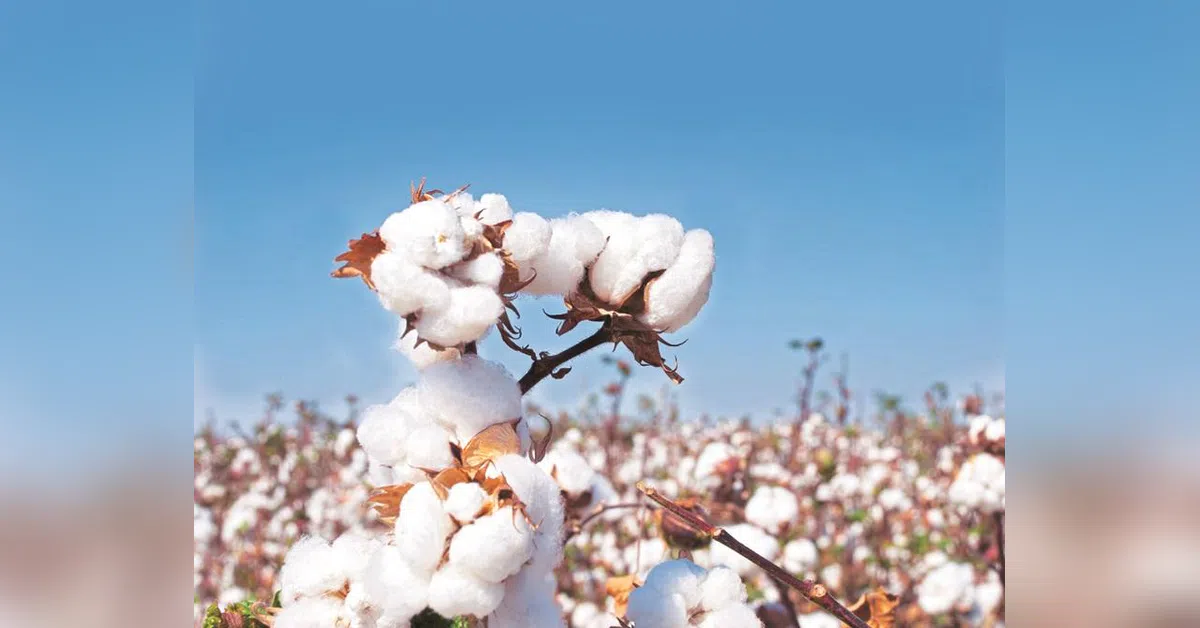
New Delhi, India – In a significant policy intervention aimed at bolstering its crucial textile industry, the Indian Union government has announced a temporary exemption of cotton imports from customs duty and the Agriculture Infrastructure and Development Cess (AIDC). Effective from June 1 through October 31, 2026, this five-month window is designed to enhance the availability of raw cotton for domestic manufacturers, mitigate escalating input costs, and ultimately safeguard the sector’s global competitiveness.
The decision, officially notified by the Ministry of Finance, applies specifically to cotton classified under tariff heading 5201. This move comes amidst fervent appeals from various industry stakeholders and state governments, who have been grappling with surging domestic cotton prices fueled by a confluence of factors, including lower domestic production estimates and global supply chain disruptions exacerbated by geopolitical tensions, particularly the West Asia crisis. While hailed as a timely relief by the textile sector, the waiver has also ignited debate among cotton growers and traders, raising concerns about potential adverse impacts on farmer incomes and the domestic market balance.
Main Facts: A Timely Intervention
The core of the government’s recent directive is the complete removal of both customs duty and AIDC on imported raw cotton for a specified period. This strategic five-month window, from June 1 to October 31, 2026, has been meticulously chosen to coincide with the lean season for domestic cotton trade, a period when local supplies typically dwindle before the new harvest.
The primary objectives behind this policy shift are multi-faceted:
- Improve Cotton Availability: Ensure a steady and adequate supply of raw material for India’s vast textile and apparel manufacturing sector.
- Lower Input Costs: Directly reduce the financial burden on textile mills and garment manufacturers, thereby improving their profit margins and operational viability.
- Boost Competitiveness: Empower Indian textiles to compete more effectively in international markets by offering cost advantages, especially against rivals with lower raw material costs.
- Support SMEs: Provide critical relief to small and medium enterprises (SMEs) within the textile value chain, which are often more vulnerable to price fluctuations and supply shortages.
This exemption marks a proactive measure by the government to address an issue that has been increasingly pressing for an industry that is a significant contributor to India’s GDP, employment, and exports. The textile sector, often referred to as the second-largest employer after agriculture, relies heavily on a stable and affordable supply of cotton to maintain its intricate ecosystem, from spinning mills to garment factories.
Chronology: From Crisis to Policy Response
The journey to this duty waiver has been paved with growing concerns and persistent advocacy from the textile industry, culminating in a swift government response.
Early 2026 – Mounting Pressure:
The early months of 2026 witnessed a discernible upward trend in domestic cotton prices. This surge was attributed to a combination of factors:
- Lower Domestic Production: Initial estimates for the 2025-26 crop year (which ends in September) indicated a marginal but significant dip in production, with revised estimates pointing closer to 29.09 million bales, down from 29.74 million bales in 2024-25. This shortfall naturally tightened domestic supply.
- Global Price Rally: International cotton markets were experiencing a rally, driven by various geopolitical and economic factors. The ongoing West Asia crisis, in particular, disrupted global supply chains, increased freight costs, and pushed up energy prices, all of which indirectly contributed to higher commodity prices, including cotton.
- Increased Demand: As global economies slowly recovered, demand for textiles began to pick up, further stressing existing supplies.
April 2026 – Price Surge Intensifies:
By April, the domestic cotton prices had surged by an alarming 10-15 per cent, pushing input costs to unsustainable levels for many textile manufacturers. This rapid escalation triggered alarm bells across the industry.
May 2026 – Industry’s Unified Plea:
Major textile industry associations, representing a broad spectrum of stakeholders from spinning mills to apparel exporters, began to intensify their appeals to the Central government. Their collective message was clear: the existing import duty structure on raw cotton was making Indian products uncompetitive, jeopardizing export commitments, and threatening job losses. They specifically requested the abolition of the import duty to stabilize raw material costs.
Adding significant political weight to these industry pleas, C. Joseph Vijay, the newly-elected Chief Minister of Tamil Nadu – home to one of India’s largest textile clusters – personally approached Prime Minister Narendra Modi. His urgent request underscored the critical need to scrap the import duty to protect the thousands of jobs and the economic vitality of his state’s textile sector.
Weeks Prior to Announcement – Government Deliberations:
In the weeks leading up to the official notification, extensive deliberations took place within various stakeholding ministries, including the Ministry of Agriculture. Initially, there might have been apprehension regarding the impact on domestic farmers. However, sources indicate that most ministries eventually converged on the view that a temporary removal of the import duty, specifically during the lean period of June 1 to October 31, was unlikely to significantly harm farmers’ interests, as it falls outside the peak harvest and selling season for a majority of growers.
Saturday, May [Date] – Official Notification:
The culmination of these discussions and pressures was the Union government’s official notification on a Saturday, announcing the exemption of cotton imports from customs duty and AIDC for five months, effective June 1 through October 31, 2026. This decisive action signaled the government’s commitment to supporting its beleaguered textile industry.
Supporting Data: The Economic Imperative
The decision to waive cotton import duties is underpinned by a compelling set of economic data and market realities that highlight the urgency of the situation.
Domestic Production vs. Demand:
India is one of the world’s largest producers and consumers of cotton. However, domestic production has seen fluctuations. For the 2025-26 crop year, industry sources now estimate production to be around 29.09 million bales (approximately 4.94 million metric tons, given 1 bale = 170 kg). This is a marginal but critical decrease from the 29.74 million bales (approximately 5.06 million metric tons) produced in 2024-25. This slight reduction, coupled with rising demand, creates a supply deficit that needs to be bridged through imports.
Price Volatility and Global Context:
The global cotton market has been particularly volatile. The West Asia crisis, by disrupting shipping routes and increasing insurance premiums, has pushed up the cost of international trade. Furthermore, speculation and broader commodity market rallies have driven global cotton prices upward. This global trend, combined with domestic supply constraints, has led to the 10-15% increase in domestic prices since April, making Indian textiles less competitive.
The Blended Fibres Conundrum:
A significant factor influencing the textile industry’s plea was the existing duty structure that inadvertently incentivized a shift away from natural cotton. Synthetic fibres, used in blended fabrics, typically enjoy duty exemptions or lower duties, making them a more cost-effective raw material. The duty on raw cotton, in contrast, was creating an "uneconomical shift towards blends," potentially undermining India’s traditional strength in natural fibre textiles and leading to a loss of market share for pure cotton products.
Precedent of Previous Waivers:
Critics of the duty waiver often cite past experiences. A previous instance where India lowered the import duty on cotton reportedly led to a significant forex outflow of approximately $1.1 billion to $1.2 billion. During that period, an estimated 3 million bales of cotton were imported in just three months, which critics argue flooded the domestic market and forced farmers to sell their produce below Minimum Support Price (MSP) rates. This historical data point forms a crucial part of the arguments against the current waiver.
Stakeholder Holdings:
The decision also impacts significant holdings of cotton within the domestic market:
- Farmers’ Stock: It is estimated that around 4 million bales of cotton are currently being held by farmers in anticipation of better prices.
- CCI Inventory: The Cotton Corporation of India (CCI), a government agency, is believed to hold approximately 4-5 million bales of cotton, acquired through MSP operations to support farmers. A sudden influx of cheaper imported cotton could depress domestic prices, leading to potential losses for both individual farmers and the CCI.
These figures underscore the delicate balancing act the government must perform to support industry without unduly harming its agricultural backbone.
Official Responses and Expert Perspectives
The government’s decision has elicited a range of responses from various quarters, reflecting the complex interplay of interests within the Indian economy.
Pro-Waiver Stance: Industry and Government Support
A government official, speaking on the condition of anonymity, articulated the rationale behind the temporary relief: "This measure is a strategic intervention to augment cotton supplies for the Indian textile sector, which is a vital part of our economy, while carefully balancing the interests of domestic cotton growers. The lean period for cotton trade, from June to October, makes this the opportune time for such an intervention, as it minimizes direct competition with newly harvested domestic crops." The official emphasized that the primary goal is to reduce raw material costs for textile and apparel manufacturers, particularly benefiting SMEs, and ensuring robust cotton availability.
Anil Bharadwaj, Secretary General of the Federation of Indian Micro and Small & Medium Enterprises (FISME), lauded the move as a crucial lifeline. "Industry players have been seeking urgent measures to address persistent supply constraints and the relentless rise in input costs, which have severely eroded our competitiveness in recent months," Bharadwaj stated. He highlighted the expected positive impact: "The duty waiver is anticipated to significantly support textile production and boost exports by guaranteeing easier access to imported cotton during a period of peak demand and limited domestic supply. This will provide much-needed breathing room for our SMEs."
The broader textile sector has consistently argued that the previous duty structure on raw cotton directly inflated their input costs, thereby undermining the competitiveness of domestic textile products in the global marketplace and making it difficult to fulfill export commitments. They also pointed out the anomaly where synthetic fibres enjoyed duty exemptions, creating an unfair advantage that pushed manufacturers towards "uneconomical shifts" to blended fibres, potentially diluting India’s traditional strength in natural cotton textiles.
Skepticism and Opposition: The Cotton Trade and Farmer Concerns
While the textile industry rejoices, a significant section of the cotton trade and farmer advocacy groups express deep reservations, warning of potential negative repercussions.
This group challenges the primary argument that import duty hampers India’s textile export competitiveness. They argue that exporters already have an existing mechanism – the Advance License Scheme (ALS) – which allows duty-free import of raw materials for products destined for export. "Those who genuinely want to export can import at zero duty under the Advance License Scheme," a senior trader contended, suggesting that the broader argument for a general duty waiver might be misleading and serve other interests.
A major concern raised is the potential for substantial forex outflow. Critics recall that the last time India lowered the import duty on cotton, the total outflow of foreign exchange amounted to an estimated $1.1 billion to $1.2 billion, a substantial sum. They argue that a repeat of this scenario would be detrimental to the nation’s balance of payments, especially at a time when prudent forex management is critical.
Furthermore, there are serious apprehensions regarding the impact on farmers’ interests, particularly just ahead of the crucial Kharif sowing season. "Allowing duty-free cotton imports at this juncture could send a negative signal to farmers, potentially discouraging them from cultivating cotton for the upcoming season," remarked a representative from a farmers’ union. They argue that if domestic prices are depressed by cheaper imports, farmers might shift to other crops, leading to long-term implications for India’s cotton self-sufficiency.
Concerns also extend to the millions of bales currently held by farmers and the Cotton Corporation of India (CCI). Farmers holding an estimated 4 million bales are doing so in anticipation of better prices. Similarly, the CCI, which procures cotton at Minimum Support Price (MSP) to protect farmers, holds an estimated 4-5 million bales. A sudden influx of cheaper imported cotton could force both farmers and the CCI to liquidate their inventories at lower prices, resulting in significant financial losses.
A senior trader vividly recalled the consequences of a previous duty reduction: "The last time India lowered the import duty on cotton, farmers were forced to sell their produce at below MSP rates as a massive almost 3 million bales of cotton were imported in just three months, effectively meeting domestic demand through imports. A similar situation might happen again, particularly for those growers who are holding on to their produce in hopes of better returns." This historical precedent fuels their skepticism and apprehension regarding the current waiver’s long-term effects on the agricultural community.
Implications: Balancing Act and Future Outlook
The government’s decision to waive cotton import duties presents a complex array of implications, reflecting the intricate balancing act required to manage the interests of diverse stakeholders within India’s economy.
For the Textile Industry:
The immediate and most palpable implication for the textile and apparel industry is a significant reduction in raw material costs. This direct cost saving is expected to translate into improved profit margins, enhanced liquidity, and greater financial stability, particularly for the vast network of small and medium enterprises (SMEs) that form the backbone of the sector. By ensuring a more affordable and consistent supply of cotton, the waiver is poised to boost the industry’s global competitiveness, allowing Indian exporters to offer more attractive prices and secure larger orders in international markets. This could lead to a resurgence in textile exports, contributing positively to India’s trade balance. Furthermore, better raw material availability could stimulate production, potentially leading to job creation and sustained growth across the entire textile value chain, from spinning to garment manufacturing. The temporary nature of the waiver also provides a window for the industry to regroup and strategize for longer-term supply chain resilience.
For Cotton Farmers and the Agricultural Sector:
For domestic cotton growers, the implications are more nuanced and potentially challenging. While the government asserts that the waiver period (June to October) is a lean season, minimizing impact on the new harvest, critics argue that the psychological effect and potential for market depression cannot be overlooked.
- Price Depression Risk: A significant influx of cheaper imported cotton could depress domestic prices, particularly for the estimated 4 million bales currently held by farmers and the 4-5 million bales with the CCI. This could force farmers to sell their produce below the Minimum Support Price (MSP), undermining the government’s efforts to protect agricultural incomes.
- Kharif Sowing Season: The timing, just ahead of the Kharif sowing season, is critical. If farmers perceive a weakening of domestic prices due to imports, it might influence their planting decisions, potentially leading to a shift away from cotton cultivation in the upcoming season. This could have long-term implications for India’s cotton output and self-sufficiency.
- Loss for CCI: The Cotton Corporation of India, mandated to procure cotton at MSP, could incur substantial losses if it has to offload its existing inventory at prices lower than its procurement cost due to market saturation from imports.
For Government and Economy:
The government’s move represents a delicate balancing act between industrial growth and agricultural welfare. While it aims to support a major export-oriented sector and address inflationary pressures on raw materials, it also risks alienating a significant farmer constituency.
- Forex Outflow: The potential for a substantial forex outflow, as seen during previous waivers, remains a concern, impacting India’s foreign exchange reserves and current account balance.
- Trade-offs: The decision highlights the inherent trade-offs in economic policymaking – prioritizing the immediate needs of a manufacturing sector versus ensuring the stability and profitability of the agricultural base.
- Inflation Management: By lowering input costs, the government hopes to curb potential inflationary pressures on textile products, ultimately benefiting consumers.
- Long-term Strategy: This temporary measure might also prompt a deeper re-evaluation of India’s long-term strategy for cotton production, productivity, and supply chain management, possibly encouraging investments in better seed varieties, irrigation, and sustainable farming practices to reduce reliance on imports.
In conclusion, the Union government’s decision to waive import duties on cotton is a bold and strategic move designed to inject vitality into India’s textile industry. While it promises immediate relief and enhanced competitiveness for manufacturers, particularly SMEs, its success will ultimately be judged by its ability to navigate the complex economic landscape without undermining the interests of the nation’s vast cotton farming community. The coming months will reveal whether this policy achieves its intended goals while maintaining the delicate balance between industrial growth and agricultural prosperity.
