

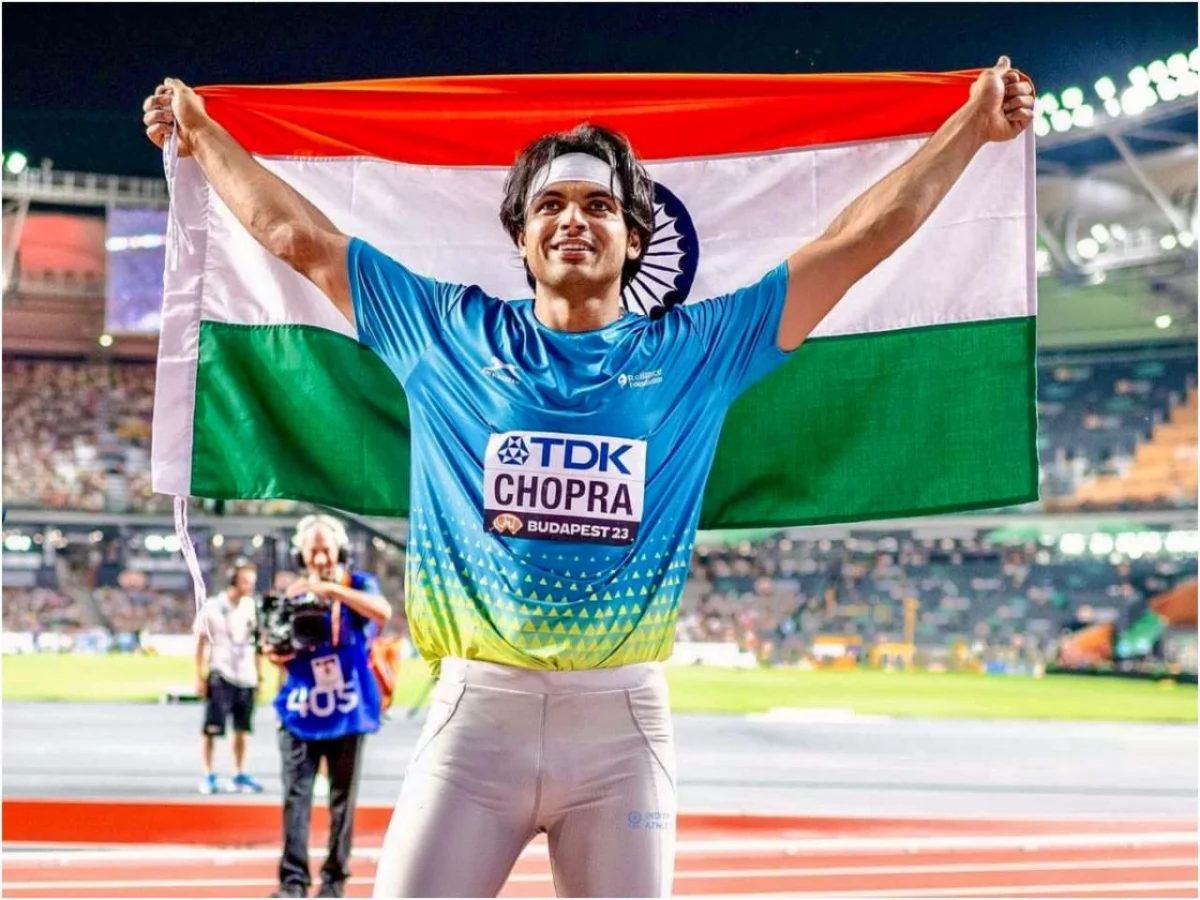
Doha, Qatar – June 17, 2026 – The athletic world, and indeed an entire nation, holds its breath in anticipation as India’s revered ‘Golden Boy’, Neeraj Chopra, prepares to make his much-awaited competitive return this week at the prestigious Doha Diamond League 2026. After an enforced hiatus to recover from a back injury, the Olympic and World Champion javelin thrower is set to ignite the Khalifa International Stadium on Friday, June 19, marking his first competitive outing of the year and signaling the end of a period of intense rehabilitation.
Chopra’s comeback is not merely a return to the field for an athlete; it is a moment laden with national pride and immense expectation. Having carved an unparalleled legacy in Indian athletics, his absence since the World Athletics Championship 2025 in Tokyo has left a palpable void, now poised to be filled with the familiar sight of his powerful run-up and explosive release. The Doha Diamond League, known for its fierce competition and world-class fields, offers the perfect, albeit challenging, stage for Chopra to reassert his dominance and gauge his readiness for the demanding season ahead, including the recently confirmed inclusion in India’s squad for the Commonwealth Games 2026.
The Long-Awaited Return: Main Facts
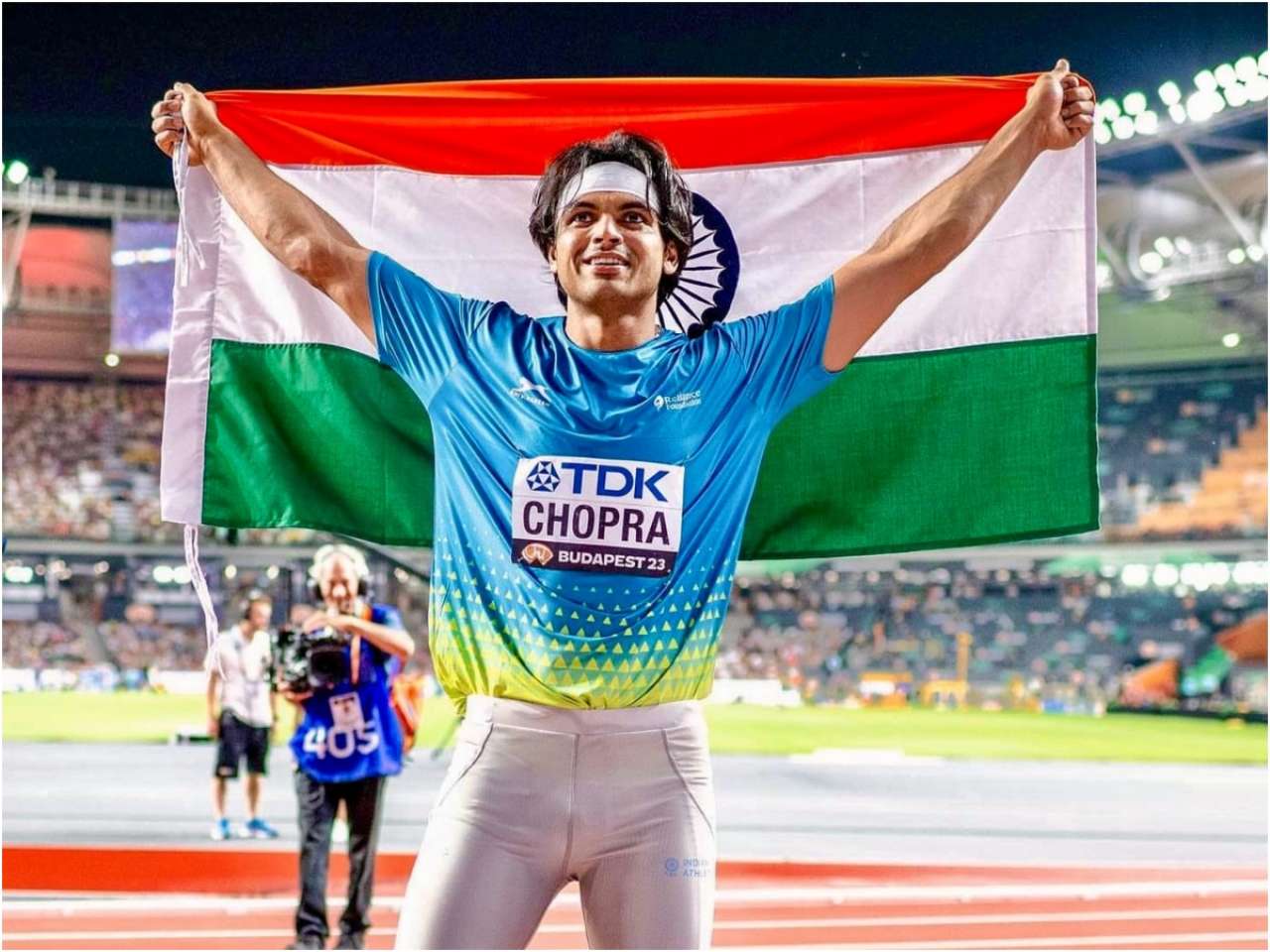
The news of Neeraj Chopra’s return has sent ripples of excitement across the global athletics community. The 28-year-old javelin sensation, an icon in his home country, has been diligently working towards full fitness after sustaining a back injury during a rigorous training camp in Switzerland following his participation in the World Athletics Championship 2025. His last competitive throw was at that very championship, making his upcoming appearance in Doha his first in several months.
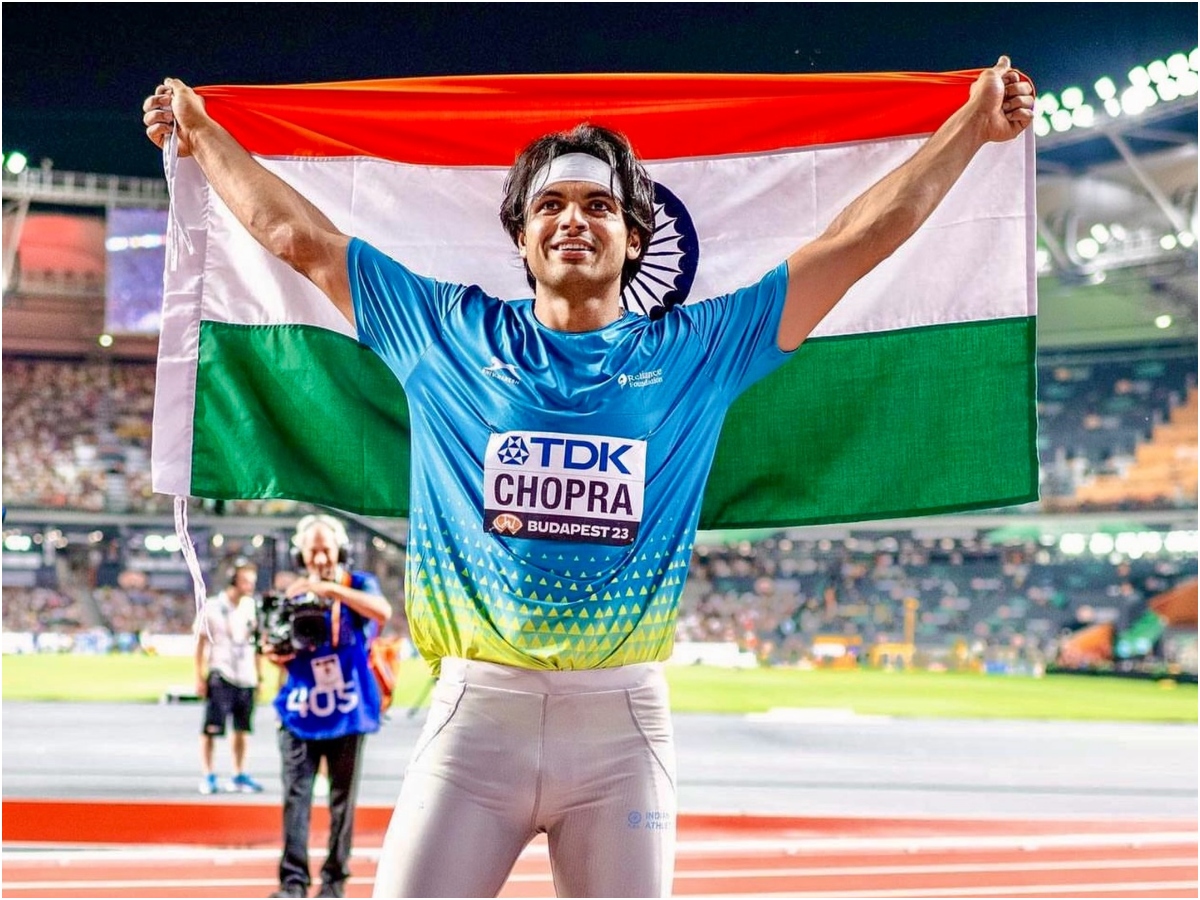
The Doha Diamond League is a familiar hunting ground for Chopra, making it a fitting venue for his comeback. This will mark his fourth consecutive season competing in the Qatari capital, a testament to his consistent presence at the sport’s highest echelons. His previous performances in Doha have been nothing short of spectacular: a victory in 2023 with a throw of 88.67 metres, a commendable second-place finish in 2024 with 88.36 metres, and a new national record of 90.23 metres set just last year in 2025. These statistics underscore not only his affinity for the Doha track but also the upward trajectory of his performances prior to the injury.
)
However, the path to triumph in Doha will be far from easy. The field boasts an array of formidable talent, including the current world leader, Sri Lanka’s Rumesh Pathirage, who recently unleashed a colossal 92.62-metre throw at the Rome Diamond League 2026. Other titans of the sport, such as reigning world champion Keshorn Walcott of Trinidad and Tobago, former world champions Anderson Peters (Grenada) and Julius Yego (Kenya), alongside American thrower Curtis Thompson and the ever-consistent Olympic and world silver medallist Jakub Vadlejch (Czech Republic), will ensure a high-octane contest. The absence of Pakistan’s Arshad Nadeem, a strong competitor and friendly rival, due to withdrawal, slightly alters the dynamic but does little to diminish the overall strength of the field.
The Doha meet holds additional significance as the seventh stop on the 2026 Diamond League circuit, a crucial stepping stone towards the season finale scheduled for Brussels on September 4 and 5. For Chopra, it is not just about winning; it is about proving his physical resilience and mental fortitude, setting the tone for what promises to be an eventful remainder of the year.

A Journey of Resilience: Chronology of Recovery and Absence
Neeraj Chopra’s journey back to the competitive arena has been a testament to his unwavering determination and the meticulous planning of his support team. The injury, a back ailment, emerged during a high-intensity training camp in Switzerland, a standard part of his preparation regimen following the World Athletics Championship 2025 in Tokyo. While the exact moment of onset is often nuanced in elite sports, the decision to withdraw from competition was made in consultation with his medical and coaching staff, prioritizing long-term health over immediate participation.
The period following the diagnosis was marked by an initial phase of rest, crucial for allowing the injured tissues to begin healing. This was swiftly followed by a structured rehabilitation program, meticulously designed by a team of physiotherapists, doctors, and strength and conditioning coaches. These programs typically involve a multi-faceted approach, starting with gentle mobility exercises to restore range of motion, progressing to targeted strengthening of the core and supporting musculature, and finally integrating sport-specific movements. For a javelin thrower, this means careful reintroduction of throwing mechanics, gradually increasing intensity and load to ensure the back can withstand the immense forces generated during a throw.
)
During his absence, the javelin circuit continued, but the absence of its most luminous star was keenly felt. Fans and fellow athletes alike expressed their hopes for his swift and complete recovery. For Chopra, this period away from the competitive spotlight was undoubtedly challenging. Elite athletes thrive on competition, and being sidelined can be mentally taxing. However, his focus remained steadfast on his recovery, understanding that patience and adherence to the rehabilitation protocol were paramount. Reports from his training camp, though sparse, indicated a gradual but consistent improvement in his condition, building confidence within his team that a return was imminent. The announcement of his inclusion in the Commonwealth Games 2026 squad, followed by the confirmation from AFI’s Adille Sumariwalla, served as the clearest indicators that the ‘Golden Boy’ was indeed ready to reclaim his throne.
The Pedigree of a Champion: Supporting Data and Historical Context
Neeraj Chopra’s career trajectory has been nothing short of meteoric, transforming him from a promising junior athlete to a global icon. His presence at the Doha Diamond League is steeped in a rich history of success at this very venue, showcasing his consistent ability to perform under pressure.
)
Doha Diamond League – A Familiar Stage:
His record at the Doha leg of the Diamond League is exceptional, making it a quasi-home ground for his international appearances.
- 2023 Victory: Chopra clinched gold with a formidable throw of 88.67 metres, establishing his credentials early in the season and setting a high benchmark for his competitors.
- 2024 Silver: He followed up with a strong second-place finish, recording 88.36 metres, demonstrating consistency at the elite level, even when not winning.
- 2025 National Record: The pinnacle of his Doha performances came last year, where he unleashed a monumental throw of 90.23 metres. This not only secured him a podium finish but also broke his own national record, firmly cementing his place in the exclusive ’90-metre club’ – a benchmark of elite javelin throwing that signifies consistent world-class performance. Crossing the 90-metre barrier is often considered the ultimate goal for javelin throwers, distinguishing the very best from the rest.
A Career Adorned with Gold:
Beyond Doha, Chopra’s career highlights paint a picture of an athlete destined for greatness:
)
- Tokyo 2020 Olympics (held in 2021): His historic gold medal, with a throw of 87.58 metres, made him the first Indian track and field athlete to win an Olympic gold, and only the second Indian individual Olympic gold medallist after Abhinav Bindra. This achievement single-handedly elevated javelin throwing to national prominence in India.
- World Athletics Championships: Chopra has consistently medalled at the World Championships, securing a silver medal in 2022 and further solidifying his status as a top contender. His participation in the 2025 edition before his injury indicates his continuous pursuit of excellence at the highest level.
- Asian Games & Commonwealth Games: He has also dominated at continental and commonwealth levels, securing gold medals at both the 2018 Asian Games and the 2018 Commonwealth Games, further illustrating his consistent top-tier performances across various major events.
The Diamond League itself is the premier series of track and field meetings, showcasing the sport’s best athletes across multiple disciplines. Doha, often an early stop in the circuit, is crucial for athletes to lay down markers for the season, earn valuable points, and gauge their form against global rivals. For Chopra, the significance of Doha extends beyond mere points; it is a vital indicator of his return to peak form, especially against a field that represents the current global elite.
The Competitive Landscape:
Neeraj Chopra’s comeback will be tested against a formidable lineup of javelin titans.
)
- Rumesh Pathirage (Sri Lanka): The current world leader, Pathirage’s recent 92.62-metre throw at the Rome Diamond League 2026 has set a blistering pace for the season. His emergence as a top contender adds a new layer of challenge, and his form will be a significant benchmark for Chopra.
- Keshorn Walcott (Trinidad and Tobago): The reigning world champion brings a wealth of experience and a proven ability to perform on the biggest stages. His tactical prowess and consistency make him a perennial threat.
- Anderson Peters (Grenada): A former world champion, Peters is known for his explosive power and ability to unleash massive throws. He has been a consistent rival for Chopra in previous competitions.
- Julius Yego (Kenya): Another former world champion, Yego’s journey has been marked by both brilliance and injury. His presence signifies the depth of experience in the field.
- Jakub Vadlejch (Czech Republic): The Olympic and world silver medallist is a picture of consistency. His technical precision and mental strength make him a formidable opponent, often delivering clutch performances.
- Curtis Thompson (USA): Represents the strong American contingent, capable of challenging for podium spots on his day.
The withdrawal of Pakistan’s Arshad Nadeem, a Commonwealth Games champion and a close competitor of Chopra, might reduce one familiar face, but the overall strength of the field remains undisputed. Chopra will need to be at his absolute best to contend with these athletes, many of whom have been actively competing and refining their form throughout the early season. This is not merely a warm-up event; it is a baptism by fire, designed to test the mettle of even the most decorated athletes.
Official Endorsements and Anticipated Responses
The confirmation of Neeraj Chopra’s return has been met with relief and excitement from official quarters, underscoring the critical role he plays in Indian athletics.
)
Athletics Federation of India (AFI) Confirmation:
Adille Sumariwalla, a key member of the Athletics Federation of India (AFI) selection committee, provided the definitive confirmation, articulating the federation’s confidence in Chopra’s recovery. Speaking to the Indian Express, Sumariwalla stated, "Neeraj has recovered, and he is ready to compete in the next few days. He asked us to add him, and we expect him to play in a few meets this month." This statement is significant on multiple fronts. Firstly, it indicates that Chopra himself felt confident enough in his physical condition to request his inclusion, a crucial factor for any athlete returning from injury. Secondly, the AFI’s swift approval, coupled with the expectation of "a few meets this month," signals a carefully planned reintegration into competitive action, rather than a rushed comeback. His prior inclusion in the Commonwealth Games 2026 squad further solidifies the federation’s belief in his fitness and potential contributions.
The Athlete’s Perspective (Inferred):
While direct quotes from Neeraj Chopra regarding his comeback are not provided in the original dispatch, one can infer his immense dedication and focus. Throughout his career, Chopra has consistently demonstrated a profound commitment to his craft, an unwavering work ethic, and a steely resolve to overcome challenges. His decision to return would undoubtedly stem from a thorough assessment of his physical readiness, backed by his medical and coaching teams. It is reasonable to surmise that he is eager to test his rehabilitation, shake off any competitive rust, and re-establish his rhythm against the world’s best. The mental aspect of returning from injury is as crucial as the physical, and Chopra’s history suggests he possesses the psychological resilience required for such a demanding return.
)
Coaching and Medical Team:
Behind every elite athlete’s comeback is a dedicated team of experts. Chopra’s long-time coach, Klaus Bartonietz, along with his support staff, would have played an instrumental role in guiding his recovery. Their careful monitoring of his progress, adaptation of training regimens, and astute decision-making regarding his competitive return are paramount. The green light from this inner circle is the most critical endorsement, signifying that all parameters — strength, flexibility, pain levels, and throwing mechanics — have been deemed satisfactory for elite competition.
Public and Fan Response:
The anticipation surrounding Chopra’s return among Indian fans is immense. He is not just an athlete; he is a symbol of national aspiration and achievement. Social media platforms are abuzz with messages of support and excitement. His status as the ‘Golden Boy’ has transcended sports, making his every move a subject of national interest. This overwhelming support, while motivating, also adds a layer of pressure, which Chopra has historically handled with remarkable composure. His return is a beacon of hope and a source of immense pride for millions.
)
Charting the Future: Implications and Outlook
Neeraj Chopra’s return at the Doha Diamond League 2026 carries significant implications, not just for his individual career but for Indian athletics and the global javelin landscape.
Immediate Implications for Doha Performance:
The performance in Doha will be crucial for several reasons. A strong showing, even if not a win, will validate his recovery process and restore confidence. It will demonstrate that he can still compete at the highest level without exacerbating his injury. Conversely, a subdued performance or any sign of discomfort could raise concerns and necessitate further adjustments to his training and competition schedule. The initial marks he sets in Doha will serve as a critical benchmark for the rest of his season, providing valuable data for his team to fine-tune his preparation.
)
Commonwealth Games 2026 and Beyond:
His confirmed inclusion in the Commonwealth Games 2026 squad highlights the AFI’s confidence in his long-term fitness and potential. The CWG, while not as fiercely competitive as the World Championships or Olympics, is a significant multi-sport event where India expects medal hauls. Chopra’s participation will undoubtedly be a major boost for the Indian contingent.
Looking further ahead, the ultimate goal for any elite athlete in 2026-2027 would be the next major global championship, likely leading up to the Los Angeles 2028 Olympic Games. The 2026 season, starting with Doha, serves as a crucial build-up phase. It allows him to gradually increase competition intensity, refine his technique, and adapt to the pressures of elite-level throwing without the immediate, overwhelming stakes of an Olympic final. Each meet, especially the Diamond League events, provides invaluable competitive experience and a chance to assess rivals.
)
Impact on Indian Athletics:
Chopra’s success has single-handedly elevated the profile of javelin throwing and track and field in India. His return will reignite interest in the sport, inspiring a new generation of athletes. His ability to overcome injury and return to competition provides a powerful narrative of resilience and dedication, serving as a role model for aspiring sportspersons across the country. The continued visibility of a global champion like Chopra is vital for the growth and funding of athletics programs in India.
Challenges of a Comeback:
Returning from injury at the elite level presents multifaceted challenges. Physically, there is the risk of re-injury or developing compensatory movements that could lead to new problems. Mentally, the pressure to perform at pre-injury levels can be immense, coupled with potential anxieties about the injury itself. The fine margins in javelin throwing mean that even a slight hesitation or lack of trust in one’s body can significantly impact performance. Chopra will need to navigate these challenges with the same composure and focus that have defined his career. His long-term health and sustainable performance will depend on a carefully managed schedule, balancing intense competition with adequate recovery.
)
In conclusion, Neeraj Chopra’s return to the Doha Diamond League is more than just another event on the athletics calendar. It is a moment charged with anticipation, a testament to an athlete’s resilience, and a vital step in his journey towards future glories. The ‘Golden Boy’ is back, and the world of athletics is ready to watch him soar once more.
