

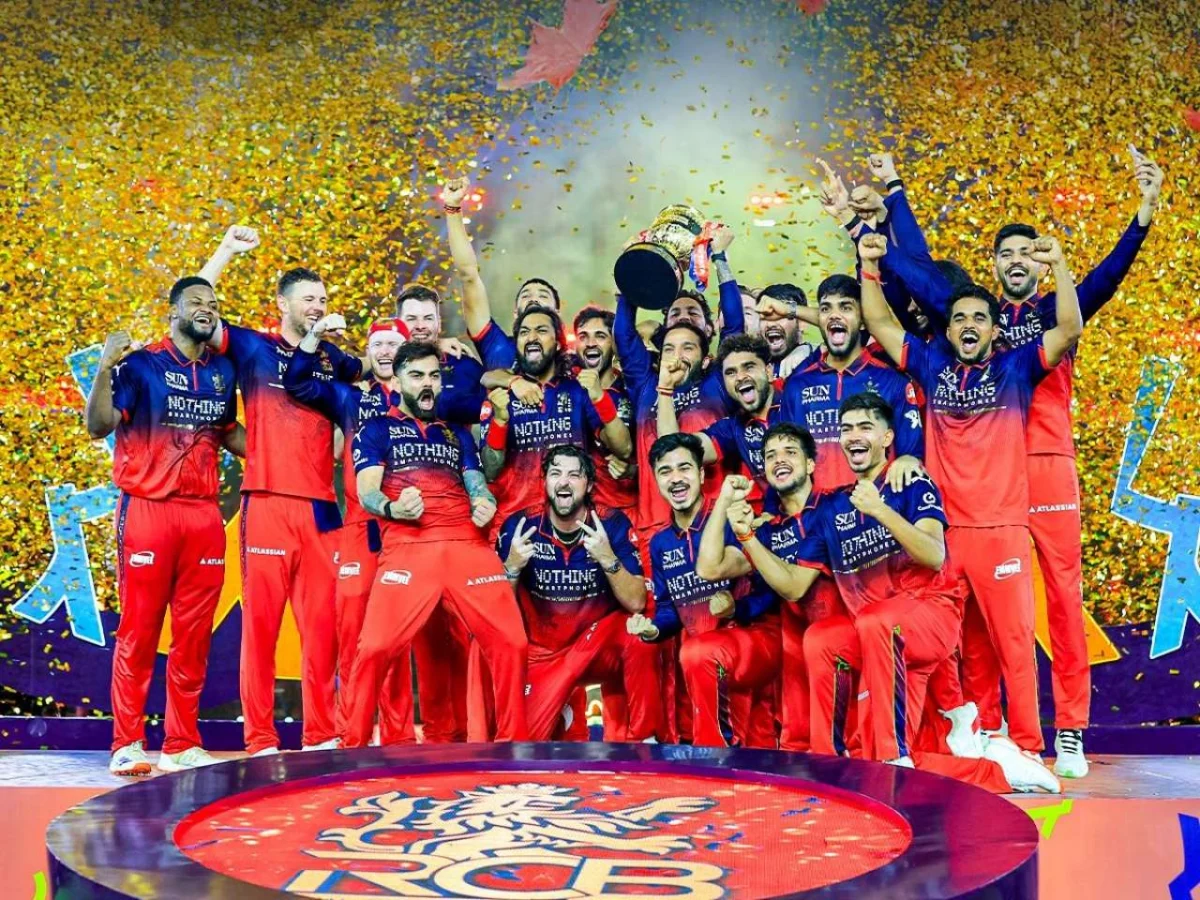
Ahmedabad, India – June 1, 2026 – The 2026 season of the Indian Premier League (IPL) has concluded with Royal Challengers Bengaluru (RCB) securing their second consecutive title in a thrilling final against Gujarat Titans. Beyond the on-field heroics, the season has unequivocally etched its name in sporting history by smashing unprecedented viewership records, reaffirming the IPL’s colossal and ever-growing global appeal. The final match, a captivating showdown between RCB and the Gujarat Titans, emerged as the most-watched fixture in the tournament’s illustrious history, drawing an astounding audience across digital and traditional platforms.
The league’s unparalleled popularity was further underscored by an incredible cumulative watch time of 870 billion minutes throughout the season, a figure that dwarfs previous benchmarks and highlights the deep engagement of cricket fans worldwide. This monumental achievement not only solidifies the IPL’s position as a premier sporting spectacle but also provides compelling insights into the evolving landscape of sports broadcasting and fan interaction.
Main Facts: A Season of Unprecedented Achievements
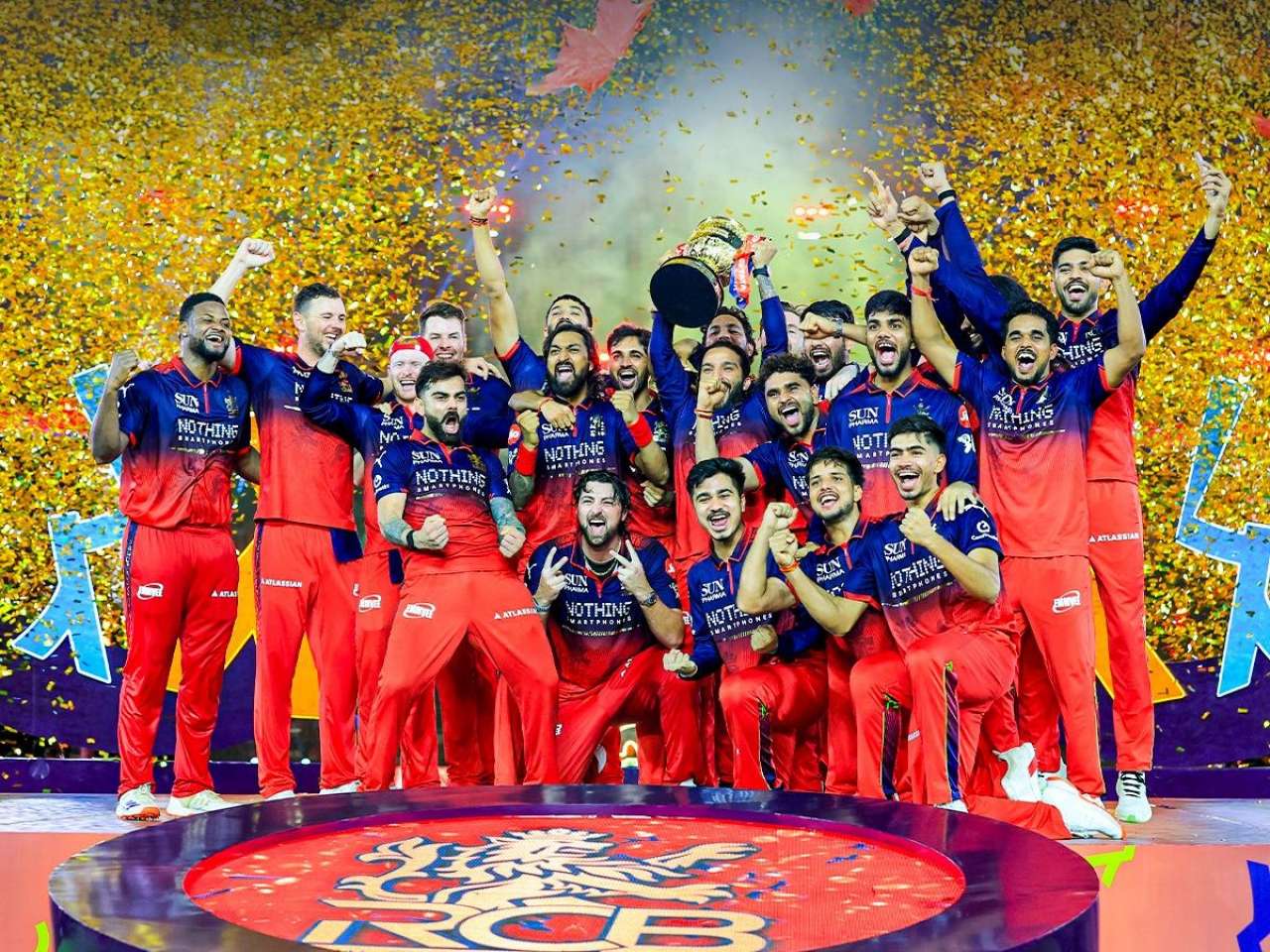
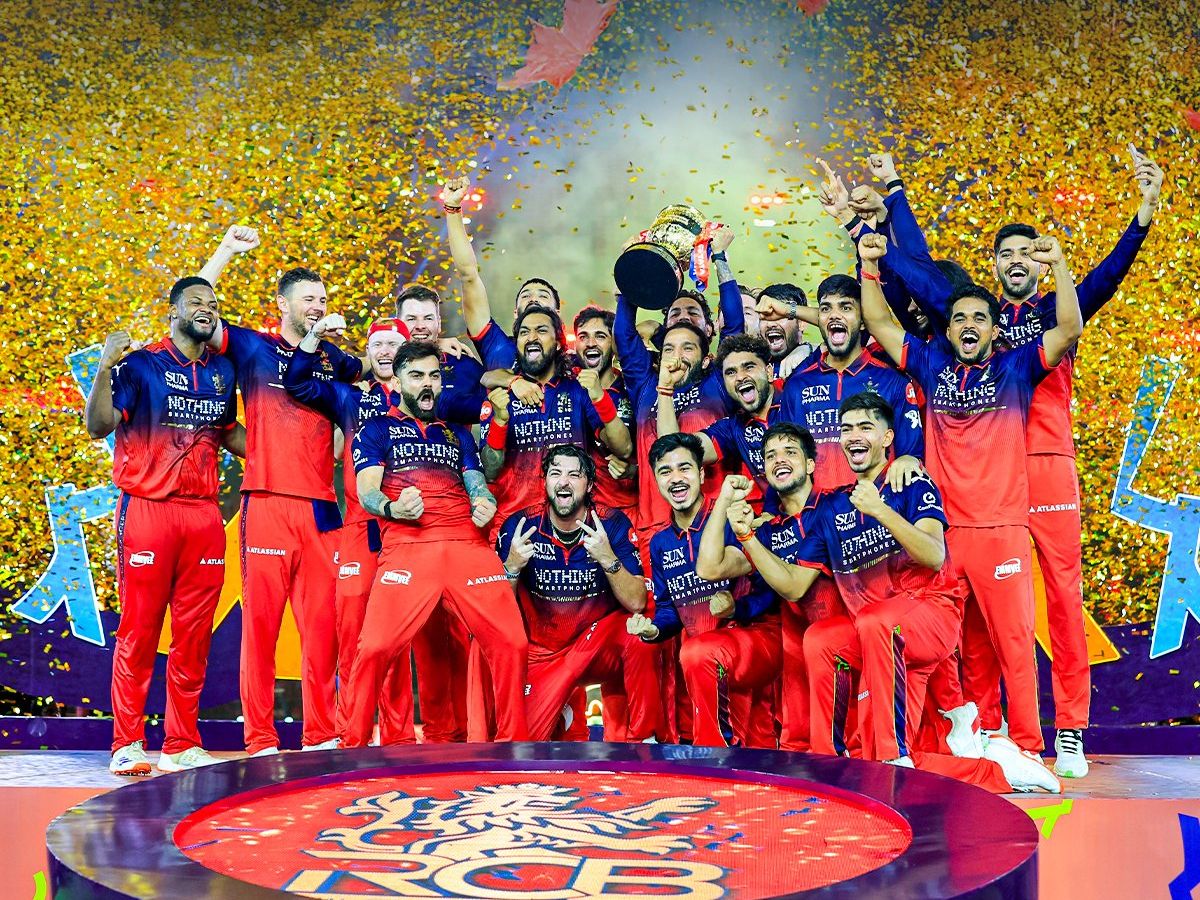
The IPL 2026 final, held at the majestic Narendra Modi Stadium in Ahmedabad on May 31st, saw Royal Challengers Bengaluru, under the dynamic leadership of Rajat Patidar, clinch their second consecutive IPL trophy. They overcame a spirited challenge from the Gujarat Titans, led by Shubman Gill, in a match that, despite its somewhat one-sided nature, captivated millions. RCB’s victory placed them in an exclusive club, making them only the third team in IPL history, alongside Chennai Super Kings and Mumbai Indians, to successfully defend their title.
However, the story of IPL 2026 extends far beyond the boundaries of the cricket pitch. The season collectively amassed a staggering 870 billion minutes of watch time, or 87,000 crore minutes, illustrating the immense dedication of its global fanbase. The grand finale itself became the single most-watched match in the tournament’s 19-year history, reaching over 400 million screens across various platforms. This phenomenal reach contributed to an overall season viewership that soared over an astounding 1.2 billion, reflecting a significant 7% year-on-year growth.
)
Individual brilliance also illuminated the season, with several players leaving an indelible mark. Fifteen-year-old sensation Vaibhav Sooryavanshi emerged as the breakout star, rewriting record books with his exceptional batting prowess. He not only secured the coveted Orange Cap for scoring 776 runs but also became the youngest player ever to achieve this feat. Sooryavanshi’s phenomenal season earned him the Most Valuable Player (MVP) award and the Emerging Player award, further cementing his status as a prodigious talent. His ability to smash a record 72 sixes and maintain the highest strike rate of the season made him a fan favourite and a testament to the IPL’s knack for unearthing future stars. On the bowling front, Gujarat Titans’ pace spearhead Kagiso Rabada claimed the Purple Cap with 29 wickets, while his teammate Sai Sudharsan earned the award for hitting the most fours.
Chronology of the 2026 Season: A Narrative of Triumph and Records
The journey to these historic viewership numbers and RCB’s consecutive title began long before the first ball was bowled. The anticipation for IPL 2026 was palpable, fueled by the previous season’s success and the strategic retentions and acquisitions made during the auction. Teams meticulously crafted their squads, with established veterans and promising youngsters vying for a spot in the cricketing extravaganza.

The League Stage: A Crucible of Talent and Drama
The league stage of IPL 2026 was a rollercoaster of emotions, featuring fierce rivalries, nail-biting finishes, and individual masterclasses. From the outset, teams like Royal Challengers Bengaluru and Gujarat Titans showcased consistent form, signaling their intent for the title. However, the season was also characterized by the emergence of several dark horses and unexpected upsets, keeping the points table dynamic and engaging until the very last week. New talents, like the prodigious Vaibhav Sooryavanshi, began to make headlines early on, capturing the imagination of fans with fearless hitting and mature performances far beyond his years. The strategic brilliance of captains, the tactical prowess of coaches, and the sheer athleticism of the players combined to deliver a compelling narrative throughout the 70-plus matches. Each game contributed to the cumulative watch time, as fans tuned in to witness the unfolding drama, the fierce competition for playoff spots, and the individual battles between bat and ball.
The Road to the Final: Eliminators and Qualifiers
As the league stage concluded, the focus shifted to the high-stakes playoffs. The eliminators and qualifiers were tense affairs, with teams battling for survival and a coveted spot in the final. RCB, having demonstrated consistent form throughout the league stage, navigated the playoff challenges with strategic brilliance and collective effort. Their journey was marked by dominant performances that showcased their depth in batting and a disciplined bowling attack. Similarly, the Gujarat Titans, under Shubman Gill’s captaincy, proved their mettle, overcoming formidable opponents to secure their place in the championship decider. The intensity of these knockout matches further fueled viewership, as fans braced themselves for the ultimate clash.
)
The Grand Finale: RCB vs. GT at Narendra Modi Stadium
The stage was set for the final on May 31st at the iconic Narendra Modi Stadium in Ahmedabad, a venue known for its grand scale and electrifying atmosphere. The contest pitted the defending champions, Royal Challengers Bengaluru, against the formidable Gujarat Titans. After winning the toss, Gujarat Titans opted to bat first but struggled to build significant momentum against a disciplined RCB bowling attack. They managed to post a modest total of 155 for 8 in their allotted 20 overs, a score that, while not insurmountable, offered a glimmer of hope for their bowlers.
The chase began with RCB’s openers setting a steady rhythm, laying a solid foundation. While wickets fell at crucial junctures, the Royal Challengers Bengaluru batsmen maintained their composure, keeping the required run rate in check. The moment of triumph arrived in the 18th over, as veteran superstar Virat Kohli, a player who has been synonymous with RCB since the inception of the IPL, stepped up to seal the victory. With a powerful six, Kohli not only brought up the winning runs but also ensured RCB’s second consecutive IPL title, igniting jubilant celebrations among fans and players alike. The image of Kohli hitting the winning runs and the team celebrating became an instant classic, encapsulating the spirit and triumph of the 2026 season.
)
Supporting Data and Viewership Metrics: A Deep Dive into Record-Breaking Engagement
The IPL 2026 season has not merely broken records; it has redefined the parameters of sports viewership, especially in the digital age. The numbers speak volumes about the tournament’s unparalleled reach and the evolving habits of its audience.
The 870 Billion Minute Milestone:
The most striking figure from the 2026 season is the staggering 870 billion minutes of cumulative watch time. To put this into perspective, 870 billion minutes translates to over 14.5 billion hours, or roughly 1.65 million years of continuous viewing. This colossal figure is a testament to the sustained engagement of fans across all matches, from the opening fixture to the grand finale. It signifies not just passive viewership but active dedication, with fans committing significant portions of their time to follow their favourite teams and players. This metric is a crucial indicator of the IPL’s cultural impact and its ability to consistently deliver captivating content.
)
Unprecedented Reach and Growth:
JioStar, the official streaming partner, reported that the TATA IPL 2026’s total reach soared over an astounding 1.2 billion, reflecting a robust 7% growth year-on-year. This growth indicates a continuous expansion of the IPL’s audience base, drawing in new viewers while retaining its loyal core. The final match alone, which culminated in RCB lifting the trophy, delivered a viewership double, becoming the most-watched TATA IPL match ever, reaching over 400 million across screens. This figure highlights the immense anticipation and excitement surrounding the championship decider, where a significant portion of the total audience tuned in simultaneously.
The Rise of Digital and Connected TV (CTV):
A significant factor contributing to these record-breaking numbers is the exponential growth of digital streaming platforms, particularly JioStar, and the increasing adoption of Connected TV (CTV). While traditional television still holds sway, the flexibility and personalized experience offered by digital platforms have transformed how fans consume sports. The statement from JioStar explicitly mentioned "CTV’s communal experience and regional-language presentation becoming unprecedented growth drivers." This suggests that families and groups are increasingly gathering around large smart TVs to watch matches, mimicking the traditional TV viewing experience but with the added benefits of digital interactivity and choice of commentary languages. The availability of multiple regional language commentary options has played a pivotal role in democratizing access and making the IPL more inclusive, resonating deeply with diverse linguistic communities across India.
)
Beyond the Numbers: The Story of Engagement:
The success isn’t just about raw numbers; it’s about the quality of engagement. As highlighted by JioStar, the season was "marked by new heroes, never-before-seen performances, and compelling sub-plots." These narrative elements are crucial in keeping viewers "glued to screens." The emergence of a prodigy like Vaibhav Sooryavanshi, the consistent excellence of established stars like Virat Kohli, the tactical battles between captains, and the ebb and flow of individual matches all contributed to a rich and varied viewing experience. The competitive nature of the tournament, where every team had a chance to make an impact, ensured that interest remained high throughout the lengthy season.
Official Responses and Industry Insights: The Architects of Success
The record-breaking success of IPL 2026 is not merely a happy accident but the result of strategic planning, technological innovation, and a deep understanding of fan psychology. Official statements from key stakeholders shed light on the vision behind this achievement.
)
Ishan Chatterjee, CEO of JioStar, articulated the platform’s overarching strategy and its role in fostering this unprecedented engagement. "TATA IPL 2026 was a season where we set out on our journey of what a truly integrated sports platform should look like," Chatterjee stated. This vision emphasizes a holistic approach to sports consumption, moving beyond passive viewing to active interaction. He further elaborated, "Our endeavour was to make every screen, every interaction, and every moment meaningful, so that fans are not only watching sports on our platform but also interacting with it in ways that are deeply contextual and personal."
This statement underscores a significant shift in sports broadcasting: the move towards personalized and interactive experiences. Features such as multi-camera angles, real-time statistics, fan polls, and interactive commentary options likely played a crucial role in keeping viewers immersed. The ability to switch between languages, for instance, allows a fan from Chennai to watch a game with Tamil commentary, creating a more personal and engaging experience than a generic Hindi or English feed.
)
Chatterjee also highlighted the specific drivers of growth: "The season-ending data is a testament to the efforts we made across platforms, with CTV’s communal experience and regional-language presentation becoming unprecedented growth drivers." This observation confirms the growing importance of Connected TVs, which bridge the gap between traditional television’s large-screen experience and digital streaming’s interactive capabilities. The success of regional language commentary further exemplifies the strategy of tailoring content to diverse audiences, making the IPL accessible and relatable to a broader demographic.
Acknowledging the collaborative effort, Chatterjee concluded, "The final outcome was yet another TATA IPL edition that opened up new possibilities for sponsors, advertisers, distribution partners, and, more importantly, the fans; none of this would have been possible without their faith and the BCCI’s unwavering partnership." This statement emphasizes the symbiotic relationship between the broadcasters, the league organizers (BCCI), and the commercial partners. The record viewership naturally translates into increased value for sponsors and advertisers, who gain unparalleled exposure to a massive and engaged audience. The IPL’s ability to consistently deliver such an audience makes it an incredibly attractive proposition for brands, fostering a virtuous cycle of investment and growth.
)
Industry experts echo Chatterjee’s sentiments, pointing to the IPL’s masterful blend of entertainment and high-quality cricket. Marketing strategists note that the tournament has successfully positioned itself not just as a sporting event but as a cultural phenomenon, deeply woven into the fabric of Indian society. The fan engagement strategies, including social media campaigns, player interactions, and community building, are critical components of this success. Furthermore, the league’s ability to consistently unearth and showcase new talent ensures a fresh narrative each season, preventing stagnation and maintaining interest. The "compelling sub-plots" mentioned by JioStar are often the human stories of struggle, triumph, and redemption that resonate deeply with viewers, turning players into household names and creating lasting emotional connections.
Implications and Future Outlook: Shaping the Future of Cricket and Entertainment
The record-shattering IPL 2026 season carries profound implications across various facets of sports, media, and the broader entertainment industry. Its success serves as a powerful indicator of future trends and sets new benchmarks for sporting leagues worldwide.
)
Implications for IPL as a Global Brand:
The IPL’s consistent ability to break its own viewership records year after year solidifies its status as a global sporting powerhouse. This season’s numbers, particularly the 870 billion minutes of watch time and 1.2 billion reach, unequivocally position the IPL alongside the world’s most valuable sporting properties. This enhanced brand value will inevitably lead to even higher broadcasting rights, sponsorship deals, and franchise valuations in the coming years. The IPL is no longer just a domestic league; it’s a global phenomenon that attracts talent, investment, and viewership from across continents, demonstrating cricket’s universal appeal when packaged with high-octane entertainment.
Implications for Teams and Franchises:
For Royal Challengers Bengaluru, their second consecutive title marks the beginning of a potential dynasty. This success will undoubtedly bolster their brand, expand their already passionate fan base, and increase their market value. For teams like Gujarat Titans, despite the final loss, their journey to the championship game and the performance of players like Sai Sudharsan and Kagiso Rabada enhance their reputation and provide a strong foundation for future seasons. The intense competition and the high stakes of the IPL compel franchises to continually invest in talent development, sports science, and fan engagement, creating a robust ecosystem for professional cricket.
)
Implications for Players and Indian Cricket:
The IPL continues to be the ultimate proving ground for talent. The emergence of a 15-year-old prodigy like Vaibhav Sooryavanshi, who swept major individual awards, is a testament to the league’s ability to identify and nurture future stars. His success will inspire countless young cricketers across India, demonstrating that age is no barrier to achieving greatness. For established players like Virat Kohli, sealing the victory with a six further cements his legendary status and shows the enduring power of veteran experience. The IPL’s role in developing a deep pool of talent for the Indian national team is invaluable, providing young players with exposure to high-pressure situations and world-class competition.
Implications for Broadcasters and Streaming Platforms:
JioStar’s success with IPL 2026 provides a compelling case study for the future of sports broadcasting. The emphasis on an "integrated sports platform" and "deeply contextual and personal" fan interactions points towards a future where passive viewing is replaced by immersive, interactive experiences. The growth of CTV and the success of regional language commentary are clear indicators of evolving consumer preferences. Broadcasters will increasingly need to invest in technological innovation, personalization features, and diverse content offerings to capture and retain audiences in an increasingly fragmented media landscape. This model could serve as a blueprint for other sports leagues seeking to maximize their digital footprint and fan engagement.
)
Economic Impact and Sponsorship Ecosystem:
The record viewership translates directly into substantial economic benefits. Increased reach and engagement make the IPL an incredibly attractive platform for advertisers and sponsors, leading to higher advertising revenues and lucrative sponsorship deals. This financial injection not only sustains the league but also contributes significantly to the broader economy through job creation, infrastructure development around stadiums, and tourism. The IPL’s economic engine drives growth for various industries, from media and advertising to hospitality and merchandise.
The Future of Fan Engagement:
The IPL 2026 season has underscored the power of digital platforms in transforming fan engagement. The future will likely see even more sophisticated interactive features, potentially leveraging virtual reality (VR) and augmented reality (AR) to create truly immersive experiences. Imagine watching a match from a player’s perspective or having real-time holographic statistics projected into your living room. The focus will remain on making every moment "meaningful," fostering a deeper connection between fans, teams, and the sport itself.
)
As the dust settles on IPL 2026, the resounding message is clear: the Indian Premier League is more than just a cricket tournament; it is a global entertainment juggernaut that continues to evolve, innovate, and break barriers. With its blend of high-octane cricket, star power, emerging talents, and cutting-edge broadcasting, the IPL has set a new gold standard for sporting leagues worldwide, ensuring its sustained dominance for years to come. The question is not if these records will be broken again, but by how much, as the IPL continues its upward trajectory in the annals of sports history.
