

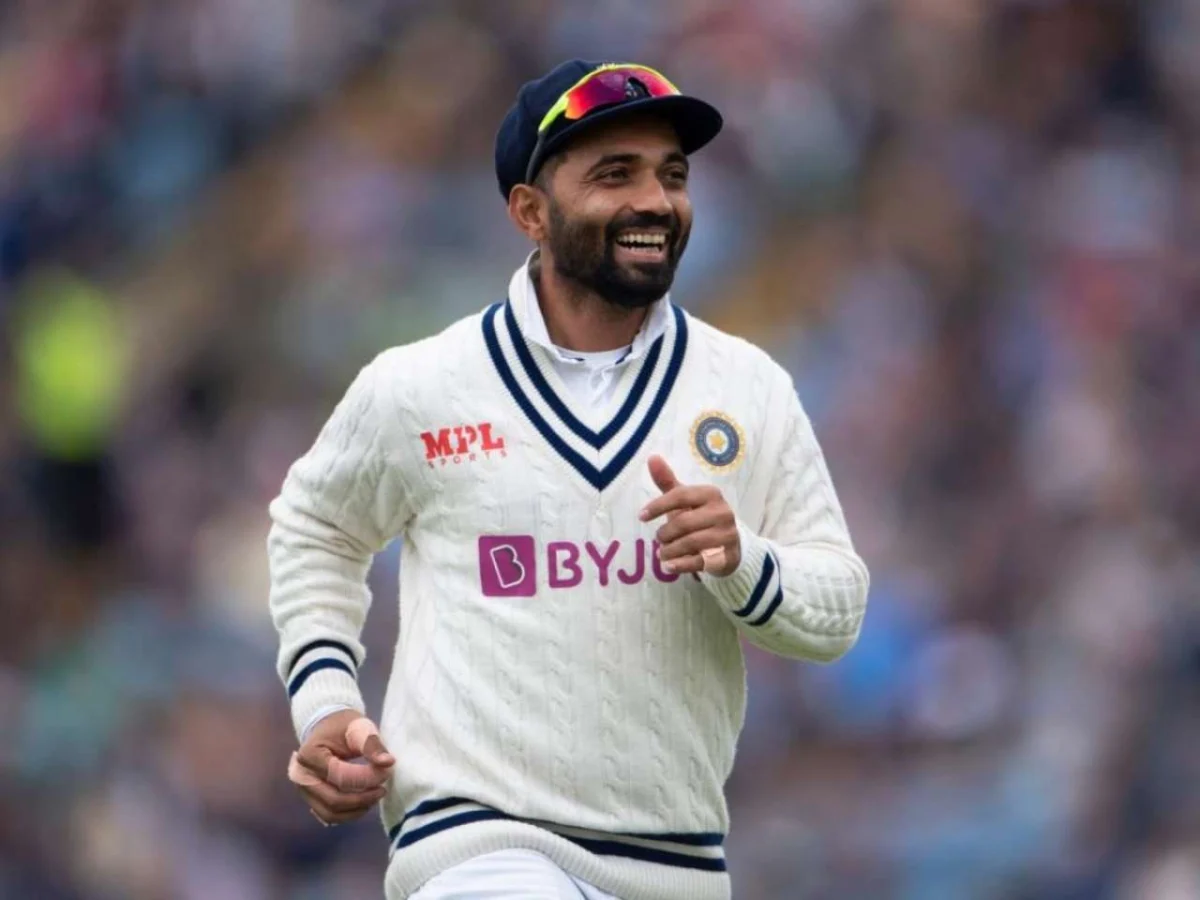
Mumbai, India – In a move that underscores the Board of Control for Cricket in India’s (BCCI) commitment to its former players, Ajinkya Rahane, one of the nation’s most respected and resilient cricketers, is set to receive a fixed monthly pension following his retirement from international and domestic cricket. The announcement came shortly after Rahane, often hailed for his unwavering resolve and tactical acumen, officially drew curtains on his illustrious playing career on July 30. His eligibility for the highest bracket of the BCCI’s pension scheme highlights both his significant contributions to Indian cricket and the evolving landscape of player welfare within the world’s richest cricket board.
Rahane, a veteran of 85 Test matches, 90 One Day Internationals (ODIs), and 20 T20 Internationals, will now benefit from a revised pension structure, receiving a monthly payout of Rs 70,000. This substantial sum reflects a significant hike implemented in 2022, a testament to the BCCI’s ongoing efforts to ensure financial security for its retired stalwarts. His departure from the playing arena marks the end of an era for a cricketer whose calm demeanour often belied a fierce competitor, remembered vividly for leading India to an improbable Border-Gavaskar Trophy victory in Australia in 2020-21. As he transitions into a new phase of life, this pension serves as a crucial foundation, allowing him to explore new avenues within or outside the cricketing ecosystem with peace of mind.
Main Facts: A Pillar of Support for a Pillar of Cricket
Ajinkya Rahane, a name synonymous with resilience and understated brilliance in Indian cricket, officially announced his retirement from all forms of the game on July 30. This decision paved the way for his eligibility to receive a fixed monthly pension from the Board of Control for Cricket in India (BCCI) under its comprehensive player welfare scheme. The former India batter, known for his gritty performances, particularly in Test cricket, will now be a beneficiary of the revised pension structure.
Specifically, Rahane is entitled to a monthly pension of Rs 70,000. This amount falls under the highest bracket of the BCCI’s scheme for retired international cricketers, a category he qualifies for by virtue of having played 85 Test matches for India. The current pension rate represents a significant increase from the previous Rs 50,000, a hike that was implemented four years ago in 2022 during the tenure of Sourav Ganguly as BCCI President. This enhancement reflects the board’s commitment to providing robust financial support to those who have dedicated their lives to representing the nation on the cricket field.
Rahane’s career, spanning over a decade at the international level, saw him amass 85 Test caps, 90 ODIs, and 20 T20Is. Beyond the statistics, he leaves behind a legacy defined by character, especially his remarkable leadership during the historic 2020-21 Border-Gavaskar Trophy triumph in Australia, where he captained a depleted Indian side to an iconic series win. His eligibility for the pension underscores the BCCI’s recognition of such profound contributions, ensuring that even after their playing days are over, national heroes are looked after.
The BCCI’s pension scheme is designed not merely as a gratuity but as a structured financial aid, providing a safety net for cricketers post-retirement. It acknowledges the sacrifices, hard work, and dedication involved in reaching the pinnacle of the sport and the financial uncertainties that can follow the conclusion of a professional athletic career. For Rahane, this pension offers a stable income as he contemplates his next chapter, which he has hinted could involve mentoring young talent and contributing to the future development of Indian cricket.
Chronology: The Evolution of Player Welfare and Rahane’s Journey
The journey of player welfare in Indian cricket, particularly concerning post-retirement benefits, has evolved significantly over decades, mirroring the BCCI’s growth into a financial powerhouse. Concurrently, Ajinkya Rahane’s career trajectory showcases the dedication and sustained performance required to earn such accolades and benefits.
Early Days of Player Welfare and the BCCI Pension Scheme
Historically, professional sports, including cricket, offered limited formal post-retirement financial security for players. In India, while cricket became increasingly popular, the concept of a structured pension scheme by the BCCI is a relatively modern development. For many decades, former cricketers often faced financial hardship after their playing careers concluded, relying on ad-hoc support or benefits from state associations.
The formalization of a comprehensive pension scheme by the BCCI began to take shape in the early 2000s, driven by a growing awareness of the need to support players who had contributed to the sport’s legacy. Initial iterations of the scheme were often modest, focusing primarily on Test cricketers and offering amounts that, while helpful, were not as substantial as today’s provisions. The eligibility criteria were primarily based on the number of international appearances, particularly in Test matches, which were historically considered the pinnacle of the sport.
Key Revisions and Enhancements
Over the years, as the BCCI’s revenues surged, particularly with the advent and success of the Indian Premier League (IPL) and lucrative media rights deals, the board revisited and significantly enhanced its welfare programmes. Key revisions include:
- Initial Increases (2000s-2010s): Incremental increases were made to the pension amounts, and eligibility criteria were sometimes broadened to include a wider pool of former international and, in some cases, prominent domestic cricketers.
- The 2022 Hike (Sourav Ganguly’s Presidency): A landmark revision occurred in 2022. Under the leadership of then-BCCI President Sourav Ganguly and Secretary Jay Shah, a substantial increase was approved. This particular hike saw the pension for cricketers who played 80 or more Tests rise from Rs 50,000 to Rs 70,000. Similar proportionate increases were applied across other categories, including those with fewer Test caps, ODI players, and importantly, first-class cricketers and umpires. This revision was a clear statement of intent from the BCCI to prioritize the financial well-being of its former constituents. Ganguly’s statement at the time encapsulated this philosophy: "It’s extremely important that we look after the financial well-being of our former cricketers. Players are the lifeblood of the sport, and it’s our duty to support them after their careers. Umpires, too, have been unsung heroes, and the BCCI truly values their contribution."
These systematic enhancements transformed the BCCI’s pension scheme into one of the most robust and comprehensive welfare programmes in global sports, providing a significant safety net for a large number of retired players and officials.
Ajinkya Rahane’s Illustrious Career Trajectory
Ajinkya Rahane’s cricketing journey is a narrative of perseverance, technical prowess, and an unyielding spirit.
- Early Promise and Domestic Dominance: Born on June 6, 1988, Rahane honed his skills in Mumbai’s famed cricketing circuits. His consistent performances in first-class cricket for Mumbai, where he amassed significant runs, quickly caught the attention of national selectors.
- International Debut and Rise (2011-2013): Rahane made his international debut in a T20I in August 2011, followed by his ODI debut a month later. His Test debut came in March 2013 against Australia. He quickly established himself as a reliable middle-order batter, particularly valued for his technique against pace and swing in overseas conditions.
- Overseas Maestro and Key Contributions (2014-2018): Rahane’s prime saw him score crucial centuries in challenging conditions, including match-winning hundreds in places like Lord’s (England), Melbourne (Australia), and Wellington (New Zealand). His ability to adapt and perform under pressure made him an indispensable part of India’s Test team, especially away from home. He was often lauded for his catching in the slips, becoming one of the safest hands in the world.
- Captaincy and Historic Triumph (2020-2021): Perhaps the defining moment of his career came when he led India in the absence of Virat Kohli during the 2020-21 Border-Gavaskar Trophy in Australia. After a humiliating defeat in the first Test, Rahane’s calm and astute leadership guided a young, injury-ravaged Indian side to a remarkable 2-1 series victory, including a heroic hundred at the MCG. This captaincy stint cemented his legacy as a selfless leader and a true fighter.
- Challenges and Final Years (2021-2024): Post the Australian triumph, Rahane faced a period of inconsistent form, leading to his eventual exclusion from the Test squad. Despite brief comebacks and a resurgence in domestic cricket and the IPL, he struggled to reclaim a permanent spot.
- Retirement Announcement (July 30): After a distinguished career spanning 85 Tests (scoring 5077 runs with 12 centuries), 90 ODIs (2962 runs with 3 centuries), and 20 T20Is (375 runs), Rahane announced his retirement from all forms of cricket. His decision, while anticipated by many, was met with widespread respect and appreciation from fans and former teammates alike. This announcement formally triggered his eligibility for the BCCI’s pension scheme, allowing him to embark on his next chapter with financial security.
Supporting Data: The BCCI’s Robust Welfare Framework and Financial Might
The BCCI’s pension scheme for retired cricketers is not an isolated initiative but part of a broader, well-funded welfare framework that positions the Indian cricket board as a global leader in supporting its athletes. This robust system is underpinned by the BCCI’s unparalleled financial strength, derived from a highly lucrative commercial ecosystem.
Comprehensive Pension Brackets and Eligibility
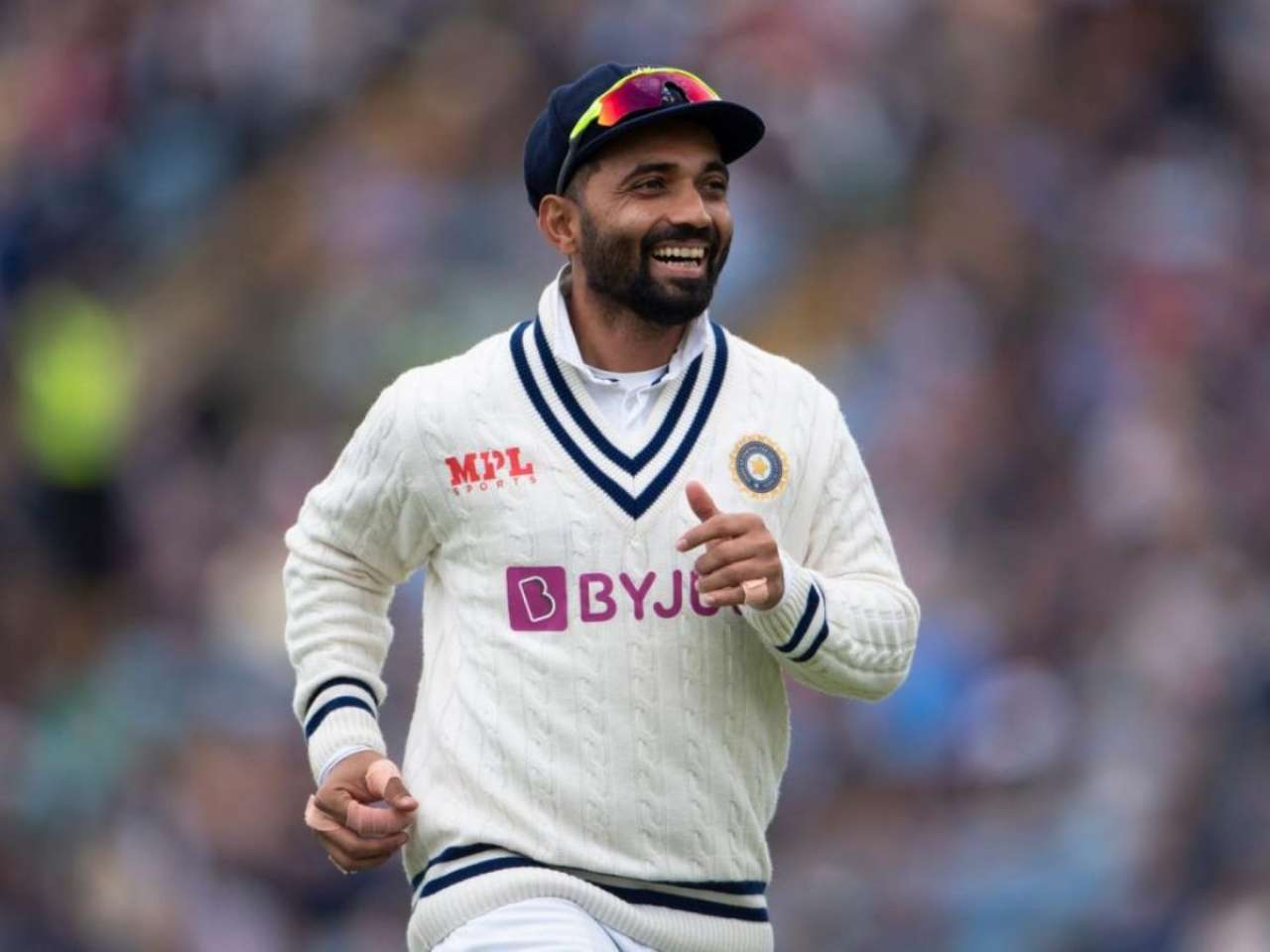
The BCCI’s pension scheme is meticulously structured, offering varying levels of support based on a player’s contribution, primarily measured by the number of international matches played. While the original article focuses on Ajinkya Rahane’s bracket, it’s essential to understand the full scope of the scheme:
- Test Cricketers (Post-2022 Hike):
- 80+ Tests: Rs 70,000 per month (Ajinkya Rahane’s category).
- 50-79 Tests: Rs 60,000 per month.
- 25-49 Tests: Rs 50,000 per month.
- 10-24 Tests: Rs 45,000 per month.
- Less than 10 Tests: Rs 35,000 per month.
- ODI Cricketers (No Test Appearances): For players who represented India solely in ODIs, there are specific provisions, often tied to a minimum number of matches (e.g., 20+ ODIs) with amounts typically in the range of Rs 30,000-40,000 per month, subject to specific board resolutions.
- First-Class Cricketers: Crucially, the BCCI also extends pension benefits to first-class cricketers who have played a significant number of matches (e.g., 100+ first-class games) but may not have represented India internationally. These pensions are typically lower than those for international players but provide vital support to a larger pool of former domestic professionals, reflecting the board’s recognition of their foundational role in Indian cricket.
- Women Cricketers: In recent years, the BCCI has also extended pension benefits to former women international cricketers, a progressive step towards equitable recognition.
- Umpires: As highlighted by Sourav Ganguly, umpires, who are often the unsung heroes of the game, also receive pensions based on their tenure and level of officiating (e.g., international, first-class).
These structured brackets ensure that a wide range of individuals who have contributed to Indian cricket receive sustained financial assistance, moving beyond ad-hoc gestures to a systemic welfare approach.
Other Welfare Initiatives and Benevolent Funds
Beyond monthly pensions, the BCCI operates several other welfare programmes:
- One-Time Ex-Gratia Payments: From time to time, the BCCI approves one-time ex-gratia payments to former cricketers, particularly those facing medical emergencies or financial distress, who may not fully qualify for the regular pension scheme or require additional support. These payments are often substantial and provide immediate relief.
- Medical Benefits: The board has established schemes to cover medical expenses for former international and first-class cricketers, ensuring access to quality healthcare in their post-playing years. This is a critical benefit, addressing a major concern for many retired athletes.
- Benevolent Funds: State associations, often supported by BCCI grants, also maintain benevolent funds to assist local cricketers and their families in times of need.
- Player Education and Development: While not directly a post-retirement benefit, the BCCI increasingly focuses on player education during their active careers to prepare them for life after cricket, offering workshops on financial planning, career transitions, and mental well-being.
The BCCI’s Financial Colossus
The ability of the BCCI to fund such extensive welfare schemes stems from its unparalleled financial prowess. The board is widely considered the richest cricket board globally, with its revenue streams far exceeding those of any other national cricket body. Key sources of this immense wealth include:
- Indian Premier League (IPL): The IPL is a monumental revenue generator, with massive broadcasting rights, title sponsorships, and franchise fees contributing billions to the BCCI’s coffers. Its commercial success has fundamentally reshaped the financial landscape of Indian cricket.
- International Media Rights: Deals for broadcasting India’s international matches are incredibly lucrative, commanding top dollar from global media conglomerates.
- Sponsorships and Endorsements: The BCCI attracts numerous high-value sponsors for its teams, tournaments, and various initiatives.
- ICC Revenue Share: As a dominant force in world cricket, India receives a significant share of the International Cricket Council’s (ICC) revenue.
This robust financial health allows the BCCI not only to invest in infrastructure, grassroots development, and player salaries but also to maintain and continually enhance its player welfare programmes, setting a benchmark for sports federations worldwide. The commitment to Rahane’s pension is a direct reflection of this financial capacity and a strategic decision to reinvest in the human capital that has built the sport’s empire in India.
Official Responses and Stakeholder Perspectives
The BCCI’s pension scheme, particularly its recent enhancements, has garnered widespread approval from various stakeholders within the cricketing fraternity, reflecting a collective belief in the importance of player welfare.
Sourav Ganguly’s Vision
Sourav Ganguly, during his tenure as BCCI President, was a vocal proponent of strengthening the board’s commitment to its former players and officials. His statement at the time of the 2022 pension hike succinctly captured the ethos behind the initiative: "It’s extremely important that we look after the financial well-being of our former cricketers. Players are the lifeblood of the sport, and it’s our duty to support them after their careers. Umpires, too, have been unsung heroes, and the BCCI truly values their contribution."
This quote is significant because it articulates a philosophy that transcends mere obligation. Ganguly, himself a legendary former captain, understood firsthand the demands and sacrifices of a cricketing career. His emphasis on players as the "lifeblood of the sport" underscores the recognition that without their talent and dedication, the entire cricketing ecosystem would cease to exist. His inclusion of umpires also highlights a holistic approach to welfare, acknowledging all key contributors to the game.
BCCI’s Stance and Future Commitments
The current BCCI administration, led by President Roger Binny and Secretary Jay Shah, has consistently reiterated its commitment to upholding and, where possible, improving player welfare programmes. Statements from BCCI officials often emphasize that supporting former players is not just a responsibility but a moral imperative. They view these schemes as an investment in the sport’s legacy and future.
"The BCCI is committed to ensuring that those who have served Indian cricket with distinction are provided with the necessary support in their post-playing years," a BCCI spokesperson might typically state. "Our welfare initiatives are constantly reviewed to ensure they remain relevant and adequate, reflecting the growth and prosperity of Indian cricket." This proactive stance suggests that further enhancements to these schemes are always a possibility, contingent on the board’s financial health and evolving needs.
Players’ Perspectives: Gratitude and Advocacy
For former cricketers like Ajinkya Rahane, the pension scheme provides immense relief and a sense of dignity. While current top-tier cricketers often earn substantial sums during their playing careers, many others, particularly those from earlier generations or those who had shorter international stints, benefit profoundly from this stable income.
"It’s a great initiative by the BCCI," a former cricketer might comment anonymously. "Knowing that the board cares for you even after you’ve stopped playing gives you a lot of peace of mind. It allows us to transition into new roles or simply enjoy retirement without constant financial worry." There is generally widespread appreciation for the scheme, seen as a positive evolution from times when players had very little to fall back on.
However, some voices within the cricketing community occasionally advocate for even broader coverage, perhaps for more domestic players, or for adjustments to account for inflation over time. These suggestions are usually framed constructively, seeking to further refine an already commendable system.
)
Cricket Pundits and Analysts: A Model for Sports Governance
Cricket pundits and sports analysts often laud the BCCI’s welfare programmes as a benchmark for other sports federations globally. They point to the robust financial backing and the structured nature of the schemes as evidence of responsible governance.
"The BCCI’s commitment to its former players is truly commendable," remarks a leading sports journalist. "In an era where many athletes in other sports struggle post-retirement, Indian cricketers, particularly those who have played at the international level, have a safety net. This not only rewards past contributions but also inspires current players, showing them that their sacrifices will be remembered and compensated."
This perspective highlights the dual benefit of such schemes: providing direct financial assistance and fostering a positive environment within the cricketing ecosystem, where players feel valued and secure throughout their journey, from debut to retirement. The collective sentiment is that the BCCI, by prioritizing player welfare, is investing in the long-term health and integrity of Indian cricket.
Implications: Rahane’s Next Chapter and the Broader Impact on Indian Cricket
Ajinkya Rahane’s retirement and subsequent eligibility for the BCCI pension scheme carry significant implications, not only for his personal future but also for the broader landscape of player welfare and the perception of a cricketing career in India.
Rahane’s Post-Retirement Plans and Financial Stability
For Ajinkya Rahane, the monthly pension of Rs 70,000 offers crucial financial stability as he navigates the transition from active player to a new phase of life. Unlike many professional athletes who face an abrupt end to their primary income stream post-retirement, Rahane now has a reliable source of funds. This financial cushion allows him to pursue his hinted aspirations without immediate pressure.
Rahane has expressed an interest in "mentoring young cricketers and helping guide the future of Indian cricket." This could manifest in several ways:
- Coaching: He possesses a wealth of experience, particularly in Test match cricket and leadership, which would make him an invaluable asset to state teams, national age-group sides, or even IPL franchises as a batting coach or mentor.
- Commentary/Punditry: His deep understanding of the game and articulate communication style could see him transition into a role as a cricket commentator or television pundit.
- Administration: Given his captaincy experience and calm temperament, a future role in cricket administration, perhaps at the Mumbai Cricket Association or even the BCCI, is not inconceivable.
- Academy/Foundation: He might choose to establish his own cricket academy or work with existing foundations to nurture talent at the grassroots level.
The pension ensures that Rahane can carefully consider these options, taking roles that genuinely align with his passion for cricket development rather than being compelled by financial necessity. This freedom of choice is a significant benefit of the BCCI’s welfare program.
The Pension Clause: A Strategic Policy
One important rule associated with the BCCI pension scheme is that the payout will pause if the recipient takes up an official, salaried role with the BCCI or its affiliated state associations. "He’ll keep getting his pension as long as he isn’t working officially with the BCCI. If he takes up a role as a coach or administrator for the board, the pension will pause while he earns a salary for that work."
The rationale behind this clause is multi-faceted:
- Preventing Double Dipping: It prevents individuals from drawing both a pension and a salary from the same organization for active service, ensuring that funds are allocated efficiently.
- Equitable Distribution: It ensures that the welfare funds are primarily directed towards those who are truly retired from formal employment within the cricketing structure, allowing the pension scheme to benefit a wider array of deserving individuals.
- Focus on Contribution: When a former player takes on a coaching or administrative role, their new remuneration reflects their current contribution and responsibility, making the pension redundant during that period. Should they retire from that official role, the pension would typically resume.
This clause is a standard practice in many pension systems and reflects a pragmatic approach to managing welfare funds while incentivizing continued engagement with the sport in a different capacity.
Impact on Future Generations and the Legacy of Rahane
The existence and continuous enhancement of schemes like the BCCI pension have a profound impact on current and future generations of cricketers.
- Motivation and Security: Knowing that a robust safety net exists post-retirement can be a significant motivator for young cricketers. It instills a sense of security, allowing them to focus wholeheartedly on their game without undue anxiety about their financial future after their playing days.
- Attracting Talent: Such comprehensive welfare programmes can make cricket an even more attractive career choice, potentially drawing more talent into the professional setup, knowing that the sport offers not just fame and fortune during active years but also dignity and security in retirement.
- Rahane’s Role Model Status: Ajinkya Rahane’s dignified exit, coupled with the recognition of his contributions through the pension, reinforces his image as a role model. His journey, from a young aspiring cricketer to an international stalwart, now concludes with a testament to the BCCI’s commitment, setting a positive precedent for how Indian cricketing heroes are valued. His legacy will not just be about his runs and captaincy but also about representing a generation that benefited from a more structured and supportive cricketing ecosystem.
Sustainability and Future Evolution
The long-term sustainability of the BCCI’s welfare programmes is crucial. Given the board’s immense financial strength and diversified revenue streams (primarily the IPL and media rights), the scheme appears robust. However, continuous review and adaptation are necessary to account for inflation, changing demographics of cricketers, and evolving economic conditions. There might be future discussions about expanding coverage to more domestic cricketers, increasing amounts further, or introducing more specialized benefits (e.g., mental health support for retired athletes).
Ultimately, the provision of a pension to a player of Ajinkya Rahane’s stature signifies more than just a financial transaction. It symbolizes a mature and responsible approach to sports governance, recognizing that the health of the sport is intrinsically linked to the well-being of its most vital assets: its players. As Rahane embarks on his next chapter, his pension stands as a powerful reminder that Indian cricket truly values its champions, long after the last ball has been bowled.
