

Los Angeles, USA – June XX, 2026 – In an unprecedented confluence of sport and geopolitics, the FIFA World Cup 2026 kicks off for Group G today with a fixture that transcends the pitch: Iran versus New Zealand at the iconic Los Angeles Stadium. This opening clash, scheduled just a day after the United States and Iran announced a tentative agreement to end their recent conflict and reopen the strategically vital Strait of Hormuz, transforms a routine group-stage match into a potent symbol of fragile peace and the unifying power of football.
The Iranian national team, Team Melli, arrives on US soil having endured a build-up marred by the very conflict that now, ironically, casts a shadow of cautious optimism over their debut. Their journey from a war-torn nation to the heart of "Tehrangeles"—Los Angeles, home to the largest Iranian diaspora outside Iran—is a narrative woven with logistical nightmares, security concerns, and the immense psychological burden of representing a nation navigating an immediate and dramatic shift in its international standing.
For 90 minutes, however, the focus will ostensibly shift to the sport. New Zealand, the All Whites, enter the fray as a formidable Oceanic force, boasting a flawless qualification campaign. Yet, even for them, this match is unlike any other, thrust into a geopolitical drama that dwarfs the usual World Cup spectacle. As the world watches, this encounter will be dissected not just for its sporting outcome, but for its profound implications on diplomacy, reconciliation, and the future of international events in an increasingly interconnected and volatile world.
Chronology of Conflict and Compromise: A Tumultuous Road to Los Angeles
The path leading to this extraordinary fixture has been anything but smooth, marked by escalating tensions, a devastating conflict, and a last-minute diplomatic scramble. The geopolitical backdrop to the FIFA World Cup 2026 has been defined by a period of intense hostility between the United States and Iran, a conflict that reached a devastating climax in the months preceding the tournament.
The Escalation of Conflict
Tensions between Washington and Tehran had been simmering for years, rooted in disagreements over nuclear ambitions, regional influence, and maritime security in the Persian Gulf. The Strait of Hormuz, a critical chokepoint for global oil supplies, became a recurring flashpoint. Escalations in early 2026 saw a series of tit-for-tat actions, including cyberattacks on critical infrastructure, naval skirmishes, and proxy conflicts in the broader Middle East. Economic sanctions intensified, further isolating Iran and exacerbating internal pressures. The rhetoric from both sides grew increasingly hostile, leading to a breakdown in diplomatic channels and fears of an all-out war.
The Tragic Turning Point
The fears materialized into a stark reality on February 28. In a series of coordinated military strikes, the United States and its allies, including Israel, launched targeted missile attacks on key strategic locations within Iran. The initial strikes proved devastating, with reports confirming the death of Iran’s Supreme Leader, Ayatollah Ali Khamenei. This unprecedented event sent shockwaves across the globe, triggering widespread condemnation, calls for immediate de-escalation from international bodies, and a significant escalation of hostilities. Iran retaliated with its own missile barrages, targeting US military assets in the region, bringing the world to the brink of a wider regional conflagration. The war, though relatively short-lived in its most intense phase, caused significant disruption, loss of life, and economic instability. The Strait of Hormuz was effectively closed to international shipping, crippling global trade and sending oil prices soaring.
Team Melli’s Disrupted Preparations
Amidst this geopolitical maelstrom, the Iranian national football team, Team Melli, found itself caught in an unimaginable predicament. Their meticulously planned build-up for the World Cup was thrown into disarray. Originally slated to establish a training base in Tucson, Arizona, the escalating conflict rendered this impossible. Visa complications, travel restrictions, and security concerns forced a last-minute relocation. The team initially sought to move their base to Baja California, Mexico, a decision necessitated by the war and the inability to enter the United States directly.
This constant upheaval took a heavy toll. Captain Mehdi Taremi, a veteran striker, candidly expressed the team’s challenges, noting the "multiple disruptions" created by the war. "Unlike the rest of the 47 teams, The Iranians have not had the best of the build-up to the FIFA World Cup," Taremi lamented before the game. "There’s a lot of tension. You feel it in the atmosphere." The players, already under immense pressure to perform on the world stage, also carried the emotional weight of their nation’s suffering.
FIFA’s Stance and Diplomatic Overtures
Throughout this period, FIFA, the global football governing body, faced an unprecedented dilemma. While committed to the principle of separating politics from sport, the practicalities of a war involving a host nation and a participating team were undeniable. FIFA firmly rejected Iran’s desire to play its group-stage matches outside the U.S., citing "logistics and contracts wouldn’t allow it." This decision, while maintaining the integrity of the tournament’s structure, placed immense pressure on diplomatic channels to find a solution.
Behind the scenes, intense, covert negotiations began, facilitated by several neutral nations and international organizations. The dire economic consequences of the closed Strait of Hormuz, coupled with the desire to prevent further escalation, spurred both Washington and Tehran towards the negotiating table. The upcoming World Cup, and the presence of the Iranian team, inadvertently provided an additional, if symbolic, incentive for de-escalation. The idea that a sporting event could take place amidst such animosity was deemed untenable by many, including key sponsors and broadcasters.
The Day Before: A Fragile Peace
The breakthrough came just hours before the World Cup opener. On Sunday, June XX, the United States and Iran reached a tentative agreement. The core tenets of the deal included a ceasefire, the reopening of the Strait of Hormuz to international shipping, and a commitment to further diplomatic talks aimed at a lasting peace. The news, though cautiously received, sent ripples of relief across the globe.
In the immediate aftermath of the agreement, the Iranian team, who had been based in Tijuana, Mexico—approximately 140 miles (225 kilometers) from the stadium—received the green light for their journey to Los Angeles. They arrived on Sunday, a mere day before their inaugural match. The logistics remained complex: "Iranian players will cross over into the US from their base in Mexico’s Tijuana the day before their games, play the match, and return to Mexico the same night," the article notes, highlighting the lingering security protocols and the tentative nature of the peace. This unique arrangement underscores the extraordinary circumstances surrounding Iran’s participation, a stark reminder that while a peace deal has been struck, the wounds of conflict are fresh and healing is a long process.
Supporting Data and Context: A City Divided, A World Watching
The stage for this historic encounter is set in Los Angeles, a city that itself embodies the complex interplay of cultures and geopolitics.
Tehrangeles: A Unique Backdrop
Los Angeles is famously known as "Tehrangeles" due to its vast Iranian diaspora, the largest outside Iran. This community, estimated to be hundreds of thousands strong, represents a diverse spectrum of political views, religious beliefs, and experiences—from those who fled the 1979 revolution to more recent immigrants. For this community, the match is more than just a game; it’s a deeply personal event. Many Iranian-Americans will feel a profound connection to Team Melli, their national team, while simultaneously grappling with their identity as residents of the host nation, the United States.
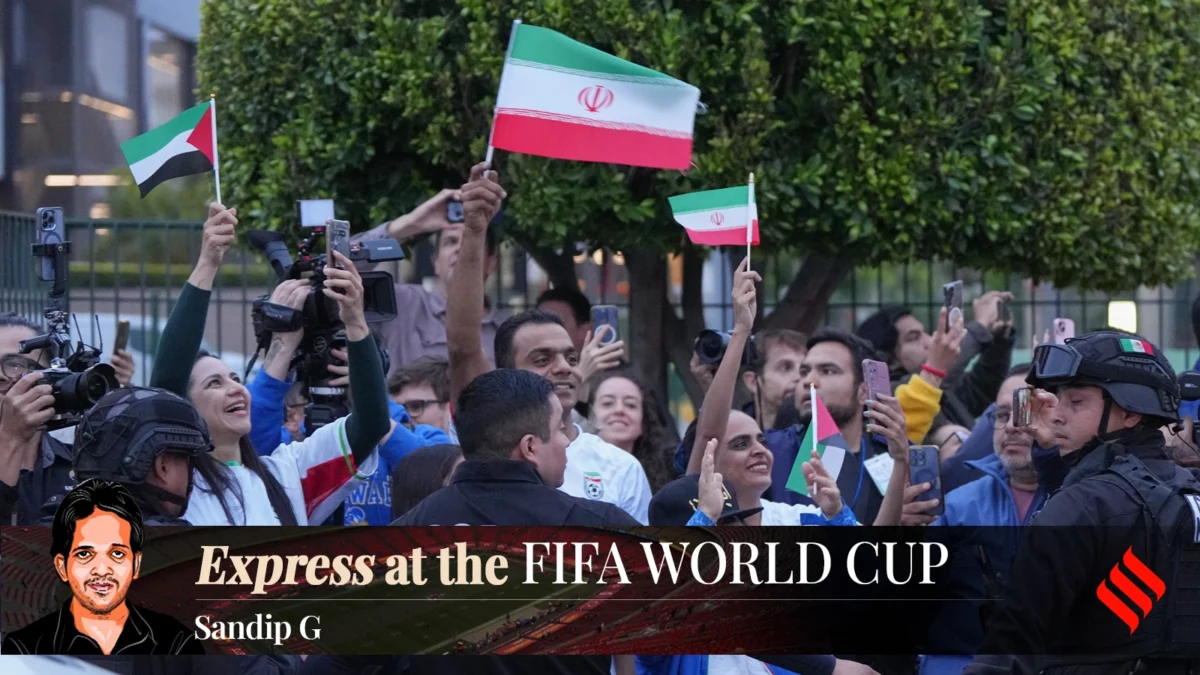
The atmosphere in "Tehrangeles" is expected to be electric, yet complex. There will be fervent displays of national pride, with fans donning Iranian colours and waving flags. However, beneath the surface, there will be a tapestry of emotions: hope for the nascent peace, lingering skepticism about the diplomatic breakthrough, and perhaps even internal divisions over the team’s presence on American soil after such a devastating conflict. The stadium itself will be a microcosm of this community, with cheers and chants reflecting both unity and underlying tensions.
Sporting Pedigree: Iran and New Zealand’s Journey
Beyond the political drama, there is a football match to be played, featuring two teams with distinct journeys to the world stage.
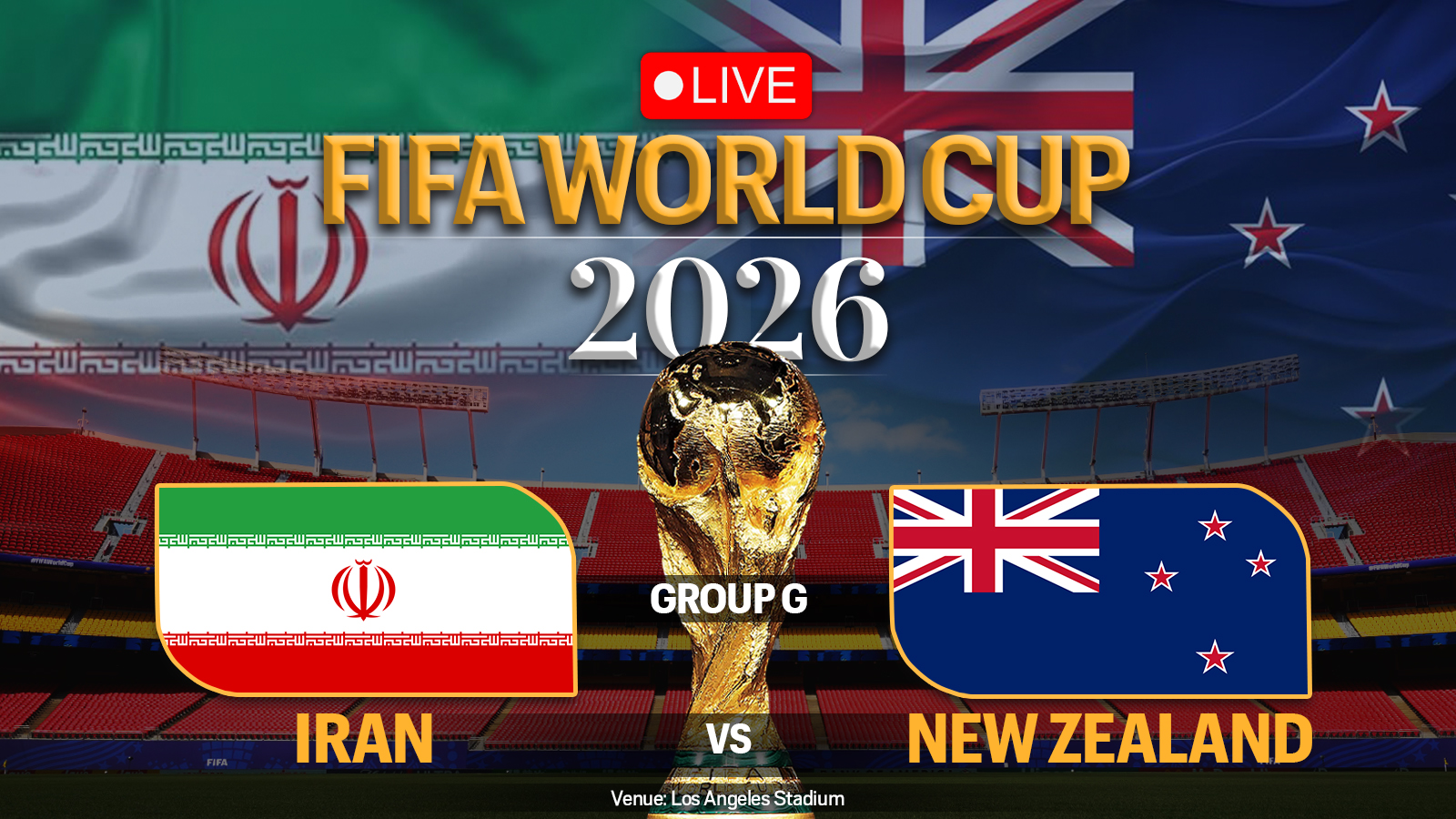
Iran: The Resilient Force
Team Melli’s qualification campaign for the 2026 World Cup was a testament to their resilience and tactical prowess. They navigated a demanding 16-match qualification event, losing only one game, demonstrating their consistency and strength within Asian football. This marks Iran’s seventh appearance at the FIFA World Cup, having previously qualified in 1978, 1998, 2006, 2014, 2018, and 2022. While they have yet to progress beyond the group stage, their performances have consistently shown them to be a difficult opponent, known for their defensive solidity and flashes of individual brilliance. Key players like Sardar Azmoun and captain Mehdi Taremi bring European club experience and goal-scoring threat, making them a potent force capable of springing surprises. Their team ethos, often described as fiercely patriotic and disciplined, will be amplified by the unique circumstances of this tournament.
New Zealand: The Oceanic Underdogs
New Zealand, the All Whites, arrive at their third FIFA World Cup finals on the back of a flawless campaign in the Oceania Football Confederation. Their journey through qualification was dominant, reflecting their status as the region’s strongest team. Previous World Cup appearances in 1982 and 2010 saw them earn respect for their tenacity, famously going undefeated in the 2010 group stage, albeit without securing a win. Often considered underdogs on the global stage, New Zealand brings a strong collective spirit, physical robustness, and a tactical discipline honed by playing against higher-ranked opposition in friendlies. Their squad blends experienced European-based professionals with emerging talents, eager to make their mark. For New Zealand, this match is a significant opportunity to showcase their progress and challenge perceptions, even if the external narrative is dominated by their opponents’ extraordinary circumstances.
Security Apparatus on High Alert
Given the recent conflict and the high-profile nature of the match, security around the Los Angeles Stadium is unprecedented. Federal, state, and local law enforcement agencies have been working in overdrive, coordinating a multi-layered security plan. This includes heightened surveillance, extensive perimeter checks, crowd control measures, and rapid response units. The presence of both pro-peace and potentially dissident elements within the Iranian diaspora, coupled with the general risks associated with major international events, necessitates an extreme level of vigilance. Authorities are prepared for any contingency, from peaceful demonstrations to potential attempts to disrupt the event. The seamless execution of security protocols will be crucial in ensuring the safety of players, officials, and tens of thousands of fans, and in upholding the integrity of the fragile peace.
Official Responses and Voices: Echoes of Tension and Hope
The unique circumstances surrounding the Iran-New Zealand match have elicited a range of responses from key figures across the sporting and political spectrum.
Captain Taremi’s Candid Reflections
Mehdi Taremi, the experienced Iranian striker and captain, has been the most vocal among the players, offering a rare glimpse into the psychological toll of the conflict and the arduous journey. Speaking from Tijuana, he expressed a profound sense of disillusionment: "I’ve been to three World Cups and they always say, once you get off the plane and enter the host country, there’s just a unique atmosphere of friendliness and globalness. Unfortunately, I’m not feeling it right now." His words underscore the stark contrast between the usual celebratory spirit of a World Cup and the heavy atmosphere surrounding Team Melli. Taremi’s comments highlighted the constant uncertainty, the logistical hurdles, and the emotional burden of representing a nation that had just emerged from a devastating conflict. "We are here to play football, but we carry the weight of our people’s experiences," he added in a recent interview, emphasizing the team’s dual role as athletes and symbols of national resilience.
FIFA’s Balancing Act
Gianni Infantino, the President of FIFA, released a statement acknowledging the extraordinary circumstances while emphasizing football’s unifying power. "FIFA has always believed in the power of football to transcend differences, build bridges, and foster understanding," Infantino stated. "The events leading up to this match have tested that belief, but the fact that this game will proceed on US soil, following a tentative peace agreement, is a testament to the resilience of the human spirit and the universal appeal of our sport. We commend all parties involved in the diplomatic efforts and assure everyone that player safety and the integrity of the competition remain our utmost priority." A FIFA spokesperson, speaking on background, added, "Our decision to insist on US venues was challenging, but ultimately it was about maintaining the tournament’s structure and ensuring fairness. We are now focused on facilitating a safe and respectful environment for all participants."
Diplomatic Perspectives
The tentative peace agreement, though fragile, has been cautiously welcomed by both US and Iranian officials. A US State Department spokesperson, speaking after the agreement was announced, remarked, "The United States remains committed to de-escalation and finding diplomatic solutions to complex challenges. While this agreement is tentative, we view it as a crucial first step towards a more stable future. The fact that the Iranian team is now able to participate in the World Cup on US soil, in a peaceful context, is a positive, albeit symbolic, development in our relations."
From Tehran, a representative of the Iranian Foreign Ministry, in a carefully worded statement, echoed similar sentiments: "Our nation seeks peace and stability, and the agreement reached is a testament to our commitment to these principles. While the wounds of recent events are deep, we believe in the capacity of dialogue and mutual respect to forge a new path. Our athletes carry the hopes of a nation, and their participation in this global event, especially after such a difficult period, represents a beacon of hope for our people and for international understanding."
New Zealand’s Unwanted Spotlight
For the New Zealand camp, the geopolitical drama has been an unexpected distraction. All Whites coach Danny Hay acknowledged the unique situation but stressed his team’s focus. "We’re aware of the context, and it’s certainly not a typical World Cup build-up," Hay commented. "But our job is to play football. We respect Iran as an opponent, and our focus is entirely on our performance on the pitch. We’re here to compete, and we hope the game can be a testament to sportsmanship and fair play, regardless of what’s happening outside the stadium." Captain Chris Wood added, "It’s an extraordinary situation, and we wish everyone peace. But for us, it’s about the ninety minutes. We’ve worked incredibly hard to get here, and we’re ready to represent our country."
Voices from the Iranian Diaspora
The Iranian-American community in Los Angeles presents a nuanced perspective. Dr. Parisa Ahmadi, a community leader and political analyst based in "Tehrangeles," articulated the mixed emotions: "There’s immense pride in seeing Team Melli here, representing our heritage on the world stage. But there’s also a profound sense of anxiety. This peace deal is tentative, and the scars of war are fresh. Some are cautiously optimistic, hoping this football match can truly be a bridge. Others remain deeply skeptical, fearing it’s merely a temporary pause in a long-standing conflict. Regardless, the atmosphere will be charged with emotion, a mix of hope, pride, and lingering sorrow."
Implications and The Road Ahead: Beyond the Final Whistle
The Iran-New Zealand match is more than a contest for three points; it is a live experiment in the potential of sports diplomacy and a litmus test for a fragile peace.
Sport as a Diplomatic Tool
This match serves as a powerful, real-time illustration of sport’s capacity to facilitate dialogue and reconciliation. In a world often divided by politics, football offers a universal language. The fact that an Iranian team is playing on American soil, just hours after a peace agreement, provides a potent narrative contrasting with past instances where political boycotts or tensions overshadowed international sporting events. It suggests that even in the most strained circumstances, the shared passion for a game can create a neutral ground for interaction and perhaps, understanding. This event might set a new precedent for how major international sporting bodies navigate geopolitical conflicts, emphasizing engagement over isolation.
The Fan Experience: A Complex Tapestry
The emotional landscape for fans will be uniquely complex. For Iranian fans, both those who have traveled from Iran and the vast diaspora in Los Angeles, the match will be an outpouring of national pride, intertwined with the recent trauma of war and the cautious hope of peace. Will the stands be unified in their support for Team Melli, or will the diverse political views within the diaspora manifest in visible ways? For American football fans and general World Cup enthusiasts, the match offers a rare glimpse into the immediate aftermath of a major international conflict, adding an layers of intrigue to the sporting spectacle. The challenge for organizers will be to manage this emotional tapestry, ensuring that the passion for the game remains respectful and safe.
Precedent for Future Global Events?
The circumstances of this match inevitably raise questions about the future of hosting major international tournaments in regions with ongoing or recently resolved conflicts. Does this event demonstrate the resilience of such tournaments, or does it highlight the inherent risks and ethical dilemmas? While the success of this match in a peaceful context could be seen as a triumph, it also underscores the immense diplomatic effort required to make it happen. Future host nations and international sporting federations will undoubtedly analyze this case study, weighing the benefits of engagement against the potential for security breaches, political protests, and the overshadowing of sporting achievement by geopolitical drama. The logistical nightmare endured by Team Melli serves as a stark warning about the challenges involved.
The Future of US-Iran Relations
The immediate implication for US-Iran relations is significant. The tentative peace agreement, followed by this symbolic sporting encounter, represents a critical juncture. The reopening of the Strait of Hormuz is not just an economic imperative but a profound act of de-escalation. However, this is merely a first step. The success of this "football diplomacy" and the wider World Cup experience could potentially build momentum for more substantive and lasting diplomatic talks, fostering trust and cooperation. Conversely, any incident, on or off the pitch, could jeopardize the fragile peace. The world will be watching not only the score but also the tenor of interactions, the reactions of fans, and the broader atmosphere surrounding this unprecedented event, seeking clues to the future of this pivotal relationship.
The Legacy of World Cup 2026
When the history of the FIFA World Cup 2026 is written, the Iran vs. New Zealand match will undoubtedly occupy a unique chapter. It will be remembered not just as a Group G opener, but as a moment where the beautiful game intersected dramatically with global politics, where hope for peace was literally played out on a field of green. It will be a testament to the resilience of athletes, the complexity of national identity, and the enduring, albeit sometimes fragile, power of sport to unite, even in the shadow of conflict. Whether it ultimately becomes a footnote in a larger diplomatic failure or a shining symbol of reconciliation remains to be seen, but its impact will resonate far beyond the final whistle.
