

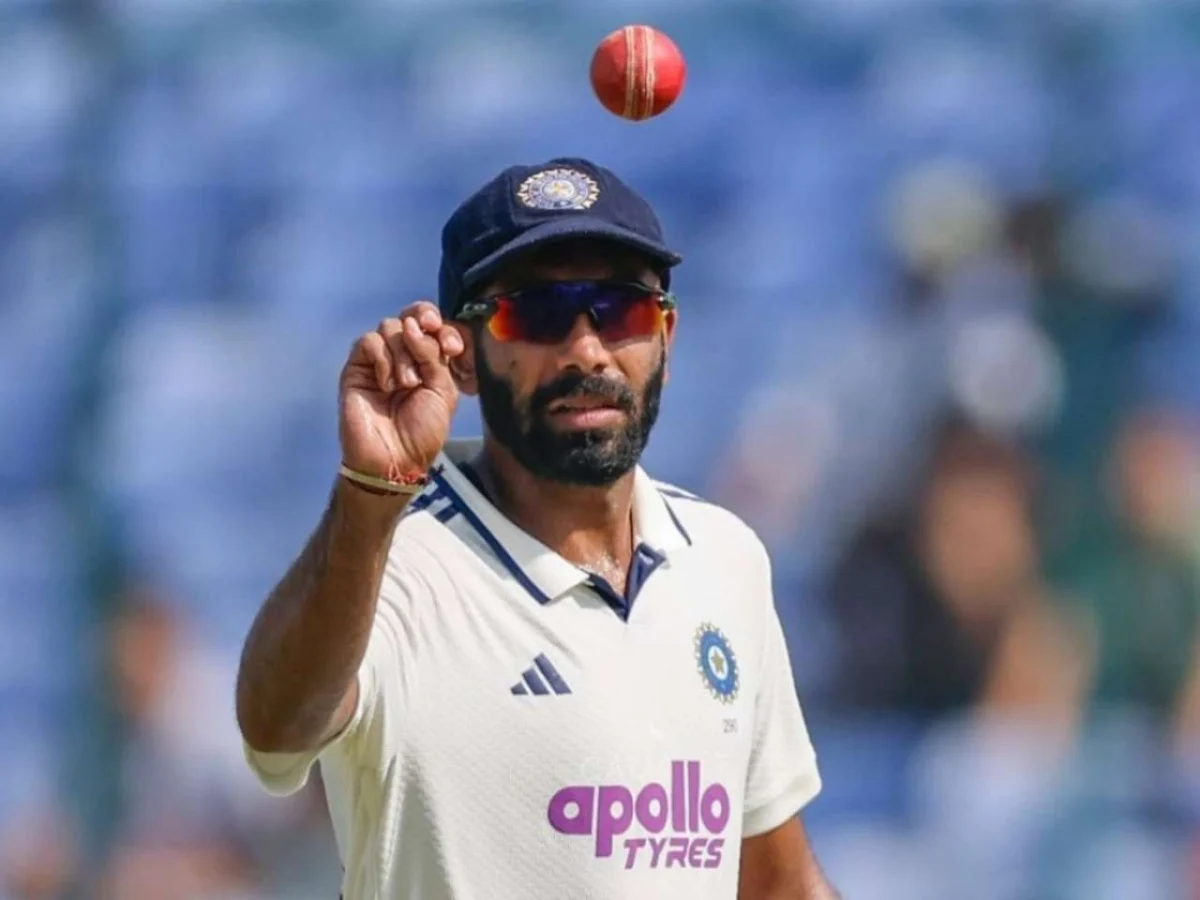
Colombo, Sri Lanka – August 2, 2026 – In a significant setback for Indian cricket, star fast bowler Jasprit Bumrah has been officially ruled out of the upcoming two-match Test series against Sri Lanka due to a persistent knee injury. The news, confirmed just days before the series opener on August 15 in Galle, sends ripples through the Indian camp, leaving the visitors without their primary pace spearhead for a crucial assignment in the ICC World Test Championship (WTC) 2025-27 cycle.
Bumrah’s absence casts a shadow over India’s preparations, particularly given the recent optimism surrounding his recovery. What was initially perceived as a minor niggle has escalated into a more serious concern, prompting the Board of Control for Cricket in India (BCCI) medical staff to advise an extended period of rest and rehabilitation. This cautious approach underscores the board’s commitment to ensuring the long-term fitness of one of their most valuable assets, even if it means missing immediate fixtures.
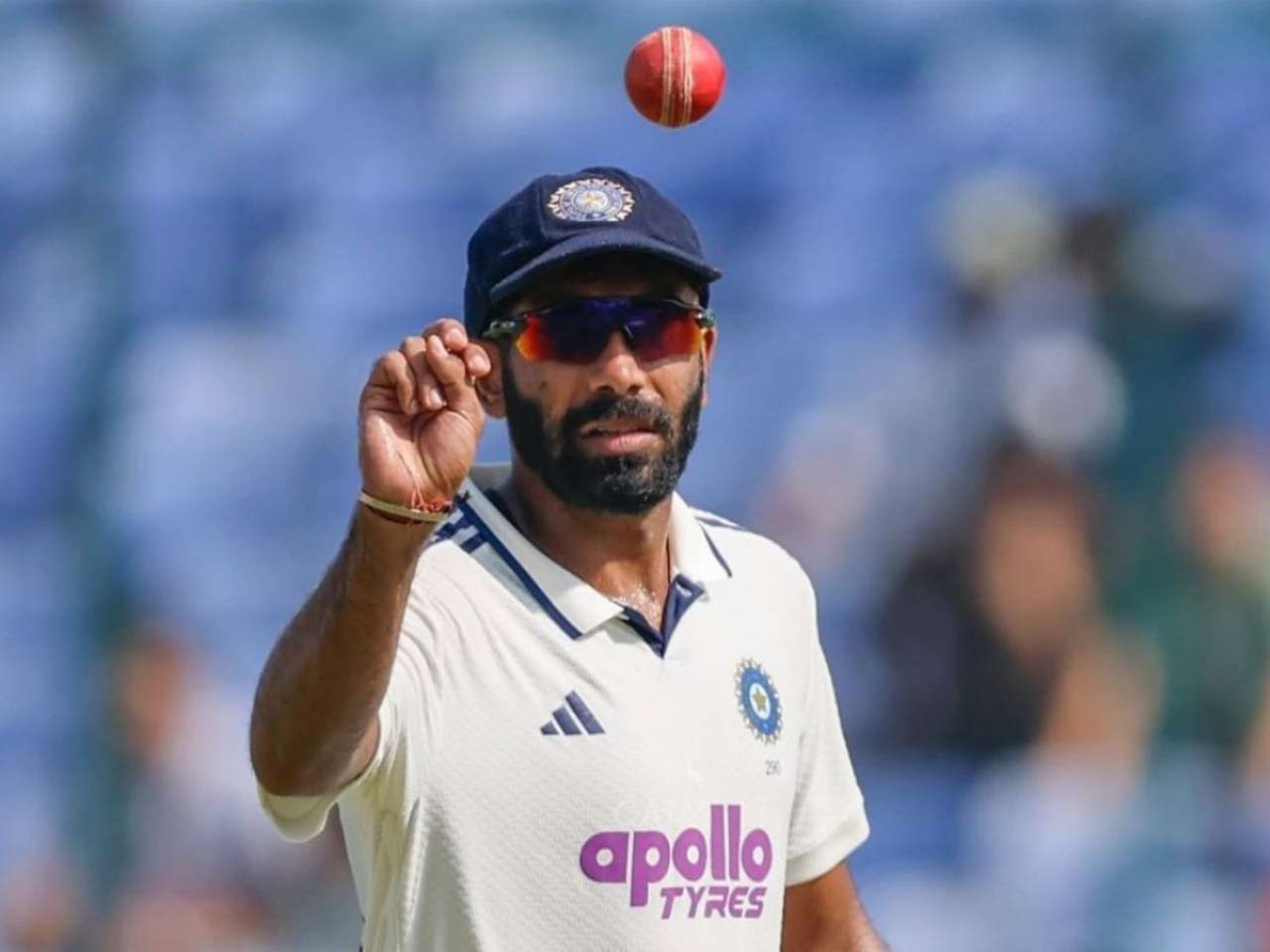
The Unfolding Saga: A Timeline of Injury and Setback
The journey to this unfortunate announcement has been a winding one, marked by initial hopes and subsequent disappointments. Understanding the chronology of events is crucial to grasping the gravity of Bumrah’s current predicament and the implications for both the player and the team.
The Genesis of the Injury: England ODI Series
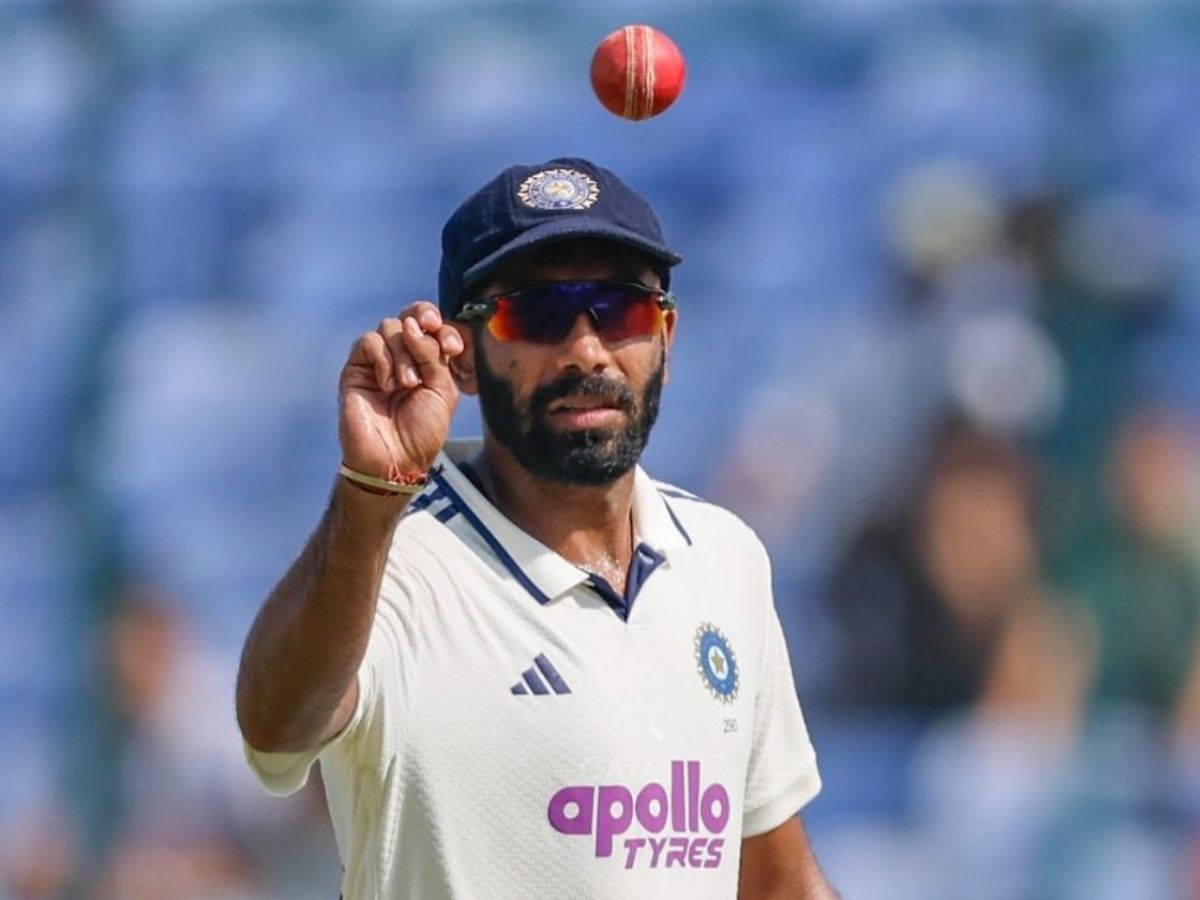
Jasprit Bumrah’s current knee discomfort first surfaced during the One Day International (ODI) series against England. While the exact moment of aggravation remains somewhat unclear, the injury forced him to sit out the final match of that series. At the time, the extent of the injury was not fully appreciated, with many expecting a swift recovery for the celebrated quick. Given Bumrah’s history of managing minor ailments and his rigorous fitness regimen, the initial assessment leaned towards a short break before his return to competitive cricket. Fans and pundits alike held their breath, but remained largely optimistic that their champion bowler would be back in action soon.
)
A Glimmer of Hope: Provisional Squad Inclusion
Following the England series, reports from various media outlets, including the Press Trust of India (PTI), suggested that Bumrah was making good progress in his recovery. This positive news was seemingly corroborated when his name appeared in India’s provisional 15-man squad for the Sri Lanka Test series. However, a crucial caveat accompanied this inclusion: it was explicitly stated that his participation was "pending a fitness assessment." This condition, often a standard practice for players returning from injury, served as a vital reminder that his spot was not yet guaranteed. The inclusion, nonetheless, fueled speculation and hope that Bumrah would indeed be fit to lead the pace attack against Sri Lanka, bringing a sense of relief to the team management and the fan base.
The Crucial Check-up: A Roadblock at the BCCI CoE
The decisive turn in Bumrah’s recovery saga occurred during his mandatory check-up at the BCCI Centre of Excellence (CoE) in Bengaluru. The CoE, a state-of-the-art facility dedicated to the rehabilitation and fitness management of Indian cricketers, is the final arbiter of a player’s readiness for international duty. It was during this rigorous assessment that the medical team identified persistent discomfort in Bumrah’s left knee. Despite his efforts and the initial signs of progress, the knee had not fully healed to the demanding standards required for Test match cricket, especially for a fast bowler whose action places immense strain on the lower body.

The medical experts at the CoE, known for their conservative and player-centric approach, determined that Bumrah was not yet 100% fit. Their recommendation was unequivocal: further rest and intensive rehabilitation until the discomfort completely subsides and full match fitness is restored. This news, while disappointing, reflects a deliberate strategy by the BCCI to prioritize the long-term well-being of its star players over short-term gains, a lesson learned from past instances where rushed comebacks led to more severe and prolonged absences.
Bumrah’s Irreplaceable Impact: Statistics and Significance
Jasprit Bumrah is not just another fast bowler; he is India’s premier pace weapon, a match-winner capable of turning the tide of a Test match with his unique skill set. His absence, therefore, creates a void that is difficult, if not impossible, to fill entirely.
)
A Unique Bowling Maestro
Bumrah’s impact stems from his unconventional action, searing pace, pinpoint accuracy, and devastating ability to extract movement off the pitch. His deceptive bouncers, toe-crushing yorkers, and subtle variations make him a nightmare for batsmen across formats. In Test cricket, he has consistently delivered crucial breakthroughs, often against the run of play, providing the captain with a go-to option in challenging situations. His ability to bowl long, incisive spells without losing intensity is a testament to his fitness and mental fortitude.
Test Career Highlights: A Formidable Record
Since his Test debut in 2018, Bumrah has rapidly ascended to become one of the world’s leading fast bowlers. In a relatively short career, he has amassed an impressive tally of 234 Test wickets, a remarkable achievement that underscores his consistency and potency. His strike rate and average are among the best in contemporary cricket, particularly for a fast bowler operating predominantly on often unhelpful subcontinental pitches.
)
Against Sri Lanka specifically, Bumrah has featured in only two Test matches, but his impact has been profound. In these limited appearances, he has snared 10 wickets at an astounding average of 9.00, including a memorable five-wicket haul. These statistics highlight his effectiveness against the Sri Lankan batting lineup, making his absence even more keenly felt. Interestingly, despite his global exploits, Bumrah has yet to play a Test match on Sri Lankan soil. This series would have marked his debut in the island nation’s red-ball arena, adding another layer of disappointment to his withdrawal.
The World Test Championship Context
India’s quest for the ICC World Test Championship 2025-27 title makes every series, every match, and every point vitally important. Strong performances, especially away from home, are critical for accumulating points and maintaining a top position in the WTC standings. Bumrah’s ability to consistently pick up wickets, even on flatter tracks, provides India with a distinct advantage. Without him, the task of bowling out opponents twice in a Test match becomes inherently more challenging, potentially impacting India’s ability to secure comprehensive victories and crucial WTC points. The margin for error shrinks considerably, placing additional pressure on the remaining bowlers and the batting lineup.
)
Official Responses and BCCI’s Cautious Approach
While a formal public statement from the BCCI regarding Bumrah’s withdrawal is still awaited, the underlying philosophy behind their decision has been articulated through unofficial channels, particularly from within the board.
The BCCI’s Stance: Prioritizing Long-Term Fitness
A BCCI source, speaking to the Times of India, shed light on the board’s cautious approach: "We’ve seen what happens when players are rushed back too soon—they break down again. We can’t risk that, especially with Bumrah. The only focus now is full recovery, since the cricket schedule is packed, with the Asian Games, the New Zealand tour, and the Border-Gavaskar Trophy on the horizon."
)
This statement is indicative of a broader strategy adopted by the BCCI in recent years, one that places a premium on player welfare and longevity. The board has learned from past experiences where key players, eager to return, were pushed back into competitive cricket prematurely, only to suffer relapses or more severe injuries. Such instances not only sideline the player for extended periods but also disrupt team compositions and performance.
The Role of the BCCI Centre of Excellence (CoE)
The BCCI Centre of Excellence plays a pivotal role in this strategy. It is not merely a rehabilitation facility but a hub for sports science, injury prevention, and performance enhancement. The medical and conditioning staff at the CoE work meticulously to monitor players’ recovery, conducting thorough assessments before giving the green light for a return to play. Their decision to advise Bumrah to rest further underscores their commitment to evidence-based recovery protocols, ensuring that the player is not only physically fit but also robust enough to withstand the rigors of international cricket. The CoE’s recommendation acts as a crucial safeguard against impulsive decisions, ensuring that a player like Bumrah, who is integral to India’s future plans across all formats, is given ample time to heal completely.
)
Team Management’s Perspective
While undoubtedly a difficult decision for the team management, the long-term view is paramount. Losing Bumrah for a Test series, even one against a historically less dominant opponent like Sri Lanka, is a significant blow. However, the prospect of having him fully fit for more high-stakes encounters, such as the Border-Gavaskar Trophy against Australia or the tour of New Zealand, far outweighs the immediate benefit of a potentially half-fit return. The team management, in conjunction with the selectors, will now focus on adapting their strategies and providing opportunities for other talented pacers to step up and fill the void.
Broader Implications: For India, Sri Lanka, and Bumrah’s Career
Bumrah’s enforced absence has wide-ranging implications, impacting team dynamics, strategic approaches, and the psychological landscape of the upcoming series.
)
Implications for Team India: A Test of Bench Strength
-
Bowling Attack Restructuring: Without Bumrah, India’s pace attack will need to reconfigure. Mohammed Shami, if available and fit, will likely lead the charge, bringing his experience and wicket-taking ability. Mohammed Siraj, who has shown remarkable improvement and aggression in Test cricket, will be expected to shoulder a greater responsibility. The selectors will now have to look deeper into the bench, potentially considering Mukesh Kumar, who has impressed in domestic cricket and limited international appearances, or even Shardul Thakur, known for his knack of breaking partnerships, to provide crucial support. This situation presents a golden opportunity for these bowlers to cement their places and prove their mettle on the international stage.
-
Strategic Adjustments: On Sri Lankan pitches, which are traditionally more conducive to spin, the role of fast bowlers is often to provide early breakthroughs and reverse swing later in the innings. Bumrah’s ability to generate pace and bounce, even on slower surfaces, is a huge asset. His absence might necessitate a greater reliance on spin, with Ravichandran Ashwin and Ravindra Jadeja expected to play even more dominant roles. The captain, likely Rohit Sharma, will have to be more astute with his field placements and bowling changes, trying to extract the maximum from his available resources.
)
-
Pressure on Batting: With a slightly less potent bowling attack, the onus will be on India’s formidable batting lineup to post imposing totals. Big first-innings scores will be crucial to give the bowlers enough cushion and allow them to bowl with less pressure, especially in conditions that might not always favor pace.
-
WTC Points: While India holds a strong track record against Sri Lanka, the absence of a game-changer like Bumrah can make the difference between a dominant 2-0 series win and a more contested 1-0 or even a drawn series. Every WTC point is vital, and India will be keen to secure maximum points from this series to maintain their strong position in the championship cycle.
)
Implications for Sri Lanka: A Glimmer of Hope
-
Psychological Boost: For Sri Lanka, Bumrah’s withdrawal will undoubtedly serve as a significant psychological boost. Facing India’s pace spearhead is a daunting prospect for any batting lineup, and his absence removes a major threat. This could instill a renewed sense of confidence within the Sri Lankan dressing room, making them believe that they have a genuine opportunity to challenge India’s dominance.
-
Capitalizing on Opportunity: Sri Lanka has not managed a Test series win over India for 18 years, with their last victory coming back in 2008. This prolonged wait has been a source of frustration. With Bumrah out, they might sense a tangible opening to break this long drought. Their batsmen will feel less intimidated, and their own bowlers might be inspired to perform at a higher level, knowing they face a slightly weakened Indian attack. This series could be a litmus test for Sri Lankan cricket to demonstrate its resilience and capitalize on a rare advantage.
)
-
Home Advantage: Playing at home, Sri Lanka will aim to exploit familiar conditions. The absence of Bumrah, who could extract life from any pitch, makes their task slightly easier, allowing them to focus more on their strengths, particularly their spin bowlers.
Implications for Jasprit Bumrah’s Career: Longevity and Management
-
Frustration vs. Necessity: For Bumrah himself, this setback must be immensely frustrating. As a highly competitive athlete, he would be eager to contribute to his team’s success. However, this period of rest is a necessary evil for his long-term career. Fast bowling is physically demanding, and repeated knee issues can be career-threatening.
)
-
Comprehensive Rehabilitation: The focus will now shift to a comprehensive and meticulously planned rehabilitation program. This will involve strengthening exercises, muscle balance work, and a gradual return to bowling, carefully monitored by the CoE medical staff. The aim is not just to recover but to build greater resilience against future injuries.
-
Workload Management: This injury will inevitably reignite discussions around Bumrah’s workload management across all formats. With a packed international calendar, featuring crucial tours like New Zealand and the highly anticipated Border-Gavaskar Trophy, the BCCI will need to carefully plan his schedule to prevent burnout and recurrent injuries. Strategic breaks and rotational policies might become more frequent to ensure his availability for the most critical assignments.
)
-
Mental Fortitude: Recovering from injuries is as much a mental battle as it is physical. Bumrah will need to maintain a positive outlook, trusting the medical process and focusing on a strong comeback. His ability to overcome this setback will be crucial for his continued success at the highest level.
In conclusion, Jasprit Bumrah’s exclusion from the Sri Lanka Test series is a significant blow for India, underscoring the delicate balance between a player’s immediate availability and their long-term fitness. While the team faces a challenging task without its premier fast bowler, this situation also presents an opportunity for other talents to rise to the occasion. For Bumrah, it’s a period of necessary recuperation, with the ultimate goal of returning stronger and more resilient for the crucial cricketing challenges that lie ahead. The cricketing world will keenly watch India’s response to this adversity and Bumrah’s journey back to full fitness.
