

PERSONAL FINANCE
New Delhi, India – As the global economic landscape continues its intricate dance of recovery and uncertainty, India’s venerable precious metals market remains a dynamic barometer of both international sentiment and domestic aspirations. On October 10, 2026, the prices of gold and silver across the nation reflect a complex interplay of global market trends, persistent local demand, and fluctuating currency rates, setting a crucial tone for consumers, investors, and the thriving jewelry industry alike.
The nation, perennially one of the largest consumers of gold, and increasingly a significant player in silver, watches closely as these benchmarks are set. Today’s figures indicate a slight upward trajectory for gold, fueled by a confluence of global demand and underlying inflationary pressures, while silver maintains its position as a versatile commodity, influenced heavily by its industrial applications alongside its investment appeal.
Decoding Today’s Precious Metal Prices: Main Facts and Figures
As of Friday, October 10, 2026, the precious metals market in India presents a nuanced picture:
)
Gold Prices:
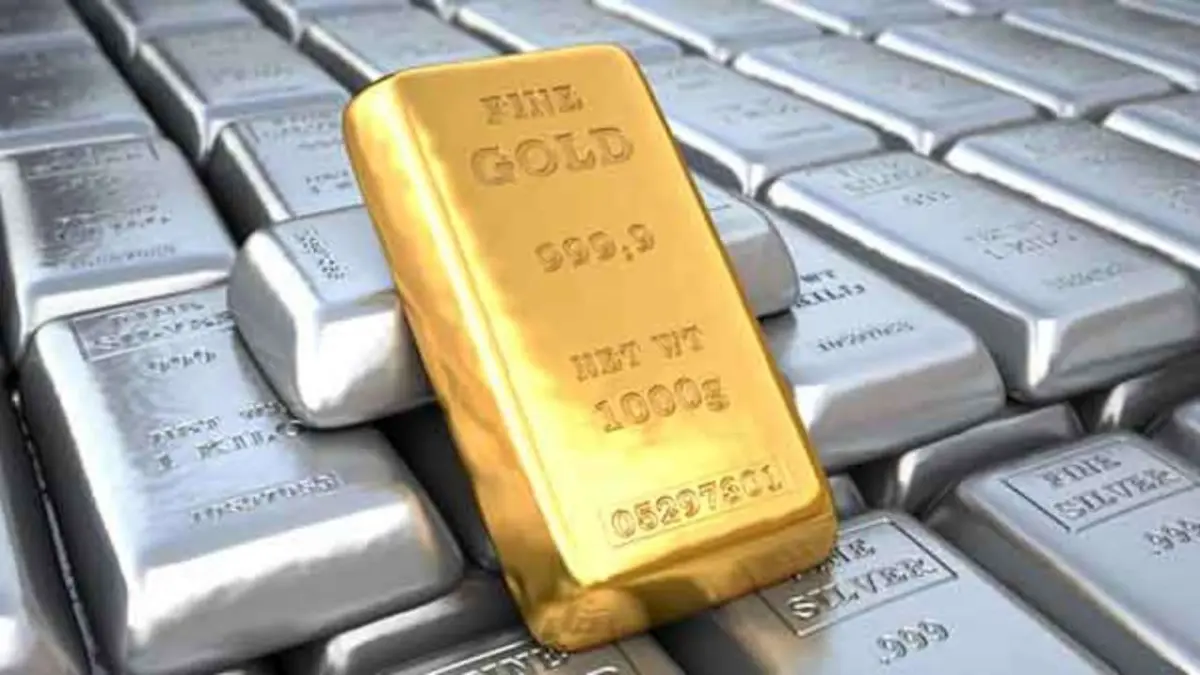
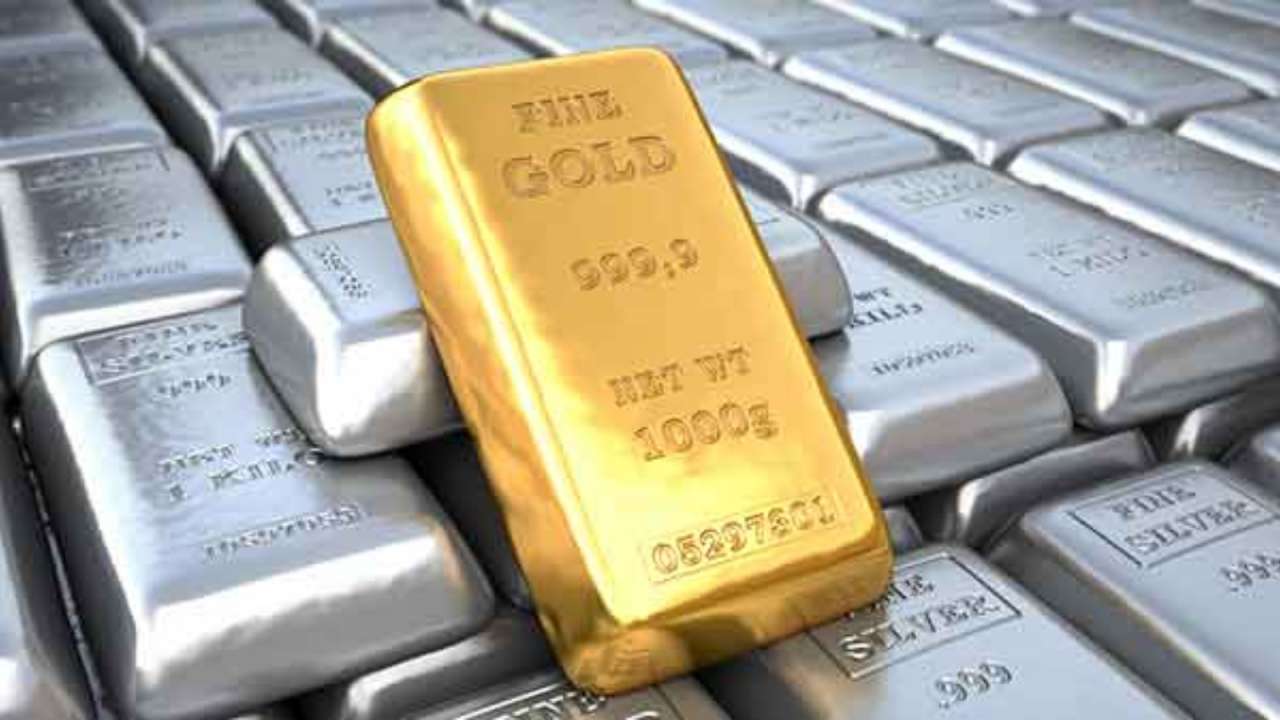
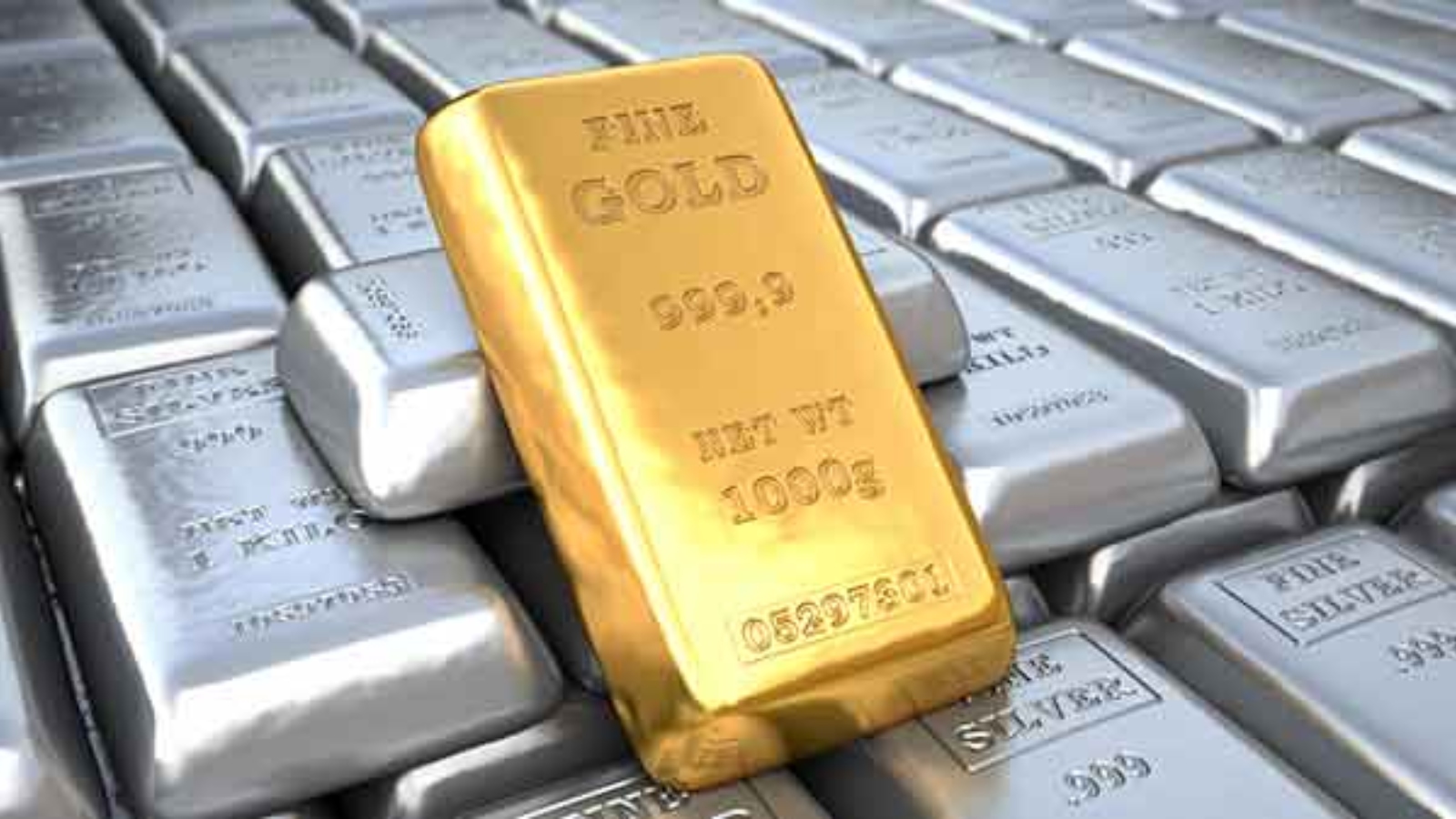
The benchmark price for 24K gold (999 purity) is recorded at Rs 14,923 per gram. For 22K gold (91.67% purity), the standard for much of India’s intricate jewelry, the price stands at Rs 13,679 per gram. This slight increase underscores a resilient demand coupled with global economic factors.
City-Wise Gold Rates (per gram):

- Delhi: 24K Gold: Rs 14,940; 22K Gold: Rs 13,694
- Mumbai: 24K Gold: Rs 14,923; 22K Gold: Rs 13,679
- Kolkata: 24K Gold: Rs 14,923; 22K Gold: Rs 13,679
- Chennai: 24K Gold: Rs 14,923; 22K Gold: Rs 13,679
Silver Prices:
Silver, often dubbed "poor man’s gold," shows a robust valuation today. 999 pure silver is priced at approximately Rs 2,34,900 per kilogram, translating to Rs 2349 per 10 grams. Meanwhile, Silver 925 (sterling silver) is quoted at Rs 2,34,000 per kilogram.
City-Wise Silver Rates (per 10 grams):
)
- Delhi (999 Silver): Rs 2349
- Mumbai (999 Silver): Rs 2349
- Kolkata (999 Silver): Rs 2349
- Chennai (999 Silver): Rs 2399
These figures are not merely numbers; they represent the culmination of intricate global and local forces that constantly reshape the value of these cherished commodities.
A Chronology of Influence: How Prices Evolved
The current pricing structure on October 10, 2026, is a product of several months, if not years, of evolving market dynamics. The journey of gold and silver prices leading up to this point has been characterized by periods of both stability and significant volatility, reflecting a world grappling with post-pandemic economic adjustments, geopolitical tensions, and persistent inflationary pressures.
)
The Post-2020 Surge and Subsequent Consolidation: Following the unprecedented economic disruptions of 2020, both gold and silver witnessed remarkable surges as investors sought safe havens amidst widespread uncertainty. Gold, in particular, breached historical highs. The period between 2021 and early 2023 saw a consolidation phase, with prices fluctuating as global economies attempted to normalize, central banks began tightening monetary policies, and vaccine rollouts spurred hopes of recovery.
The 2024-2025 Period: Inflationary Concerns and Geopolitical Flare-ups: The years 2024 and 2025 were marked by a resurgence of inflationary concerns across major economies. Supply chain bottlenecks, energy crises, and robust consumer demand in certain sectors kept inflation elevated, prompting gold to reassert its role as an inflation hedge. Geopolitical tensions, particularly in Eastern Europe and the Middle East, also provided intermittent boosts to gold’s safe-haven appeal. Silver, benefiting from its dual nature, saw its industrial demand rise with the global push for green technologies (solar panels, EVs) even as investment demand remained strong.
)
The Run-up to October 2026: Anticipation and Macroeconomic Shifts: The last quarter of 2025 and the first three quarters of 2026 have seen a nuanced shift. While central banks globally have signaled a more cautious approach to interest rate hikes, lingering inflation has prevented any significant rate cuts, keeping real interest rates in a delicate balance. This environment, coupled with a moderately weaker US Dollar against a basket of major currencies in recent months, has made gold relatively more attractive for non-dollar holders, including India. Domestically, the anticipation of the festive season, starting with Dhanteras and Diwali in late October/early November, traditionally spurs robust demand, laying the groundwork for the current price levels. The slight increase observed today is a direct reflection of this pre-festive demand coupled with the ongoing global economic narratives.
Supporting Data: Deep Dive into Influencing Factors
The price points for gold and silver on October 10, 2026, are not arbitrary. They are meticulously determined by a complex interplay of several key factors:
)
Global Market Trends:
The international price of gold, typically denominated in US Dollars, is the primary driver. Factors influencing this global benchmark include:
- Geopolitical Stability: Any conflict, political unrest, or economic crisis in major regions tends to drive investors towards gold as a safe haven, pushing prices up. The current global environment, while not in overt crisis, maintains a level of underlying tension that sustains gold’s appeal.
- Global Economic Health: Fears of recession, slowing growth in major economies, or instability in financial markets often lead to increased demand for gold. Conversely, robust economic growth and strong equity markets can divert investment away from gold.
- Inflation Expectations: Gold is widely considered a hedge against inflation. When inflationary pressures are perceived to be rising, investors flock to gold to protect their purchasing power. The "slight increase due to global demand and inflationary pressures" mentioned in the report directly points to this mechanism.
- Interest Rate Environment: There is generally an inverse relationship between interest rates and gold prices. Higher interest rates make non-yielding assets like gold less attractive compared to interest-bearing instruments. However, if real interest rates (nominal rate minus inflation) remain low or negative, gold’s appeal as a store of value strengthens.
Local Demand Dynamics:
India’s unique relationship with gold is deeply embedded in its cultural fabric and economic practices.
)
- Cultural Significance: Gold plays an indispensable role in Indian weddings, religious ceremonies, and festivals. The upcoming festive season (Dhanteras, Diwali) is a prime example of a period of heightened demand. This cultural affinity provides a strong floor for gold prices, irrespective of global fluctuations.
- Investment Vehicle: For many Indian households, gold is not just an ornament but a traditional form of savings and investment, particularly in rural areas where access to formal financial instruments might be limited. It serves as a tangible asset that can be liquidated during times of need.
- Monsoon and Agricultural Output: A good monsoon and healthy agricultural output often translate to increased disposable income in rural areas, subsequently boosting gold demand.
- Changing Demographics: A growing middle class with increasing purchasing power also contributes to sustained demand.
Currency Exchange Rates:
The exchange rate between the Indian Rupee (INR) and the US Dollar (USD) is a critical determinant of local gold prices. Since international gold is primarily priced in USD, a depreciation of the Rupee against the Dollar makes imported gold more expensive in INR terms, even if the international USD price remains constant. The report notes "changing currency rates" as a key influence, highlighting the Rupee’s role in local price discovery. A recent moderate weakening of the INR could be a contributing factor to the current gold price levels.
Silver-Specific Influences:
While sharing some common drivers with gold, silver has distinct influences:
)
- Industrial Demand: This is perhaps the most significant differentiator. Silver is a crucial industrial metal used in electronics, solar panels, photography, medical applications, and electric vehicles. Global economic growth, particularly in manufacturing and technology sectors, directly impacts silver’s industrial demand and, consequently, its price. The "industrial demand significantly impacting price fluctuations" statement is key here.
- Investment Demand: Like gold, silver is also seen as a store of value and a hedge against economic uncertainty. Its relatively lower price point makes it more accessible to a wider range of investors, often attracting those looking for higher volatility and potential returns than gold.
- Supply Dynamics: Silver is often a byproduct of mining other metals like copper, lead, and zinc. Fluctuations in the production of these base metals can therefore affect silver supply.
Expert Insights and Official Responses
To gain a deeper understanding of the current market dynamics, market analysts and industry stakeholders offer their perspectives on the prevailing trends and future outlook.
Mr. Rajesh Sharma, a veteran commodity analyst based in Mumbai, commented on the gold market: "The slight uptick in gold prices today, pushing 24K gold close to the Rs 15,000 per gram mark in Delhi, is a clear signal of the market bracing for the festive season. We are seeing a confluence of factors: persistent global inflation concerns, a moderately weaker Rupee, and the ingrained cultural demand that is unique to India. Investors are also re-evaluating their portfolios amidst global growth uncertainties, turning to gold as a reliable store of value."
)
Regarding silver, Ms. Anjali Singh, an economic observer specializing in industrial commodities, highlighted its dual nature: "Silver’s performance today, with prices around Rs 2,349 per 10 grams, reflects its unique position. While it benefits from investment demand similar to gold, its industrial applications, particularly in the burgeoning green energy sector, provide a robust floor. As the world pushes for greater solar energy adoption and electric vehicle manufacturing, silver’s demand profile continues to strengthen, making it an attractive proposition for those looking at both precious metal and industrial commodity exposure."
Representatives from the All India Gem and Jewellery Domestic Council (GJC), while not providing specific quotes, have consistently emphasized the importance of stable policy frameworks and transparent pricing to support the industry. They often advocate for measures that curb illicit trade and foster consumer confidence. The government’s stance, often articulated through the Reserve Bank of India (RBI) and the Ministry of Finance, tends to focus on managing India’s import bill and ensuring financial stability. While there are no direct "official responses" to daily price fluctuations, the broader economic policies, including those on import duties and currency management, indirectly influence these prices. The RBI’s monetary policy decisions, particularly on interest rates and liquidity, also play a subtle but significant role in shaping the investment landscape for precious metals.
)
Implications for Various Stakeholders
The current price levels and market trends have far-reaching implications for different segments of the Indian economy and society.
For Consumers:
- Festive Season Purchases: With Diwali and Dhanteras approaching, the slight increase in gold prices might prompt some consumers to accelerate their purchases, fearing further rises. Others might opt for lighter jewelry or consider silver as an alternative. The "Rs 13,679 per gram for 22K gold" is a significant investment for many households planning weddings or major celebrations.
- Investment Decisions: For those considering gold as an investment, the current scenario reinforces its role as a hedge. However, they must weigh the potential for further appreciation against the opportunity cost of investing in other assets. Digital gold and Gold ETFs offer convenient alternatives to physical gold.
- Budgeting: Families planning significant expenses involving gold or silver will need to factor in these prices, potentially adjusting their budgets or timelines.
For Investors:
- Diversification: Precious metals continue to serve as crucial diversification tools in investment portfolios, offering a hedge against market volatility and inflation.
- Gold vs. Silver: Gold often acts as a safe-haven asset with more stable, albeit slower, appreciation, while silver offers higher volatility and potentially greater returns, driven by both investment and industrial demand. Investors need to assess their risk appetite and investment horizon.
- Modern Investment Avenues: The rise of Gold Exchange Traded Funds (ETFs), Gold Mutual Funds, and digital gold platforms has made investing in gold more accessible and liquid, reducing concerns associated with physical storage and purity.
For the Jewelry Industry:
- Pricing Strategy: Jewelers face the constant challenge of managing inventory and pricing amidst fluctuating raw material costs. They often employ hedging strategies to mitigate risks.
- Consumer Demand Management: High prices can sometimes deter impulse purchases, requiring jewelers to offer attractive designs, installment schemes, or focus on smaller, more affordable pieces.
- Purity and Trust: Maintaining consumer trust in purity (22K, 24K, 916, 999) remains paramount. The Bureau of Indian Standards (BIS) hallmark plays a crucial role here.
- Innovation: The industry is increasingly innovating with lightweight designs and exploring alternative metals or precious stones to cater to a broader consumer base.
For the Indian Economy:
- Import Bill: India’s substantial gold imports contribute significantly to its import bill, impacting the current account deficit. High international gold prices coupled with a depreciating Rupee can exacerbate this.
- Household Savings: Gold remains a significant component of household savings in India, representing a substantial store of wealth outside the formal financial system.
- Informal Economy: The gold market, while increasingly formalized, still has segments that operate informally, which can pose challenges for economic data collection and tax revenue.
Future Outlook and Investment Strategies
Looking beyond October 10, 2026, the trajectory of gold and silver prices will likely continue to be shaped by a delicate balance of global macroeconomic forces and India’s inherent demand.
)
Short-term Volatility Expected: Analysts predict continued short-term volatility. Any sudden shifts in global interest rate expectations, significant geopolitical developments, or unexpected inflation data could trigger rapid price movements. Investors are advised to remain agile and keep abreast of international news.
Long-term Resilience: In the long run, both gold and silver are expected to maintain their intrinsic value and appeal. Gold’s role as a traditional safe haven is unlikely to diminish, especially as global economic uncertainties persist. Silver’s future looks particularly bright due to its increasing industrial demand driven by the global transition to green energy and advanced technologies. The push for decarbonization and electrification will continue to place a premium on industrial metals like silver.
)
Strategic Investment Approaches:
- Diversification is Key: Investors should not put all their capital into precious metals. A balanced portfolio that includes equities, bonds, and other asset classes is crucial for managing risk.
- Consider Modern Avenues: For those looking to invest in gold or silver without the complexities of physical possession, Gold ETFs, Gold Mutual Funds, and digital gold platforms offer convenient, liquid, and secure options. These platforms allow investors to buy and sell in small denominations, making them accessible.
- Systematic Investment Plans (SIPs): For long-term wealth creation, a systematic investment approach in gold or silver through SIPs can help average out purchase costs and mitigate the impact of price volatility.
- Hedging for Businesses: Jewelers and large-scale industrial users of silver should continue to explore hedging strategies to protect themselves from adverse price movements in the raw material market.
- Monitor Currency and Global Data: Keeping a close eye on the USD-INR exchange rate, global inflation figures, central bank policy statements, and geopolitical developments will be crucial for informed decision-making.
Conclusion
On October 10, 2026, the prices of gold and silver in India reflect a market in constant motion, influenced by a complex web of global economic currents, geopolitical undercurrents, and deeply rooted domestic traditions. While gold holds steady as a time-honored symbol of wealth and a hedge against inflation, silver increasingly asserts its dual identity as both a precious metal and an indispensable industrial commodity. For consumers, investors, and the industry, understanding these intricate dynamics is not just about tracking prices, but about navigating a landscape where ancient values meet modern economic realities. As the festive season approaches and global uncertainties continue to simmer, the allure and strategic importance of gold and silver in India remain as luminous as ever.
