

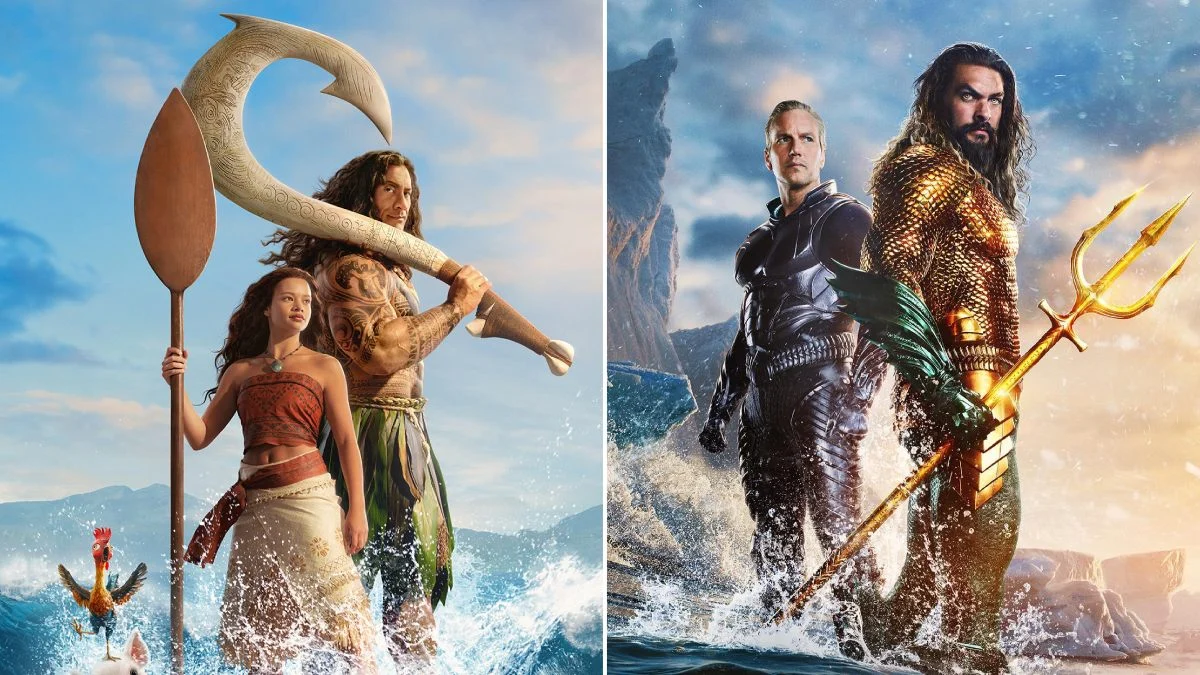
Disney’s ambitious live-action adaptation of the beloved animated film "Moana" is finding itself in a precarious position at the North American box office. Despite the star power of Dwayne "The Rock" Johnson, the film has struggled to resonate with audiences, leading to its departure from the top 5 rankings and a stark reality check against its production and marketing costs. In a surprising turn of events, "Moana" is now on the cusp of surpassing the domestic gross of another significant box office disappointment, Warner Bros.’ "Aquaman and the Lost Kingdom," highlighting a challenging period for major studio tentpole releases.
The initial buzz surrounding the live-action "Moana" was undoubtedly high, capitalizing on the immense popularity of its animated predecessor. However, the film has failed to translate that anticipation into sustained box office success. Exhibitors have kept theaters dedicated to the movie, a testament to the initial faith placed in its potential, yet the revenue generated has fallen short of expectations. This underperformance places "Moana" among a growing list of live-action Disney remakes that have struggled to replicate the magic of their animated counterparts, even as some others, like "Lilo & Stitch" and "How to Train Your Dragon" (though the latter is not a Disney property, the article seems to conflate it with Disney’s remakes, perhaps referring to similar ambitious animated-to-live-action adaptations), have found more favorable financial outcomes. The comparison to the critically and commercially disappointing "Snow White" live-action adaptation, also released last year, further underscores the challenges Disney faces in this particular segment of the market.
Moana’s Domestic Performance: A Slow Drip in the Ocean
As of its fifth weekend in North American theaters, the live-action "Moana" has seen a significant drop in its box office standing, falling from the #5 position to #7. The film managed to collect an estimated $2.9 million over this past three-day weekend. This decline is further illustrated by the substantial reduction in its theatrical footprint, having lost approximately 545 screens across North America. The film experienced a nearly 47% decrease in ticket sales compared to the previous weekend.
Cumulatively, the Dwayne Johnson-starring live-action adaptation has amassed $121.6 million at the North American box office. While this figure represents a considerable sum, it falls considerably short of what is considered a successful return on investment for a major studio production of this magnitude. The ongoing revenue stream, though diminishing, continues to add to its domestic total, painting a picture of a film that, while not a complete wipeout, is far from the blockbuster success Disney had envisioned.
The Unforeseen Race: "Moana" vs. "Aquaman 2"
The most intriguing development in "Moana’s" box office narrative is its proximity to surpassing the domestic gross of "Aquaman and the Lost Kingdom," colloquially known as "Aquaman 2." This comparison is particularly noteworthy as "Aquaman 2" itself is widely considered a significant box office disappointment, especially when contrasted with the monumental success of its predecessor.
The original "Aquaman," released in 2018, was a critical and commercial triumph, raking in an impressive $335.1 million domestically. In stark contrast, "Aquaman and the Lost Kingdom," which aimed to conclude the DC Extended Universe (DCEU) on a high note, only managed to gross $124.5 million in North America. This substantial disparity in performance between the two "Aquaman" films highlights a trend of diminishing returns for established franchises and a potential shift in audience engagement with superhero narratives.
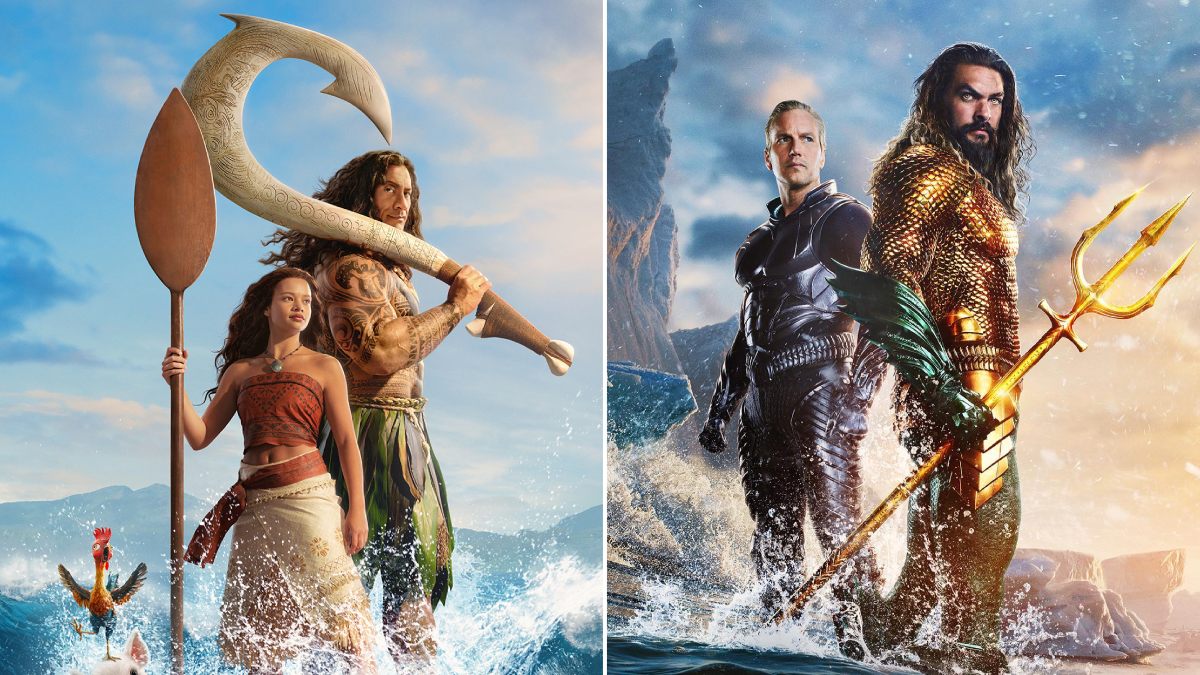
"Moana" is currently less than $3 million away from eclipsing the domestic haul of "Aquaman 2." This impending milestone, while not a celebratory achievement in the traditional sense, underscores the underperformance of both films. For "Moana," it signifies a peculiar distinction: a film that failed to meet high expectations is now positioned to outgross another major studio’s high-profile franchise installment that also fell considerably short of its predecessor’s success. The live-action "Moana" was released in theaters on July 10th, giving it ample time to accumulate its current domestic total.
The Broader Context: Challenges in the Live-Action Remake Landscape
The performance of the live-action "Moana" is not an isolated incident but rather symptomatic of broader trends within Hollywood, particularly concerning live-action remakes of animated classics. While some remakes have achieved substantial financial success, such as the live-action "The Lion King" and "Aladdin," a growing number have struggled to connect with audiences, leading to questions about the viability of this strategy.
Several factors contribute to this challenge. Audiences often hold the animated originals in high regard, making it difficult for new interpretations to capture the same emotional resonance. Furthermore, the visual effects and animation techniques employed in modern live-action films, while technically impressive, can sometimes detract from the whimsical or fantastical elements that made the original animated films so beloved. The cost of producing these large-scale adaptations also presents a significant financial hurdle, requiring substantial box office returns to achieve profitability.
The article mentions "Lilo & Stitch" and "How to Train Your Dragon" as examples of successful live-action remakes from last year. It’s important to clarify that while "Lilo & Stitch" is a Disney property, "How to Train Your Dragon" is a DreamWorks Animation franchise. The statement appears to group them under a similar success category, possibly implying a broader trend of successful animated-to-live-action adaptations, though the specific examples might require further contextualization. The mention of "Snow White" failing miserably last year serves as a direct counterpoint, highlighting the uneven nature of these remake endeavors.
The article also touches upon the potential financial losses for "Moana" on a worldwide scale, with a previous report indicating a potential $320 million loss against its break-even point. This suggests that while the North American performance is a key metric, the global box office will ultimately determine the film’s true financial fate. The comparison with "Aquaman 2," while focused on domestic figures, serves as a stark indicator of the prevailing box office climate for these tentpole releases.
Supporting Data and Box Office Figures
To further illustrate the situation, here’s a breakdown of the key box office figures discussed:

- Live-Action "Moana" (North America – Current Total): $121.6 million (and counting)
- Live-Action "Moana" (5th Weekend Gross): $2.9 million
- "Aquaman and the Lost Kingdom" (North America – Final Gross): $124.5 million
- "Aquaman" (2018) (North America – Final Gross): $335.1 million
The narrow margin between "Moana’s" current domestic gross and "Aquaman 2’s" final gross indicates that "Moana" is highly likely to surpass this figure in the coming weeks, albeit with a significantly lower overall performance than its predecessor.
Implications for Disney and the Film Industry
The underperformance of the live-action "Moana" has several implications for Disney and the broader film industry:
- Re-evaluation of Live-Action Remake Strategy: Disney may need to reassess its strategy for adapting its extensive library of animated classics. Not all beloved animated films translate seamlessly into live-action, and audiences may be growing fatigued with the constant stream of remakes. A more selective approach, focusing on stories that genuinely benefit from a live-action reimagining, might be necessary.
- Dwayne Johnson’s Box Office Power: While Dwayne Johnson remains a significant draw, this film’s performance raises questions about the extent of his box office pull when paired with a property that doesn’t inherently lend itself to his established action persona. His involvement was expected to be a major catalyst for "Moana’s" success, and its relative underperformance suggests that even star power isn’t always a guarantee against audience indifference.
- The DCEU’s Difficult Farewell: The comparison with "Aquaman 2" further solidifies the notion that the DC Extended Universe is ending on a disappointing note, both critically and commercially. The franchise, which once boasted major successes, has struggled in its later years, and "Aquaman 2" represents a final, subdued chapter.
- Audience Preferences and Market Saturation: The box office landscape is increasingly competitive, with audiences having a plethora of entertainment options. Major studio tentpoles, even with significant marketing budgets and established brands, are no longer guaranteed hits. Understanding evolving audience preferences and avoiding market saturation will be crucial for future success.
As "Moana" continues its theatrical run, its journey at the box office serves as a cautionary tale. While it may achieve the minor victory of surpassing "Aquaman 2’s" domestic gross, the overarching narrative is one of unmet expectations and a stark reminder of the challenges facing even the most established players in the film industry. The success of future live-action adaptations will likely depend on a more nuanced approach, a deeper understanding of audience sentiment, and perhaps a renewed focus on original storytelling.
Stay tuned to Koimoi for more box office updates and in-depth analysis of the film industry.
