

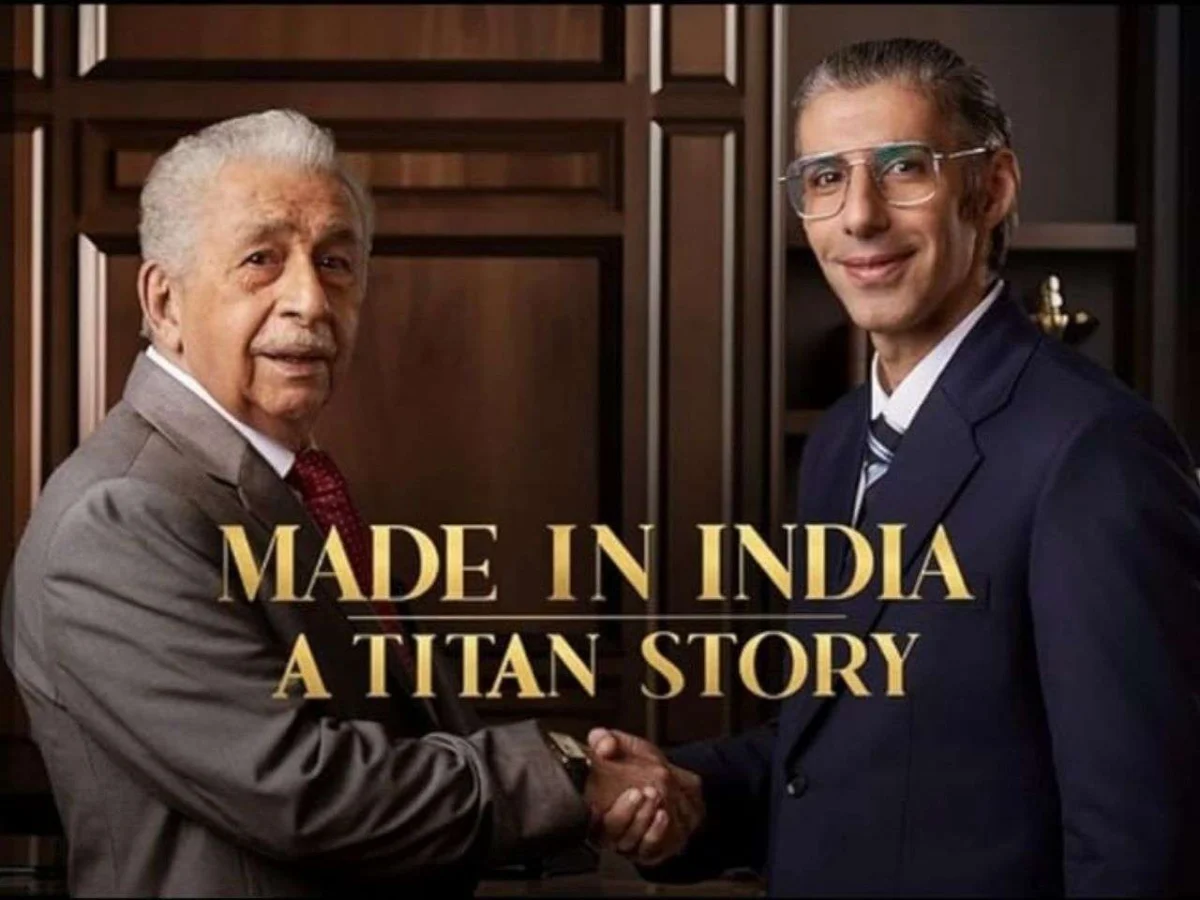
New Delhi, June 3, 2026 – In a year already brimming with ambitious cinematic endeavors, a new streaming series has not only captured the public imagination but has also set a new benchmark for historical biographical dramas. "Made in India: The Titan Story," a six-part docu-drama available on Amazon MX Player, has been lauded by critics and audiences alike, with many already proclaiming it the best series of 2026. This ambitious project, helmed by director Robbie Grewal, delves into a pivotal, yet often overlooked, chapter of Indian industrial history – the audacious genesis of Titan watches. Anchored by the stellar performances of veteran actor Naseeruddin Shah and the versatile Jim Sarbh, the series is a profound exploration of vision, resilience, and the indomitable spirit of innovation that propelled an Indian brand onto the global stage.
The Genesis of a Vision: From Book to Screen
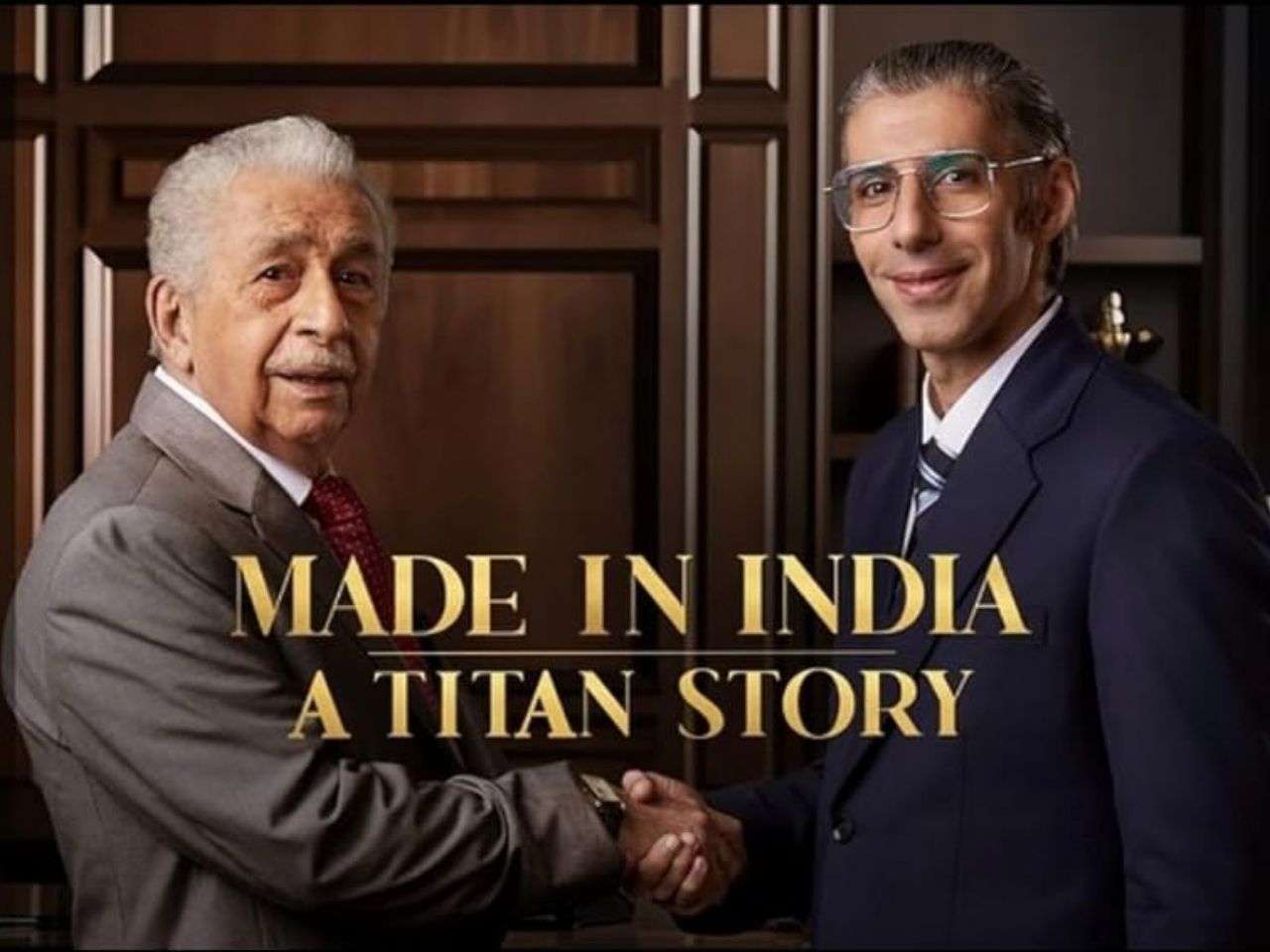
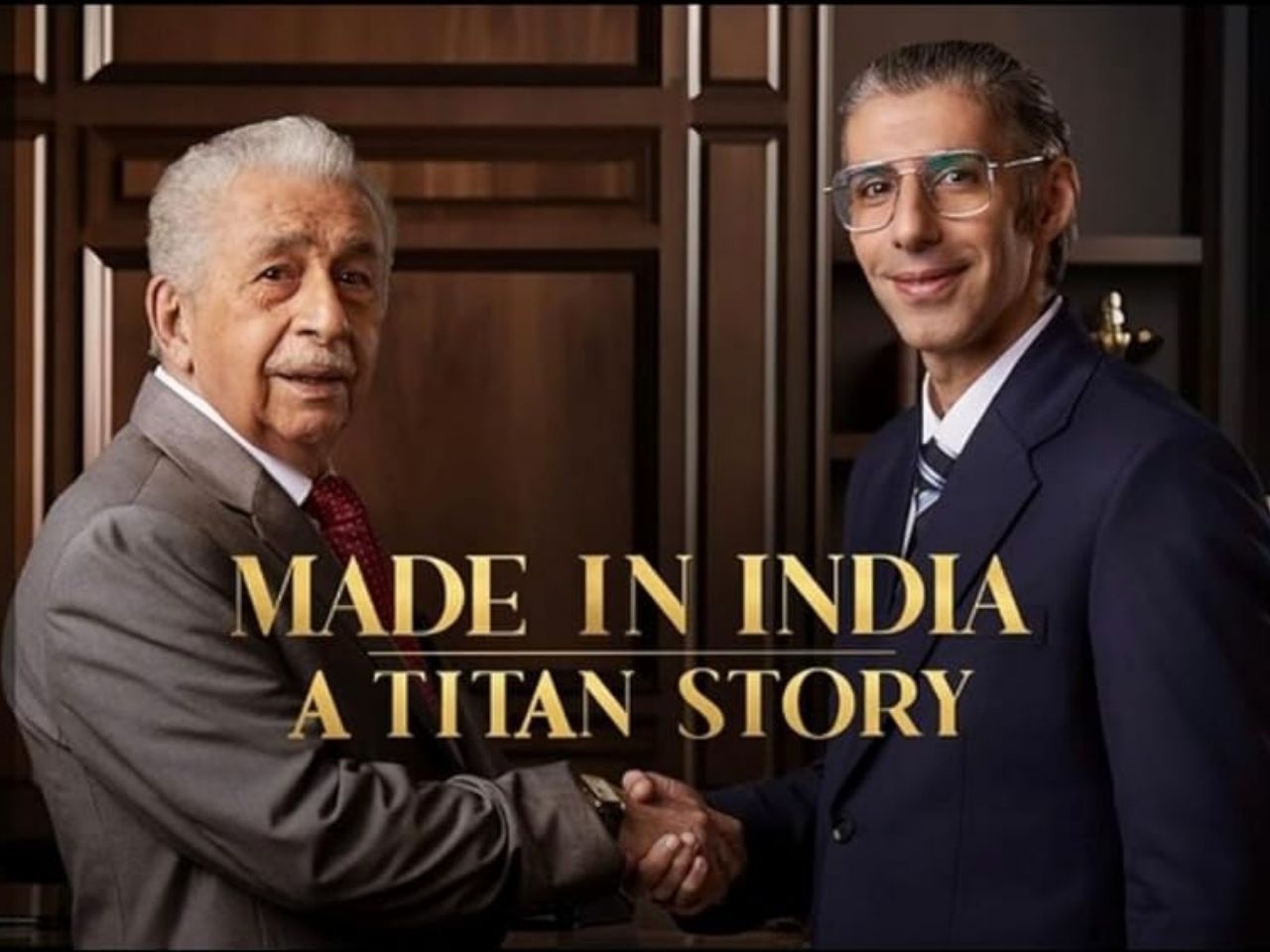
At its core, "Made in India: The Titan Story" is an adaptation of Vinay Kamath’s critically acclaimed book, "Titan: Inside India’s Most Successful Consumer Brand." The series meticulously chronicles the journey of Jehangir Ratanji Dadabhoy Tata, portrayed with remarkable gravitas by Naseeruddin Shah, and his visionary lieutenant, Xerxes Desai, brought to life by Jim Sarbh. Their collective dream was audacious: to challenge the entrenched global watchmaking giants and establish India as a formidable player in the precision timepiece industry. The narrative weaves through the birth, meteoric rise, inevitable challenges, and ultimate redemption of the Titan brand, offering a compelling testament to the power of "mad men" and their unwavering belief in dreaming big.
)
The series’ premise immediately captivates, especially for those with an interest in the nation’s industrial evolution. The prospect of witnessing such a significant historical narrative unfold, further amplified by the presence of two of Indian cinema’s most revered actors, naturally ignited sky-high expectations. Fortunately, "Made in India" not only meets these expectations but transcends them, delivering a production that is both intellectually stimulating and emotionally resonant. It’s a narrative that subtly champions the courage to pursue ambitious goals, even in the face of potential failure, advocating for a philosophy of learning from setbacks and striving for continuous improvement.
)
A Chronological Tapestry of Innovation and Grit
The strength of "Made in India: The Titan Story" lies in its detailed and engaging chronological exploration of Titan’s formative years. The series begins by establishing the context of the global watch market in the late 1970s and early 1980s, a landscape dominated by established Swiss brands. The initial episodes meticulously lay the groundwork, introducing the key players and the formidable challenges that lay ahead. While the pacing in the first episode might be perceived as deliberate, allowing for comprehensive world-building and character introduction, it serves a crucial purpose. This measured approach allows the audience to fully immerse themselves in the era and appreciate the scale of the undertaking.

A pivotal moment, and arguably the narrative catalyst, is depicted when a top Swiss watch brand unequivocally declines a collaboration with India. This rejection, rather than serving as a deterrent, ignites a fierce determination within JRD Tata and Xerxes Desai. The series vividly portrays their unwavering conviction, their passion for excellence, and their remarkable capacity for calculated risk-taking. The decision to pivot towards quartz technology, a revolutionary departure from the prevailing mechanical watch era, is presented not just as a business strategy but as a bold declaration of intent. The narrative skillfully elucidates how this strategic move, driven by stubbornness and foresight, laid the foundation for Titan’s eventual dominance.
)
The subsequent episodes chart the meticulous process of establishing manufacturing facilities, sourcing components, and developing a brand identity that resonated with the Indian consumer. The series doesn’t shy away from depicting the inevitable hurdles – bureaucratic red tape, technological challenges, and market skepticism. However, it consistently highlights the collaborative spirit and problem-solving ingenuity that characterized the Titan team. The "fall" aspect of the synopsis refers to the intense competition and market fluctuations that any burgeoning brand faces, and the series navigates these periods with a nuanced portrayal of strategic adjustments and renewed commitment. The "redemption" is the triumphant ascent of Titan as a household name, a symbol of Indian manufacturing prowess and a testament to the enduring power of a well-executed vision.
)
Supporting Data: The Impact of Titan on the Indian Economy and Consumer Landscape
While the series focuses on the narrative of innovation, its success also reflects broader economic and consumer trends in India. The introduction of Titan watches coincided with a burgeoning middle class in India, eager for quality products that were both aspirational and accessible. The series subtly underscores how Titan capitalized on this demographic shift, offering timepieces that blended modern aesthetics with reliable engineering.
)
The watch industry in India, prior to Titan’s advent, was largely characterized by imported brands and a less organized domestic market. Titan’s entry fundamentally altered this landscape. The company’s commitment to indigenous manufacturing not only created significant employment opportunities but also fostered a culture of technological advancement within the country. The series implicitly highlights the ripple effect of such an enterprise: job creation, skill development, and a boost to ancillary industries.
)
Furthermore, Titan’s success can be viewed as a catalyst for other Indian brands to venture into consumer goods manufacturing with renewed confidence. It demonstrated that an Indian company, with the right vision and execution, could compete effectively on a global scale, challenging the long-held perception that India was primarily a market for established international players. The series, by bringing this story to the forefront, serves as a valuable educational tool, illustrating the tangible impact of strategic entrepreneurship on national economic development.
)
Stellar Performances: Breathing Life into Historical Figures
The script, while robust, would likely remain a compelling historical account without the transformative power of its cast. Naseeruddin Shah, a name synonymous with acting excellence, delivers a performance that transcends mere portrayal. His embodiment of JRD Tata is a masterclass in understated power. Shah captures the essence of the industrialist – his quiet dignity, his visionary gaze, and the subtle nuances of his emotional landscape. His controlled expressions and commanding presence bring an undeniable authenticity to the character, solidifying his reputation as one of Indian cinema’s greatest assets.
)
Jim Sarbh, the acknowledged chameleon of contemporary Indian cinema, is equally extraordinary as Xerxes Desai. Sarbh doesn’t just play Desai; he becomes him. He adeptly navigates the complexities of the character, from his initial struggles with the Hindi language, a detail that adds a layer of relatable authenticity, to his unwavering belief in his team and his audacious vision. Sarbh’s performance is electric, imbued with a conviction that makes Desai’s journey utterly believable and deeply engaging. He carries the weight of the narrative with remarkable ease, proving to be the perfect foil and partner to Shah’s portrayal of Tata.
)
The supporting cast also delivers commendable performances, ensuring the ensemble feels authentic and lived-in. Vaibhav Tatwawadi as Akash Bansal provides essential emotional grounding, while Namita Dubey, Kaveri Seth, Gaurav Dhar, and Lakshvir Saran effectively inhabit their respective roles, contributing to the rich tapestry of the series. Their performances ensure that the story isn’t solely about the two central figures but about the collective effort and dedication that went into building Titan.
)
Minor Setbacks in an Otherwise Masterful Production
While "Made in India: The Titan Story" is undeniably a triumph, it is not entirely without its minor imperfections. The series’ deliberate pacing, particularly in its initial stages, might test the patience of viewers less inclined towards historical narratives. Additionally, there are moments, notably in the third and fifth episodes, where the dramatic momentum experiences a noticeable dip. In the fast-paced landscape of contemporary streaming, such inconsistencies in narrative drive can potentially lead to a momentary lapse in audience engagement.
)
However, these infrequent dips are a small price to pay for the overall brilliance of the series. The narrative, despite these occasional lulls, consistently draws the viewer back in with its compelling storyline and outstanding performances. The show’s ability to captivate from the second episode onwards, especially as the narrative pivots to the critical Swiss brand rejection and the subsequent strategic shift, is a testament to its underlying strength. The intricate details of the watchmaking process, the boardroom dramas, and the personal sacrifices are all rendered with a fidelity that makes the story come alive.
)
Implications and Legacy: A Beacon for Future Indian Narratives
"Made in India: The Titan Story" transcends its status as mere entertainment; it is a powerful narrative of Indian ingenuity and ambition. Its success has significant implications for the future of biographical dramas in India. The series sets a precedent for how historical figures and pivotal industrial moments can be translated into compelling visual storytelling, appealing to both domestic and international audiences.
)
The show serves as a potent reminder of India’s capacity for innovation and its ability to compete on the global stage. It is a story that deserves to be told and retold, inspiring future generations of entrepreneurs, engineers, and dreamers. By shining a light on the visionaries behind Titan, the series encourages a re-evaluation of our industrial heritage and celebrates the individuals who dared to challenge the status quo.
)
In conclusion, "Made in India: The Titan Story" is a monumental achievement in television. It is a series that educates, inspires, and entertains in equal measure. With its impeccable direction, stellar performances, and a narrative that resonates deeply with the spirit of Indian enterprise, it has rightfully earned its place as the undisputed best series of 2026. It is, without a doubt, a must-watch, an experience that will linger long after the final credits roll, a perfect ode to JRD Tata’s vision and the enduring legacy of Titan.
