

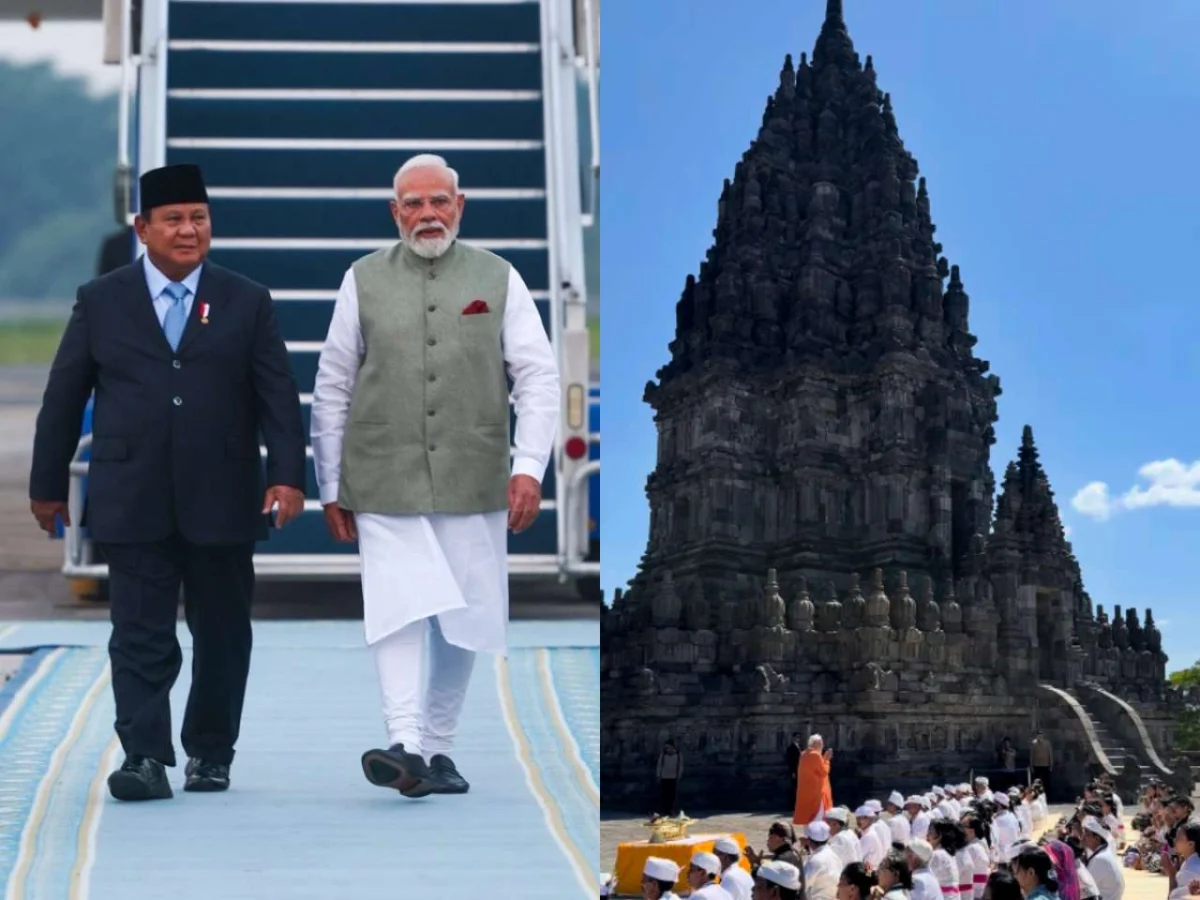
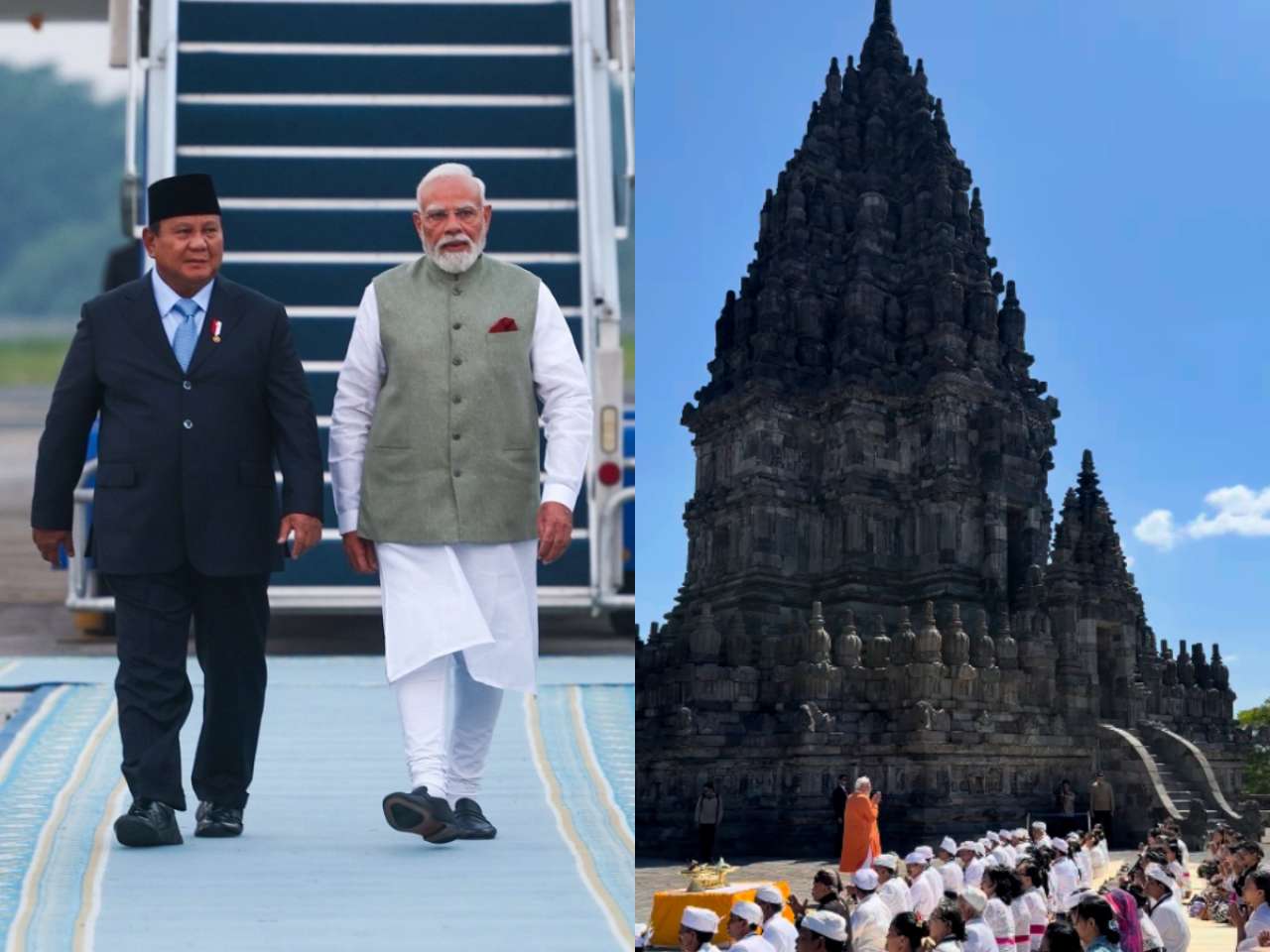
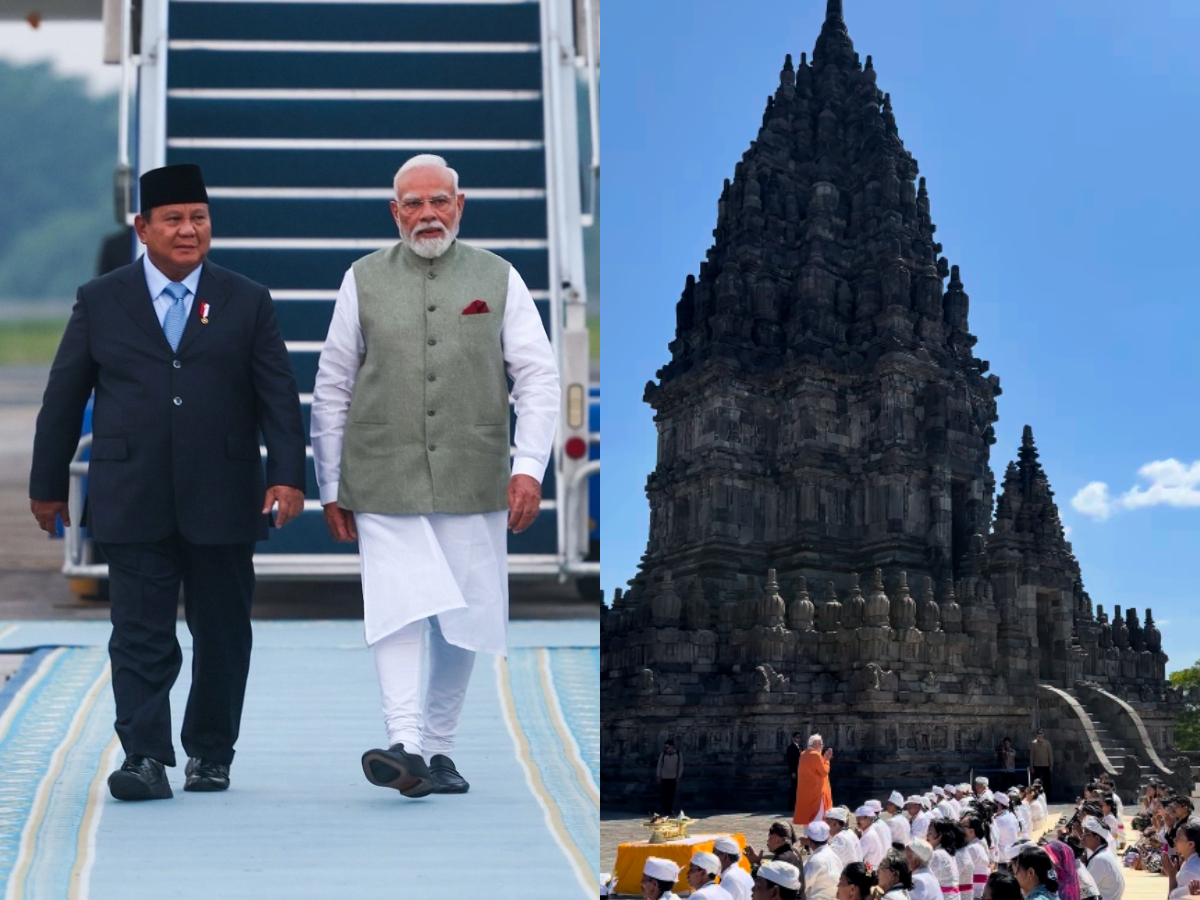
Yogyakarta, Indonesia – During his significant state visit to Indonesia, Prime Minister Narendra Modi made a poignant stop at the magnificent Prambanan Temple complex, a UNESCO World Heritage Site that stands as a profound testament to the deep-rooted cultural and historical connections between India and Indonesia. The visit, steeped in symbolism, underscored the enduring influence of Indian heritage in the world’s most populous Muslim-majority nation and highlighted a shared commitment to preserving these invaluable historical treasures.
Main Facts: A Pilgrimage to Shared Heritage
Prime Minister Modi’s visit to Prambanan, located near Yogyakarta in Central Java, was more than just a diplomatic engagement; it was a spiritual and cultural pilgrimage. The majestic temple complex, a sprawling testament to ancient Hindu architecture and artistry, resonated with the shared history that binds the two nations. This landmark visit signals a potential deepening of cooperation between India and Indonesia, particularly in the realm of cultural heritage conservation, a crucial area for safeguarding global history.
)
While Indonesia is predominantly a Muslim nation, the presence and preservation of Prambanan serve as a powerful reminder of its rich and diverse historical tapestry, woven with threads of Hinduism and Buddhism. The Prime Minister’s presence at this iconic site, revered as Indonesia’s largest Hindu temple, amplified its significance on the global stage and reaffirmed the historical linkages that predate modern nation-states.
)
Chronology: From Ancient Dynasties to Modern Diplomacy
The narrative of Prambanan is a long and fascinating one, stretching back over a millennium. The construction of this monumental complex began in the 9th century CE, during the reign of the Sanjaya Dynasty of the ancient Mataram Kingdom. It was meticulously built to honor the Hindu Trimurti: Lord Shiva, Lord Vishnu, and Lord Brahma, representing the creator, preserver, and destroyer in Hindu cosmology.

Key Historical Milestones of Prambanan:
)
- 9th-10th Centuries CE: Construction of the Prambanan Temple Complex under the Sanjaya Dynasty. The main shrines dedicated to Shiva, Vishnu, and Brahma are erected, along with numerous smaller temples.
- 10th Century onwards: Following political shifts in the region, Prambanan gradually fell into disuse and ruin. Natural disasters like volcanic eruptions and earthquakes, coupled with periods of neglect, led to significant damage and the burial of many structures.
- 19th Century: The site was rediscovered by European explorers and archaeologists, sparking initial interest in its preservation and study.
- 20th Century: Extensive restoration efforts were undertaken to salvage and rebuild the damaged structures, particularly the main temples.
- 1991: The Prambanan Temple Compound was officially inscribed as a UNESCO World Heritage Site, recognizing its outstanding universal value in terms of history, art, and architecture.
- 2006: A powerful earthquake in Yogyakarta caused further damage to the Prambanan complex, necessitating renewed restoration and conservation initiatives.
- 2026 (July 8): Prime Minister Narendra Modi visits the Prambanan Temple complex during his state visit to Indonesia, highlighting the enduring cultural ties and potential for collaborative heritage preservation.
The juxtaposition of Prime Minister Modi’s visit with the temple’s ancient origins underscores the enduring nature of cultural exchange and the long-standing diplomatic and spiritual connections that have historically existed between India and Indonesia.
)
Supporting Data: Architectural Grandeur and Cultural Significance
Prambanan is not merely an ancient structure; it is a masterpiece of ancient Javanese architecture and a vivid canvas of Hindu epics. Its sheer scale and intricate detailing are awe-inspiring.
)
Architectural Marvels:
)
- Scale and Layout: Prambanan is the largest Hindu temple complex in Indonesia and ranks among the most significant in Southeast Asia, second only to Angkor Wat in Cambodia. The complex originally comprised around 240 temples spread across approximately 40 hectares.
- The Trimurti Shrines: The heart of the complex consists of three towering main temples dedicated to Shiva, Vishnu, and Brahma. The Temple of Shiva, the most prominent, soars to a height of around 47 meters, symbolizing the might and grandeur of the deity.
- Intricate Sculptures: The inner chambers of the Shiva temple house exquisite statues of Shiva, along with his consort Durga, the elephant-headed god Ganesha, and the sage Agastya. The architectural layout is based on Hindu cosmological principles, with temples arranged in a mandala-like pattern.
- Bas-Reliefs of the Ramayana: The outer walls of the main temples are adorned with intricately carved bas-reliefs that narrate the epic tale of the Ramayana. These narratives unfold in a clockwise direction, guiding visitors through the story of Rama’s quest and his battle against Ravana. These carvings not only showcase Indian cultural influence but also exhibit a distinct Javanese artistic style.
Cultural and Religious Context:
)
- A Symbol of Hindu Heritage: Despite Indonesia’s Muslim majority, Prambanan stands as a powerful emblem of the country’s historical Hindu heritage. The influence of Hinduism reached the Indonesian archipelago over 1,500 years ago through trade routes and cultural exchanges with India, leading to the establishment of powerful Hindu and Hindu-Buddhist kingdoms.
- Contrast with Borobudur: Prambanan is often discussed in conjunction with the nearby Borobudur Temple, a magnificent Buddhist monument. Together, these two sites offer a comprehensive panorama of the rich religious and cultural pluralism that characterized ancient Java.
- The Legend of Roro Jonggrang: The temple is intrinsically linked to a beloved Javanese folklore about Princess Roro Jonggrang. According to the legend, she was cursed into a statue by a prince who failed to fulfill her impossible demand of building 1,000 temples in a single night. The Durga statue within the Shiva temple is traditionally believed to represent the princess, adding a layer of local myth to the historical structure.
- Living Heritage: The Ramayana’s presence is not confined to stone carvings. The temple complex continues to be a venue for captivating open-air Ramayana ballet performances, where traditional dance, music, and theatre come alive against the backdrop of the illuminated ancient structures, offering a vibrant connection to the past.
Official Responses and Diplomatic Implications
Prime Minister Modi’s visit to Prambanan was met with warm reception and has significant diplomatic implications for India-Indonesia relations. The visit signals a mutual recognition of the importance of cultural heritage as a cornerstone of bilateral ties.
)
Shared Commitment to Preservation:
)
- The visit underscored the potential for enhanced collaboration between India and Indonesia in the conservation and restoration of UNESCO World Heritage Sites like Prambanan. Both nations have a vested interest in preserving these historical marvels for future generations.
- Discussions are likely to revolve around sharing expertise, technology, and best practices in heritage management. India, with its own rich legacy of ancient temples and archaeological sites, can offer valuable insights and support to Indonesia’s conservation efforts.
- The visit also served to further strengthen the people-to-people connections between the two countries, fostering a deeper appreciation for shared cultural roots among their citizens.
Broader Geopolitical Context:
)
- In a region where cultural identity plays a significant role, the emphasis on shared historical and cultural heritage can contribute to greater regional stability and understanding.
- The visit reinforces India’s Act East policy, demonstrating its commitment to deepening engagement with Southeast Asian nations through cultural diplomacy and economic partnership.
- For Indonesia, highlighting its historical Hindu past through such high-profile visits can contribute to a more nuanced understanding of its national identity, which is often perceived solely through the lens of its Muslim majority.
Implications: A Bridge Across Time and Faiths
Prime Minister Modi’s visit to Prambanan Temple is far more than a mere photo opportunity; it is a powerful statement about the enduring strength of cultural diplomacy and the profound historical links that transcend geographical boundaries and religious differences.
)
Strengthening Bilateral Ties:
)
- The shared reverence for ancient heritage provides a unique and potent platform for India and Indonesia to deepen their strategic partnership. This cooperation can extend beyond cultural exchanges to encompass economic, technological, and security collaborations.
- By acknowledging and celebrating Indonesia’s Hindu past, India is reinforcing its commitment to being a partner in preserving the diverse cultural heritage of its neighbours. This fosters goodwill and strengthens India’s image as a responsible global player.
A Symbol of Tolerance and Pluralism:
)
- In an era often marked by religious and cultural divides, Prambanan, and Prime Minister Modi’s visit to it, serves as a powerful symbol of religious tolerance and the historical coexistence of different faiths in Indonesia.
- The visit implicitly champions the idea that a nation’s identity is enriched by its multifaceted history, including periods influenced by diverse religious traditions. This message resonates globally, promoting understanding and respect for cultural diversity.
Nurturing a Shared Future:
)
- The preservation of sites like Prambanan is not just about honouring the past; it is about investing in a shared future. By working together to protect these invaluable monuments, India and Indonesia are building a legacy of collaboration that can inspire future generations.
- The engagement at Prambanan signifies a commitment to safeguarding intangible cultural heritage as well, through continued support for traditional arts like the Ramayana ballet, ensuring that these vibrant expressions of culture continue to thrive.
In conclusion, Prime Minister Narendra Modi’s visit to the Prambanan Temple complex was a landmark event, illuminating the deep historical and cultural connections between India and Indonesia. It underscored the shared responsibility to preserve these ancient monuments, not just as relics of the past, but as vibrant bridges connecting civilizations and fostering understanding in the present and for generations to come. The echoes of ancient Indian influence in the heart of Indonesia continue to resonate, a testament to a timeless cultural dialogue.
