

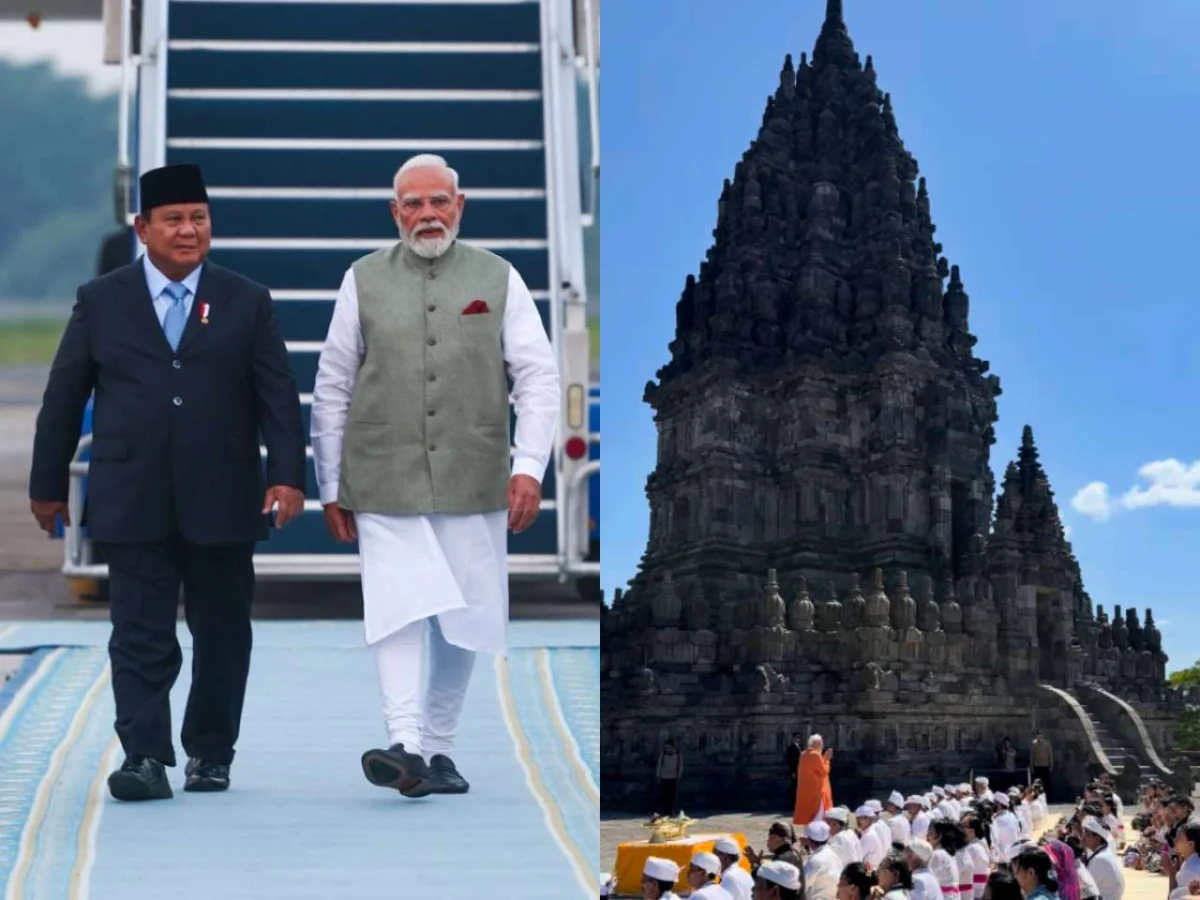
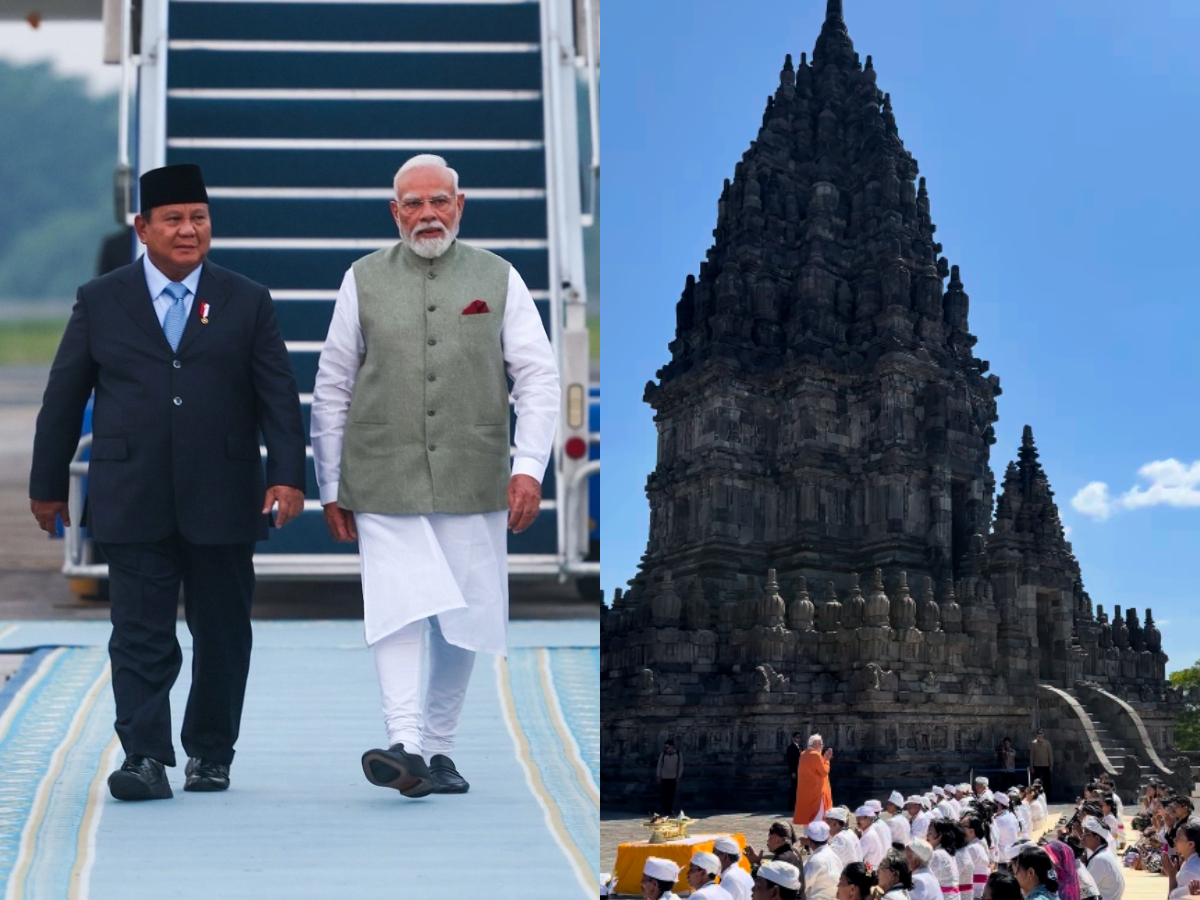
Yogyakarta, Indonesia – July 8, 2026 – Prime Minister Narendra Modi’s recent state visit to Indonesia marked a significant moment in the deepening bilateral relations between the two nations, with a poignant visit to the majestic Prambanan Temple complex in Yogyakarta. This UNESCO World Heritage Site, a testament to the ancient and vibrant Hindu heritage of Indonesia, served as a powerful symbol of the centuries-old cultural and spiritual ties that bind India and the archipelago. The visit not only highlighted these enduring connections but also opened avenues for future collaboration in preserving this invaluable historical monument.
A Sacred Sojourn: Deepening Cultural Diplomacy
Prime Minister Modi’s pilgrimage to Prambanan was more than just a diplomatic courtesy; it was a profound engagement with a shared cultural legacy. The grandeur of the temple, standing resilient against the backdrop of a nation with the world’s largest Muslim population, underscores the rich tapestry of religious and cultural coexistence that has long characterized Indonesia. This visit served to reaffirm the historical narrative of Hindu influence that permeated the Indonesian islands over 1,500 years ago, a legacy that continues to resonate today.
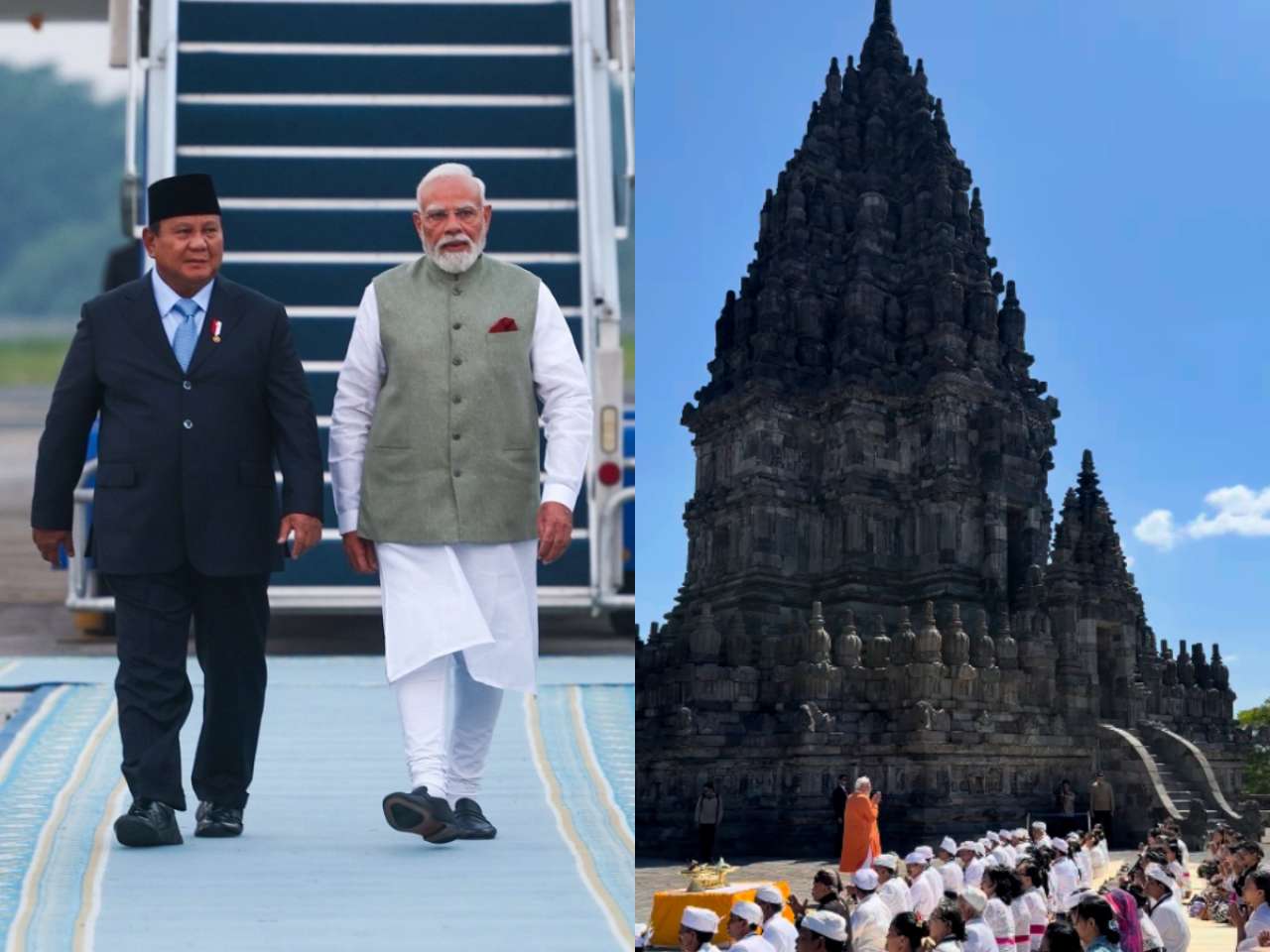
The significance of Prambanan extends beyond its architectural marvels. It represents a tangible link to an era when trade and cultural exchanges between India and Indonesia fostered the rise of powerful Hindu and Hindu-Buddhist kingdoms across Java, Sumatra, and Bali. These kingdoms left behind a rich heritage of temples, inscriptions, and enduring cultural traditions, the echoes of which are still palpable. Prime Minister Modi’s presence at this sacred site was a powerful endorsement of this shared heritage and a clear signal of India’s commitment to fostering cultural understanding and cooperation with Indonesia.
A Chronicle of Devotion: The History and Grandeur of Prambanan
The Prambanan Temple Compound, a sprawling complex near Yogyakarta in Central Java, stands as the largest Hindu temple complex in Indonesia and one of the most impressive in Southeast Asia, second only to Cambodia’s Angkor Wat in scale. Its construction, dating back to the 9th and 10th centuries under the Sanjaya dynasty of the ancient Mataram Kingdom, was a monumental undertaking dedicated to the revered Hindu Trimurti: Lord Shiva, Lord Vishnu, and Lord Brahma.
)
The Genesis of a Monument (Circa 9th-10th Centuries):
The origins of Prambanan are rooted in the flourishing Mataram Kingdom, a period of significant cultural and religious development in ancient Java. The decision to erect such an elaborate temple complex was a testament to the kingdom’s prosperity and its deep embrace of Hindu philosophy and practices. The Sanjaya dynasty, known for its patronage of Hinduism, commissioned the construction, creating a spiritual epicenter that would serve generations to come.
A Triad of Deities (Dedicated to the Trimurti):
At the heart of the Prambanan complex lie three principal temples, each dedicated to one of the principal deities of Hinduism. The towering central temple is dedicated to Lord Shiva, the Destroyer and Transformer, the most revered deity in the Trimurti. To its south stands the temple of Lord Vishnu, the Preserver, while to the north is the shrine of Lord Brahma, the Creator. This tripartite dedication reflects the fundamental Hindu concept of cosmic creation, preservation, and destruction.
)
Architectural Prowess and Spiritual Design:
The architectural style of Prambanan is a breathtaking fusion of Indian influences and indigenous Javanese artistry. The temples are characterized by their soaring, pointed spires, reaching skyward in a majestic display of devotion. The main Shiva temple, the tallest of the trio, stands at an imposing height of approximately 47 meters, its silhouette dominating the surrounding landscape.
Within the sanctum of the Shiva temple, exquisite statues of Lord Shiva, Goddess Durga (often associated with the legend of Princess Roro Jonggrang), Lord Ganesha, and the sage Agastya adorn the chambers. The entire complex is meticulously laid out in a square pattern, mirroring the Hindu cosmological understanding of the universe, with the temples representing the sacred Mount Meru.

From a Grand Design to Preserved Heritage:
The original vision for Prambanan was even more ambitious, encompassing an estimated 240 temples spread across nearly 40 hectares. While time, natural calamities, and periods of neglect have reduced many of the smaller shrines to ruins, the main temples have undergone meticulous restoration, preserving their splendor for posterity. The complex was officially recognized by UNESCO as a World Heritage Site in 1991, acknowledging its profound historical and architectural significance.
The Interplay with Borobudur:
Prambanan often finds itself in comparison with the nearby Borobudur Temple, a monumental Buddhist structure. Together, these two iconic sites offer a compelling narrative of ancient Java’s religious pluralism and its rich cultural synthesis, showcasing both the Hindu and Buddhist strands that shaped its civilization.
)
Echoes of an Epic: The Ramayana Carved in Stone
One of the most captivating aspects of Prambanan is its intricate stone carvings, which serve as a vivid visual narrative of the epic Ramayana. The temple walls are adorned with bas-reliefs that meticulously depict the saga of Lord Rama, his exile, the abduction of Sita by Ravana, and the epic battle to rescue her. Visitors are traditionally guided to circumnavigate the temple in a clockwise direction, immersing themselves in the unfolding story etched in stone.
A Cultural Bridge:
These carvings are a powerful testament to the profound influence of Indian culture on Indonesia. However, they are not mere replicas; they also exhibit a distinct Javanese artistic flair, demonstrating a unique fusion of cultural elements that define the distinct identity of the region. This artistic dialogue between India and Indonesia has enriched both cultures over centuries.
)
The Ramayana Ballet: A Living Tradition:
The enduring relevance of the Ramayana at Prambanan is further exemplified by the captivating open-air Ramayana ballet performances. Against the majestic backdrop of the illuminated temple complex, dancers, musicians, and actors bring the epic to life, blending traditional Javanese performing arts with the timeless story. This vibrant tradition ensures that the epic continues to resonate with contemporary audiences, keeping the cultural heritage alive.
The Legend of Princess Roro Jonggrang: Folklore and Faith
Intertwined with the history of Prambanan is the enchanting Javanese legend of Princess Roro Jonggrang. According to the folklore, the beautiful princess was betrothed to the formidable warrior Bandung Bondowoso, but only on the condition that he build 1,000 temples in a single night. Empowered by supernatural abilities, the prince embarked on this Herculean task.
)
A Clever Deception:
As the prince and his spirit allies neared completion, the princess, fearing the marriage, resorted to a clever ruse. She instructed villagers to light bonfires and pound rice, creating the illusion of dawn. Deceived into believing their task was impossible, the spirits vanished, leaving the final temple incomplete.
A Cursed Princess:
Enraged by this deception, Bandung Bondowoso, in his fury, cursed Roro Jonggrang, transforming her into stone. Local tradition posits that the statue of Goddess Durga housed within the Shiva temple is, in fact, a representation of the cursed princess. While historians regard this tale as folklore, it remains a beloved and integral part of the Prambanan narrative, adding a layer of mystique to the site.
)
From Ruin to Renaissance: The Journey of a World Heritage Site
The glory of Prambanan, like many ancient monuments, experienced a period of decline following political shifts in the 10th century. Volcanic eruptions, seismic activity, and prolonged neglect contributed to its gradual ruin, with many structures succumbing to the elements and becoming buried under ash and vegetation.
Rediscovery and Restoration:
The site lay in a state of disrepair for centuries until its rediscovery in the 19th century. This marked the beginning of dedicated efforts to excavate and restore the magnificent complex. Despite setbacks, including significant damage from the 2006 Yogyakarta earthquake, ongoing restoration projects have been instrumental in preserving the monument’s integrity and ensuring its survival for future generations.
)
A Beacon of Tourism and Culture:
Today, while the painstaking process of rebuilding some of the smaller temples continues, the main shrines stand restored, attracting visitors from across the globe. Prambanan remains one of Indonesia’s most significant tourist attractions, drawing people not only for its architectural splendor but also for its rich historical and cultural narratives.
A Resilient Legacy: Hindu Heritage in Modern Indonesia
In contemporary Indonesia, where the majority of the population adheres to Islam, the enduring presence of Hindu traditions serves as a powerful reminder of the nation’s multifaceted historical and cultural identity. The influence of Hinduism, which began to permeate the Indonesian archipelago over 1,500 years ago through robust trade and cultural exchanges with India, has left an indelible mark.
)
A Tapestry of Kingdoms:
The rise and fall of various Hindu and Hindu-Buddhist kingdoms across Java, Sumatra, and Bali laid the foundation for a rich cultural landscape. These kingdoms left behind a legacy of magnificent temples, ancient inscriptions, and enduring cultural practices that continue to shape Indonesian society.
Bali: The Modern-Day Bastion:
While Prambanan stands as a monumental testament to Java’s Hindu past, the island of Bali remains the vibrant heart of Hinduism in modern Indonesia. However, sites like Prambanan continue to play a crucial role in preserving and showcasing the nation’s diverse Hindu heritage, ensuring that this significant chapter of Indonesian history remains accessible and appreciated.
)
Official Responses and Collaborative Ventures
The significance of Prime Minister Modi’s visit was underscored by the warm reception he received and the discussions held with Indonesian officials regarding future collaborations. The shared commitment to preserving cultural heritage was a central theme.
A Shared Responsibility:
Indonesian Minister of Culture, Arts, and Education, Dr. Anies Baswedan, speaking after the visit, expressed his gratitude for Prime Minister Modi’s attention to Prambanan. "The visit of Prime Minister Modi to Prambanan is a profound honor for Indonesia," he stated. "It reaffirms the deep historical and cultural connections we share with India. We are eager to explore collaborative opportunities for the conservation and promotion of this magnificent UNESCO World Heritage Site."
)
The Indonesian government has long been committed to the upkeep of Prambanan. The Ministry of Education and Culture, through its Directorate General of Cultural Heritage, has been actively involved in restoration and research efforts. The ongoing partnership with international organizations, including UNESCO, has been crucial in ensuring the site’s long-term preservation.
India’s Commitment to Cultural Exchange:
The Indian government, through its Ministry of External Affairs and the Indian Council for Cultural Relations (ICCR), has consistently promoted cultural diplomacy and heritage preservation initiatives globally. Prime Minister Modi’s visit signals a renewed focus on strengthening these ties with Indonesia, a nation with which India shares a long and storied history of cultural exchange.
)
"India and Indonesia are bound by more than just geography; we are united by shared cultural roots and historical narratives," remarked a senior official from the Indian Ministry of External Affairs. "Our support for the conservation of Prambanan is not just about protecting a monument; it is about safeguarding a shared legacy that enriches both our nations and the world."
Implications for Bilateral Relations and Cultural Diplomacy
Prime Minister Modi’s visit to Prambanan carries significant implications for the broader India-Indonesia bilateral relationship and the practice of cultural diplomacy.
)
Strengthening People-to-People Connect:
By highlighting shared cultural heritage, such high-profile visits foster a deeper sense of connection between the citizens of both nations. It moves beyond governmental ties to touch upon the emotional and historical bonds that can form the bedrock of lasting friendships. This can translate into increased tourism, academic exchanges, and greater understanding between the two populations.
A Model for Heritage Preservation:
The potential for collaborative efforts in the conservation of Prambanan could serve as a model for future heritage preservation projects in other regions. By pooling resources, expertise, and best practices, India and Indonesia can demonstrate a powerful commitment to safeguarding global cultural assets. This could involve joint research initiatives, training programs for heritage conservationists, and the sharing of technological advancements in restoration.
)
Enhancing India’s Soft Power:
For India, engaging with sites like Prambanan is a strategic component of its soft power projection. It showcases India’s rich cultural heritage and its commitment to promoting cultural understanding and respect for diverse traditions worldwide. This resonates positively on the global stage and strengthens India’s position as a responsible global actor.
A Bridge Across Religious Divides:
In an increasingly complex world, the visit to a significant Hindu site in a Muslim-majority nation holds particular resonance. It underscores the possibility and beauty of religious and cultural pluralism, demonstrating how diverse traditions can coexist and enrich a nation’s identity. This message of harmony and mutual respect is invaluable.
)
The visit of Prime Minister Narendra Modi to the Prambanan Temple complex was a landmark event, a potent reminder of the deep-seated cultural kinship between India and Indonesia. It transcended the realm of political diplomacy to touch upon the enduring threads of shared history, spirituality, and artistic expression that have woven a rich tapestry across Asia for millennia. As both nations look towards the future, the legacy of Prambanan stands as a luminous testament to the power of cultural heritage to connect peoples and foster lasting bonds of friendship and cooperation.
