

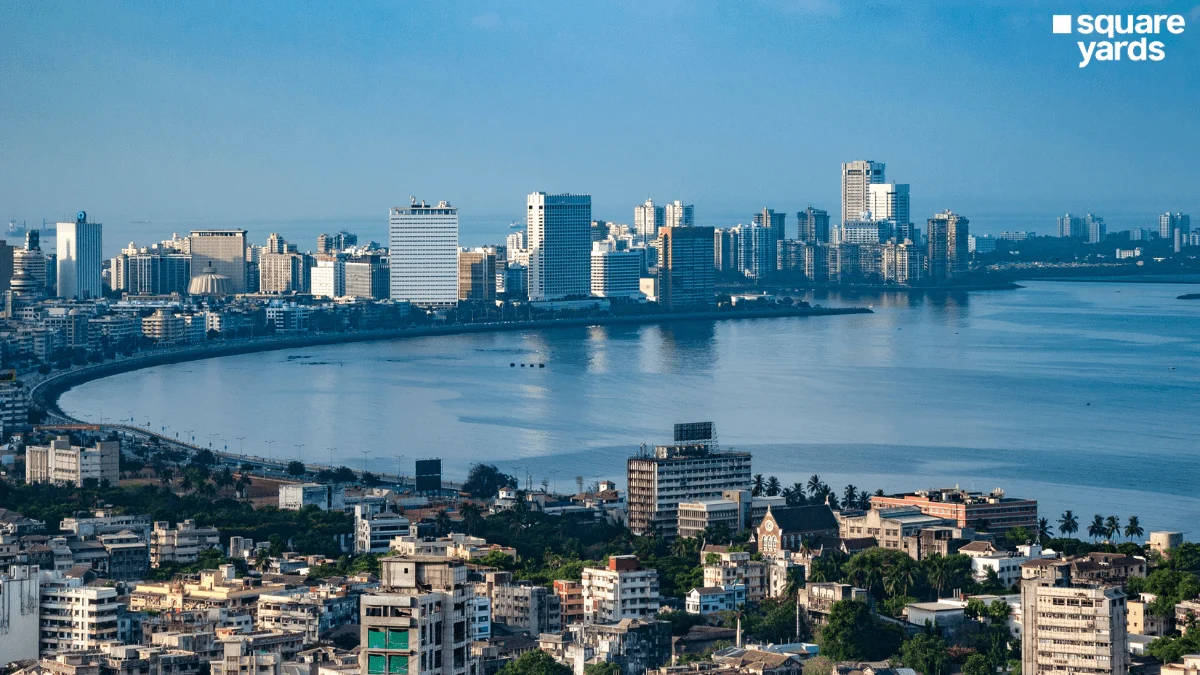
MUMBAI – The financial capital of India has reached a significant milestone in its residential real estate sector, recording its most robust first-half performance in over a decade. According to the latest market data released for the period ending June 30, 2026, Mumbai saw over 80,000 property registrations, signaling a period of unprecedented resilience and growth. Despite the headwinds of rising property valuations and global economic fluctuations, the Mumbai housing market has not only sustained its momentum but has accelerated, driven by infrastructure development, shifting buyer preferences, and a surge in luxury and mid-segment demand.
Main Facts: The Numbers Behind the Milestone
The first half of 2026 (H1 2026) has set a new benchmark for the Mumbai Metropolitan Region (MMR). The city recorded exactly 80,221 property registrations, the highest figure seen for the January–June period since 2013. This surge in activity contributed a staggering Rs 6,968 crore to the state exchequer through stamp duty revenue, reflecting the high-value nature of the transactions taking place.
Key highlights of the H1 2026 performance include:
- Registration Volume: 80,221 units, marking a steady climb from previous years.
- Average Asking Price: A city-wide average of Rs 38,600 per sq. ft., representing a significant appreciation from the previous year.
- Revenue Generation: Nearly Rs 7,000 crore in stamp duty, underscoring the real estate sector’s role as a primary pillar of the regional economy.
- Sector Leadership: New launch projects outperformed ready-to-move-in (RTMI) inventory in terms of price appreciation, signaling high investor confidence in future developments.
Chronology: The Trajectory of Growth (2025–2026)
To understand the magnitude of the H1 2026 performance, one must look at the steady climb that began in late 2025. The market did not reach these heights overnight; rather, it followed a consistent upward trajectory.
Q3 & Q4 2025: The Foundation
In September 2025, the average asking price in Mumbai stood at Rs 35,550 per sq. ft. As the year drew to a close, December 2025 saw prices climb to Rs 37,700 per sq. ft. This period was characterized by a "wait and watch" approach by some, but the underlying demand remained strong as the city’s infrastructure projects—most notably the Mumbai Metro extensions and the Coastal Road—began to reshape connectivity.
Q1 2026: The Breakout
The first quarter of 2026 saw a decisive jump. By March 2026, property prices hit Rs 38,600 per sq. ft. This period was marked by a rush of registrations as buyers sought to lock in prices before anticipated hikes. The momentum from the festive season of late 2025 carried over, fueled by a stable interest rate environment and positive consumer sentiment.
Q2 2026: Consolidation and Records
The April–June quarter solidified the gains. While price growth became more gradual, the volume of registrations remained high. The culmination of this six-month period resulted in the 80,221 registration figure, officially making it the strongest H1 in thirteen years.
Supporting Data: Micro-Market Dynamics and Segment Trends
The H1 2026 data reveals that Mumbai’s real estate growth is not monolithic; different micro-markets and property types exhibited varying levels of performance.
Micro-Market Performance
- Mumbai South: Remains the pinnacle of luxury. With an average asking price of Rs 46,350 per sq. ft., it continues to attract high-net-worth individuals (HNIs). The demand here is driven by limited supply and the prestige associated with "Old Mumbai" addresses.
- Mumbai Harbour: This region emerged as a significant growth corridor, recording a 3.41% year-over-year price growth. With an average price of Rs 37,250 per sq. ft., the Harbour area is benefiting immensely from the Trans-Harbour Link and redevelopment projects in Wadala and Chembur.
- Western Suburbs: The volume driver of the city, the Western Suburbs reached an average price of Rs 34,900 per sq. ft. Areas like Andheri, Borivali, and Malad continue to see high registration volumes due to their blend of commercial hubs and residential amenities.
- Central Suburbs: Offering a more competitive entry point, the Central Suburbs averaged Rs 33,000 per sq. ft., appealing largely to middle-income professionals and first-time homebuyers.
New Launches vs. Existing Inventory
A notable trend in H1 2026 was the preference for New Launch Projects. These projects saw a price appreciation of 4.4%, significantly outperforming:
- Under-construction projects: 2.8% appreciation.
- Ready-to-move homes: 2.0% appreciation.
This shift suggests that buyers are increasingly looking for modern amenities, better construction technology, and "lifestyle" features that older buildings often lack.
The Rental Landscape
The rental market has kept pace with capital value appreciation. The average rent in Mumbai stood at Rs 110 per sq. ft., with a healthy rental yield of 3.42%. For investors, this yield, combined with capital appreciation, makes Mumbai residential property one of the most lucrative asset classes in the Indian market.
Official Responses and Industry Perspectives
Industry leaders and analysts have weighed in on the H1 2026 data, offering a glimpse into the sentiment driving these numbers.
Anuj Puri, Chairman of a leading Real Estate Group, noted: "The 80,000+ registration mark is a psychological and economic breakthrough. It confirms that the ‘fear of missing out’ (FOMO) has been replaced by ‘confidence in value.’ Buyers are no longer just looking for a roof; they are looking for an asset that appreciates while providing a superior quality of life."
The CREDAI-MCHI (Maharashtra Chamber of Housing Industry) Spokesperson commented on the revenue figures: "The Rs 6,968 crore generated in stamp duty is a testament to the sector’s contribution to state development. We urge the government to continue its focus on infrastructure, as every new Metro station or flyover directly translates into housing demand and economic activity."
Government officials from the Department of Registration and Stamps stated that the digitization of the registration process has played a crucial role. "The ease of doing business and the transparency in the registration process have encouraged more citizens to formalize their transactions promptly, contributing to these record-breaking figures."
Implications: What This Means for the Future
The performance of Mumbai’s property market in the first half of 2026 has several long-term implications for homebuyers, investors, and urban planners.
1. The Shift to "Premiumization"
The data indicates that the "affordable housing" segment is facing pressure as the market shifts toward "premium" and "mid-premium" categories. With average prices nearing Rs 40,000 per sq. ft., the entry barrier for the main city is rising, pushing the affordable segment further into the extended suburbs of the MMR.
2. Infrastructure as a Price Catalyst
The correlation between infrastructure completion and price hikes is clearer than ever. Regions like the Harbour and Western Suburbs, which have seen recent connectivity improvements, are outperforming traditional benchmarks. This trend is expected to continue as the Navi Mumbai International Airport nears completion, likely sparking a similar surge in the satellite city.
3. Investor Confidence in Off-Plan Sales
The 4.4% appreciation in new launches suggests a return of the "investor" to the Mumbai market. After years of preferring ready-to-move-in homes due to RERA-related caution, buyers are now confident in the timely delivery of projects by Tier-1 developers, allowing them to benefit from lower entry prices in the launch phase.
4. Sustainability of Growth
While the growth is robust, the rising cost of acquisition remains a point of discussion. Analysts suggest that for this momentum to sustain through H2 2026 and into 2027, interest rates must remain stable. Any significant hike in home loan rates could temper the enthusiasm of the mid-segment buyer.
Conclusion
Mumbai’s residential real estate market has concluded H1 2026 on a historic high. The record-breaking 80,221 registrations are not merely a statistic but a reflection of a city in transformation. As infrastructure bridges the gap between different micro-markets and new developments redefine urban living, Mumbai continues to solidify its position as the primary engine of India’s real estate growth. For the homebuyer, the message is clear: the market is resilient and appreciating. For the investor, the steady yields and capital gains reinforce Mumbai’s status as a safe haven for capital. As the city moves into the second half of the year, all eyes will be on whether this momentum can propel the market to a full-year record.
