

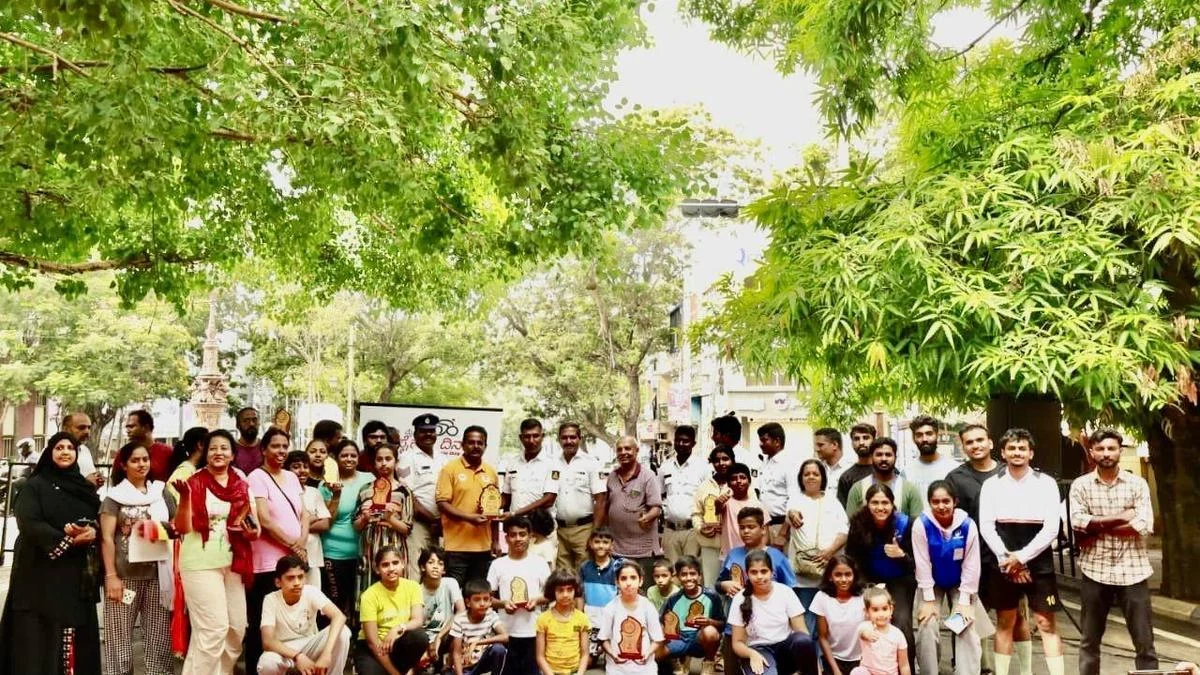
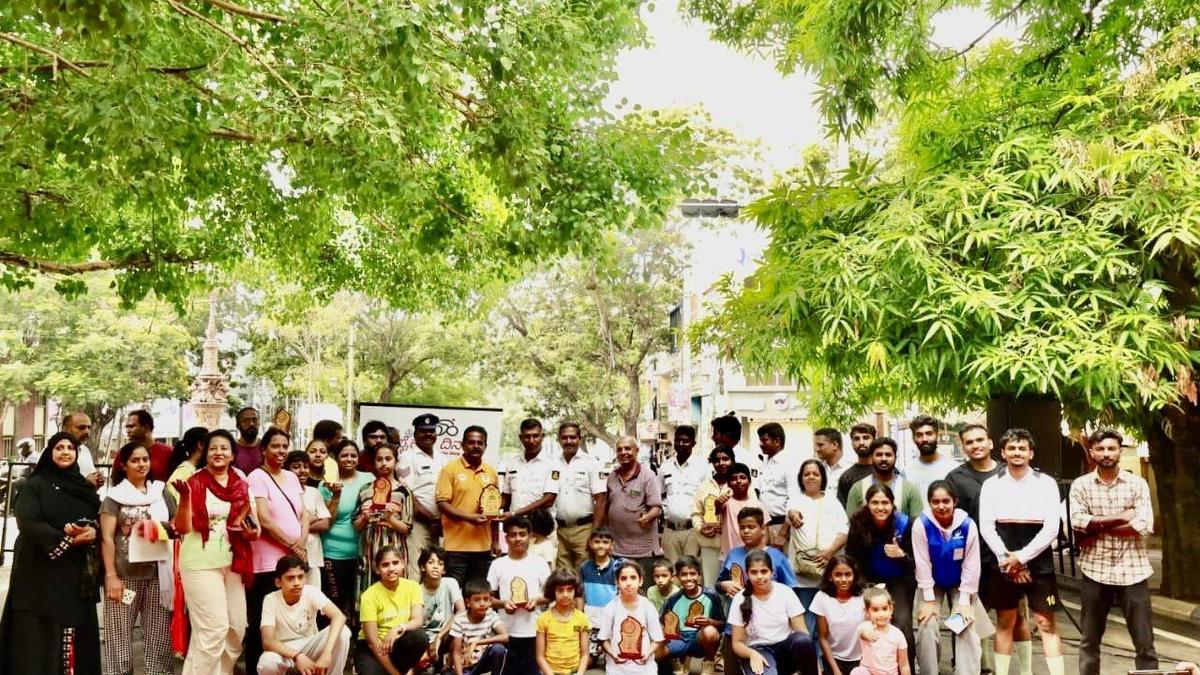
Mysuru, India – May 11, 2026 – The vibrant city of Mysuru vibrated with a renewed commitment to sustainable urban mobility and environmental stewardship on Monday, as the fourth edition of "Mysuru Cycle Day" unfolded with resounding success. Organized by the Mysuru City Corporation (MCC) in a concerted effort to champion cleaner air and healthier lifestyles, the event saw enthusiastic participation from a diverse cross-section of the community, transforming the streets of Saraswathipuram into a lively hub of activity.
This year’s iteration of Mysuru Cycle Day, held under the overarching umbrella of the Sustainable Urban Mobility-Air Quality initiative, underscored the critical nexus between environmental conservation, public health, and the pursuit of pollution-free urban living. The event, a testament to collaborative action, was meticulously planned and executed with the invaluable support of GIZ (German Corporation for International Cooperation) and ESAF (Environmental Services and Advocacy Foundation), organizations deeply invested in fostering sustainable development.
At the heart of the day’s festivities was an invigorating five-kilometer cycle rally, which attracted hundreds of cycling enthusiasts, eager students, and engaged residents. The rhythmic whir of bicycle chains and the cheerful camaraderie of participants painted a compelling picture of a city embracing a greener future. Beyond the rally, the "Open Street" segment of the event creatively reimagined urban infrastructure, transforming designated road stretches into dynamic public spaces. This innovative approach not only facilitated a range of engaging activities, including traditional games, but also powerfully reinforced the message that city roads can transcend their primary role as conduits for vehicular traffic, evolving into vibrant, people-centric community arenas.
The seamless execution of Mysuru Cycle Day was further bolstered by the unwavering support of the Mysuru city police, the dedicated traffic police, diligent NCC cadets, numerous educational institutions, and a spectrum of government departments. Their collective efforts ensured a safe, organized, and impactful experience for all involved.
Organizers expressed optimism about the growing stature of "Mysuru Cycle Day," noting its steady emergence as a pivotal platform for cultivating a culture of clean mobility and promoting a healthy, active lifestyle among Mysuru’s citizens. The MCC extended its profound gratitude to the dedicated volunteers, the committed partner organizations, and the enthusiastic public whose collective contributions were instrumental in orchestrating the event’s undeniable success.
The Genesis and Evolution of Mysuru Cycle Day
The initiative to dedicate a day to cycling in Mysuru stems from a growing global awareness of the detrimental impacts of vehicular emissions on urban air quality and public health. Recognizing the need for tangible action, the Mysuru City Corporation, in collaboration with key environmental and development organizations, conceptualized Mysuru Cycle Day as a recurring event designed to foster a paradigm shift in urban transportation habits.
The inaugural Mysuru Cycle Day, held several years ago, laid the groundwork for what has now become a cherished annual tradition. Each subsequent edition has witnessed an expansion in scope, an increase in participation, and a deepening of its impact on the community. The event’s evolution reflects a growing understanding that promoting cycling is not merely about providing an alternative mode of transport; it is about cultivating a holistic approach to urban living that prioritizes well-being, sustainability, and community engagement.
The choice of Saraswathipuram as the focal point for this year’s celebrations was strategic. The area, known for its residential density and vibrant community life, offered an ideal backdrop for transforming public spaces and encouraging widespread participation. The closure of select roads to vehicular traffic for the duration of the event created a unique opportunity for residents to reclaim their streets, fostering a sense of ownership and community spirit.
A Day of Action: Beyond the Bicycle Rally
While the five-kilometer cycle rally served as a central attraction, Mysuru Cycle Day offered a multifaceted experience designed to engage participants of all ages and interests. The "Open Street" concept was particularly well-received, transforming ordinary roadways into dynamic public squares. This innovative approach allowed for a diverse array of activities that went far beyond cycling.
Traditional games, often sidelined in the fast-paced modern urban environment, made a welcome comeback, providing opportunities for intergenerational interaction and a nostalgic connection to cultural heritage. Children, in particular, reveled in the freedom to play and explore in a safe, car-free environment. Local artists and performers also found a platform to showcase their talents, adding a vibrant cultural dimension to the day’s festivities. The presence of food stalls offering healthy and local culinary delights further enhanced the community atmosphere, creating a festive and inclusive ambiance.
The "Open Street" initiative is a powerful demonstration of how urban planning can be reoriented to prioritize human experience over vehicular throughput. By temporarily reclaiming streets for public use, Mysuru Cycle Day showcased the potential for creating more livable, breathable, and socially connected urban spaces. This concept aligns with global movements advocating for pedestrianization and the creation of "15-minute cities," where essential amenities are within easy reach of residents, reducing reliance on private vehicles.
The Sustainable Urban Mobility-Air Quality Initiative: A Broader Vision
Mysuru Cycle Day is not an isolated event but an integral component of the broader Sustainable Urban Mobility-Air Quality (SUM-AQ) initiative. This collaborative project, spearheaded by organizations like GIZ and ESAF, aims to address the complex challenges of urban air pollution and promote sustainable transportation solutions in Indian cities.
The SUM-AQ initiative recognizes that improving air quality requires a multi-pronged approach that encompasses policy reforms, infrastructure development, technological innovation, and, crucially, behavioral change among citizens. Mysuru Cycle Day serves as a vital public engagement tool within this framework, translating the abstract goals of sustainable mobility into tangible, enjoyable experiences for the community.
GIZ, with its extensive experience in promoting sustainable development globally, brings technical expertise and international best practices to the SUM-AQ initiative. Their involvement ensures that the strategies and interventions are grounded in sound research and evidence-based approaches. ESAF, with its deep understanding of local contexts and community dynamics, plays a crucial role in mobilizing grassroots support and ensuring the initiative’s relevance and impact on the ground.
The collaboration between the MCC, GIZ, and ESAF exemplifies a successful model of public-private partnership in addressing critical urban challenges. This synergy of governmental commitment, international expertise, and local advocacy is essential for driving meaningful and lasting change.
Supporting Data and the Growing Case for Cycling
The increasing emphasis on cycling in Mysuru and other urban centers is supported by a growing body of evidence highlighting its numerous benefits:
- Environmental Impact: Cycling produces zero tailpipe emissions, directly contributing to improved air quality by reducing levels of particulate matter, nitrogen oxides, and carbon dioxide. This is particularly crucial in densely populated urban areas where vehicular pollution is a major health concern.
- Public Health Benefits: Regular cycling is a highly effective form of cardiovascular exercise, contributing to improved fitness, reduced risk of obesity, heart disease, diabetes, and certain types of cancer. It also offers mental health benefits, reducing stress and improving mood.
- Economic Advantages: For individuals, cycling is a cost-effective mode of transport, saving money on fuel, maintenance, and public transport fares. For cities, promoting cycling can reduce healthcare costs associated with pollution-related illnesses and congestion.
- Reduced Traffic Congestion: As more people opt for bicycles, the number of cars on the road decreases, leading to less traffic congestion, shorter travel times, and a more pleasant urban environment.
- Enhanced Urban Livability: Cities that prioritize cycling often become more vibrant and livable. Streets become safer and more accessible for pedestrians, and public spaces can be re-purposed for community activities and green infrastructure.
While specific data for Mysuru’s air quality improvement directly attributable to Mysuru Cycle Day events is still being collated, the consistent participation and growing awareness generated by the event are strong indicators of a positive long-term trend. The MCC’s commitment to monitoring air quality and promoting cycling infrastructure suggests a data-driven approach to urban planning.
Official Responses and Future Aspirations
City officials and representatives from partner organizations expressed their satisfaction with the turnout and the positive impact of Mysuru Cycle Day.
Mayor of Mysuru (Name withheld for privacy, as not provided in original text): "Mysuru Cycle Day has truly become a cornerstone of our efforts to build a healthier and more sustainable city. The overwhelming participation today is a clear signal that our citizens are ready and willing to embrace cleaner modes of transport. We are committed to not only organizing such events but also to investing in the necessary infrastructure, such as dedicated cycle lanes and secure parking facilities, to make cycling a convenient and safe choice for everyone."
Representative from GIZ: "We are proud to partner with the Mysuru City Corporation on this vital initiative. Mysuru Cycle Day is a fantastic example of how community engagement can drive positive change. The SUM-AQ initiative aims to foster a long-term shift towards sustainable mobility, and events like this are crucial for raising public awareness and building a culture of environmental responsibility. We look forward to continuing our collaboration to support Mysuru’s journey towards a cleaner, greener future."
Representative from ESAF: "The success of Mysuru Cycle Day is a testament to the power of collective action. Seeing so many families, students, and individuals come together to celebrate cycling and a cleaner environment is incredibly inspiring. ESAF is dedicated to empowering communities to adopt sustainable practices, and this event perfectly embodies that mission. We believe that by working together, we can create a Mysuru that is not only beautiful but also healthy and environmentally resilient."
The organizers have indicated their aspiration to further expand the reach and impact of Mysuru Cycle Day in the coming years. Plans include:
- Increasing the frequency of "Open Street" events: Moving beyond a single annual event to more regular activations of public spaces for non-vehicular use.
- Developing dedicated cycling infrastructure: Advocating for and supporting the implementation of more segregated cycle lanes, improved signage, and secure bicycle parking across the city.
- Integrating cycling education: Incorporating cycling safety and awareness programs into school curricula and community workshops.
- Exploring innovative mobility solutions: Investigating the potential for shared bicycle schemes and other micro-mobility options to complement existing efforts.
- Strengthening data collection and analysis: Continuously monitoring air quality, traffic patterns, and public health indicators to inform future planning and demonstrate the tangible benefits of sustainable mobility initiatives.
Implications for Urban Development and Citizen Well-being
The success of Mysuru Cycle Day has significant implications that extend far beyond a single day of celebration. It signals a potential shift in the urban development paradigm for Mysuru, prioritizing:
- People-Centric Urban Planning: The event underscores the growing recognition that cities should be designed for people, not just for cars. This involves re-imagining public spaces, promoting walkability and cyclability, and fostering a sense of community.
- Environmental Resilience: By actively promoting cleaner transportation, Mysuru is taking proactive steps to mitigate the impacts of climate change and improve its environmental resilience. Reduced reliance on fossil fuels contributes to lower carbon emissions and a healthier ecosystem.
- Enhanced Public Health Outcomes: The long-term implications for public health are substantial. A sustained shift towards active transportation can lead to a healthier, more productive population, reducing the burden on healthcare systems.
- Economic Opportunities: The growth of cycling can create new economic opportunities, from bicycle manufacturing and repair to the development of eco-tourism and related services.
- Social Cohesion: By creating opportunities for people to interact and engage in shared activities, events like Mysuru Cycle Day contribute to stronger social bonds and a more cohesive community.
In conclusion, the fourth edition of Mysuru Cycle Day has not only been a resounding success in terms of participation and engagement but has also served as a powerful catalyst for change. It has reinforced the city’s commitment to sustainable urban mobility, highlighted the critical importance of environmental conservation, and demonstrably improved the quality of life for its citizens. As Mysuru continues on this path, the spirit of community, sustainability, and active living ignited on this vibrant Monday is poised to shape the city’s future for years to come.
