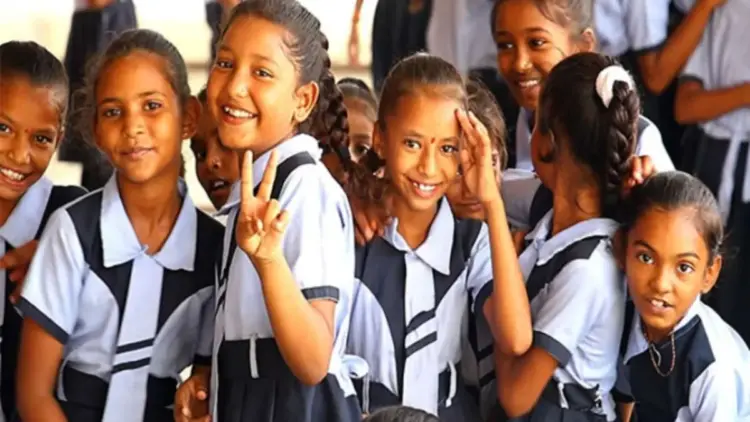
New Delhi, India – June 26, 2026 – Educational institutions, financial establishments, and government offices across a significant portion of India will observe a holiday today, Friday, June 26, 2026, in commemoration of Muharram. The Government of India has designated Muharram, particularly the observance of Ashura, as a gazetted holiday, prompting state governments and education authorities to issue directives for school closures. This nationwide observance is expected to impact daily life, offering many a prolonged weekend and underscoring the cultural and religious diversity of the country.
The Significance of Muharram and Ashura
Muharram, the first month of the Islamic lunar calendar, holds profound spiritual significance for Muslims worldwide. It is considered one of the holiest months, a period of reflection, prayer, and remembrance. The tenth day of Muharram, known as Ashura, is particularly poignant, marked by solemn observance and historical commemoration. For Shia Muslims, Ashura commemorates the martyrdom of Imam Hussein, the grandson of Prophet Muhammad, at the Battle of Karbala in 680 AD. This event is a central pillar of Shia Islamic theology and is mourned through processions, eulogies, and acts of charity. Sunni Muslims also observe Ashura, often with fasting, in remembrance of various significant events in Islamic history, including the Exodus of Moses and the Israelites from Egypt.
The observance of Muharram is not uniform across all Islamic traditions, but its recognition as a significant period of remembrance is widespread. The holiday serves as a reminder of core Islamic values such as sacrifice, justice, and compassion, encouraging adherents to reflect on these principles in their own lives. In India, a nation with a substantial Muslim population, the observance of Muharram is an integral part of the socio-cultural fabric, reflected in the official holiday status granted to this day.
A Nationwide Pause: Chronology of Closures
The decision to close schools, banks, and government offices on June 26, 2026, for Muharram is a culmination of directives issued by various state governments and educational boards. The Government of India’s recognition of Muharram as a gazetted holiday provides the overarching framework, which is then implemented at the state and local levels.

Preceding Days: In the lead-up to June 26, news outlets and official channels have been abuzz with announcements regarding the holiday. State education departments and district administrations have released circulars detailing the closure of schools. Similarly, banking regulators and associations have communicated the holiday to financial institutions. The anticipation of a public holiday, especially one falling on a Friday, has led to a flurry of activity as individuals and organizations make necessary adjustments to their schedules.
June 26, 2026: On this day, the primary and secondary educational institutions across numerous states will remain shut. This includes government-run schools, private schools, and affiliated institutions. The closure is intended to allow students, teachers, and staff to participate in religious observances or to simply acknowledge the significance of the day.

For banks, the holiday implies a cessation of all counter services. While ATMs and online banking facilities are expected to remain operational, traditional banking transactions will be suspended. Government offices will also observe the holiday, with most administrative functions put on hold, except for essential services that may require minimal staffing.
Post-Holiday: The impact of the Friday holiday is amplified by the usual weekend break. This means that for many, the period of disruption will extend to a three-day weekend, from Friday, June 26, to Sunday, June 28. Normal operations are slated to resume on Monday, June 29, 2026. This extended break has been a topic of discussion among families planning short getaways or personal engagements, further highlighting the ripple effect of a public holiday.

State-wise Impact: A Comprehensive List of Closures
The observance of Muharram as a public holiday is not uniform across all states and union territories of India. However, a significant number of states have opted to close educational institutions and other public facilities. The following states have confirmed school closures for Muharram on June 26, 2026:
-
Northern India:

- Uttar Pradesh: A key state with a considerable Muslim population, Uttar Pradesh has issued directives for widespread school closures.
- Delhi: The National Capital Territory of Delhi will also observe the holiday, impacting schools and government offices.
- Jammu and Kashmir: This region, with a strong Islamic heritage, will observe the holiday, aligning with the national gazetted status.
-
Western India:
- Maharashtra: Mumbai and other parts of Maharashtra will see schools and banks closed for Muharram.
-
Eastern India:

- West Bengal: Kolkata and other districts in West Bengal will observe the holiday, reflecting the state’s diverse religious landscape.
- Bihar: This state has also confirmed school and office closures.
- Jharkhand: Educational institutions and government bodies in Jharkhand will remain closed.
- Tripura: While not as prominent a Muslim-majority state, Tripura has also included Muharram in its list of public holidays.
- Mizoram: Similar to Tripura, Mizoram has also announced school closures for the occasion.
-
Southern India:
- Telangana: Hyderabad and other areas in Telangana will observe the holiday.
- Karnataka: Bengaluru and other cities in Karnataka will see educational institutions and banks closed.
- Tamil Nadu: Chennai and other regions in Tamil Nadu have announced school closures.
- Andhra Pradesh: The state government has issued notices for school closures.
-
Central India:

- Madhya Pradesh: Bhopal and other districts in Madhya Pradesh will observe the holiday.
- Chhattisgarh: Educational institutions and government offices in Chhattisgarh will be closed.
Important Note: It is crucial for parents, students, and employees to verify the exact holiday schedule with their respective schools, district administrations, or state education departments. While this list reflects widespread closures, minor variations in specific district observances or school-specific policies may exist. The dynamic nature of holiday announcements can sometimes lead to last-minute updates, underscoring the importance of checking official communications.
Economic and Social Implications of the Holiday
The nationwide observance of Muharram as a holiday carries several economic and social implications.

Economic Impact:
- Banking Sector: The closure of banks for a full day can lead to a temporary slowdown in financial transactions. While digital banking mitigates this impact to some extent, businesses that rely on physical banking services might experience minor disruptions. The cumulative effect of such holidays on the banking sector’s operational efficiency is a recurring consideration for financial institutions.
- Government Services: The suspension of non-essential government services can cause delays in administrative processes. However, essential services, such as law enforcement and emergency response, are expected to continue without interruption.
- Retail and Hospitality: For some businesses, particularly those catering to local communities, a public holiday can translate into reduced footfall and sales. Conversely, businesses in tourist areas or those offering leisure activities might see an uptick in demand due to the extended weekend.
- Productivity: A single-day holiday, especially when combined with the weekend, can lead to a temporary dip in overall national productivity. However, proponents of such holidays argue that they provide essential respite and contribute to employee well-being, which can, in turn, boost long-term productivity.
Social Impact:

- Religious Observance: The primary social impact is the opportunity for individuals to engage in religious practices, attend prayers, participate in commemorative events, and reflect on the spiritual significance of Muharram and Ashura. This fosters a sense of community and strengthens religious identity.
- Family and Community Gatherings: The extended weekend allows families to spend more time together, plan outings, or visit relatives. It can also facilitate community gatherings and social interactions.
- Cultural Diversity: The recognition of Muharram as a national holiday is a testament to India’s secular fabric and its commitment to respecting the religious and cultural practices of all its citizens. It reinforces the idea of a pluralistic society where diverse traditions are acknowledged and celebrated.
- Educational Continuity: While school closures are necessary for observance, educational authorities often ensure that learning is not significantly hampered. This might involve providing compensatory classes or ensuring that syllabus coverage is managed effectively. The emphasis on a gazetted holiday, however, signifies the priority placed on allowing individuals to observe such important occasions.
Official Responses and Confirmations
The holiday announcements have been made through official channels, underscoring the government’s commitment to ensuring that citizens are well-informed.
- Government of India: The inclusion of Muharram in the list of gazetted holidays by the central government sets the precedent. This recognition is based on the historical and religious importance of the occasion.
- State Governments and Education Departments: State governments, through their respective education departments and general administration departments, issue specific circulars and notifications detailing the holiday for schools, colleges, and other government establishments. These notifications are disseminated through official websites, press releases, and local media.
- District Administrations: In some instances, district magistrates or collectors may issue local orders regarding holiday observances, especially concerning specific public holidays that might have varying interpretations or implementation across districts.
The clarity in official communications aims to prevent confusion and ensure that all stakeholders are aware of the schedule. The public nature of these announcements allows individuals to plan their schedules accordingly, whether it involves personal leave, business arrangements, or travel plans.

Conclusion
The observance of Muharram on June 26, 2026, marks a significant day of religious and cultural importance across India. The nationwide closure of schools, banks, and government offices underscores the country’s commitment to acknowledging and respecting the religious practices of its diverse population. While the holiday might bring about temporary economic and logistical adjustments, its primary purpose is to allow for solemn reflection, remembrance, and participation in deeply held traditions. As the nation pauses to commemorate Muharram, it also reaffirms its identity as a multicultural and inclusive society. Parents and students are advised to stay updated with the latest official announcements to ensure smooth observance of the holiday.