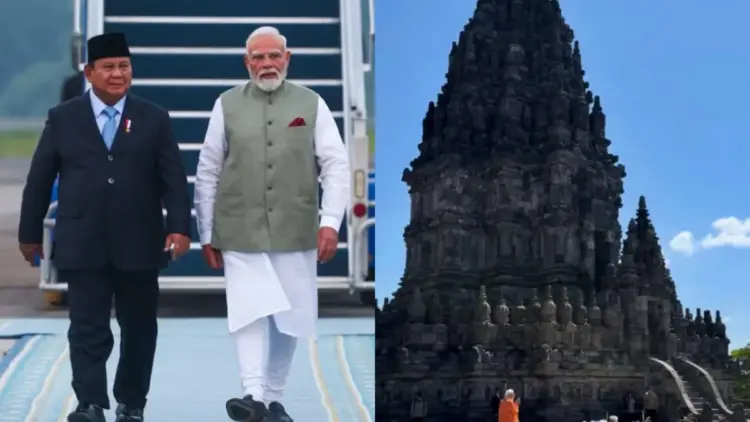
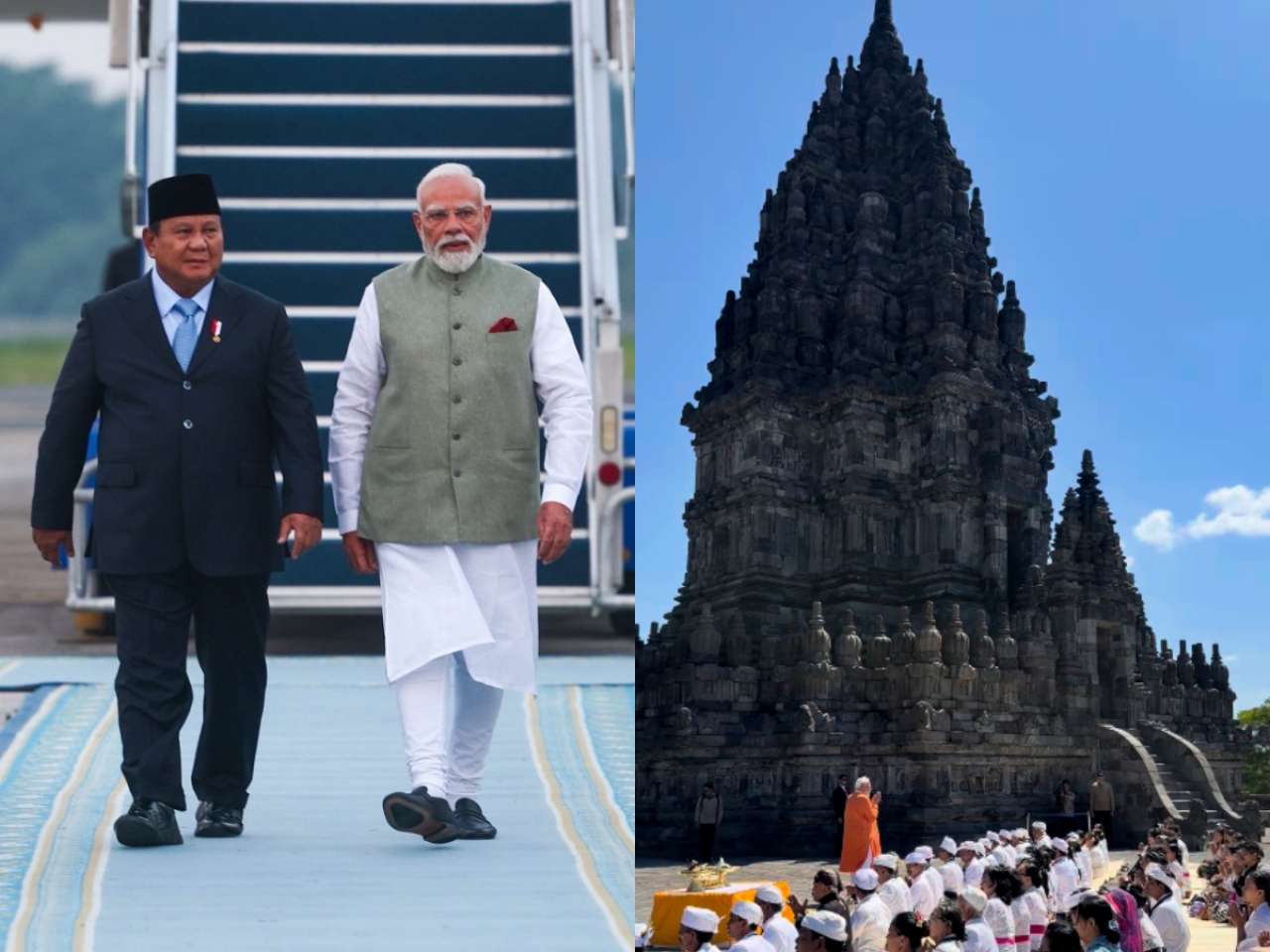
Yogyakarta, Indonesia – During his recent state visit to Indonesia, Prime Minister Narendra Modi’s itinerary included a deeply significant stop: the majestic Prambanan Temple complex in Yogyakarta. This UNESCO World Heritage Site, a breathtaking testament to Indonesia’s rich Hindu past, served as a powerful symbol of the centuries-old cultural and historical ties that bind India and Indonesia. The Prime Minister’s visit underscored not only the enduring spiritual connections but also the shared commitment to preserving these invaluable heritage sites for future generations.
The visit to Prambanan, Indonesia’s largest Hindu temple complex, highlighted the intricate tapestry of cultural exchange that has woven itself between the two nations over millennia. Even in the world’s most populous Muslim-majority nation, Prambanan stands as a proud monument to a vibrant Hindu heritage that predates Islam’s arrival and continues to resonate in the country’s cultural consciousness. This powerful juxtaposition underscores Indonesia’s remarkable religious pluralism and its deep respect for its diverse historical influences.
A Chronicle of Shared Heritage: The Genesis of Prambanan
The story of Prambanan is intrinsically linked to the ancient Mataram Kingdom, which flourished in Central Java from the 8th to the 10th centuries. The temple complex, primarily constructed between the 9th and 10th centuries under the Sanjaya dynasty, is a monumental ode to the Hindu Trimurti: Lord Shiva, the preserver; Lord Vishnu, the sustainer; and Lord Brahma, the creator.
H2: The Sanjaya Dynasty’s Grand Vision
The Sanjaya dynasty, known for its patronage of Hinduism and Buddhism, commissioned the construction of Prambanan as a testament to their devotion and the kingdom’s power. The architectural brilliance and intricate detailing of the temples speak volumes about the sophisticated artistic and engineering prowess of the era. The complex, meticulously designed according to Hindu cosmological principles, was envisioned as a microcosm of the universe.
H3: A Monumental Undertaking

The original scale of Prambanan was awe-inspiring. It is estimated that the complex once comprised approximately 240 temples, spread across an expansive area of nearly 40 hectares. While many of the smaller shrines have succumbed to the ravages of time, natural disasters, and historical shifts, the central and most significant temples have been painstakingly restored, offering a glimpse into their former glory.
H3: Architectural Marvels and Spiritual Significance
The architectural style of Prambanan is characterized by its towering spires and intricate carvings. The central and tallest structure, dedicated to Lord Shiva, reaches a height of approximately 47 meters. Within its hallowed chambers, visitors can find exquisite statues of Shiva, along with his consort Durga, their son Ganesha, and the sage Agastya. The temples are arranged in a precise square layout, reflecting the Hindu concept of the universe and the divine order.

The Shiva temple is flanked by the temples dedicated to Vishnu and Brahma, forming the heart of the complex. The intricate carvings adorning the walls of these temples are not merely decorative; they narrate the epic tale of the Ramayana, one of Hinduism’s most revered scriptures. This visual storytelling allows pilgrims and visitors alike to embark on a spiritual journey, tracing the divine narrative in a clockwise progression around the temple complex.
Echoes of India: The Ramayana and Beyond
The presence of the Ramayana narrative at Prambanan is a powerful testament to the deep cultural osmosis that occurred between India and Southeast Asia. The epic, originating from the Indian subcontinent, found fertile ground in the cultural landscape of Java, where it was embraced and adapted, retaining its core spiritual message while incorporating local artistic sensibilities.
H2: The Ramayana Carvings: A Stone Epic

The bas-reliefs adorning the temple walls are a masterpiece of Javanese art, depicting scenes from the Ramayana with remarkable detail and fluidity. These carvings serve as a visual chronicle of the epic’s key events, from the birth of Rama to his triumphant return to Ayodhya. Visitors are encouraged to follow the narrative path, absorbing the moral and spiritual lessons embedded within the story.
H3: A Living Tradition: The Ramayana Ballet
The enduring relevance of the Ramayana is further amplified by the captivating open-air Ramayana ballet performances held at Prambanan. Against the dramatic backdrop of the illuminated temple complex, dancers, musicians, and actors bring the epic to life, merging traditional Javanese performing arts with the timeless story of devotion, duty, and victory over adversity. These performances are a vibrant embodiment of the living cultural heritage that Prambanan represents.

The Legend of Princess Roro Jonggrang: A Javanese Folklore Intertwined with History
Beyond its historical and religious significance, Prambanan is also shrouded in a captivating Javanese legend that adds another layer of mystique to the site. The tale of Princess Roro Jonggrang is deeply intertwined with the temple’s origins and has become an integral part of its cultural identity.
H2: The Curse of Bandung Bondowoso
According to local folklore, Princess Roro Jonggrang was sought in marriage by the formidable warrior Bandung Bondowoso. The princess, unwilling to marry him, set forth an impossible condition: he must build 1,000 temples in a single night. Fueled by supernatural powers and aided by legions of spirits, Bandung Bondowoso embarked on the monumental task. He was on the verge of completing his promise when the princess, fearing his success, devised a cunning plan.

H3: A Tricked Night and a Petrified Princess
Roro Jonggrang instructed the villagers to awaken before dawn, light fires, and begin pounding rice, simulating the arrival of morning. The spirits, believing their task was complete, fled before the final temple could be erected. Enraged by this deception, Bandung Bondowoso, in a fit of fury, cursed Princess Roro Jonggrang, transforming her into stone. Local tradition holds that the statue of Durga within the Shiva temple is, in fact, the petrified princess, though historians generally view this narrative as a romanticized folktale.
From Obscurity to Global Recognition: The Restoration Journey
The grandeur of Prambanan, like many ancient monuments, has faced periods of decline and resurgence. Following political shifts in the 10th century, the temple complex gradually fell into disrepair. Natural calamities, including volcanic eruptions and earthquakes, coupled with prolonged neglect, led to widespread damage, with many structures buried under volcanic ash and overgrown vegetation.

H2: Rediscovery and Reconstruction Efforts
The site remained largely hidden for centuries until its rediscovery in the 19th century. This marked the beginning of a sustained effort to unearth and restore the magnificent complex. The process of restoration has been a long and arduous one, involving dedicated archaeological and conservation work to bring the damaged structures back to their former glory.
H3: Resilience in the Face of Adversity

The 2006 Yogyakarta earthquake inflicted further damage on the temple complex. However, the resilience of this ancient monument, and the unwavering commitment of Indonesian authorities and international heritage organizations, have ensured its continued preservation. Ongoing restoration projects, meticulously carried out, are a testament to the global recognition of Prambanan’s immense historical and architectural value.
H3: A UNESCO World Heritage Site
In recognition of its unparalleled historical significance and architectural grandeur, UNESCO declared the Prambanan Temple Compound a World Heritage Site in 1991. This designation not only highlights its global importance but also underscores the collective responsibility to safeguard this invaluable cultural treasure.

Supporting Data and Scholarly Insights
The historical significance of Prambanan is further substantiated by archaeological findings and scholarly research that illuminate the cultural and religious landscape of ancient Java.
- Chronological Evidence: Inscriptions found in the vicinity of Prambanan provide crucial chronological data, helping historians place the construction of the temple complex within the 9th and 10th centuries. These inscriptions often mention the rulers of the Sanjaya dynasty and their patronage of religious structures.
- Architectural Comparisons: Scholars often draw parallels between the architectural style of Prambanan and contemporary Hindu temple architecture in India. While distinct Javanese artistic elements are evident, the underlying principles of design, iconography, and construction techniques reveal a clear lineage of influence.
- Religious Syncretism: Prambanan, alongside the nearby Borobudur Temple (a Buddhist monument), exemplifies the period of religious syncretism in ancient Java, where Hindu and Buddhist beliefs coexisted and often blended. This era of spiritual harmony is a crucial aspect of Indonesia’s rich religious history.
- Trade Routes and Cultural Exchange: The presence of Hindu iconography and narratives in Indonesia is a direct result of extensive trade and cultural exchange networks that existed between India and Southeast Asia for centuries. Indian merchants, priests, and scholars played a pivotal role in disseminating religious and cultural ideas.
Official Responses and Diplomatic Significance
Prime Minister Modi’s visit to Prambanan was met with warm reception from Indonesian officials and resonated deeply with the local population. The visit carried significant diplomatic weight, reinforcing the strong bilateral ties between India and Indonesia.
H2: A Symbol of Enduring Friendship

The Indonesian government has consistently expressed its commitment to preserving its rich cultural heritage, including Hindu sites like Prambanan. The shared interest in cultural conservation serves as a strong foundation for enhanced cooperation between India and Indonesia. Discussions during Prime Minister Modi’s visit likely included avenues for joint initiatives in heritage preservation, tourism promotion, and cultural exchange programs.
H3: India’s Commitment to Cultural Diplomacy
India, through its cultural diplomacy initiatives, actively seeks to reconnect with its historical diaspora and promote its rich cultural heritage globally. Prime Minister Modi’s visit to Prambanan exemplifies this approach, showcasing India’s respect for the cultural legacy of its neighbours and its willingness to collaborate in safeguarding shared heritage.

Implications and Future Prospects
The visit of Prime Minister Modi to Prambanan Temple is more than just a symbolic gesture; it carries profound implications for the future of India-Indonesia relations and the preservation of global heritage.
H2: Strengthening People-to-People Connect
Cultural exchanges, particularly those centered around historical and spiritual sites like Prambanan, play a crucial role in fostering deeper understanding and appreciation between the people of India and Indonesia. Such interactions transcend political boundaries and create lasting bonds of friendship.

H3: Collaborative Heritage Preservation
The shared responsibility of preserving UNESCO World Heritage Sites like Prambanan offers a significant opportunity for collaborative efforts between India and Indonesia. This could involve knowledge sharing, technological transfer, and joint funding for conservation projects, ensuring that these invaluable sites are protected for future generations.
H3: Promoting Tourism and Economic Ties

Prambanan is a major tourist attraction, drawing visitors from across the globe. Increased attention and collaboration stemming from such high-profile visits can further boost tourism to Indonesia, contributing to its economic growth and strengthening its cultural appeal on the international stage.
H3: A Beacon of Religious Harmony
In a world often marked by religious divides, Prambanan stands as a powerful symbol of Indonesia’s enduring tradition of religious pluralism and tolerance. Prime Minister Modi’s visit to this Hindu temple in a Muslim-majority nation sends a positive message about mutual respect and the celebration of diverse cultural and religious heritages.

In conclusion, Prime Minister Narendra Modi’s visit to the Prambanan Temple was a momentous occasion that illuminated the deep-seated historical and cultural connections between India and Indonesia. It served as a powerful reminder of the shared civilizational heritage that continues to enrich the relationship between these two vibrant nations, reinforcing their commitment to preserving this legacy for posterity.