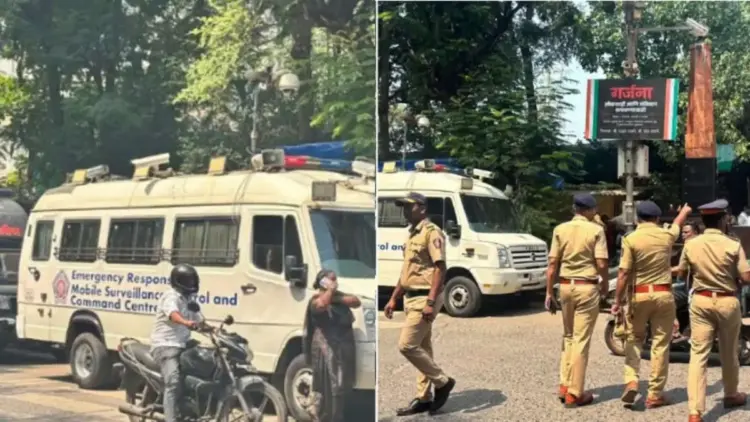
MUMBAI, INDIA – October 2, 2026 – Mumbai’s iconic Shivaji Park has been transformed into an impenetrable fortress today, as authorities implemented a massive security lockdown to pre-empt a planned "jail-filling" protest by the Citizen Justice Party (CJP). Despite the CJP’s declared intent for a peaceful demonstration, police have explicitly stated that the gathering is unauthorized, deploying an extensive array of personnel and equipment to prevent any assembly and maintain public order. The standoff at a site synonymous with political rallies and public discourse highlights a growing tension between the right to protest and the state’s prerogative to enforce law and order.
The sprawling grounds of Shivaji Park, typically a vibrant hub for morning walkers, cricketers, and community events, now lie silent under the watchful eyes of hundreds of police personnel. Barricades stretch across roads leading to the park, its main entrances are sealed, and the entire perimeter has been cordoned off, effectively creating a sterile zone around the proposed protest site. The unprecedented deployment, featuring anti-riot squads, Quick Response Teams (QRT), and K9 units, underscores the seriousness with which authorities are treating the CJP’s call for a large-scale civil disobedience movement. This preventative action is not merely a response to a potential gathering but a clear message against unauthorized assemblies in the city’s public spaces.
Main Facts: A City on High Alert
The heart of Mumbai’s cultural and political life, Shivaji Park, awoke to a scene of intense security deployment today, as police moved to thwart a planned "jail-filling" protest by the Citizen Justice Party (CJP). The CJP, a nascent but increasingly vocal civil rights organization, had announced its intention to stage a mass demonstration to highlight a range of socio-economic grievances and perceived erosions of civil liberties. However, police authorities unequivocally declared the protest unpermitted, citing concerns over public order, potential traffic disruptions, and the absence of requisite permissions.
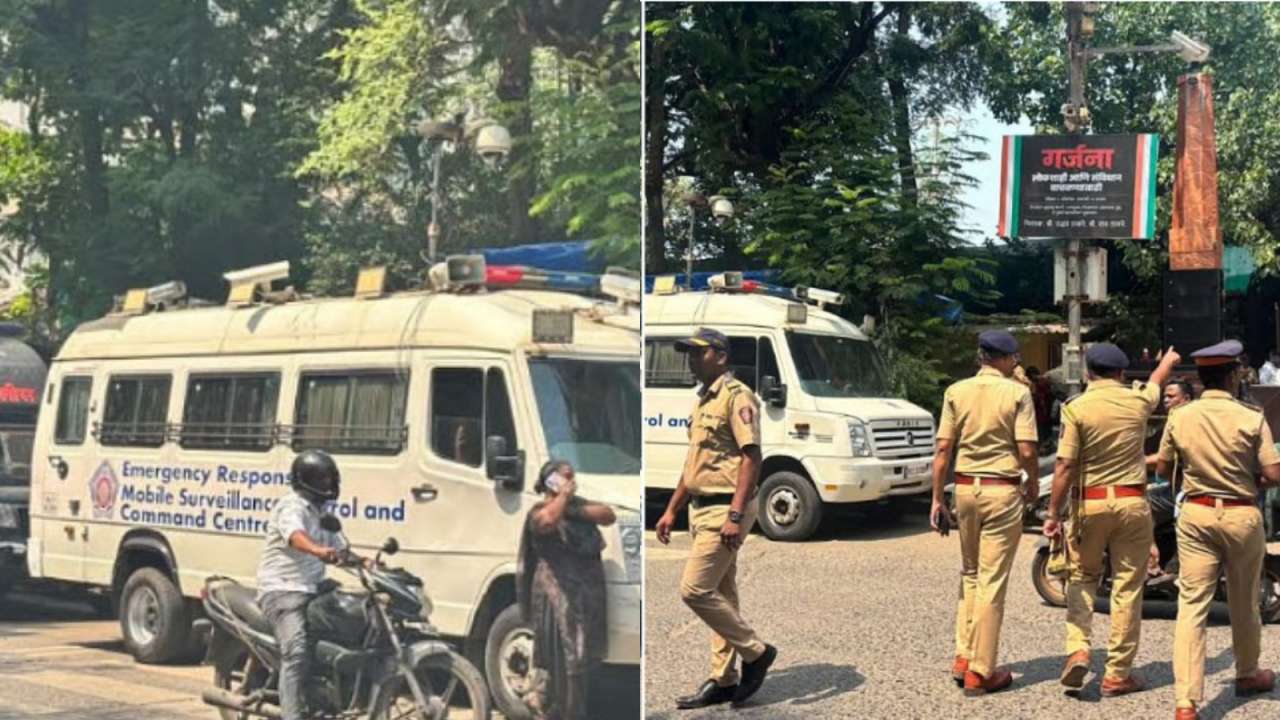
At the core of the day’s unfolding drama is the complete militarization of Shivaji Park. Every access point has been sealed, with nearly a dozen robust barricades forming multiple layers of security around the entire premises. The main entrance, a gateway to countless historical events, is firmly shut, guarded by a phalanx of uniformed officers. The area surrounding the ground, usually bustling with vendors and local traffic, has been completely cordoned off, diverting commuters and isolating the park from its urban context. This pre-emptive measure aims to physically prevent any congregation, thereby neutralizing the CJP’s planned act of civil disobedience before it can even commence.
Beyond physical barriers, the police strategy includes a multi-pronged approach to intelligence gathering and rapid response. Anti-riot squads, specifically trained and equipped for crowd control, are on standby, ready to intervene should any attempt be made to breach the security cordon. The Quick Response Team (QRT), known for its agility and specialized tactics, is also deployed, prepared for any immediate threats or rapidly evolving situations. Adding another layer of deterrence and detection, dog squads are present, capable of identifying suspicious activities or individuals. Furthermore, plainclothes personnel have been strategically placed at key vantage points and within potential gathering areas, tasked with monitoring activities, gathering intelligence, and tracking the movements of suspected organizers and participants. This blend of overt and covert surveillance underscores the comprehensive nature of the security operation.
The police have also extended their vigilance into the digital realm, actively monitoring social media platforms for posts and communications related to the protest. This digital surveillance is crucial for tracking potential mobilization efforts, identifying key instigators, and gathering real-time intelligence on the evolving situation. The objective is to pre-empt any last-minute calls for assembly or alternative gathering points, ensuring that the authorities remain several steps ahead of any attempts to circumvent the security measures. The collective weight of these measures paints a clear picture: Mumbai authorities are leaving no stone unturned in their efforts to prevent the CJP’s unauthorized protest from materializing, firmly asserting the state’s control over public spaces and the regulation of demonstrations.

Chronology: Escalation to Lockdown
The current high-security scenario at Shivaji Park is the culmination of several days of escalating tensions and official warnings, tracing back to the CJP’s initial announcement of its "jail-filling" protest. The decision to mobilize thousands of activists for a non-violent civil disobedience action was made public approximately a week ago, with the CJP citing widespread discontent over what it described as "anti-people policies" and a "shrinking democratic space" in the state. While the specific legislative or administrative actions prompting the protest were broad, the CJP’s call resonated with segments of the population feeling marginalized.
Upon receiving the CJP’s application for permission to hold the rally, Mumbai Police immediately initiated a review. After due deliberation, and citing concerns over potential disruptions to traffic, daily life, and public order, particularly in a densely populated area like Dadar, authorities formally denied permission for the assembly. This denial was communicated to CJP leadership several days prior to the planned protest, accompanied by stern warnings against proceeding with an unauthorized gathering. Police urged the CJP to reconsider its plans and engage in dialogue rather than confrontation.

Despite the official refusal, the CJP remained steadfast in its resolve, reaffirming its commitment to the protest and emphasizing the constitutional right to peaceful assembly. This defiance prompted the Mumbai Police to activate its contingency plans. On Thursday evening, just hours before the scheduled protest, several senior police officers, including Deputy Commissioners and Assistant Commissioners, conducted an extensive on-site inspection of Shivaji Park and its surrounding areas. Their meticulous assessment covered potential entry and exit points, vulnerable spots, and strategic locations for deployment. This inspection served to fine-tune the security strategy, ensuring that every detail was accounted for in anticipation of a potential influx of protesters.
Overnight, the preparations intensified. Police personnel were mobilized from various units across the city, converging on Shivaji Park. Barricades, crowd control equipment, and logistical support were brought in, transforming the serene park into a strategic operational zone. By the early hours of Friday morning, the deployment was largely complete, with officers taking up their designated positions, ready for the day ahead. The main thoroughfares leading to the park were systematically blocked off, and local residents woke up to the unmistakable sight of a heavy police presence, signaling that the planned protest, authorized or not, would be met with an equally resolute state response. The entire sequence, from announcement to full-scale lockdown, illustrates a rapid and decisive escalation by law enforcement to prevent an unauthorized public assembly.

Supporting Data: Anatomy of a Security Operation
The scale and meticulousness of the security operation at Shivaji Park provide a compelling insight into the state’s capacity for crowd control and intelligence-led policing. The measures deployed are not merely reactive but are part of a pre-emptive strategy designed to ensure absolute control over the designated protest area and its immediate vicinity.
Specifics of Security Measures
The physical blockade of Shivaji Park is comprehensive. "Nearly a dozen barricades" translates to a formidable network of steel barriers, strategically placed to channel traffic, restrict pedestrian movement, and ultimately seal off the park. These are not merely temporary obstructions but robust structures designed to withstand concerted attempts at breaching. The cordoning off of the surrounding area extends beyond the park’s immediate perimeter, impacting several adjacent streets and residential lanes, forcing local residents and commuters to seek alternative routes. The closure of the main entrance, a symbolic act, further reinforces the message of non-permissibility and control.

The deployment of specialized units underscores the gravity of the situation. The anti-riot squad, equipped with protective gear, shields, and non-lethal crowd control devices, is trained for rapid intervention in volatile situations. Their presence serves as a visual deterrent and a ready force for maintaining order. The Quick Response Team (QRT), composed of highly trained commandos, is geared for swift action against any potential security threats, including acts of vandalism or attempts to incite violence. Their agility allows them to respond to dynamic situations with precision. The dog squad, often utilized for detection of explosives or contraband, also plays a crucial role in crowd management, offering an additional layer of psychological deterrence and surveillance. Their keen senses can identify individuals attempting to conceal prohibited items or engage in suspicious behavior.
The integration of plainclothes personnel is a critical component of the intelligence-gathering strategy. These officers blend seamlessly into the environment, allowing them to monitor conversations, identify organizers, and gather real-time information on the mood and intentions of potential protesters without provoking confrontation. This covert surveillance is complemented by the rigorous monitoring of social media posts. Police cyber cells are actively tracking hashtags, public groups, and individual accounts linked to the CJP protest, analyzing trends in mobilization, identifying potential flashpoints, and detecting any calls for last-minute changes in strategy or location. This digital intelligence allows authorities to maintain a predictive edge, anticipating movements and communications that might otherwise bypass traditional surveillance.

Historical Context and Significance
Shivaji Park holds immense historical and political significance in Mumbai. Named after the Maratha warrior king Chhatrapati Shivaji Maharaj, it has served as the cradle of many political movements, iconic rallies, and cultural celebrations. From the Samyukta Maharashtra Movement that advocated for a separate Marathi-speaking state to the annual Shiv Sena Dussehra rallies, the park has been a democratic arena where public opinion is voiced and political power is displayed. Its status as a public gathering ground is deeply ingrained in the city’s consciousness. This historical precedent means that any attempt to restrict access or prohibit assembly at Shivaji Park is viewed with heightened scrutiny, making the current police action particularly notable. The choice of Shivaji Park by the CJP was therefore deliberate, aiming to leverage its symbolic weight for their cause.
Legal Framework
The legal basis for the police’s actions stems primarily from their mandate to maintain law and order and prevent public nuisance. Under Indian law, specifically provisions within the Code of Criminal Procedure (CrPC) and various state police acts, authorities have the power to regulate public assemblies. Section 144 of the CrPC, though not explicitly mentioned in the brief text, is a frequently invoked provision that allows executive magistrates to issue orders prohibiting the assembly of four or more people in an area, often for reasons of public safety or to prevent a breach of peace. The denial of permission for the CJP protest, therefore, is legally grounded in the police’s assessment that such an assembly, without proper regulation, could lead to disorder, traffic chaos, or even violence. Participating in an unauthorized assembly can lead to charges under relevant sections of the Indian Penal Code, including unlawful assembly, which carries potential penalties of imprisonment or fines, thus posing significant legal risks for protesters.

Official Responses: Voices from the Divide
The unfolding situation at Shivaji Park has elicited sharp reactions from both law enforcement and the Citizen Justice Party, along with observations from affected local residents, each offering a distinct perspective on the contentious issue.
Police Statements
Authorities have maintained a firm and consistent stance regarding the CJP protest. A senior police official, speaking on condition of anonymity due to the ongoing operation, reiterated the primary justification for the lockdown: "The proposed gathering by the CJP is being held without the necessary official permission. Our paramount duty is to ensure the safety and security of all citizens and to maintain peace and order across the city. An unauthorized assembly of this scale could lead to severe disruptions, pose significant security challenges, and inconvenience the general public."

The official further emphasized the pre-emptive nature of the deployment. "We have deployed our forces in strength to prevent any unauthorized entry into the park and to deter any attempts to incite disorder. This is a preventative measure, not a punitive one. Our objective is to ensure that Mumbai remains peaceful and that no untoward incidents occur. We have communicated our position clearly to the CJP organizers, advising them against proceeding with their plans. Our security arrangements are dynamic and can be further increased depending on the ground situation and the number of people who might attempt to gather." This statement underscores the police’s commitment to non-confrontation while simultaneously asserting their resolve to enforce the ban.
CJP’s Stance
In stark contrast to the police’s rigid position, representatives from the Citizen Justice Party have vociferously defended their right to protest, framing the police action as an attack on democratic freedoms. A spokesperson for the CJP, speaking from an undisclosed location, asserted, "Our ‘jail-filling’ protest is a peaceful act of civil disobedience, a satyagraha, aimed at drawing attention to critical issues that the government is failing to address. To deny us the right to assemble in a public space, especially one as historically significant as Shivaji Park, is an affront to the very principles of democracy. We believe in the power of the people’s voice, and we will not be silenced by barricades or police threats."

The spokesperson further elaborated on the CJP’s rationale. "The government’s refusal to grant permission is a cynical attempt to suppress dissent. Our demands are legitimate, focusing on socio-economic justice, transparency, and accountability. We understand the risks involved in an unauthorized protest, but we are prepared to face the consequences because the issues at stake are far too important to ignore. We call upon all citizens to stand in solidarity with us, even if they cannot physically be present, to uphold the fundamental right to protest." This defiant stance signals the CJP’s determination to press its agenda, even in the face of state opposition, highlighting the inherent tension between state control and citizen activism.
Local Residents’ Perspective
The heavy security deployment has undeniably impacted the daily lives of residents living around Shivaji Park. One local resident, quoted by IANS, succinctly captured the mood of confusion and inconvenience: "We are not protesting. We are residents of Shivaji Park, and we are just taking a round of the area. There is such a large crowd here and so many police personnel, and a stage has been set up there…" This statement, delivered amidst the unprecedented security, reflects a sense of being caught in the middle.

Other residents echoed similar sentiments. A retired teacher, Ms. Leela Desai, a regular morning walker at the park for decades, expressed her dismay: "It’s unsettling to see our park like this. It’s usually a place of peace and community. While I understand the need for security, this level of lockdown feels extreme. It disrupts our routines and creates an atmosphere of anxiety. We just hope that whatever needs to happen, happens peacefully and quickly so life can return to normal." The disruption to local businesses, commuters, and daily routines forms a significant, albeit often overlooked, aspect of such large-scale security operations, underscoring the broader societal impact of the standoff.
Implications: Beyond the Barricades
The standoff at Shivaji Park carries significant implications, not only for the immediate participants but also for the broader political landscape, the future of civil liberties, and the functioning of law enforcement in a democratic society.

For CJP
For the Citizen Justice Party, the success or failure of this protest will significantly shape its trajectory. If the police manage to entirely prevent any assembly, it could be perceived as a setback, demonstrating the state’s capacity to quash dissent. However, even if physically suppressed, the CJP might still claim a moral victory, using the heavy-handed response as evidence of government overreach and further galvanizing support for their cause. Conversely, if a substantial number of protesters manage to gather, even briefly, it could be a significant boost for the CJP, establishing its credibility as a force capable of mobilization. Regardless of the immediate outcome, the protest will likely lead to arrests of CJP leaders and activists, entangling them in legal battles that could consume resources and attention. The public image of the CJP, whether as resilient champions of rights or as reckless provocateurs, will be largely determined by the narrative that emerges from today’s events.
For Law Enforcement
The Mumbai Police’s comprehensive deployment serves as a crucial test of their crowd control capabilities and their intelligence-gathering mechanisms. A successful prevention of the unauthorized assembly, without resorting to excessive force, would be hailed as a testament to their professionalism and strategic planning. This would set a strong precedent for how future unauthorized protests are managed in the city, potentially deterring similar actions. However, any misstep – such as an overzealous response leading to public injury, or a failure to contain sporadic gatherings – could draw severe criticism, raise questions about accountability, and potentially escalate tensions. The operation also represents a substantial allocation of resources, both human and material, diverting personnel from other routine duties and incurring significant costs. The long-term implication for law enforcement lies in balancing the maintenance of public order with upholding the constitutional rights to freedom of speech and assembly.

Broader Societal Impact
The events at Shivaji Park will undoubtedly ignite a broader debate on the delicate balance between the freedom of assembly, a cornerstone of democratic expression, and the state’s legitimate need to maintain public order. Civil rights activists and legal experts will likely scrutinize the police’s decision to deny permission and the scale of the subsequent deployment, questioning whether such measures were proportionate to the perceived threat. This could lead to calls for clearer guidelines on protest permissions and more transparent processes.
Politically, the incident could become a flashpoint, with opposition parties using it to criticize the government for allegedly suppressing dissent and creating an "undeclared emergency." Conversely, the ruling party might defend the police action as necessary to ensure peace and stability. The role of media, both traditional and social, will be critical in shaping public perception, with competing narratives vying for attention. The economic impact on the immediate vicinity, though localized, underscores how large-scale security operations can disrupt daily commerce and life. Ultimately, the day’s events at Shivaji Park serve as a poignant reminder of the enduring tension between state authority and citizen activism, a dynamic that continues to define democratic societies worldwide.

Find your daily dose of All Latest News including Sports News, Entertainment News, Lifestyle News, explainers & more. Stay updated, Stay informed- Follow DNA on WhatsApp.