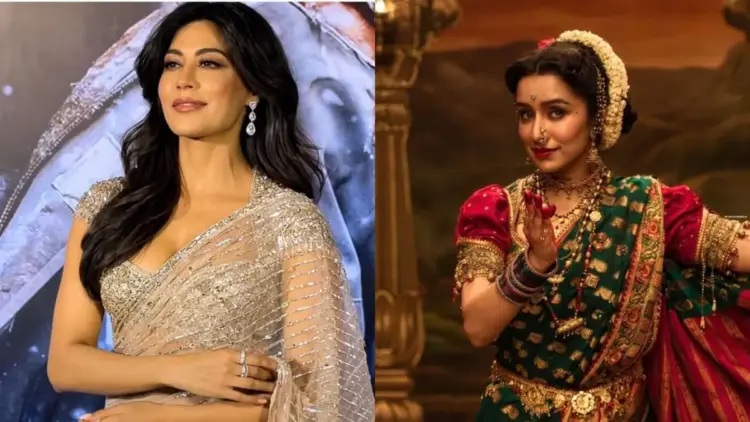
Mumbai, India – November 11, 2026 – The Indian film industry is gearing up for a significant cinematic battle on December 4, 2026, as two highly anticipated films, Maatrubhumi and Eetha, are slated for a theatrical release on the same day. This date marks not just a release window but a compelling clash of two prominent actresses, Chitrangda Singh and Shraddha Kapoor, each representing distinct facets of Bollywood stardom and audience connect. The head-to-head contest promises to be a fascinating study in contrasting appeals: glamour, mass market penetration, and the evolving landscape of urban stardom.
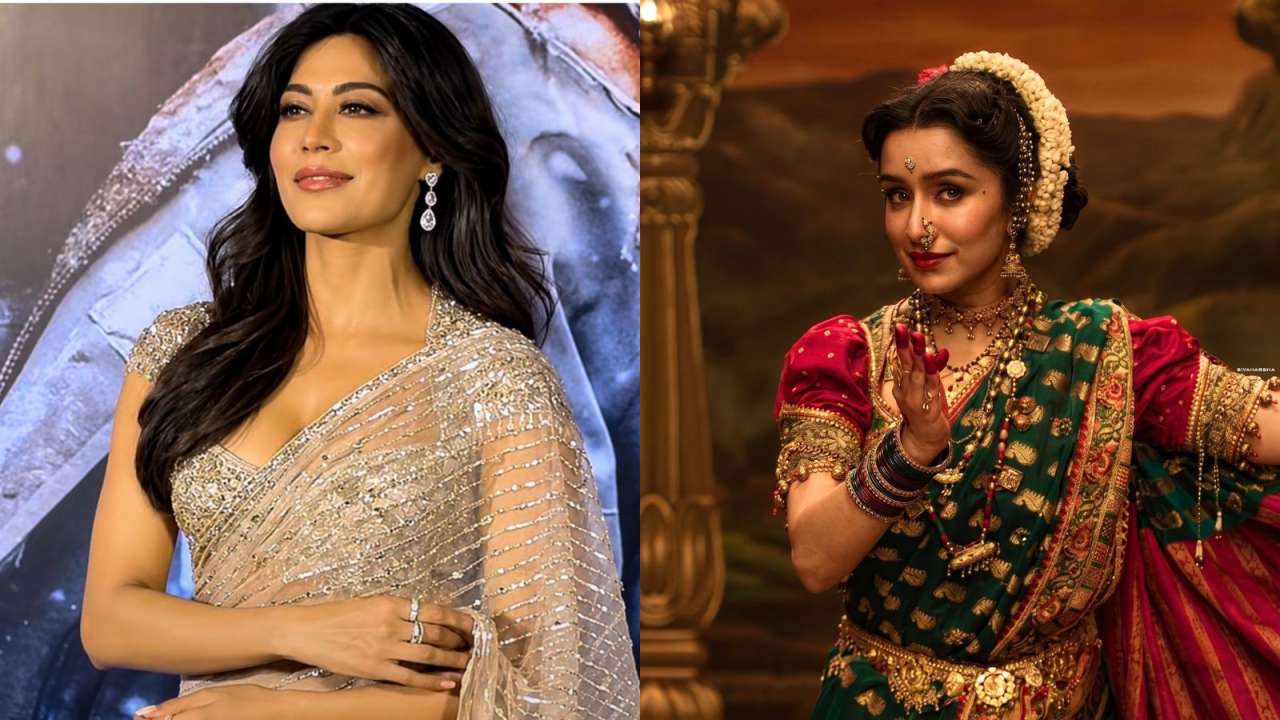
The Imminent Box Office Collision: A Strategic Showdown
The announcement of Maatrubhumi, starring Salman Khan and featuring Chitrangda Singh in a pivotal role, alongside Shraddha Kapoor’s Eetha, has sent ripples through the trade circles. A December release, particularly one featuring a superstar like Salman Khan, is typically a coveted slot, known for its high footfall and festive fervor. However, the presence of Shraddha Kapoor, a beloved figure in the urban multiplex circuit, adds a layer of intrigue and competition. This isn’t merely a release date conflict; it’s a strategic showdown between two carefully curated cinematic experiences, each vying for audience attention and box office supremacy.
The very positioning of these films suggests a nuanced understanding of the contemporary Indian film audience. While Maatrubhumi appears to leverage the immense, pan-India appeal of Salman Khan, Eetha seems to be targeting a demographic that has consistently supported Shraddha Kapoor’s filmography. This clash offers a unique opportunity to dissect the evolving metrics of stardom in Bollywood, moving beyond sheer popularity to explore how actresses connect with diverse segments of the population.

The Contenders: Defining Stardom in Modern Bollywood
In an industry where an actress’s influence is often gauged by her ability to transcend regional and demographic barriers, Shraddha Kapoor and Chitrangda Singh embody two remarkably different yet potent forms of cinematic appeal. Their respective careers and fan bases highlight the multifaceted nature of Bollywood stardom in the 21st century.

Shraddha Kapoor: The Urban Darling and Multiplex Magnet
Shraddha Kapoor has meticulously cultivated a persona that resonates deeply with the urban Indian audience, particularly the discerning multiplex-goer. Her filmography, marked by a blend of romantic comedies, thrillers, and critically acclaimed dramas, has cemented her status as a reliable and relatable star. Her "girl-next-door" charm, coupled with a strong screen presence and a knack for choosing projects that connect with contemporary sensibilities, has earned her a devoted following among younger demographics and in metropolitan centers.

Kapoor’s ability to embody characters that feel accessible and aspirational has made her a consistent performer in the multiplex circuit. Her films often benefit from strong word-of-mouth and sustained audience engagement within these premium viewing spaces. The success of projects like Aashiqui 2, Ek Villain, Stree, and Baaghi demonstrates her capacity to draw audiences who appreciate a certain blend of commercial viability and engaging storytelling. Eetha, while its specific genre and plot details are still emerging, is expected to tap into this established appeal, promising a film that caters to the tastes of her urban fan base.

Chitrangda Singh: The Desi Glamour and Mass Appeal Enigma
Chitrangda Singh represents a different, yet equally significant, dimension of Bollywood appeal. Her screen presence is often characterized by a potent blend of understated sensuality, sophisticated glamour, and a grounded, earthy charisma. This unique combination has allowed her to connect with audiences who are drawn to a more traditional, yet undeniably modern, form of Indian beauty and screen magnetism.

Her association with Maatrubhumi, particularly as a co-lead with Salman Khan, is a game-changer for her career trajectory. For years, Singh has impressed audiences with her performances in films like Hazaaron Khwaishein Aisi, Desi Boyz, and Baazaar. However, a prominent role in a Salman Khan production offers an unparalleled opportunity to reach a vastly wider audience. Khan’s legendary superstardom, which cuts across all strata of society and geographic locations, provides an immense platform for any actor to gain significant visibility.

Singh’s "desi glamour" and confident demeanor have a natural resonance with the mass audiences and those in smaller towns and rural areas, where the larger-than-life persona of a superstar like Salman Khan holds immense sway. She embodies a certain old-school Bollywood allure that has historically proven to be a winning formula in these markets. The potential for her to leverage Khan’s colossal fan base and emerge as a formidable force in the mass market is a significant narrative thread in this cinematic clash.

The Strategic Significance: Audience Segmentation in Play
The contrasting appeal of Shraddha Kapoor and Chitrangda Singh in their respective films, Eetha and Maatrubhumi, underscores a crucial trend in contemporary Bollywood: the increasing importance of audience segmentation. The days of a single, monolithic "Bollywood audience" are gradually fading. Instead, filmmakers and stars are strategically targeting specific demographics and taste clusters.

Shraddha Kapoor has successfully carved out her niche, consistently delivering performances and choosing roles that cater to the urban, progressive viewer. Her appeal is built on relatability, contemporary storytelling, and a certain aspirational quality that resonates with multiplex audiences. Eetha is likely to be a film that builds upon this foundation, offering a narrative and aesthetic that aligns with her established brand.

Chitrangda Singh, on the other hand, stands on the precipice of potentially expanding her reach exponentially. Her inherent screen magnetism, when amplified by the unparalleled reach of a Salman Khan film, could unlock new levels of mass market appeal. This move suggests a strategic understanding of how to tap into the enormous consumer base that fuels Bollywood’s commercial engine, particularly in tier-2 and tier-3 cities and rural India.

The comparison between the two actresses is not about who is inherently superior but rather about the different audience territories they command and the potential for growth. Shraddha has solidified her position as a recognizable and beloved face within the urban sphere. Chitrangda, through her association with Salman Khan, has the opportunity to not only consolidate her existing appeal but also to emerge as a potent force in the mass market, potentially redefining her career trajectory.

Implications for the Box Office and Beyond
The December 4th release date is more than just a calendar entry; it’s a litmus test for the evolving dynamics of Bollywood stardom. The outcome of the Maatrubhumi versus Eetha contest will offer valuable insights into several key areas:

- The Power of Superstars: How effectively can a superstar like Salman Khan elevate the visibility and appeal of his co-stars and their films, especially when pitted against another popular star?
- Mass vs. Metro Appeal: Can a film designed to capture the mass market sensibilities outperform a film that targets the urban multiplex audience, or vice versa? This clash will highlight the enduring relevance of different marketing and storytelling strategies.
- Actress-Centric Stardom: To what extent can individual actresses, like Shraddha Kapoor, command audience loyalty independent of male superstars? Conversely, can Chitrangda Singh leverage a high-profile collaboration to forge a new path in mass-market cinema?
- Audience Segmentation in Practice: The success or failure of each film will provide data on the effectiveness of current audience segmentation strategies in Bollywood. Are audiences becoming more polarized in their choices, or is there still overlap and a demand for diverse cinematic experiences?
- The Future of Stardom: This battle could signal shifts in how stardom is perceived and achieved in Bollywood. Will the emphasis continue to be on building a strong urban connect, or will there be a renewed focus on cultivating mass appeal through strategic collaborations?
As the release date draws closer, the industry will be keenly observing the marketing campaigns, trailer reactions, and pre-release buzz surrounding both Maatrubhumi and Eetha. This cinematic duel promises to be a compelling narrative, not just for the box office numbers it generates, but for the broader implications it holds for the future of Bollywood and the diverse forms of stardom that continue to captivate the Indian audience. The tug-of-war between glamour, mass appeal, and metro stardom is set to play out in spectacular fashion.