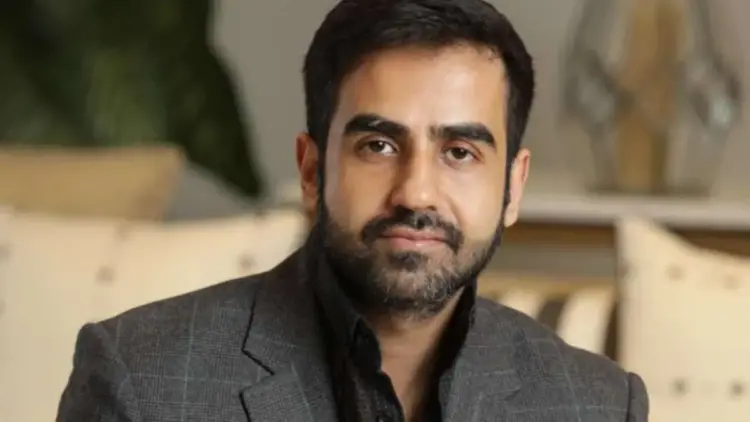
Mumbai, India – October 27, 2026 – Zerodha co-founder Nikhil Kamath, a prominent figure in India’s booming fintech sector, has signaled a significant pivot towards the media and entertainment industry. However, his ambitions lie not in the traditional news dissemination realm, but in the ambitious endeavor of building a novel social media platform. This homegrown initiative aims to challenge the dominance of American tech giants and establish a robust Indian digital ecosystem with global aspirations.
Kamath, widely recognized for his role in democratizing stock market investing through Zerodha, revealed his strategic vision during a recent address at the NDTV World Summit. While acknowledging burgeoning interest in expanding his entrepreneurial ventures into the media space, he emphatically clarified that his focus would be on fostering interactive digital communities rather than curating news content. This announcement comes at a time when India is increasingly looking inwards for digital solutions and seeking to reduce its reliance on foreign platforms.
"With media, we do have aspirations, but I don’t think it’s covering the news kind of media," Kamath stated. "I think the aspiration is to build social media, a new version of it, and we’ve been experimenting with different apps." This declaration marks a bold departure from the conventional paths taken by many Indian entrepreneurs venturing into the media landscape, often focusing on news aggregation or content creation for existing platforms.
The Genesis of a Homegrown Digital Vision
Kamath’s foresight into the potential of a distinct Indian social media platform is rooted in his observations of global digital trends and the strategic positioning of countries like China. He drew a parallel between China’s successful cultivation of its own digital ecosystem, encompassing everything from social media and e-commerce to quick commerce, and the potential for India to carve a similar niche.
"Like China, I grew up in a world which was getting more globalised," Kamath elaborated. "Today’s world seems to get more fragmented with every passing month. Like China has its own version of everything: social media, e-commerce, quick commerce, all of that. I wouldn’t be surprised if more of the world goes in that direction and at some point in time India might have its own social media."
This perspective highlights a growing sentiment among global leaders and entrepreneurs: the need for digital sovereignty and the creation of platforms that cater to local cultural nuances, languages, and user behaviors. The fragmentation of the global digital landscape, accelerated by geopolitical shifts and increasing data privacy concerns, presents a fertile ground for such initiatives.
Beyond Borders: The Global Ambition
Crucially, Kamath’s vision for this new social media platform extends beyond catering solely to the Indian market. He expressed a desire to build a product that possesses the potential to transcend geographical boundaries and gain traction internationally.
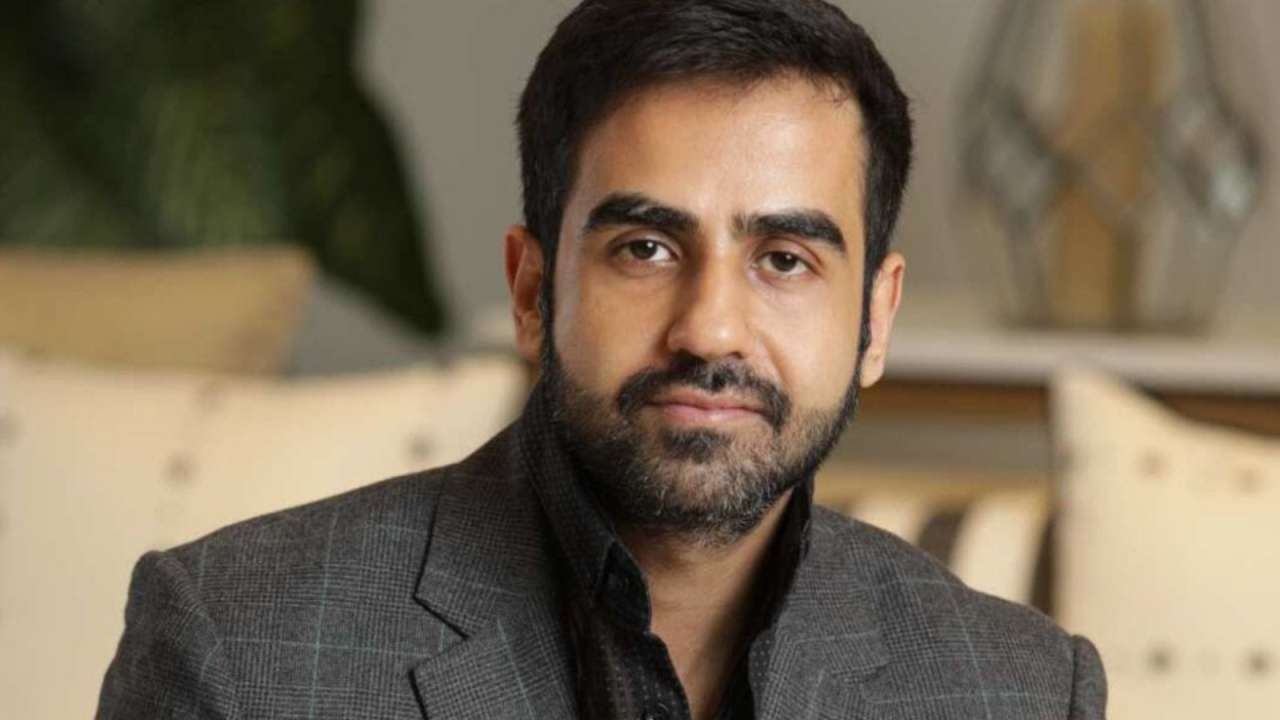
"India might have its own version of everything American," he posyed. "We’re trying to build something with that world in mind, but hopefully also something that can travel outside of India and not just be restricted to it." This ambition underscores a desire not just for import substitution but for creating a globally competitive Indian digital product that can stand shoulder-to-shoulder with established international players.
The success of such an endeavor would be a significant feather in India’s cap, demonstrating its capability to innovate and compete on a global stage in the highly competitive technology sector. It would also align with the government’s broader "Make in India" and "Digital India" initiatives, fostering a more self-reliant and technologically advanced nation.
The Shadow of Past Challenges: Koo’s Trajectory
The path to building a successful homegrown social media platform in India is not without its precedents and inherent difficulties. The most prominent example is Koo, a microblogging platform launched in early 2020 with the explicit aim of providing an Indian alternative to Twitter. Koo garnered significant attention, attracting a substantial user base and endorsements from prominent figures, including government officials. At its zenith, Koo reportedly boasted around 21 lakh daily active users and one crore monthly active users.
However, the platform’s journey culminated in its shutdown in July 2024. This closure serves as a stark reminder of the formidable challenges involved in building and sustaining a domestic social media business. These challenges often include:
- Network Effects: Global platforms benefit from powerful network effects, where the value of the platform increases with the number of users. Attracting and retaining users away from established giants is a monumental task.
- Technological Infrastructure and Scalability: Developing and maintaining robust, scalable infrastructure capable of handling massive user growth and data loads requires significant investment and expertise.
- Monetization Strategies: Finding sustainable and profitable monetization models that don’t alienate users or compromise user experience is crucial.
- Content Moderation and Safety: Effectively moderating content to ensure a safe and positive user environment, while adhering to diverse regulatory frameworks, is a complex and resource-intensive undertaking.
- User Habit and Inertia: Users are often accustomed to existing platforms and may exhibit inertia in adopting new ones, even if they offer compelling features.
- Global Competition: The digital space is intensely competitive, with well-funded international players constantly innovating and expanding their reach.
The experience of Koo highlights the need for a nuanced understanding of the market, a strong technological foundation, effective user engagement strategies, and a long-term commitment to overcoming these hurdles.
Supporting Data and Market Context
The Indian digital landscape is characterized by its sheer scale and rapid growth. With over 700 million internet users and a rapidly expanding smartphone penetration, the market is ripe with opportunity. However, the current dominance of global platforms like Meta (Facebook, Instagram, WhatsApp), Google (YouTube, Search), and X (formerly Twitter) indicates a significant gap in the market for a truly indigenous and globally competitive social media offering.
The increasing fragmentation of the global internet, as observed by Kamath, is also supported by data. Geopolitical tensions, differing regulatory approaches to data privacy and content moderation, and the rise of national digital initiatives are all contributing to a less homogenized online experience. This trend presents an opportunity for countries like India to foster their own digital champions.
Furthermore, the success of Indian content creators on platforms like YouTube and Instagram demonstrates a strong appetite for localized content and relatable personalities. A new social media platform could potentially tap into this existing creator ecosystem and provide them with better tools, monetization opportunities, and a more conducive environment.
Official Responses and Industry Reactions
While there have been no direct official responses to Nikhil Kamath’s specific announcement, the Indian government has consistently emphasized its commitment to fostering a robust digital economy and encouraging innovation. Initiatives like the Digital India program and the push for local manufacturing of electronics underscore this commitment. A successful homegrown social media platform would align perfectly with these national objectives.
Industry experts and analysts have largely reacted with cautious optimism. The potential for a well-funded and strategically led initiative to disrupt the social media market is acknowledged. However, the challenges highlighted by Koo’s closure are also a recurring theme in discussions.
"Nikhil Kamath’s vision is ambitious and timely," commented a leading digital strategist. "The key will be execution. Building a social media platform requires not just capital, but a deep understanding of user psychology, community building, and the ability to adapt to rapidly evolving technological landscapes. The success of any such venture will depend on its ability to offer a differentiated experience that resonates with Indian users and, as Kamath hopes, with a global audience."
Implications for the Indian Digital Ecosystem
Nikhil Kamath’s foray into social media could have several profound implications for the Indian digital ecosystem:
- Reduced Dependence on Global Platforms: A successful Indian social media platform could lessen India’s reliance on foreign-owned entities for communication, information sharing, and community building, thereby enhancing digital sovereignty.
- Stimulating Innovation and Competition: The entry of a new, well-funded player is likely to spur innovation among existing platforms and encourage further investment in the Indian digital sector.
- Creation of New Economic Opportunities: The development and operation of a large-scale social media platform will create numerous jobs in technology, content moderation, marketing, and user support.
- Empowerment of Indian Creators: A platform designed with Indian creators in mind could offer better monetization, discovery tools, and community features, leading to a more vibrant creator economy.
- Potential for a Unique Indian Digital Identity: A homegrown platform could foster a more distinct Indian digital identity, reflecting local culture, languages, and values, which might be lost on globally standardized platforms.
- Benchmarking Global Standards: If Kamath’s ambition of global reach is realized, it would set a new benchmark for Indian technology companies, demonstrating their ability to compete on a world stage.
The road ahead for Nikhil Kamath and his team will undoubtedly be challenging, marked by intense competition and the need for continuous innovation. However, his proven track record of building successful, disruptive businesses, coupled with a clear vision for an Indian-centric digital future, positions this endeavor as one to watch closely in the evolving global media and technology landscape. The success or failure of this venture will offer valuable lessons for India’s aspirations in the digital age.