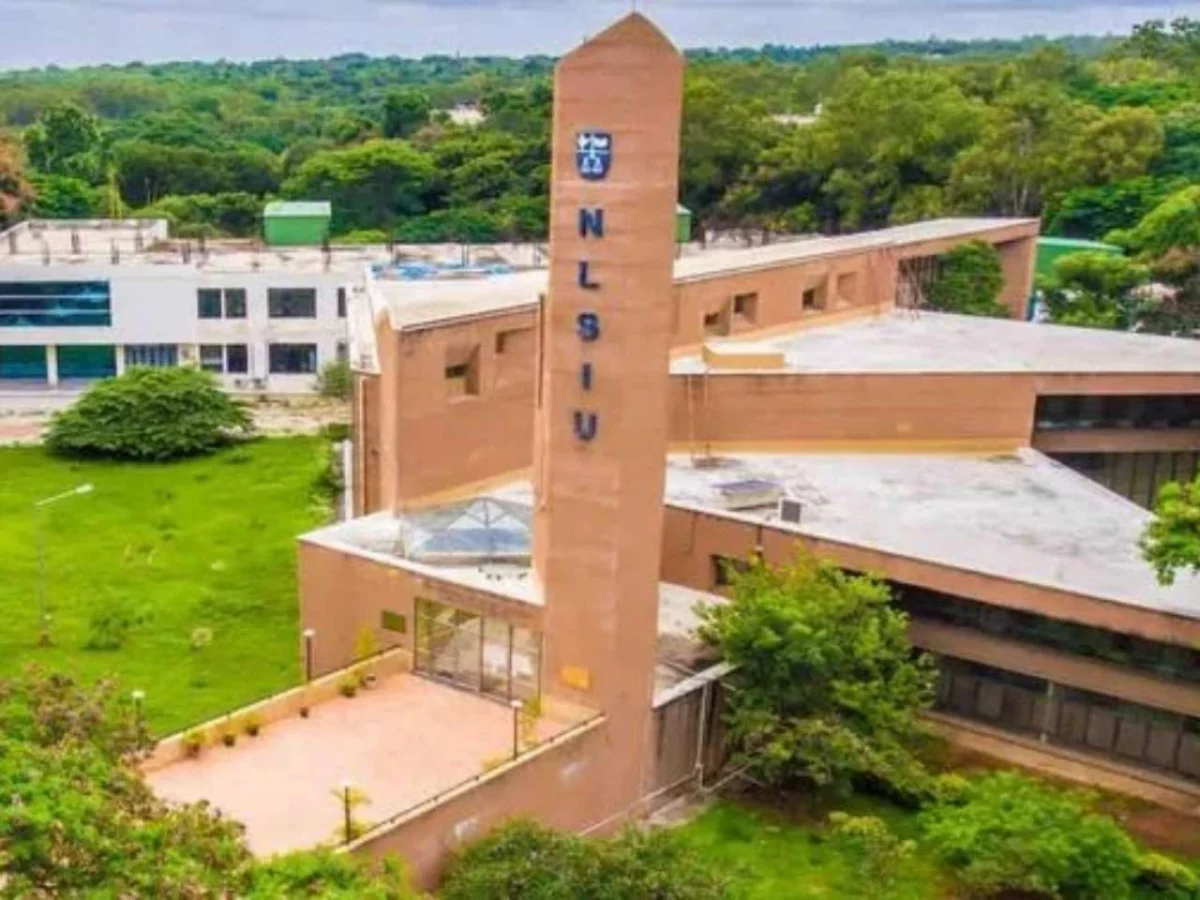
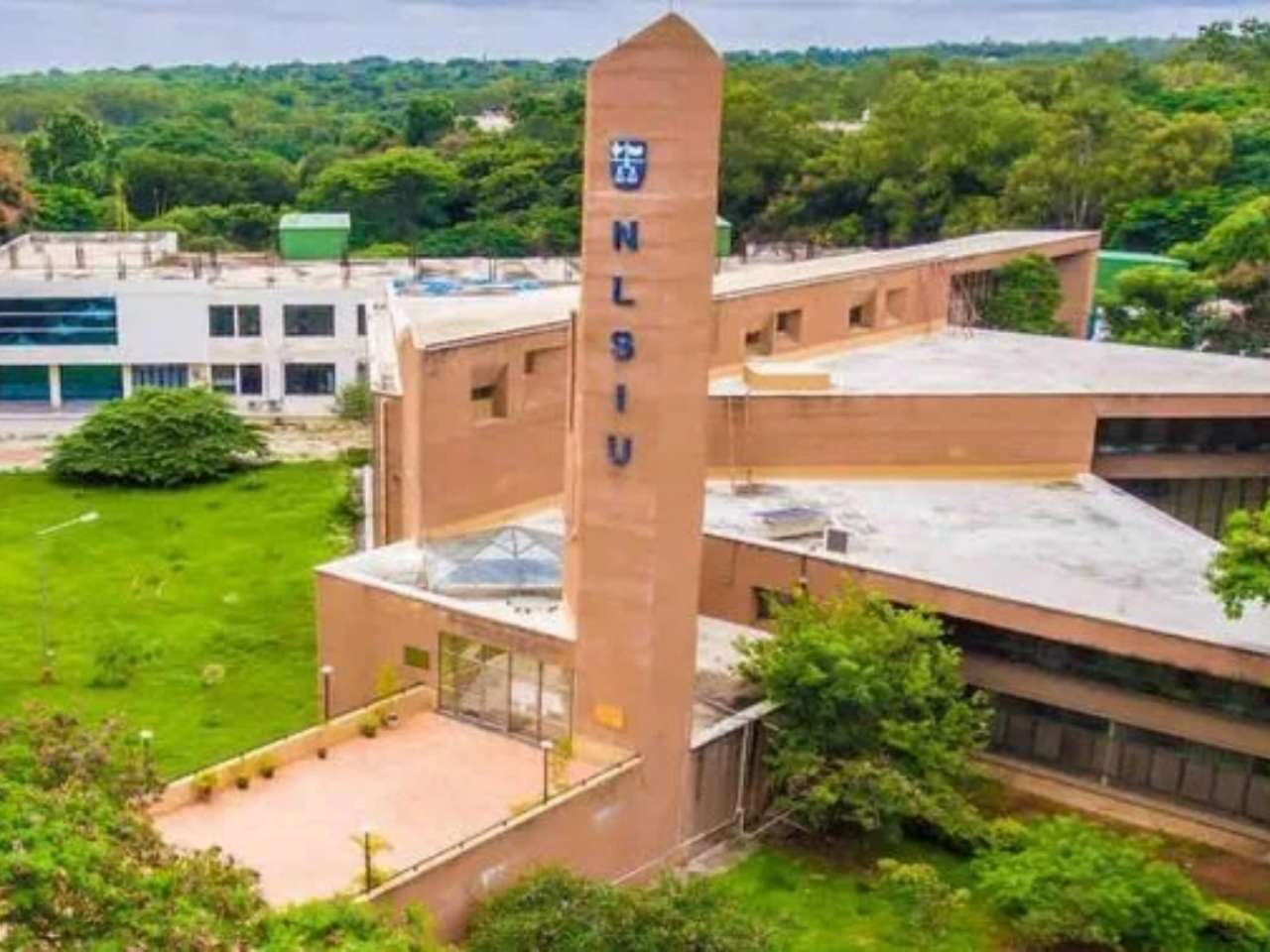
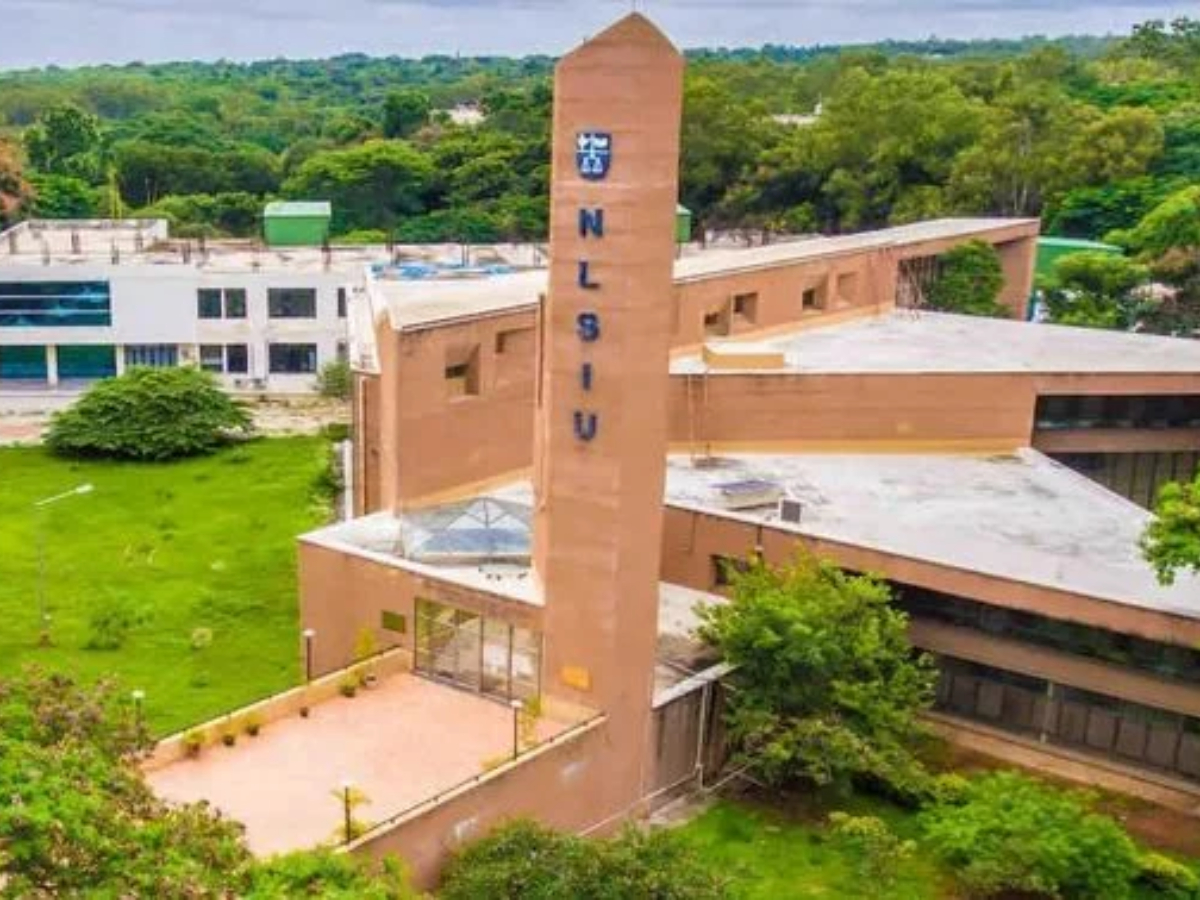
Bengaluru, India – August 27, 2026 – The National Law School of India University (NLSIU), Bengaluru, a premier institution for legal education in India, has announced the abrupt cancellation of its 34th Annual Convocation ceremony for the graduating batch of 2026. The decision, communicated to students via an official notice today, cites "unavoidable circumstances" as the reason for the postponement. However, sources close to the university and student body indicate that the cancellation is directly linked to a burgeoning controversy surrounding the proposed presence of Chief Justice of India (CJI) Surya Kant and Bar Council of India (BCI) Chairman Manan Kumar Mishra as distinguished guests at the event.
This unexpected turn of events has cast a shadow over the academic achievements of hundreds of aspiring legal professionals and reignited a debate on student autonomy and the role of legal bodies in academic ceremonies. While the degrees will still be conferred, albeit in absentia, the absence of a formal ceremony marks a significant departure from tradition and raises questions about the underlying pressures that led to this drastic measure.
The Unfolding Controversy: A Clash of Perspectives
The initial announcement for the 34th Annual Convocation, scheduled for September 12, was met with enthusiasm by the graduating students. However, this optimism was quickly tempered when reports emerged that CJI Surya Kant and BCI Chairman Manan Kumar Mishra were slated to attend. This news, according to multiple student representatives who wished to remain anonymous, triggered widespread dissent within the graduating cohort.
The objections, as understood from various accounts, stemmed from a perceived disconnect between the values championed by the legal fraternity and certain actions or stances attributed to the proposed guests. While the specific grievances have not been publicly detailed by the student body en masse, they are understood to be linked to broader concerns within the legal education landscape and the Bar Council of India’s recent interventions.
)
This situation at NLSIU is not an isolated incident. It mirrors a similar controversy that recently unfolded at the NALSAR University of Law in Hyderabad. There, students had also expressed strong reservations about CJI Surya Kant’s proposed role as the chief guest at their convocation. The NALSAR incident escalated to a point where the Bar Council of India, under Chairman Manan Kumar Mishra’s leadership, initially issued a directive to freeze the enrolment of the entire NALSAR 2026 graduating batch with state bar councils. This punitive measure was ostensibly taken pending an inquiry into the student objections.
However, the BCI later rescinded this order, attributing the decision to a concluding assessment that the "majority of students had not intended to participate in any act of disrespect." This withdrawal was seen as a significant concession, allowing NALSAR students to proceed with their bar council enrolments. The NLSIU situation appears to have been influenced by the fallout and broader discussions that ensued from the NALSAR controversy. The perceived pattern of opposition to CJI Surya Kant’s participation in academic ceremonies suggests a growing unease among student populations regarding the institutional oversight of legal education and the perceived politicization of academic events.

Degrees to be Awarded In Absentia: A Solace Amidst Disappointment
In light of the cancelled ceremony, NLSIU has assured its graduating students that their degrees will be conferred in absentia. This means that the academic and legal recognition of their qualifications will not be impacted. The university has stated that the degrees will be awarded subject to the approval of its governing bodies, a procedural formality that is expected to be a mere formality.
Graduating students will be presented with two options for receiving their hard-earned certificates: either through courier services directly to their residences or by collecting them in person from the NLSIU campus. The university has committed to disseminating a detailed form and further information regarding the logistical arrangements for this process to the affected batch. While this provision offers a practical solution for degree attainment, it undeniably falls short of the celebratory and communal experience that a convocation ceremony typically represents. For many students, the convocation is a culmination of years of rigorous study, a moment of pride shared with family, friends, and peers, and a formal introduction into the professional legal world. The in absentia conferral, while legally sound, cannot fully replicate this significant rite of passage.
)
Chronology of Events: A Rapid Escalation
The timeline leading to the cancellation of NLSIU’s 2026 convocation appears to have been a rapid and intensely debated sequence of events:
- Early August 2026: NLSIU Bengaluru, in its standard academic calendar, informs students about the upcoming 34th Annual Convocation, tentatively scheduled for September 12, 2026. Initial preparations and communications likely begin around this time.
- Mid-August 2026: Information regarding the proposed attendance of CJI Surya Kant and BCI Chairman Manan Kumar Mishra as distinguished guests at the NLSIU convocation begins to circulate among the student body.
- Late August 2026 (approx. August 20-25): Student objections and concerns regarding the proposed guest list emerge. These objections are reportedly communicated to the university administration through various channels, possibly including student representatives or informal feedback mechanisms. The student concerns are likely amplified by the recent controversy at NALSAR University of Law.
- August 26, 2026: Intense discussions and deliberations are believed to have taken place between the NLSIU administration, potentially involving its governing council, and possibly with external stakeholders, to address the growing student dissent and the implications of proceeding with the ceremony as planned. The precedent set by the BCI’s actions at NALSAR would have been a significant factor in these discussions.
- August 27, 2026: NLSIU Bengaluru issues an official notice announcing the cancellation of the 34th Annual Convocation for the 2026 graduating batch, citing "unavoidable circumstances." This notice confirms that degrees will be conferred in absentia.
- August 27, 2026 onwards: Reactions to the cancellation begin to emerge from various quarters, including student activists and political commentators.
This compressed timeline highlights the sensitivity of the matter and the swiftness with which the situation escalated, forcing the university to make a significant decision that impacts its graduating students.
)
Supporting Data and Context: The Broader Landscape
The controversy at NLSIU and NALSAR is not occurring in a vacuum. It reflects a growing trend of student activism in Indian higher education, particularly within prestigious institutions. Students are increasingly vocal about issues ranging from curriculum relevance and pedagogical approaches to institutional governance and the broader socio-political context in which legal education operates.
The Bar Council of India, as the statutory body responsible for the regulation of the legal profession and legal education in India, plays a pivotal role. Its recent actions, particularly the initial freeze on NALSAR student enrolments, have been viewed by some as an overreach and an attempt to stifle legitimate student dissent. The withdrawal of that order, however, signaled a recognition of the need to engage with student concerns rather than resorting to punitive measures.
)
The proposed presence of the Chief Justice of India at convocation ceremonies is a significant honor and a testament to the importance of legal education. However, when student concerns about the integrity and impartiality of the legal system arise, their objections to such invitations can gain traction. The perceived alignment of certain legal luminaries with specific political or institutional stances can lead to apprehension among students who are trained to critically analyze and question.
The "Cockroach Janta Party," a political commentator and activist group, represented by Saurav Das, has also weighed in. Their reaction, advocating for students to organize their own ceremony "the Gen-Z way," underscores a sentiment that students should have the agency to shape their academic milestones and invite guests who resonate with their values. This perspective highlights a generational shift in how students perceive and engage with institutional events.
)
Official Responses and Reactions
NLSIU Bengaluru: The official statement from NLSIU was brief and to the point: "Despite our collective best efforts, due to unavoidable circumstances, we are unable to hold the 34th Annual Convocation. The degrees of all graduating students will be conferred in absentia." The university has maintained a stance of official non-disclosure regarding the specific "unavoidable circumstances," leaving room for speculation and interpretation.
Bar Council of India (BCI): As of this report, there has been no official statement from the Bar Council of India specifically addressing the NLSIU convocation cancellation. However, the BCI’s earlier stance on the NALSAR issue, where it ultimately backed down from punitive measures, suggests a potential inclination towards de-escalation in such sensitive matters. The BCI’s role as a regulator of legal education means its response, or lack thereof, carries significant weight.
)
Student Representatives: While specific individuals have remained largely anonymous due to potential repercussions, there is a palpable sense of disappointment and a mixed reception to the cancellation. Some students reportedly feel vindicated that their concerns were acknowledged, albeit indirectly, leading to the cancellation. Others express frustration at the loss of a traditional ceremony and the perceived inability of the university to navigate the situation more effectively.
External Commentators: Saurav Das of the Cockroach Janta Party’s statement, "I hope the NLSIU graduating batch organises their own graduation ceremony and invites the most honourable guest to felicitate them. Do it the Gen-Z way!", reflects a broader sentiment that institutions should be more responsive to student aspirations and foster a more participatory environment.
)
Implications and Future Outlook
The cancellation of NLSIU’s 2026 convocation carries several significant implications:
- Student Agency and Institutional Responsiveness: The incident highlights the growing assertiveness of student bodies and their demand for greater agency in institutional matters. It also underscores the challenge for universities to balance tradition with contemporary student expectations and to navigate complex stakeholder relationships.
- The Role of Regulatory Bodies: The controversy brings into sharp focus the extent to which regulatory bodies like the Bar Council of India should influence academic ceremonies and student-led expressions of dissent. The BCI’s initial strong reaction at NALSAR and subsequent withdrawal raises questions about its approach to such matters.
- Reputational Impact: For NLSIU, a consistently top-ranked law school, the cancellation could have a reputational impact, albeit likely temporary. It raises questions about its internal governance and its ability to manage external pressures.
- Precedent for Future Events: This incident may set a precedent for how similar situations are handled in the future, both by universities and by student bodies. It could embolden students to voice their concerns more forcefully or prompt institutions to engage in more proactive dialogue with their students.
- The Future of Academic Ceremonies: The shift towards in absentia degree conferrals, while a practical necessity in this instance, could potentially lead to a re-evaluation of the traditional convocation model. However, the inherent value of these ceremonies in marking academic milestones and fostering a sense of community remains undeniable.
As NLSIU Bengaluru moves forward with its plan to award degrees in absentia, the underlying issues that led to this unfortunate cancellation will likely continue to be debated within academic and legal circles. The incident serves as a stark reminder of the evolving dynamics between students, institutions, and regulatory bodies in the landscape of higher legal education in India. The hope is that this episode will spur a more constructive dialogue and a greater understanding of the diverse perspectives that shape the future of the legal profession.