


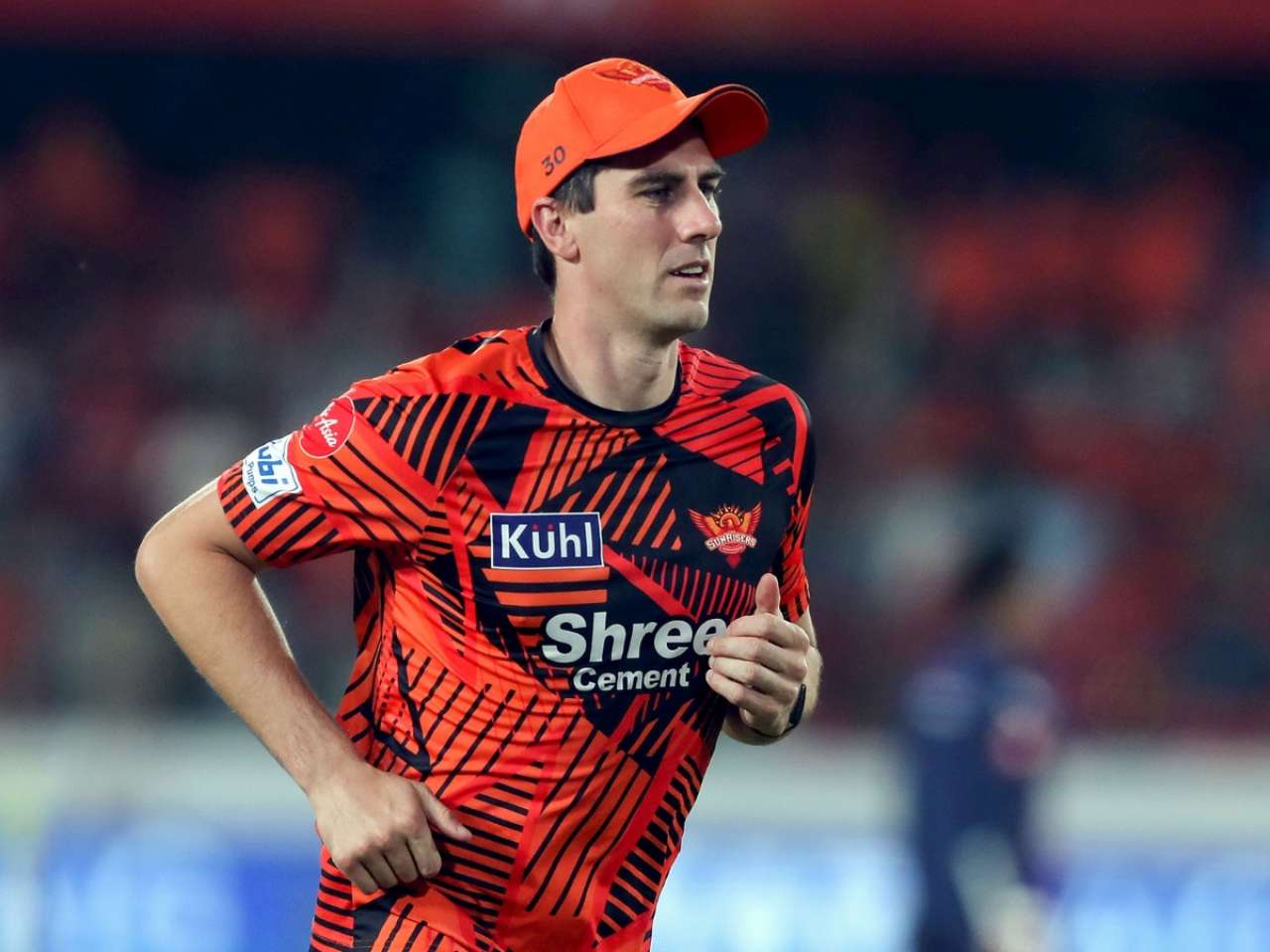
Hyderabad, India – June 3, 2026 – Pat Cummins, the esteemed captain of Sunrisers Hyderabad (SRH) and the multi-format leader of the Australian national cricket team, has signaled a potential withdrawal from the 2027 Indian Premier League (IPL) season. The revelation comes as the cricketing world grapples with an increasingly congested international calendar, forcing elite athletes like Cummins to make difficult choices between lucrative franchise commitments and the unwavering demands of national duty.
Cummins, who has been a pivotal figure for SRH over the past three seasons, leading them to the IPL 2026 playoffs despite a personal injury setback early in the campaign, articulated his dilemma to the Sydney Morning Herald. With Australia facing an extraordinarily packed schedule in 2027, including high-stakes Test series and a major ICC tournament, the 33-year-old fast bowler emphasized that national commitments—specifically Test cricket and the One Day International (ODI) World Cup—would take unequivocal priority. This candid admission has ignited a crucial debate within the cricketing fraternity regarding player welfare, workload management, and the perennial conflict between international and franchise cricket.
A Crucial Conundrum: National Pride Versus Franchise Riches
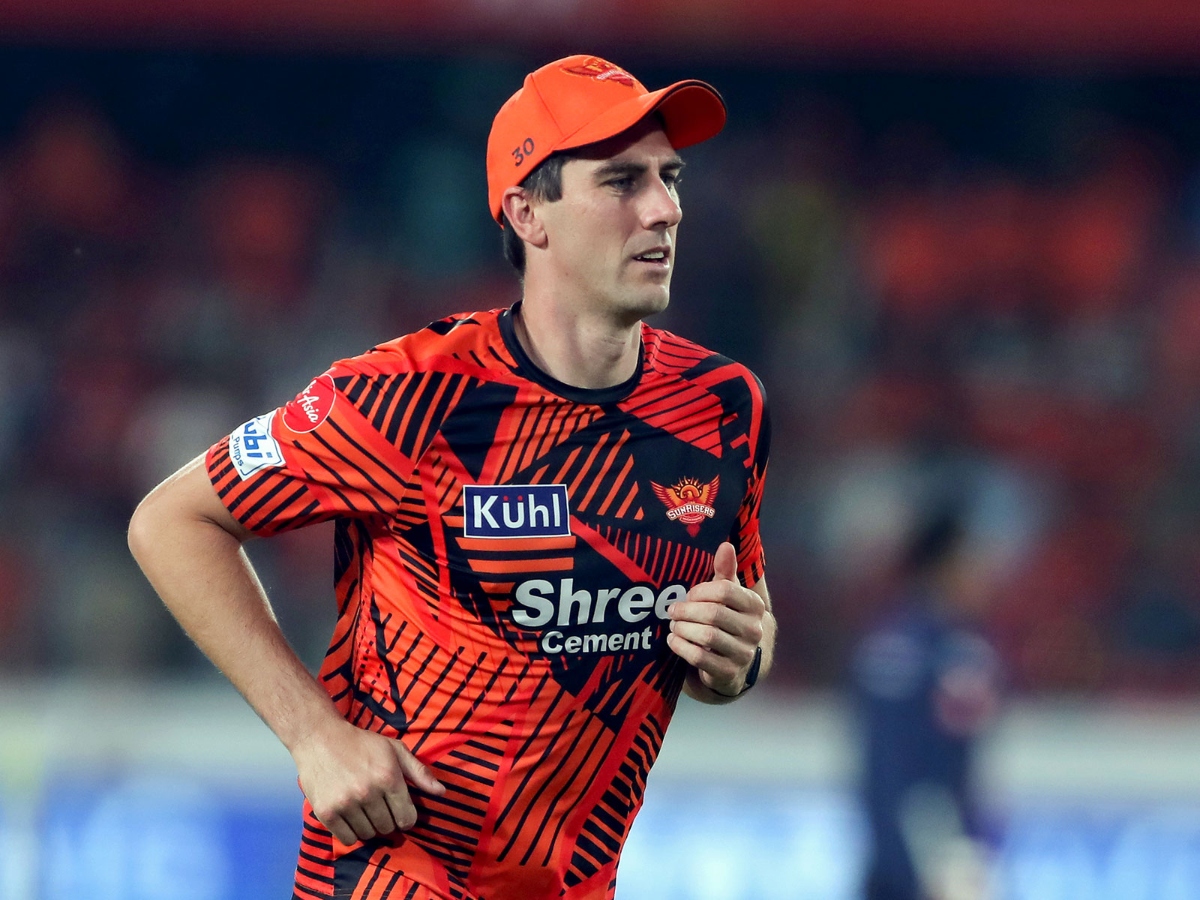
At the heart of Pat Cummins’s contemplation lies a profound conflict: the immense financial allure and professional stature offered by the IPL, juxtaposed against the deep-seated pride and historical significance of representing one’s country in Test cricket and global tournaments. Cummins, who commands an impressive annual salary of Rs 18.00 crore from SRH, has emerged as one of the IPL’s most valuable international assets, not just for his bowling prowess but also for his strategic acumen as captain. His leadership was instrumental in guiding SRH to the knockout stages of IPL 2026, solidifying his status as a key player for the franchise.
However, the upcoming year’s international schedule for Australia presents an unprecedented challenge, demanding sustained physical and mental endurance from its premier multi-format players. Cummins’s remarks, stating that "something has got to give at some stage next year and it’s not going to be test matches or an ODI World Cup," underscore the gravity of the situation. This isn’t merely a matter of personal preference but a strategic decision aimed at preserving his career longevity and ensuring peak performance for Australia in its most significant assignments.
)
The decision carries significant implications, not only for Cummins himself but also for SRH, Cricket Australia (CA), and potentially the broader landscape of international cricket. It forces a re-evaluation of how national boards and franchise leagues can coexist without placing undue burden on players who are the bedrock of the sport’s global appeal.
Chronology of Commitments: A Year of Relentless Cricket
To fully appreciate the weight of Pat Cummins’s decision, it is essential to outline the demanding schedule that awaits the Australian team in 2027, alongside his recent commitments and workload management history.

Pat Cummins’s IPL Journey with Sunrisers Hyderabad
Cummins joined Sunrisers Hyderabad, reportedly in 2024, quickly ascending to the captaincy. His tenure has seen SRH become a competitive force, culminating in a playoff appearance in IPL 2026. This season, despite missing the initial phase while recovering from an injury, he featured in eight matches, securing eight wickets. While his individual statistics for this particular IPL season might appear modest, his leadership and experience were clearly valued by the franchise, a testament to his overall impact. His presence has been a calming and strategic influence in the SRH dressing room, guiding a relatively young squad through the rigors of the IPL.
Australia’s Gruelling 2027 International Calendar
The core of Cummins’s dilemma stems directly from Australia’s packed 2027 international fixture list, which features a relentless series of high-profile tours and tournaments:
)
- January-February 2027: Four-Test Series in India: This tour is traditionally one of the most challenging assignments in Test cricket, known for its arduous conditions, intense competition, and significant physical toll on fast bowlers. Success in India is highly coveted and requires players to be at their absolute best.
- March 2027: 150th Anniversary One-Off Test vs. England in Melbourne: Following the demanding India tour, Australia will host England for a historic single Test match commemorating 150 years of Test cricket. While a standalone fixture, its ceremonial importance and rivalry with England ensure it will be a high-intensity affair, demanding significant preparation and focus.
- Post-March Test: Full Ashes Series: Immediately after the commemorative Test, Australia will embark on or host a full Ashes series against England. Whether played at home or away, an Ashes series is the pinnacle of Test cricket for both nations, spanning several weeks and requiring peak physical condition and mental fortitude. It is a gruelling contest that leaves little room for recovery or distraction.
- October-November 2027: ICC ODI World Cup in Southern Africa: Concluding the year’s major commitments, Australia will travel to Southern Africa for the ODI World Cup. As defending champions or a top contender, the pressure to perform in this global tournament will be immense. The format requires sustained energy, extensive travel, and high-pressure performances over several weeks.
This sequence of events – from challenging Test tours to historic matches, a full-blown Ashes, and a major white-ball World Cup – presents an almost unprecedented concentration of high-stakes cricket within a single calendar year. For a multi-format bowler and captain like Cummins, navigating this schedule without sacrificing performance or risking injury is a monumental task.
Historical Context of Workload Management
Cummins’s consideration is not without precedent. His workload has been meticulously monitored by Cricket Australia in previous seasons. Last summer, for instance, he played only the Adelaide Ashes Test and notably skipped the T20 World Cup while recuperating from a persistent back problem. This proactive approach by CA and the player himself highlights a growing recognition of the physical limits of elite fast bowlers. Similarly, the Australian team management has often explored options for rotating its formidable pace attack, particularly with seasoned campaigners like Josh Hazlewood and Mitchell Starc also nearing the latter stages of their careers. The idea of resting key bowlers, even during home Test series against teams like New Zealand, to preserve them for more gruelling assignments like the Ashes, has been openly discussed and implemented.
)
Supporting Data: The Science and Economics of Elite Cricket
The debate surrounding Pat Cummins’s potential IPL sabbatical is underpinned by compelling physiological, statistical, and financial data that illustrates the modern cricketer’s predicament.
The Physiological Toll on Fast Bowlers
Fast bowling is arguably the most physically demanding discipline in cricket. The repeated high-impact actions of running in, delivering the ball, and fielding place immense stress on the musculoskeletal system. Injuries to the back, hamstrings, ankles, and shoulders are common occupational hazards.
)
- Impact Loading: Each delivery involves forces equivalent to multiple times a bowler’s body weight, especially on the front leg. Over a Test match, a fast bowler might deliver hundreds of balls, accumulating a staggering amount of cumulative stress.
- Recovery Times: Adequate rest and recovery are crucial for muscle repair and injury prevention. A packed schedule, with minimal breaks between formats and tours, compromises this vital recovery period, increasing the risk of chronic issues and acute injuries.
- Travel and Time Zones: Frequent international travel, coupled with constant changes in time zones and climates, further exacerbates fatigue and disrupts natural sleep patterns, hindering optimal physical and mental recovery.
- Precedent of Injury: Cummins’s own history of back problems and other minor ailments, which led him to miss parts of seasons or skip tournaments, serves as a stark reminder of these risks. He is not an isolated case; many legendary fast bowlers have had their careers curtailed or significantly impacted by persistent injuries due to workload.
Statistical Overview of Multi-Format Players’ Workload
While specific statistical projections for 2027 are speculative, a general analysis of multi-format players like Cummins reveals the extraordinary demands placed upon them:
- Match Volume: Top multi-format players can easily feature in 10-15 Test matches, 20-30 ODIs, and 15-25 T20Is annually, in addition to franchise league commitments. This translates to playing cricket for over 250-300 days a year, including training and travel.
- Bowling Spells: In Tests, fast bowlers might bowl 20-30 overs in an innings, often across multiple spells. In ODIs, they bowl 10 overs, and in T20Is, 4 overs. While T20 spells are shorter, the intensity is higher, and they are often played back-to-back with minimal rest.
- Cummins’s IPL 2026 Performance: Playing 8 matches and taking 8 wickets, as stated in the article, indicates a moderate output for an IPL season, potentially influenced by his early-season injury. This highlights the risk of players entering franchise leagues without full fitness, potentially aggravating existing issues or underperforming.
The Financial Landscape: A Two-Edged Sword
The financial aspect is a significant factor in this equation. Pat Cummins’s Rs 18.00 crore annual salary from SRH underscores the immense financial rewards offered by the IPL.
)
- Lucrative Contracts: IPL contracts often dwarf the annual salaries players receive from their national boards, making it incredibly tempting for players to prioritize franchise cricket. This creates a powerful pull towards T20 leagues.
- Career Earnings: For many cricketers, particularly those from smaller nations or those who might not have long international careers, franchise leagues offer financial security for life.
- The Dilemma: For established stars like Cummins, the decision is less about basic financial security and more about balancing significant additional income against the intangible value of national representation and career longevity. Foregoing an IPL season means sacrificing a substantial sum, a choice few players make lightly.
Cricket Australia’s Stance on Player Welfare
Cricket Australia (CA) has historically adopted a relatively robust stance on managing player workloads, often prioritizing national team commitments and player welfare over external engagements.
- Central Contracts: CA’s central contract system allows the board significant control over player availability and workload. Players on central contracts are generally expected to prioritize national duties.
- Rotation Policies: The willingness to rotate key fast bowlers like Cummins, Hazlewood, and Starc, particularly during less critical home series, demonstrates CA’s understanding of the physical demands and its commitment to preserving its elite talent for major tournaments.
- Long-Term Vision: CA’s focus is on ensuring its top players remain fit and performing at their peak for flagship events like the Ashes and ICC World Cups, which are critical for the sport’s health and revenue in Australia.
Official Responses and Strategic Considerations
Pat Cummins’s own statements provide the most direct insight into his thought process, complemented by the broader strategic considerations for his national board and franchise.
)
Pat Cummins’s Direct Quotes
Cummins has been remarkably candid about his situation, leaving little ambiguity about his priorities:
- Prioritizing National Duties: "Something has got to give at some stage next year and it’s not going to be test matches or an ODI World Cup," he told the Sydney Morning Herald. This statement unequivocally places Australia’s Test and ODI World Cup campaigns at the zenith of his professional hierarchy.
- Flexibility and Injury Concerns: He acknowledged the dynamic nature of such decisions: "I will make a call a lot closer and work with the franchise to see what makes sense. Things can change. I’ve had a couple of injuries pop up, so I don’t really want to lock in anything." This highlights his pragmatic approach, recognizing that his physical condition will ultimately dictate his availability. The mention of "couple of injuries pop up" refers to his recent recovery that impacted his IPL 2026 start, reinforcing the need for caution.
- The Gruelling Ashes Pre-requisite: "The priorities for me are always the test matches and that ODI World Cup. I dare say if I play all of India, I need some sort of break before a pretty gruelling Ashes series." This specific insight reveals the sequential pressure points in Australia’s calendar and his personal requirement for recuperation between major assignments.
- Open-Mindedness to Rotation: Speaking about managing the workload of Australia’s pace attack, Cummins added, "It’s possible. I think we’re fairly open-minded to anything, as we’ve seen over the last couple of years. I see a world where we’re potentially winding some bowlers down, even say at the back end of an Indian series if they don’t look like they’re going to play, to give them an extra rest ahead of the Ashes." This demonstrates a collective understanding within the Australian setup about the necessity of strategic resting.
- A Rewarding but Challenging Period: Looking ahead, Cummins expressed optimism despite the challenges: "It’s going to be a big push the next 18 months or so, but I think we’ll look back on it hopefully and see it as one of the more rewarding periods of our career." This suggests a commitment to enduring the demanding schedule for the sake of achieving significant milestones with the national team.
Cricket Australia’s Likely Stance
While no official statement from Cricket Australia has been released regarding Cummins’s specific IPL 2027 availability, their historical approach and comments from team management suggest a clear position:
)
- Support for Player Welfare: CA would almost certainly support any decision made by Cummins that prioritizes his physical and mental well-being, especially when it directly impacts his availability and performance for national duties.
- National Priority: CA’s mandate is to ensure the Australian team is at its strongest for marquee international series and ICC tournaments. They would likely encourage or even mandate resting key players if their participation in franchise leagues jeopardizes national team performance.
- Workload Management Protocols: CA’s sports science and medical teams would have extensively analyzed Cummins’s workload and future schedule, likely advising him on the optimal balance to prevent injury and burnout.
Sunrisers Hyderabad’s Perspective
For SRH, the news, while not entirely unexpected given the global cricketing calendar, would undoubtedly be a significant blow:
- Understanding but Disappointment: The franchise would likely express understanding for Cummins’s commitment to national duty, but internally, there would be disappointment at potentially losing a marquee player and captain.
- Replacement Strategy: SRH’s management would immediately begin contingency planning, identifying potential international captaincy replacements and key overseas bowling options for IPL 2027. The financial implications of reallocating Rs 18.00 crore would also be a key consideration.
- Maintaining Team Cohesion: A crucial task would be to ensure that the team’s morale and structure remain intact, despite the potential absence of such an influential leader.
Implications: A Ripple Effect Across Cricket
Pat Cummins’s potential absence from IPL 2027 carries far-reaching implications, extending beyond his personal career to impact his franchise, Australian cricket, and the broader global cricketing ecosystem.
)
For Pat Cummins: A Legacy of Prioritization
- Career Longevity and Performance: By prioritizing Tests and the ODI World Cup, Cummins makes a clear statement about his focus on leaving a lasting legacy in the game’s traditional formats. This strategic break could prolong his multi-format career, ensuring he remains a top performer for Australia for years to come, rather than succumbing to burnout or chronic injury.
- Financial Impact: While he foregoes a substantial IPL salary, the decision reinforces his commitment to national service, which often comes with its own rewards, including endorsement deals and the prestige associated with national captaincy and success.
- Role Model Status: Cummins sets a powerful precedent for other elite multi-format players globally, affirming that national duties, especially in the most demanding formats, can and should take precedence over lucrative T20 league contracts.
For Sunrisers Hyderabad (SRH): A Leadership Vacuum and Strategic Shift
- Leadership Crisis: Losing a captain of Cummins’s stature, especially one who guided them to the playoffs, creates a significant leadership vacuum. SRH will need to identify a new captain, either from their existing squad (e.g., an Indian player to ensure continuity) or through the auction, which is a complex process.
- Team Composition and Strategy: Cummins’s absence impacts SRH’s bowling attack, particularly in the crucial death overs. The franchise would need to invest heavily in a top-tier international fast bowler to fill the void, potentially altering their overall team balance and auction strategy.
- Fan Engagement: While loyal fans understand, the absence of a popular and effective international captain could temper enthusiasm to some extent. SRH will need to communicate transparently and build excitement around their new leadership and player acquisitions.
For Australian Cricket: Reinforcing National Primacy
- Validation of Workload Management: Cummins’s decision validates Cricket Australia’s proactive approach to player workload management. It demonstrates that their policies are not just theoretical but are influencing actual player choices to safeguard national interests.
- Precedent for Other Players: This could set a precedent for other Australian multi-format stars (like Starc, Hazlewood, Maxwell, Smith) to similarly assess their commitments, potentially leading to more players opting out of parts of T20 leagues to prioritize national duties.
- Opportunity for Emerging Talent: Any break taken by established stars creates opportunities for younger fast bowlers within the Australian system to gain international experience, thereby strengthening the overall talent pool.
For the IPL and Global T20 Leagues: A Growing Dilemma
- Tension Between Formats: Cummins’s decision highlights the escalating tension between international cricket and the burgeoning global T20 league circuit. As more leagues emerge and international calendars become denser, this conflict is only set to intensify.
- Player Availability Concerns: The IPL, as the premier T20 league, relies heavily on the participation of top international stars. If more players follow Cummins’s lead, it could impact the league’s star power and competitive balance, especially for specific franchises.
- Need for Coordinated Scheduling: This situation underscores the urgent need for better coordination between the International Cricket Council (ICC), national boards, and franchise leagues to create a more sustainable calendar that respects both international commitments and player welfare. Without such coordination, players will continue to be caught in the crossfire, forced to make unenviable choices.
- Future of Multi-Format Players: The trend raises questions about the long-term viability of multi-format players. Will the future of cricket see more specialization, with players choosing to focus on either Test/ODI cricket or T20 leagues exclusively to manage their careers?
In conclusion, Pat Cummins’s contemplation of missing IPL 2027 is more than just a personal decision; it is a microcosm of the larger challenges facing modern cricket. It forces stakeholders to confront the realities of player burnout, the irresistible pull of franchise riches, and the enduring value of international representation. As the game evolves, finding a harmonious balance between these competing demands will be crucial for the sustained health and integrity of cricket across all its forms.
