

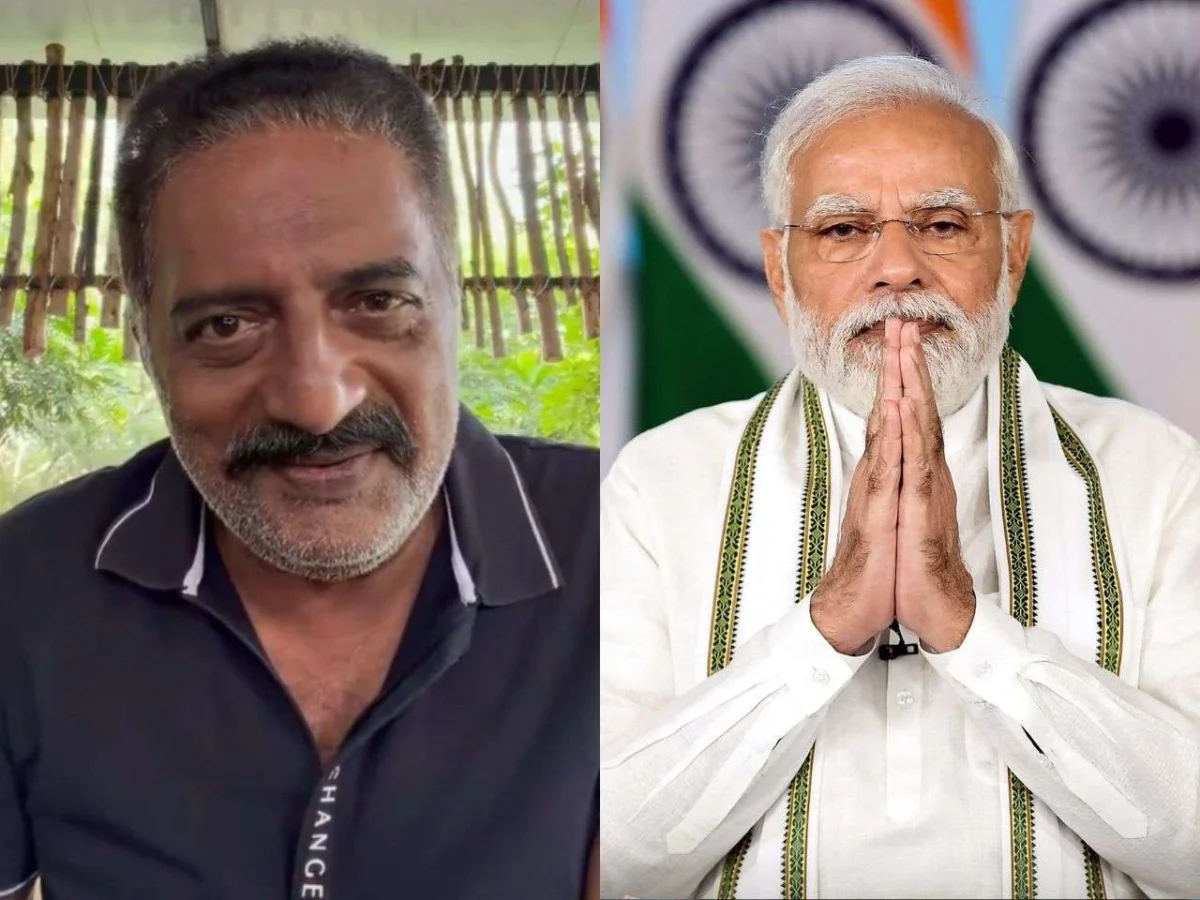
Mumbai, India – August 16, 2026 – In a potent display of civic engagement and sharp political commentary, acclaimed actor Prakash Raj has once again captured national attention with a widely circulated video on social media platform X. The video, released on the eve of India’s Independence Day celebrations, directly contrasts the ceremonial pronouncements of Prime Minister Narendra Modi with the tangible, grassroots efforts of young Indians dedicated to revitalizing dilapidated government schools. Raj’s impassioned plea urges the Prime Minister to pivot from rhetoric to actionable solutions, highlighting the urgency of addressing fundamental national challenges within the remaining years of his tenure.
The actor, known for his outspoken nature and frequent critiques of government policies, meticulously deconstructed the contrasting narratives presented on Independence Day. While Prime Minister Modi delivered his annual address from the historic Red Fort, Raj pointed to the tireless work of the "Cockroach Janta Party" (a term he uses sarcastically to describe conscientious citizens, drawing parallels to the government’s often dismissive labeling of dissenters) and their "School theek karo" (Fix the School) campaign. This initiative, spearheaded by individuals like Abhijeet Dipke, involves extensive fieldwork in the interior regions of Maharashtra, directly engaging with students and documenting the dire state of educational infrastructure.
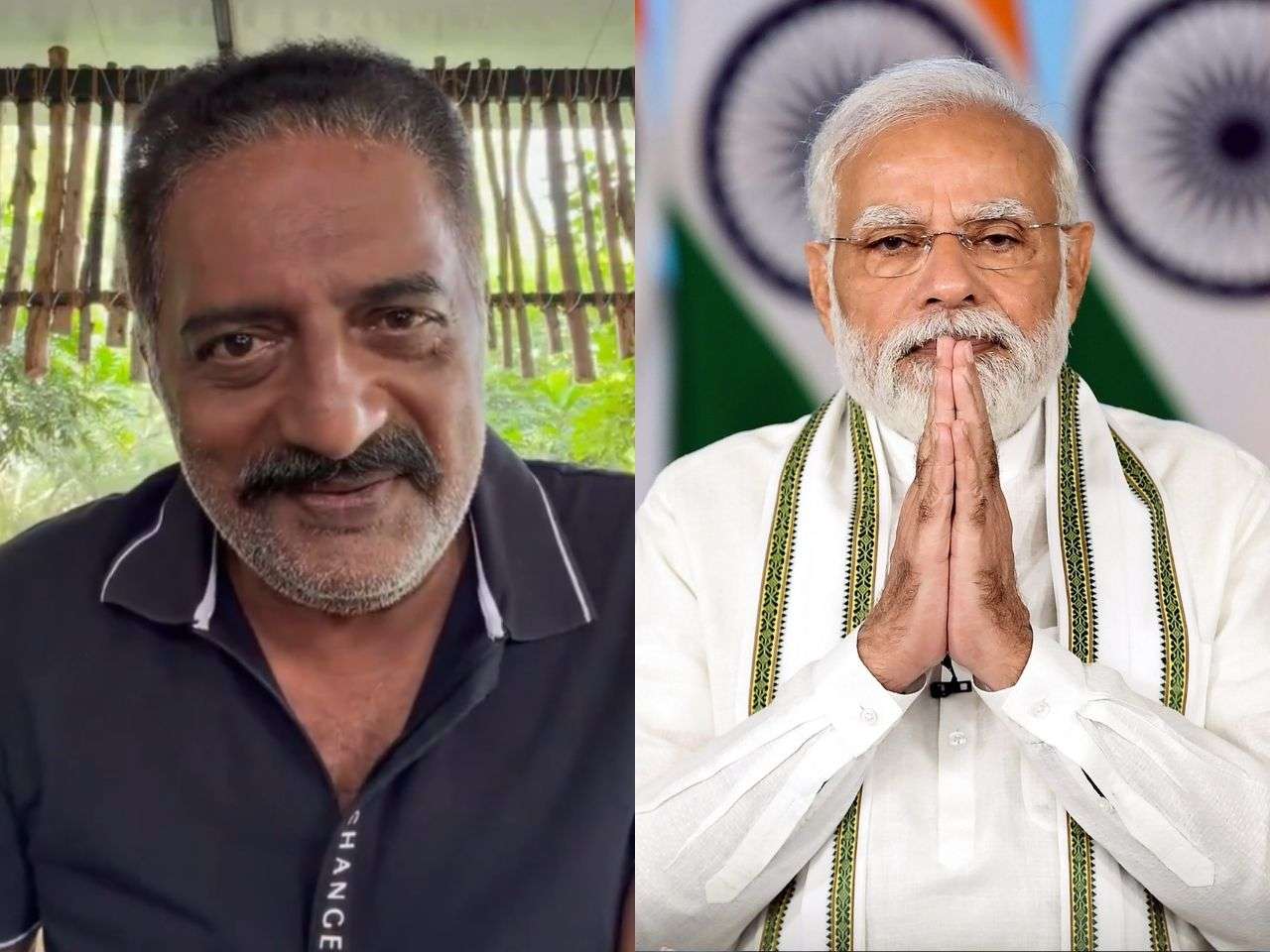
Raj’s intervention serves as a stark reminder of the disconnect he perceives between political discourse and the lived realities of ordinary citizens, particularly the nation’s youth who represent its future. He implores the public to move beyond blind allegiance and critically assess the contributions of those in power.
The Dichotomy of Independence Day: Speeches vs. Action
August 15, 2026, marked a day of dual narratives in India, one defined by ceremonial addresses and the other by dedicated, on-the-ground activism.
)
Prime Minister Narendra Modi’s address on Independence Day, a customary platform for outlining national achievements and future aspirations, was met with a familiar mix of applause and scrutiny. However, Prakash Raj’s video, released shortly after, offered a potent counterpoint, questioning the efficacy and impact of such pronouncements when juxtaposed with pressing societal needs.
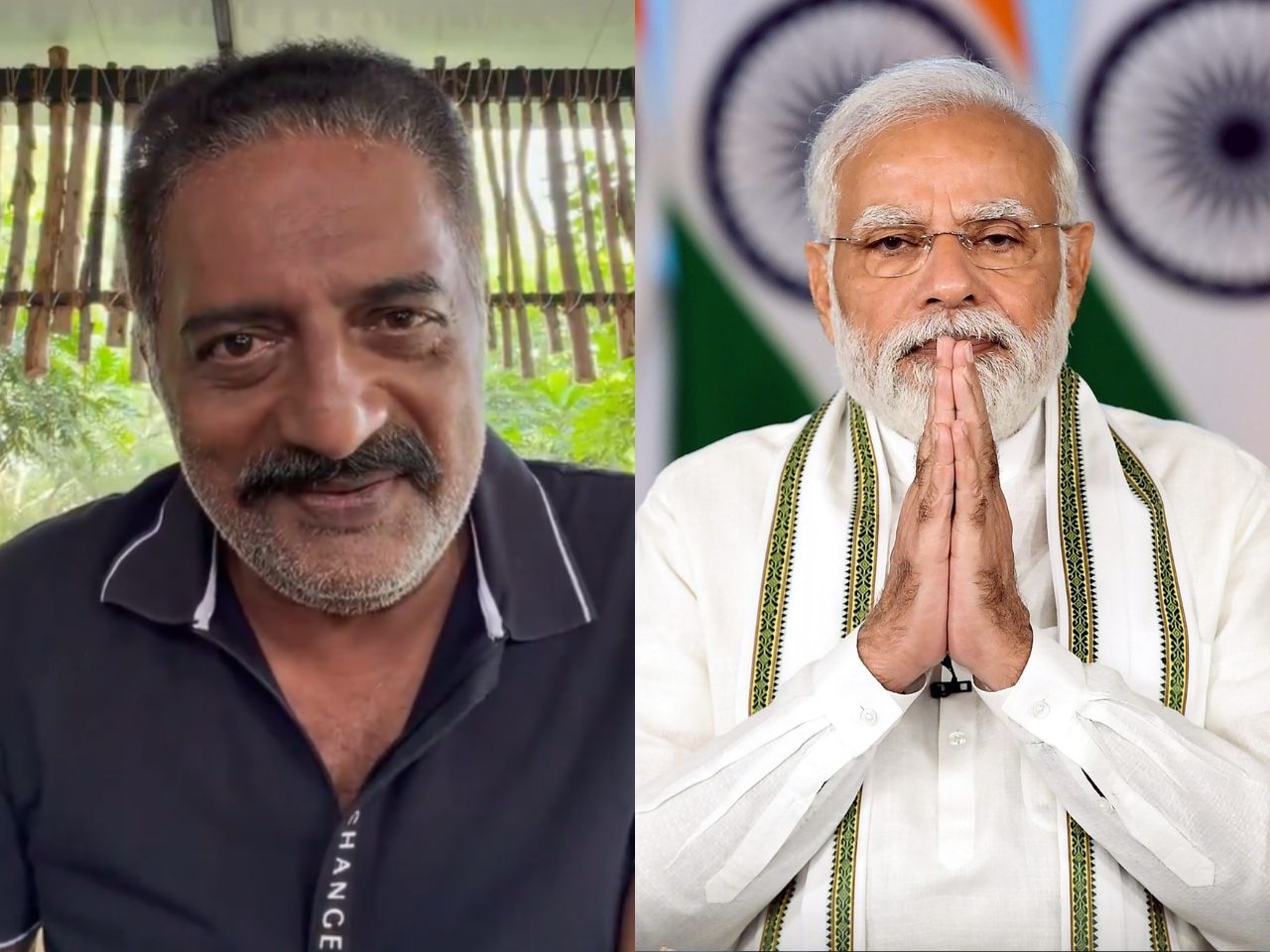
"Yesterday, on Independence Day, we witnessed two people working," Raj stated in his video, drawing a sharp distinction between the symbolic and the substantive. He characterized the Prime Minister as the "Supreme Leader," whose Independence Day speech, according to Raj, implicitly acknowledged the existence of critical voices by bestowing upon them a new, albeit pejorative, label.
)
A Shift in Nomenclature: From "Urban Naxals" to "Dimagi Naxals"
Raj highlighted what he interpreted as a significant semantic shift in the government’s approach to dissent. "He finally accepted that those who show dissent, who ask tough questions to the government for accountability, or ask questions are dimagi. They have brains after all these years of naming them urban naxals, vixit-virodhis, kidas, cockroaches; now he has given us a title, namakaran kiya hai: dimagi naxals." This rebranding, Raj suggested, was an attempt to dismiss critical thinkers by implying their intellectualism was a form of subversion, rather than a contribution to democratic discourse.

He contrasted this with the actions of young volunteers, whom he implicitly aligned with the "dimagi naxals." These individuals, he explained, were actively engaged in visiting government schools in remote areas, meticulously documenting the deficiencies in basic amenities. Their work, he emphasized, was not about political posturing but about a genuine commitment to improving the future of India’s children.
The "School theek karo" Campaign: A Groundswell of Youth Initiative
The core of Prakash Raj’s message revolves around the inspiring efforts of a generation of young Indians taking initiative to address systemic failures.
)
The "School theek karo" campaign, as highlighted by Raj, is not a top-down government initiative but a spontaneous movement driven by concerned citizens. Through this campaign, volunteers like Abhijeet Dipke are venturing into the heartland, directly confronting the stark realities faced by students in government educational institutions.
Their fieldwork involves meticulous documentation of the deplorable conditions: crumbling classrooms, inadequate sanitation facilities, a severe lack of qualified teachers, and the absence of even basic infrastructure like accessible roads. These are not abstract statistics but tangible indicators of neglect that directly impact the learning environment and, consequently, the future prospects of countless children.
)
Raj lauded these young activists for their dedication and urged the public to recognize their efforts as a true representation of national progress. "On the other hand, the so-called accused dimagi naxals or cockroaches were busy walking into village government schools and showing the plight of the toilets, of the classrooms, of places where there were no teachers, no roads, and how our children in government schools are suffering," he stated, drawing a stark contrast with the Prime Minister’s symbolic address.
A Call to Critical Thinking: "Dimagi Bano, Andh-Bhakt Nahi"
Prakash Raj’s appeal extends beyond political critique to a broader exhortation for intellectual independence and civic responsibility.
)
The actor’s slogan, "Dimagi bano, bevakoof nahi, andh-bhakt nahi, sawaal karo, gulami nahi" (Become intelligent, not foolish, not blind followers, ask questions, don’t be slaves), encapsulates his central message. He encourages citizens to engage critically with information, to question authority, and to resist unquestioning obedience.
He posits that true patriotism lies not in blind adherence to leaders but in actively participating in the nation’s betterment by demanding accountability and advocating for tangible improvements. The contrast he draws between the Prime Minister’s speech and the youth’s actions on Independence Day serves as a potent illustration of this principle. While one offers rhetoric, the other offers a roadmap for genuine change.
)
A Direct Appeal to the Prime Minister: Addressing "Real Issues"
The climax of Prakash Raj’s video is a direct, albeit unnamed, address to Prime Minister Narendra Modi, urging a recalibration of priorities.
"And to you, my dear friend," Raj began, his tone shifting from general commentary to a personal appeal, "please stop using Red Fort for naming ceremonies. Instead, focus and work on real issues this country is facing." The actor suggested that the Prime Minister’s remaining tenure, which he implicitly acknowledged as finite, should be dedicated to addressing the fundamental challenges that plague the nation.
)
Raj specifically called for action on issues directly impacting the educational sector, the very foundation of a nation’s future. "Will you start by stopping the closure of government schools and focusing on swachh toilets, enough teachers, enough classrooms, and a wonderful atmosphere for our children in government schools for their future?" he questioned, laying out a clear agenda for the government.
His concluding remarks were laced with a sense of urgency: "You have a few years left. I hope you will do something." This statement underscores his belief that while political cycles are temporary, the impact of policy decisions, or the lack thereof, on the nation’s future is profound and enduring.
)
The Unavoidable Backlash: "Modi Fans" Respond
As is often the case with Prakash Raj’s public pronouncements, his latest video has ignited a predictable storm of criticism from supporters of the current government.
The actor’s critique of Prime Minister Modi and his administration has been met with fervent opposition from what is commonly referred to as "Modi fans" or "bhakts" on social media. These detractors have accused Raj of being divisive, an "idiot," and someone who is attempting to portray the youth as "fools" and "slaves."
)
One netizen’s comment, "This idiot is telling Gen Z that they are fools… Bewakoof and Gulam… Ye unka masihya banke aya hei" (This idiot is telling Gen Z that they are fools… Bewakoof and Gulam… He has come as their messiah), reflects a sentiment prevalent among those who perceive Raj’s interventions as an attack on national pride and the Prime Minister’s leadership.
Another respondent expressed a common counter-argument: "All incapable person will always blame others for their failures. You are one of the biggest among such crying ones. Grow up, man." This sentiment dismisses Raj’s criticisms as mere posturing by someone who is unable to accept personal or professional failures, projecting them onto the government instead.
)
The polarization surrounding Prakash Raj’s statements highlights the deeply entrenched divisions in India’s political landscape, where any criticism of the ruling party, especially from prominent public figures, is often met with an immediate and aggressive defense by its supporters.
Implications and Broader Context
Prakash Raj’s commentary, while drawing predictable ire, taps into a broader national conversation about governance, accountability, and the role of citizens.
)
The "School theek karo" campaign, as championed by Raj, represents a growing trend of citizen-led initiatives that seek to fill the gaps left by inadequate public services. These movements are often born out of frustration with bureaucratic inertia and a perceived lack of political will to address pressing social issues.
The actor’s critique of the Prime Minister’s focus on symbolic gestures over substantive action resonates with a segment of the population that feels neglected or unheard. The emphasis on the condition of government schools is particularly poignant, as it directly impacts the educational opportunities of millions of children from marginalized communities, who are often the most vulnerable to systemic failures.
)
The dichotomy presented by Raj – between the ceremonial pronouncements of political leaders and the silent, diligent work of everyday citizens – serves as a powerful reminder of the diverse ways in which patriotism and civic duty can be expressed. His call for critical thinking and active participation is a cornerstone of democratic engagement, urging individuals to move beyond passive consumption of political narratives and to become active agents of change.
As India navigates its complex socio-political terrain, the voices of individuals like Prakash Raj, who leverage their platforms to amplify the concerns of the common populace and challenge established power structures, will continue to play a crucial role in shaping public discourse and demanding greater accountability from those in governance. The coming years will reveal whether the "real issues" highlighted by the actor receive the attention they desperately need.
