

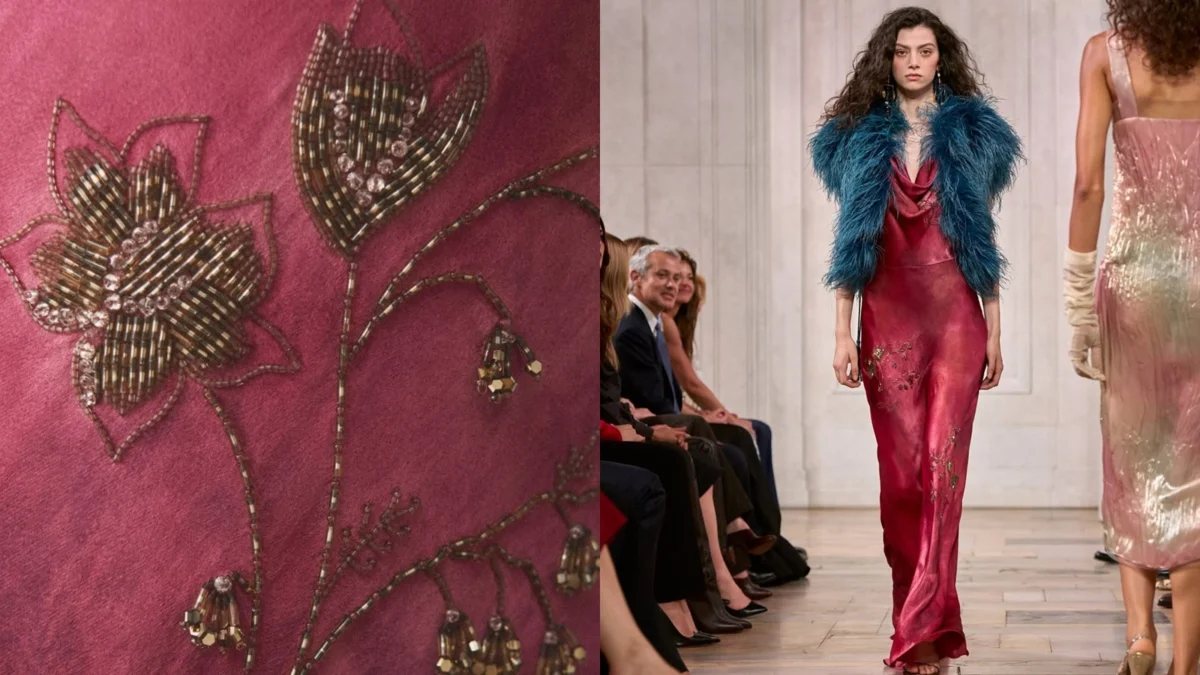
New Delhi – September 14, 2026 – The illustrious halls of high fashion are once again echoing with controversy, this time centering on the iconic American brand, Ralph Lauren. In its latest Spring-Summer 2027 Ready-to-Wear collection, the brand has drawn sharp criticism for its apparent appropriation of Indian Zardozi embroidery, a centuries-old artisanal craft, without due attribution. This latest incident follows similar outcries regarding Bandhani skirts and South Asian jhumkas, reigniting a crucial conversation about cultural appropriation, intellectual property in design, and the ethical responsibilities of global fashion houses.
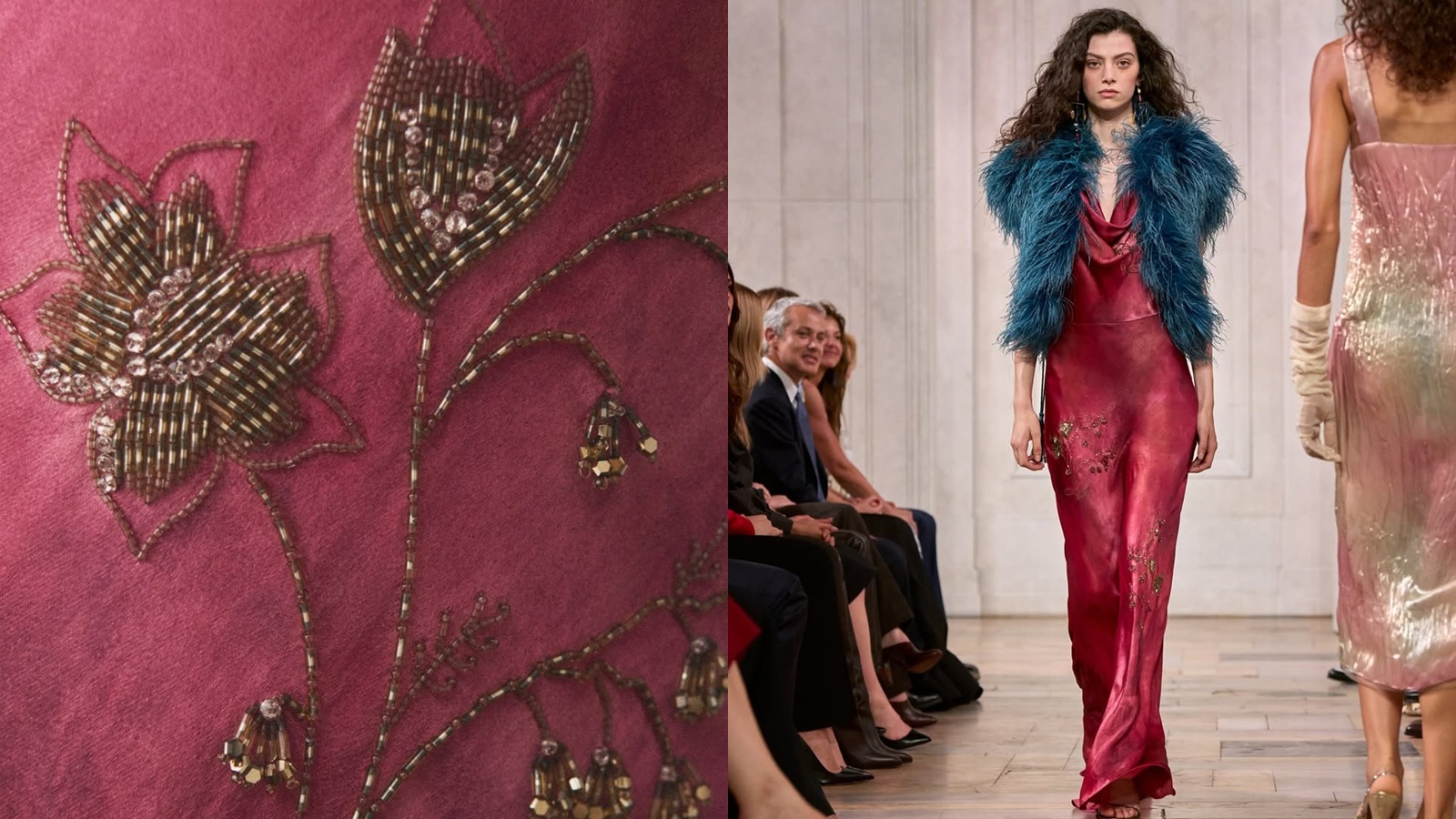
The controversy erupted following a post on Ralph Lauren’s official Instagram page showcasing a detail of their new collection. The image featured an opulent silk-viscose evening gown adorned with intricate metallic embellishments. However, the accompanying caption, describing these as "hand-applied embellishments," failed to acknowledge the specific origin of the technique, which many observers identified as Zardozi, a distinct and historically rich Indian embroidery style. The omission quickly ignited a firestorm of reactions in the comments section, with netizens decrying the lack of credit and explicitly calling out the Indian roots of the craftsmanship.
A Pattern of Cultural Oversight: Ralph Lauren’s Past Missteps
This is not the first time Ralph Lauren has found itself at the center of such a debate. The fashion world has a long, and often fraught, history with the borrowing and adaptation of cultural motifs. However, for a brand of Ralph Lauren’s stature, repeated instances of perceived cultural insensitivity raise serious questions about its design process and its engagement with global artisanal traditions.
Previously, the brand faced backlash for its use of Bandhani, a traditional Indian tie-dye technique, in its designs. This was followed by criticism concerning the incorporation of South Asian jhumkas, a distinctive style of earrings, without explicit acknowledgment of their cultural heritage. These recurring incidents suggest a potential pattern of overlooking or undervaluing the origins of the rich artistic traditions that inspire global fashion trends.
Unpacking Zardozi: More Than Just Embellishment
To understand the gravity of the current controversy, it’s essential to delve into the significance of Zardozi itself. As explained by Yash Sahu, Academic Lead and Design Faculty at IMS Design and Innovation Academy, Noida, the visual characteristics of the embroidery displayed by Ralph Lauren strongly align with the vocabulary of Indian Zardozi. "The metallic surface, raised embellishment, and ornamental treatment are all strongly associated with Indian Zardozi traditions," Sahu states. He further clarifies that while elements of other hand-embroidery techniques, such as Aari, might be present, the overall impression is undeniably rooted in Zardozi.
Sahu emphasizes that Zardozi is far more than a mere decorative aesthetic; it is a craft steeped in history and tradition. "Zardozi is a labour-intensive craft involving metallic threads and embellishments, traditionally including gold and silver elements, sequins, beads, and metallic wires," he elaborates. Its historical association with royal and courtly textiles in the Indian subcontinent for centuries underscores its cultural and artistic importance. The technique requires immense skill and patience, passed down through generations of artisans.
The Digital Outcry: A Call for Accountability
The immediate and visceral reaction on social media platforms highlights a growing global consciousness around cultural appropriation. Online comments flooded Ralph Lauren’s Instagram post, with users expressing their dismay and demanding recognition for Indian craftsmanship. Phrases like, "Bro, ever heard of something called credits or something?" and "That’s literally Indian embroidery, come on," became common refrains, underscoring the widespread sentiment that the brand had failed to adequately credit its source of inspiration.
This digital outcry serves as a powerful testament to the influence of social media in holding brands accountable for their practices. In an era of instant information and global connectivity, the fashion industry is increasingly scrutinized for its ethical considerations, and the lack of attribution for traditional crafts is no longer easily overlooked.
Expert Analysis: Defining the Line Between Inspiration and Appropriation
The core of the debate lies in determining when inspiration transcends ethical boundaries and becomes appropriation. Yash Sahu offers a nuanced perspective on this complex issue. While acknowledging that a photograph alone cannot definitively confirm the exact stitch construction and thus definitively label it as Zardozi, he stresses the undeniable visual recognizability of the technique. "A photograph can suggest a technique; it cannot establish the exact stitch construction. To definitively call it Zardozi, Aari, or a combination, the garment itself would need to be examined," he explains. "But, what is difficult to ignore, however, is how recognizable the visual language is."
Sahu posits that the true controversy lies not in whether Ralph Lauren can utilize Indian craft, but rather in the broader implications of the global fashion system’s tendency to celebrate the aesthetic outcome while often rendering the origin of the craft invisible. He poses a critical question: "If a designer uses a recognizable Indian embroidery tradition, why shouldn’t the craft be named, and is its history not important enough to be given credit?"
This line of questioning is particularly pertinent given that Indian embroidery, including Zardozi, is not a nascent design language. It possesses a well-documented history, thriving through established artisan communities and regional craft practices that have been preserved for generations. The rich tapestry of Indian textile heritage offers a vast reservoir of inspiration, but its exploitation without acknowledgment diminishes the value of the creators and the cultural legacy they represent.
The Importance of Credit and Cultural Ownership
The distinction between borrowing a visual language and acknowledging its origin is paramount. Sahu eloquently articulates this point: "There is a difference between borrowing a visual language and acknowledging where that language comes from. That is where the conversation around credit, attribution, and cultural ownership becomes important."
Cultural ownership in fashion refers to the recognition and respect afforded to the origins of cultural elements when they are incorporated into commercial products. It goes beyond mere legal copyright, which often struggles to encompass traditional crafts. It involves a moral and ethical imperative to honor the history, artistry, and community that developed and sustained these traditions.
For crafts like Zardozi, which are often the livelihood of skilled artisans, proper attribution can have tangible economic and social benefits. It can lead to increased demand for authentic artisanal products, fair compensation for craftspeople, and a greater appreciation for their invaluable contribution to global aesthetics. Conversely, when these crafts are presented without credit, it risks devaluing the original art form and potentially leading to mass-produced imitations that undermine the livelihoods of traditional artisans.
A Broader Implication: The Global Fashion System’s Responsibility
The Ralph Lauren Zardozi controversy is symptomatic of a larger issue within the global fashion industry. For decades, Western fashion houses have drawn inspiration from diverse cultures, often without adequate acknowledgment or understanding of the context from which these elements originate. This practice, while sometimes framed as homage, can easily veer into exploitation, particularly when cultural artifacts are commodified and re-presented without respect for their heritage.
The increasing globalization of fashion has amplified both the reach of inspiration and the potential for cultural insensitivity. As designers and brands seek new aesthetics to differentiate themselves in a crowded market, the temptation to draw from rich, diverse cultural traditions is immense. However, this pursuit must be coupled with a commitment to ethical sourcing, fair labor practices, and, crucially, genuine appreciation and attribution.
The conversation around Zardozi is not about preventing cross-cultural exchange; it is about fostering a more equitable and respectful dialogue. It calls for a paradigm shift where inspiration is seen as a collaborative process, one that involves genuine engagement with the source communities and a willingness to share credit and recognition.
The Future of Fashion: Towards Ethical Inspiration
The intense public scrutiny faced by Ralph Lauren in this Zardozi incident, and in previous instances, signals a growing demand for greater transparency and ethical conduct in the fashion industry. Consumers, particularly younger generations, are increasingly discerning and are holding brands accountable for their social and cultural impact.
Moving forward, fashion brands have a responsibility to:
- Conduct Thorough Research: Invest in understanding the history, cultural significance, and artisanal origins of any design elements they intend to incorporate.
- Engage with Source Communities: Whenever possible, collaborate directly with artisans and cultural custodians to ensure authentic representation and fair compensation.
- Provide Clear Attribution: Explicitly acknowledge the cultural origin of design inspirations in marketing materials, product descriptions, and runway presentations.
- Champion Ethical Practices: Support fair trade initiatives and invest in the preservation and development of traditional crafts.
The debate surrounding Ralph Lauren and Zardozi is a critical juncture for the fashion industry. It is an opportunity to move beyond superficial borrowing and embrace a more profound and respectful engagement with the world’s rich cultural heritage. By prioritizing attribution, cultural ownership, and ethical practices, the fashion world can ensure that inspiration enriches, rather than exploits, the diverse tapestry of human creativity. As Ralph Lauren trends on Google for the past 24 hours, the industry is being forced to confront these uncomfortable truths, prompting a necessary evolution towards a more conscious and equitable future for fashion.
