

Chennai, India — Renault is no longer content with being a niche player in the Indian automotive landscape. Following a decade of highs and lows—marked by the runaway success of the original Duster and the steady volume of the Kwid—the French automaker has unveiled a comprehensive, multi-layered strategy designed to catapult India into its top three global markets. At the center of this ambitious "Renaulution" is the Renault Bridger Concept, a B-SUV that serves as a harbinger for a new era of design, engineering, and market positioning.
The strategy, as outlined during a deep-dive session at Renault’s Chennai facility, is not predicated on a single "silver bullet" product. Instead, it is a sophisticated dual-platform approach designed to balance affordability with cutting-edge technology, aiming to contribute nearly 35 percent of Renault’s global sales in the coming years.
1. Main Facts: The Bridger Concept and the Dual-Platform Pivot
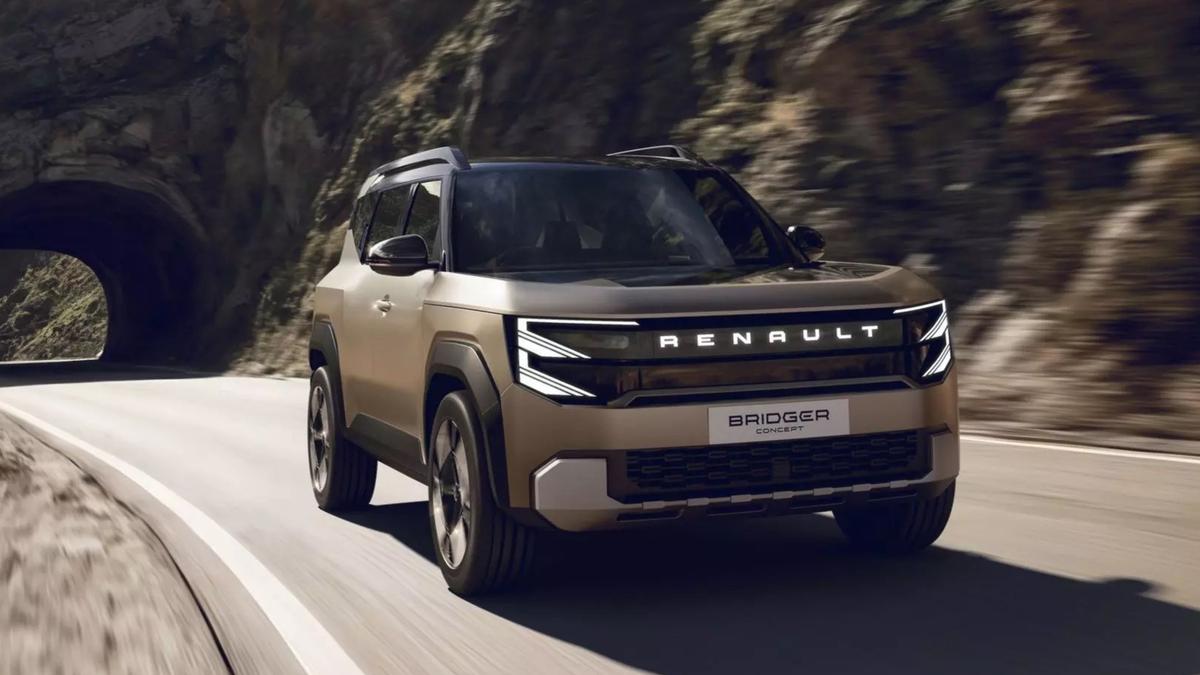
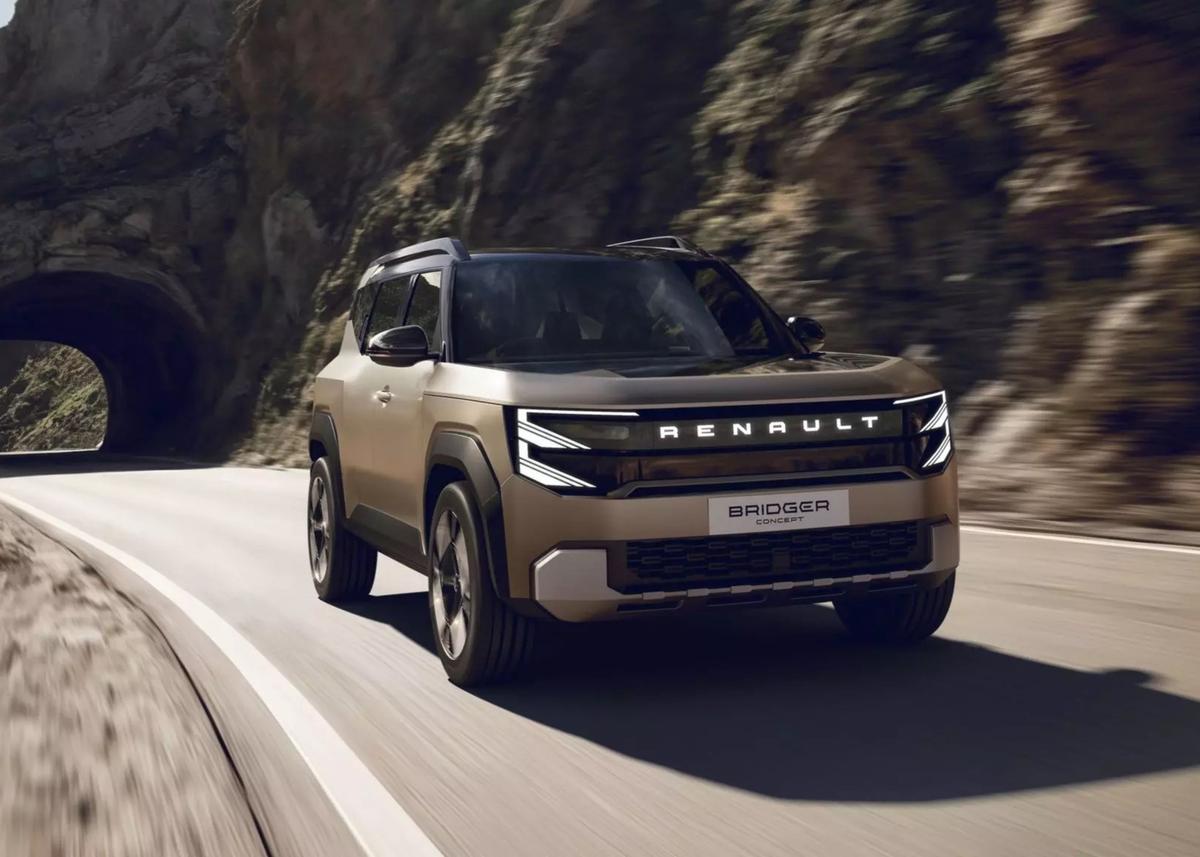
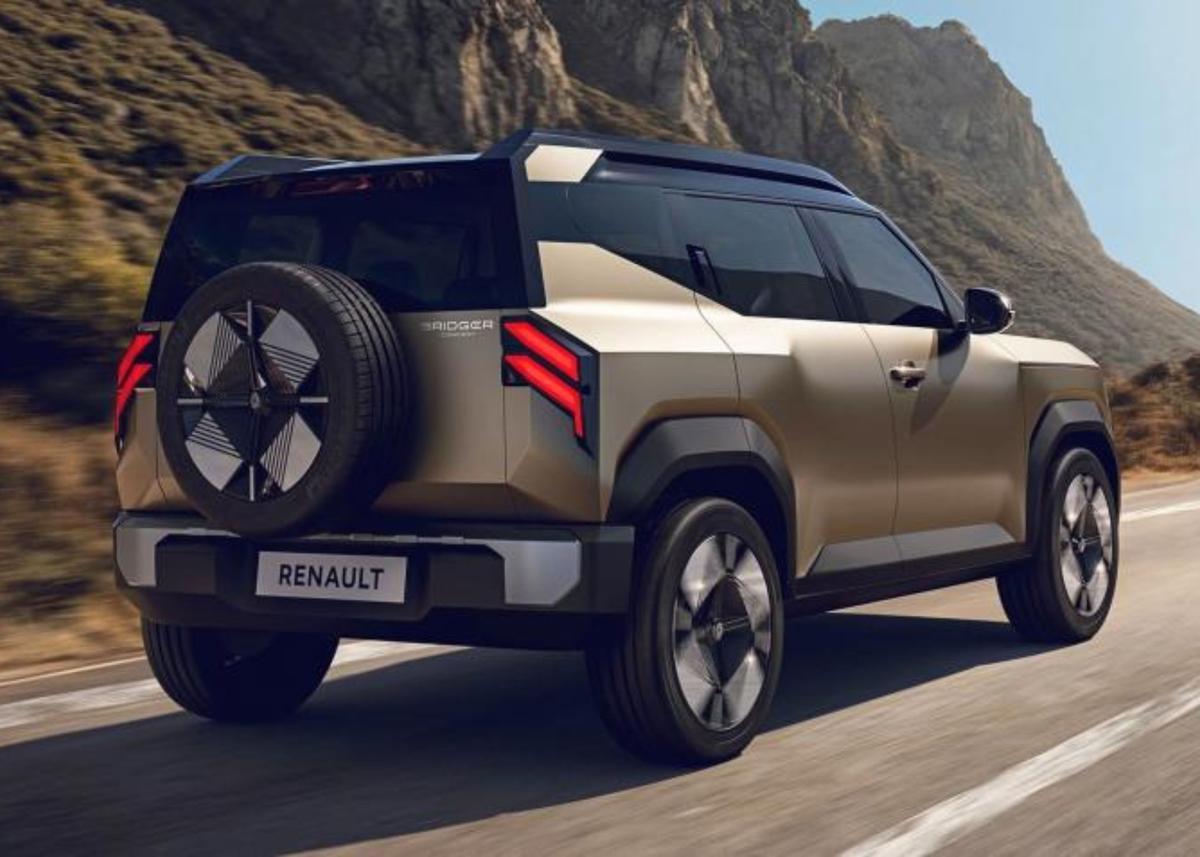
The Renault Bridger Concept is the most tangible evidence of Renault’s future direction. Positioned in the hyper-competitive B-SUV segment, the Bridger is designed specifically for the Indian urban environment. Unlike the oversized, aggressive SUVs that often dominate the segment, the Bridger emphasizes "deliberate packaging." It features an upright nose, squared-off wheel arches, and a rugged, utilitarian aesthetic, yet maintains a tight footprint and controlled overhangs to navigate India’s congested city streets.
However, the Bridger is merely the face of a much deeper industrial shift. Renault’s strategy is now underpinned by two distinct modular platforms:
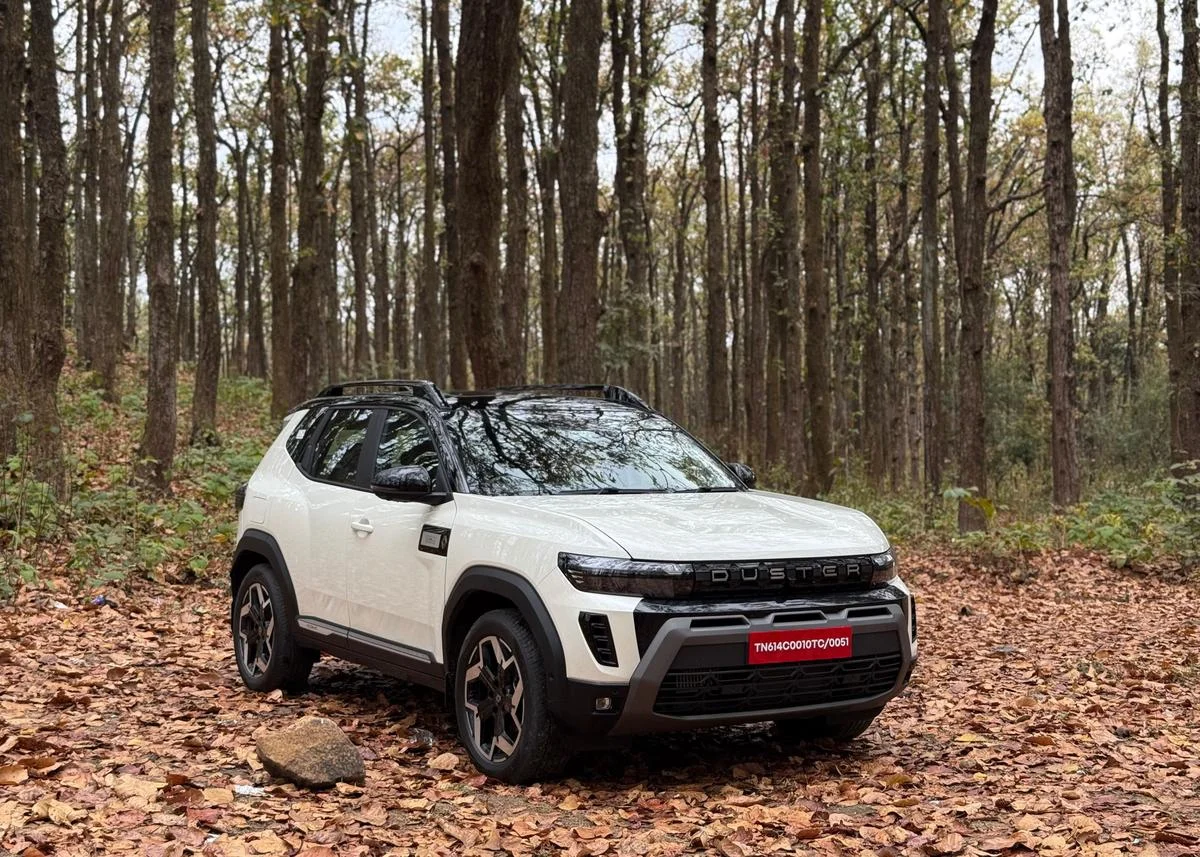
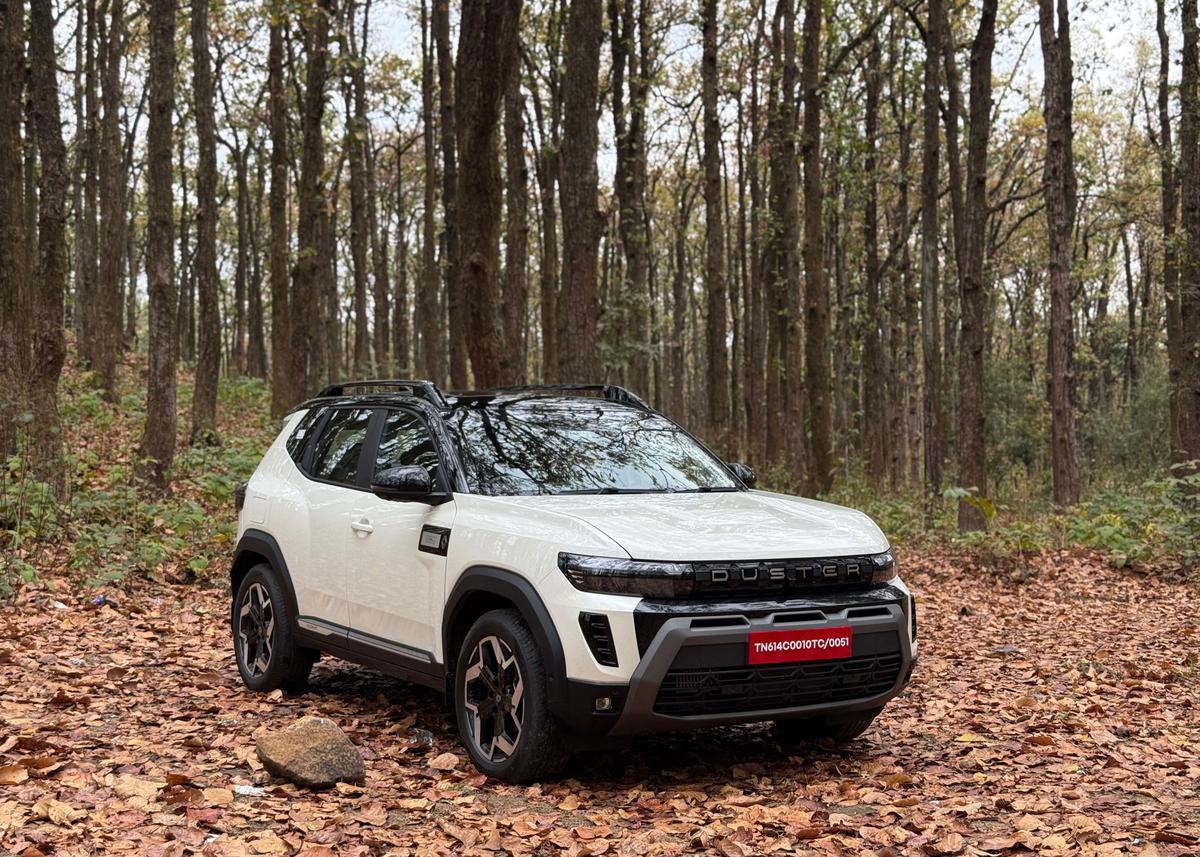
- RGMP (Renault Group Modular Platform): This is the brand’s next-generation "toolkit." It is a highly flexible, multi-energy architecture capable of supporting Internal Combustion Engines (ICE), flex-fuel, strong hybrids, and Battery Electric Vehicles (BEV). The new Renault Duster, recently launched, was the first to utilize this platform, and the production version of the Bridger will be the second.
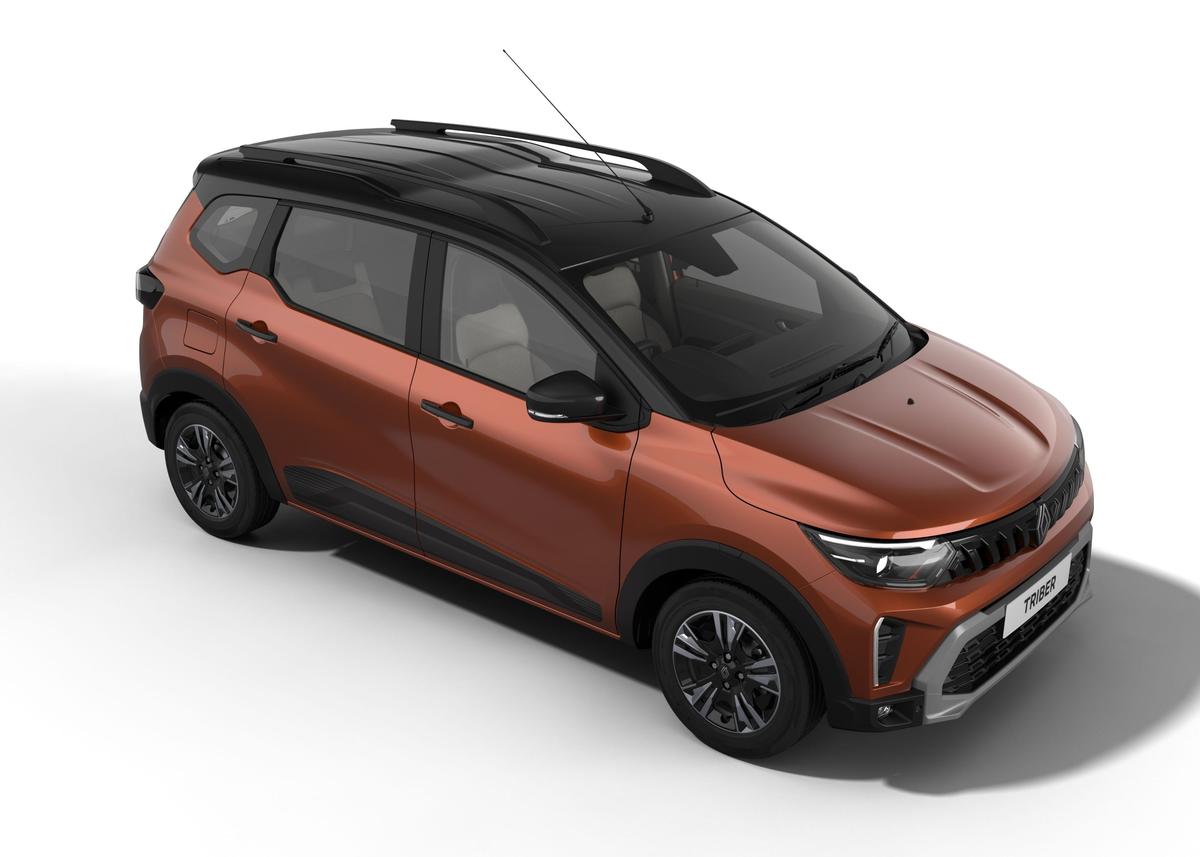
- RGEP (Renault Group Entry Platform): This remains the backbone of Renault’s volume play in India. It currently supports the Kiger and Triber. While it is a cost-optimized architecture, it is being evolved to include alternative fuels like CNG to meet the demand for lower running costs.
Renault has committed to expanding its Indian portfolio to seven models by 2030, marking the most aggressive product renewal cycle in the company’s history in the subcontinent.
2. Chronology: From the Duster Legacy to the 2030 Vision
To understand Renault’s current trajectory, one must look at the timeline of its Indian operations, which have undergone a radical transformation over the last 12 years.
- 2012–2017: The Duster Era. Renault established its brand identity in India with the first-generation Duster, which effectively created the midsize SUV segment. This was followed by the Kwid in 2015, which challenged the entry-level hatchback monopoly with its SUV-inspired styling.
- 2019–2022: Consolidation and the CMF-A+ Phase. Renault pivoted toward the sub-four-meter segment with the Triber (a modular MPV) and the Kiger (a compact SUV). These models were built on the CMF-A+ platform (the precursor to RGEP), focusing on maximizing space and value.
- 2024: The RGMP Transition. The launch of the all-new Renault Duster in 2024 marked the beginning of the "Renaulution" in India. By introducing the RGMP architecture, Renault shifted from being a "budget-focused" brand to a "technology-led" brand.
- The Immediate Future (2025–2026): The festive season of 2025 will see the introduction of the Duster Strong Hybrid. Following this, the production version of the Bridger Concept will debut, filling the gap in the B-SUV segment.
- The 2030 Horizon: By the end of the decade, Renault intends to have seven active models, including multiple EVs and refreshed versions of their current entry-level heroes.
3. Supporting Data: The Engineering Behind the Ambition
The technical shift to RGMP is not merely a marketing talking point; it is a necessity driven by the unique demands of the Indian market. India is one of the few global markets where ICE, hybrid, and electric powertrains are expected to coexist for at least the next decade.
Multi-Energy Flexibility
The RGMP architecture allows Renault to swap powertrains without extensive structural re-engineering. This is critical for maintaining cost-efficiency. In Chennai, engineers demonstrated how the platform’s electronic architecture can handle the complex software integration required for Level 2 ADAS (Advanced Driver Assistance Systems) and sophisticated infotainment systems, which are increasingly becoming "must-haves" for Indian buyers.
The B-SUV Opportunity
The B-SUV segment (sub-compact and compact SUVs) currently accounts for nearly 50 percent of all passenger vehicle sales in India. By positioning the Bridger in the "heart" of this segment, Renault is targeting the largest pool of buyers. The Bridger’s design—rugged yet compact—addresses the "lifestyle narrative" that drives sales in this category, where buyers want the look of an off-roader with the dimensions of a city car.
Strengthening the Core: Kiger and Triber
While the Bridger and Duster grab the headlines, the existing lineup is receiving significant upgrades.
- CNG Integration: With petrol prices remaining high, Renault is readying CNG variants of the Kiger and Triber.
- The Triber Power Boost: Addressing a common consumer critique, Renault has confirmed a more powerful engine option for the Triber (likely the 1.0-liter turbo-petrol), which will enhance its appeal as a full-load 7-seater.
4. Official Responses: A Global Hub in Chennai
Renault’s leadership has made it clear that India is no longer an "isolated" market for the group. It is now a cornerstone of their international development strategy.
Francois Provost, CEO of Renault Group (International Development), emphasized the strategic weight of the region: "India is among our top three global markets. Our goal is for this market to contribute close to 35 percent of our global sales in the near future. To achieve this, we aren’t just selling cars here; we are engineering them here."
Stephane Deblaise, CEO of Renault Group India, pointed to the manufacturing and R&D capabilities in Chennai as a competitive advantage. "With a large engineering base and full control over our manufacturing facility, India is being positioned as a development and export hub. The work being done here on platforms like RGMP will feed into both local products and global programs."
Deblaise noted that the "layered strategy" allows Renault to remain agile. "We can respond to regulatory changes—whether they favor hybrids or full EVs—without the need for the massive capital expenditure that a single-propulsion platform would require."
5. Implications: What This Means for the Indian Market
Renault’s move signals a broader shift in how global manufacturers view India. The "Renaulution" strategy has several far-reaching implications for consumers and the industry:
The End of the "Budget Brand" Stigma
For years, Renault was perceived as a brand that focused on "low-cost" solutions (exemplified by the Kwid). The introduction of the RGMP platform and the Bridger Concept indicates a move toward "value-premium." Renault is now competing on technology, safety, and design rather than just the lowest price point.
Increased Competitive Pressure
The B-SUV segment is currently dominated by the likes of Maruti Suzuki, Hyundai, and Tata Motors. Renault’s entry with a fresh, modular-platform-based SUV like the Bridger will force incumbents to accelerate their own refresh cycles. The inclusion of a strong hybrid option in the Duster—and potentially the Bridger—will also challenge the dominance of Japanese manufacturers in the hybrid space.
India as an Export Powerhouse
By aligning Indian platforms (RGMP) with global standards, Renault can use its Chennai plant to export high-quality vehicles to Latin America, Southeast Asia, and parts of Africa. This scale helps lower the cost of components for Indian consumers through better economies of scale.
Future-Proofing for the EV Transition
The inherent flexibility of the RGMP means that when the Indian market eventually tips toward full electrification, Renault will not be caught off guard. They can transition the Bridger or Duster to a full-electric drivetrain on the same assembly line, providing a safety net against the volatility of EV adoption rates.
Conclusion: A Measured and Robust Path Forward
Renault’s next phase in India is characterized by a "measured" approach. By utilizing a dual-platform strategy, the company is effectively hedging its bets. It is maintaining its volume base with the affordable RGEP platform while simultaneously reaching for higher-margin, technology-conscious buyers with the RGMP architecture.
The Bridger Concept is more than just a preview of a new SUV; it is a symbol of Renault’s maturity in the Indian market. It reflects a brand that has learned from its past successes and failures, resulting in a strategy that is technically robust and perfectly aligned with the realities of a market that demands both scale and adaptability. As Renault aims for that 35 percent global sales contribution, the roads of India will undoubtedly be the ultimate proving ground for the French automaker’s grand ambitions.
Motorscribes, in association with The Hindu, brings you the latest in cars and bikes. Follow them on Instagram @motorscribes
