

The Indian automotive landscape is currently witnessing a paradigm shift. As consumer preferences oscillate between the rugged charm of SUVs and the pragmatic necessity of sustainable mobility, global automakers are forced to recalibrate their long-term visions. For Renault, a brand that once redefined the Indian market with the Duster and the Kwid, the path forward is no longer about chasing isolated successes. Instead, it is about a sophisticated, layered strategy designed to anchor the French manufacturer firmly within the world’s third-largest auto market.
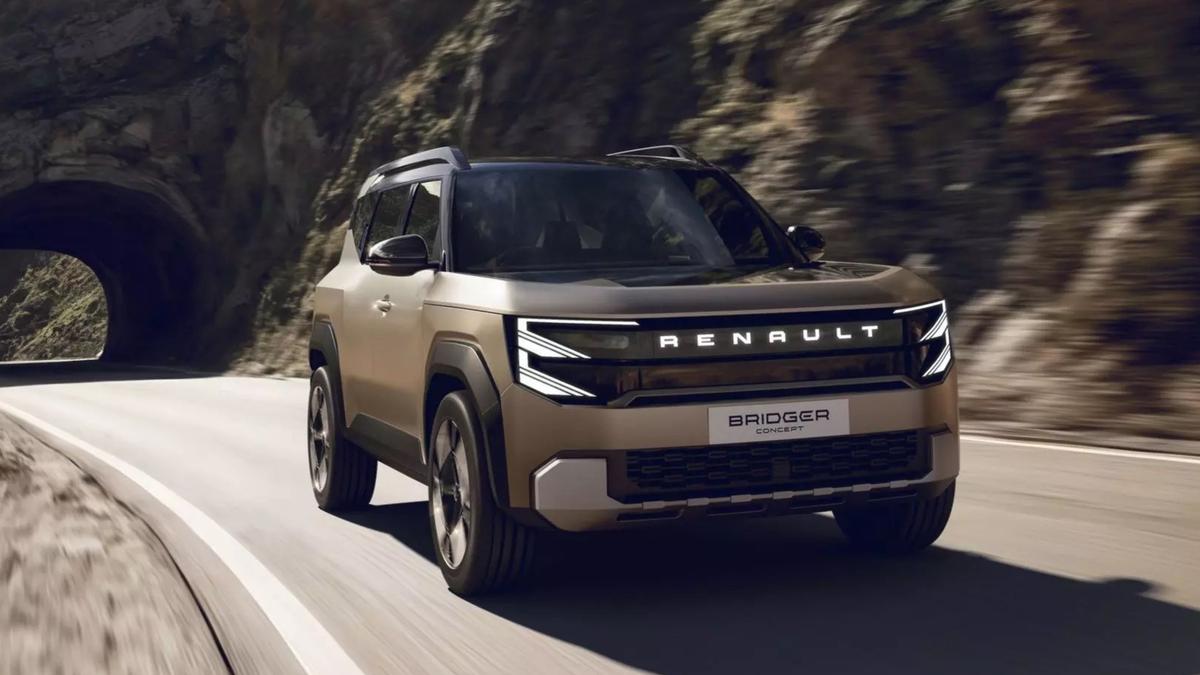
At the heart of this transformation is the Renault Bridger Concept. While technically a design study, the Bridger serves as a manifesto for Renault’s future in India. It represents a pivot toward premiumization, technical flexibility, and a deep-seated commitment to local engineering. This article explores the intricate details of Renault’s dual-platform strategy, its upcoming product offensive, and the economic implications of its "India-first" philosophy.
I. Main Facts: The Pillars of Renault’s Indian Expansion
Renault’s strategy is built upon several foundational pillars that distinguish its current approach from its previous iterations in the subcontinent.
1. The Bridger Concept: A New B-SUV Benchmark
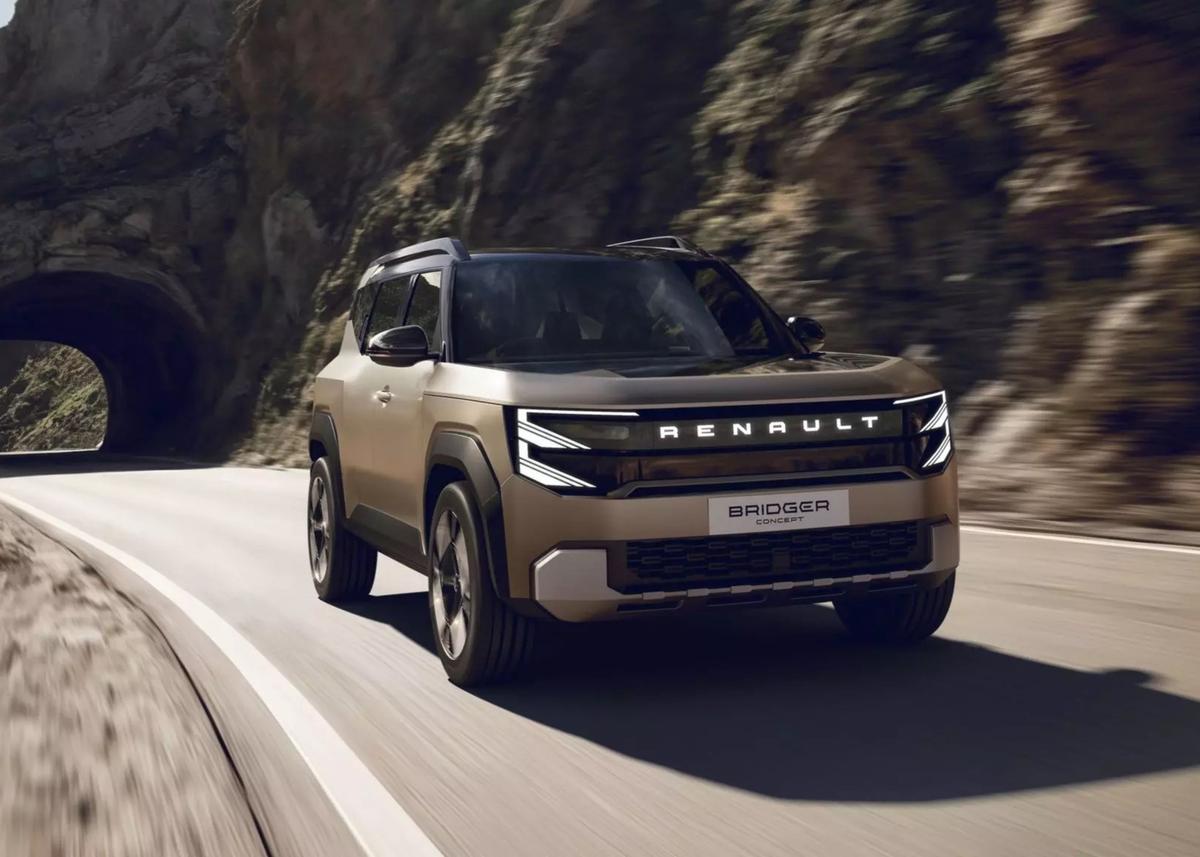
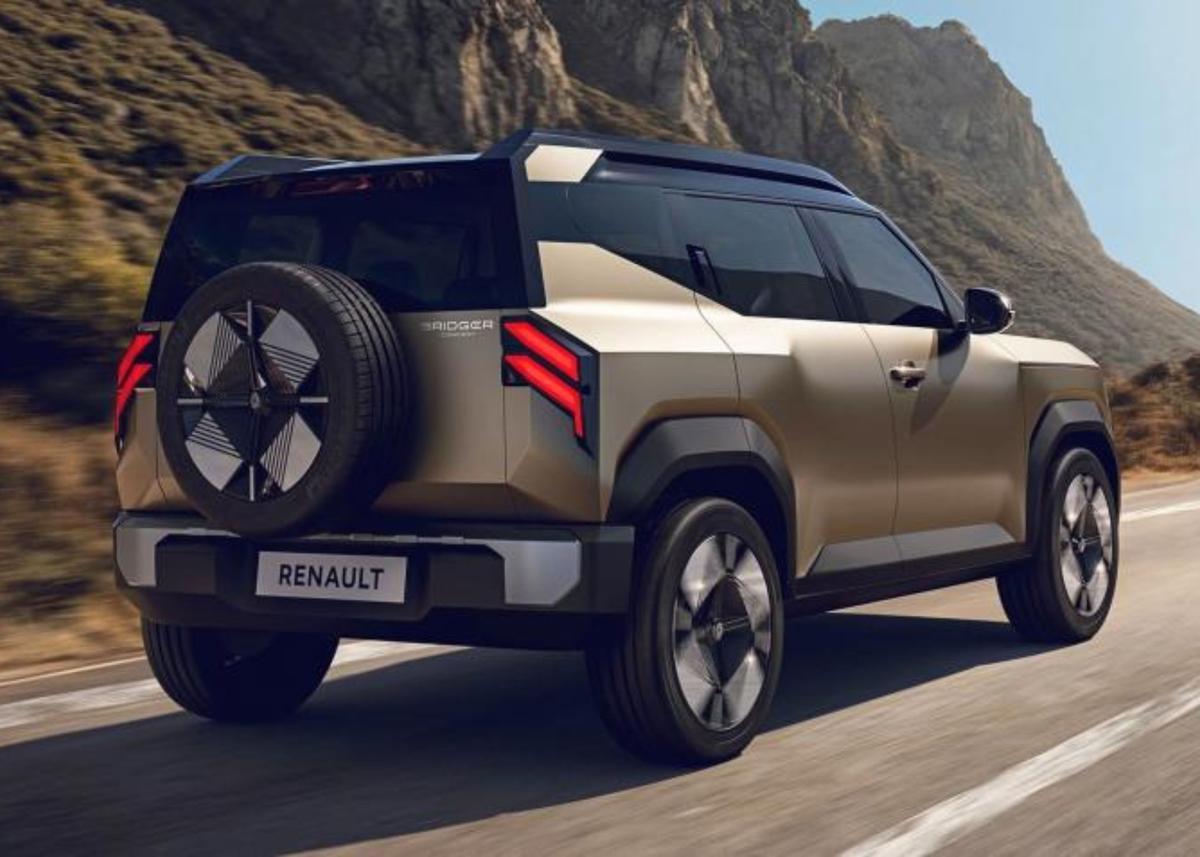
The Bridger Concept is positioned in the hyper-competitive B-SUV segment. Unlike the softer, crossover-like designs seen in the past, the Bridger adopts a "utilitarian-chic" aesthetic. It features an upright nose, squared-off wheel arches, and a stance that suggests off-road capability without compromising urban maneuverability. It is designed to bridge the gap between the entry-level Kiger and the midsize Duster.
2. The Dual-Platform Strategy
Renault has moved away from a "one-size-fits-all" architecture. The brand’s future will be built on two distinct platforms:
- RGMP (Renault Group Modular Platform): A high-tech, global architecture designed for "multi-energy" applications, including Internal Combustion Engines (ICE), hybrids, and Battery Electric Vehicles (EVs).
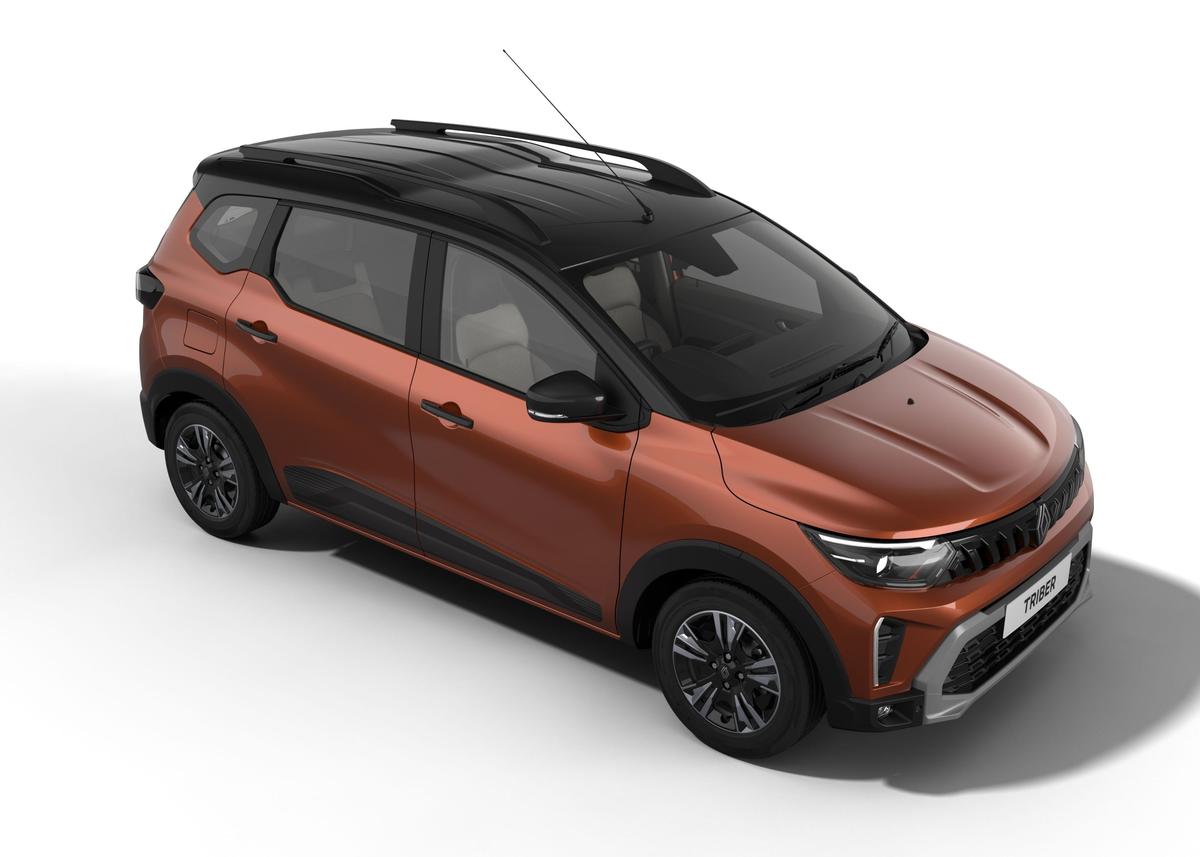
- RGEP (Renault Group Entry Platform): A cost-optimized, evolution of the existing CMF-A+ architecture, focused on affordability and high-volume models like the Triber and Kiger.
3. The "7 Models by 2030" Commitment
Renault Group has officially committed to launching seven new models in India by 2030. This represents the most aggressive product renewal cycle in the company’s Indian history. This lineup will include a mix of completely new nameplates and significant refreshes of existing winners.
4. India as a Global Export Hub
Renault is leveraging its massive engineering and manufacturing base in Chennai to serve as a development center for international markets. The innovations developed for the Indian RGMP will likely find their way into products destined for Latin America, Southeast Asia, and parts of Africa.
II. Chronology: From the Duster’s Return to the 2030 Vision
The timeline of Renault’s "Phase 3" in India reveals a calculated rollout designed to build momentum.
- The Foundation (2023–Early 2024): Renault consolidated its operations in Chennai, focusing on deep localization. The engineering teams began adapting the global CMF-B (renamed RGMP for specific markets) to meet Indian cost and climatic requirements.
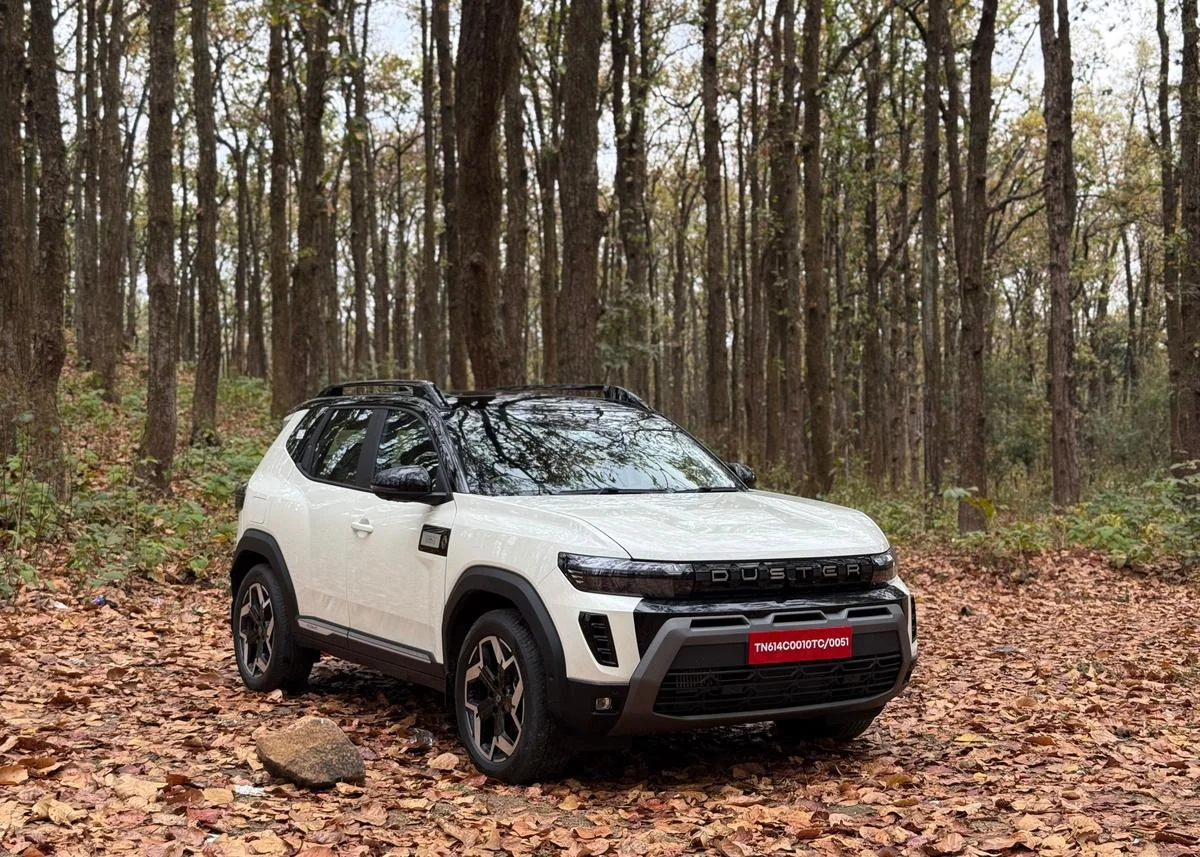
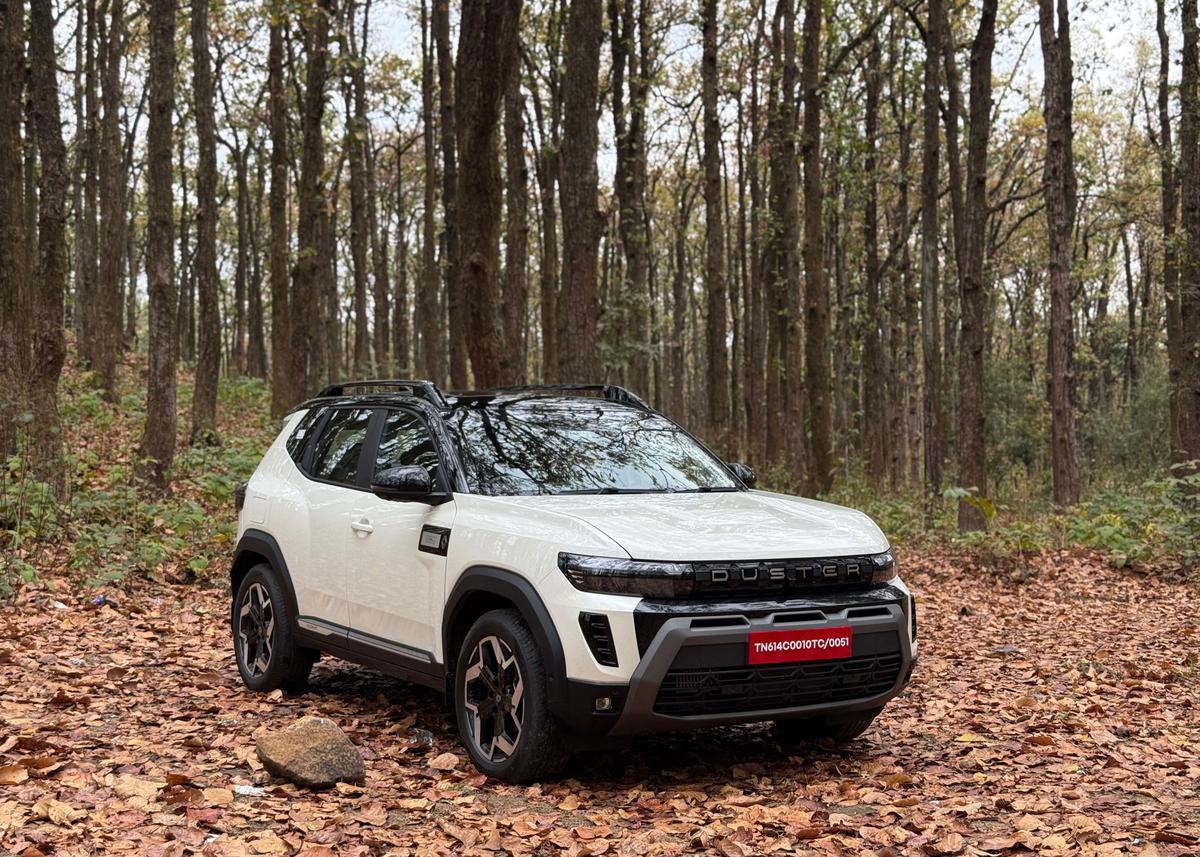
- The Re-Entry (Mid-2024): The launch of the all-new Renault Duster marked the official debut of the RGMP in India. The Duster reintroduced the brand to the midsize SUV space, offering turbo-petrol engines and setting the stage for the platform’s technological prowess.
- The Concept Reveal (Present): The unveiling of the Bridger Concept provides a visual and technical roadmap for the next major launch. It signals that the RGMP is not just for the Duster, but is a scalable tool for various segments.
- The Hybrid Integration (Late 2024 Festive Season): Renault is slated to introduce a "strong hybrid" variant of the Duster. This will be a critical test of the market’s appetite for electrification without the range anxiety of pure EVs.
- The Volume Push (2025–2026): This period will see the introduction of CNG variants for the Kiger and Triber, alongside a more powerful engine update for the Triber to address consumer feedback regarding its highway performance.
- The Full Offensive (2027–2030): The remaining models in the seven-car plan will be rolled out, including the production version of the Bridger and potentially a localized A-segment electric vehicle.
III. Supporting Data: Engineering the RGMP and RGEP
The technical sophistication of Renault’s new platforms provides the data-driven backbone of their market claims.
The RGMP (Renault Group Modular Platform)
The RGMP is a masterpiece of flexibility. In a market like India, where regulatory shifts (such as BS6 Phase 2 and potential future CAFE norms) can happen rapidly, the RGMP provides a safety net.
- Multi-Energy Capability: The platform is designed from the ground up to house fuel tanks for ICE, battery packs for EVs, and the complex wiring required for strong hybrids.
- Advanced E/E Architecture: The RGMP supports sophisticated Electronic/Electrical architectures. This enables modern features like Level 2 ADAS (Advanced Driver Assistance Systems), over-the-air (OTA) updates, and high-definition infotainment systems—features that are becoming "must-haves" for Indian B-SUV and C-SUV buyers.
The RGEP (Renault Group Entry Platform)
While the RGMP targets the tech-savvy middle class, the RGEP ensures Renault remains a volume player.
- Cost Optimization: By evolving the existing platform used for the Kwid and Triber, Renault maintains a competitive edge in pricing.
- Alternative Fuels: The RGEP is being modified to better integrate CNG (Compressed Natural Gas) technology. Given the rising cost of petrol, CNG has seen a massive surge in India, and Renault’s late entry into this space is being corrected with high-integration factory kits.
Market Contribution Goals
Renault has stated that India is now among its top three global markets. The company expects international markets (those outside of Europe) to contribute nearly 35% of its global sales in the near future, with India performing the heavy lifting for this target.
IV. Official Responses: The Leadership’s Vision
During recent engagements at Renault’s Chennai facility, top executives emphasized that the brand is no longer looking for "quick wins" but is instead building a "cohesive ecosystem."
Francois Provost, CEO of Renault Group International Operations, noted that the Indian market requires a unique blend of global technology and local frugality. He highlighted that the dual-platform strategy is the only way to cover the vast price spectrum of the Indian market—from 6 lakh INR to 25 lakh INR—without compromising on the brand’s global quality standards.
Stephane Deblaise, CEO of Renault Group India, focused on the engineering autonomy of the Indian unit. He stated that the Chennai plant is not merely an assembly line but a center of competence. The work being done on "localization" is no longer just about sourcing cheaper parts; it is about re-engineering components to survive the harsh Indian duty cycle while maintaining the driving dynamics Renault is known for.
Deblaise also addressed the long-standing critique of the Triber’s performance, confirming that the company has listened to the customers. The upcoming engine upgrades and the introduction of the RGMP-based vehicles are direct responses to the evolving "aspirational" nature of the Indian car buyer.
V. Implications: What This Means for the Indian Market
Renault’s renewed strategy has far-reaching implications for consumers, competitors, and the broader Indian economy.
1. Intensified Competition in the B-SUV Segment
The production version of the Bridger will enter a segment currently dominated by the Maruti Suzuki Brezza, Tata Nexon, and Hyundai Venue. By utilizing the RGMP, Renault can offer a level of "European" driving dynamics and safety tech that might give it an edge over its more established rivals.
2. The Democratization of Hybrid Technology
If Renault succeeds with the Duster Strong Hybrid, it could break the duopoly currently held by Toyota and Maruti Suzuki in the midsize hybrid space. Increased competition usually leads to better pricing, making fuel-efficient hybrid technology accessible to a wider demographic.
3. Strengthening the "Make in India" Narrative
Renault’s commitment to using India as a development hub for the RGMP platform reinforces the country’s position as a global automotive engineering powerhouse. This leads to job creation in high-end R&D and ensures that the local supply chain is elevated to meet global standards.
4. A Balanced Transition to Electrification
By not rushing into a "pure EV" strategy, Renault is acknowledging the reality of India’s infrastructure. The multi-energy RGMP allows the brand to pivot to EVs when the market is ready, while still offering highly efficient ICE and hybrid options in the interim. This "measured" approach reduces the risk of stranded assets and ensures long-term business viability.
Conclusion
The Renault Bridger Concept is more than just a car; it is a symbol of a brand that has matured. Renault’s "Phase 3" in India is a masterclass in strategic depth—balancing the affordability of the RGEP with the futuristic flexibility of the RGMP. As the company marches toward its 2030 goal of seven models, it is clear that Renault is no longer just a participant in the Indian market; it is aiming to be a trendsetter. The road to 35% global sales contribution starts in Chennai, and if the Bridger and Duster are any indication, the journey ahead looks robustly engineered and expertly timed.
