Bengaluru, India – October 14, 2026 – In a groundbreaking proposal aimed at eradicating the pervasive menace of examination paper leaks, Nandan Nilekani, the visionary co-founder of Infosys and a leading figure in India’s digital revolution, has put forth a radical solution: leveraging Artificial Intelligence (AI) to generate question papers at the eleventh hour. This innovative approach, coupled with a strong advocacy for a nationwide shift to computer-based testing (CBT), could fundamentally reshape India’s examination landscape, addressing a critical vulnerability that has long plagued the education sector.
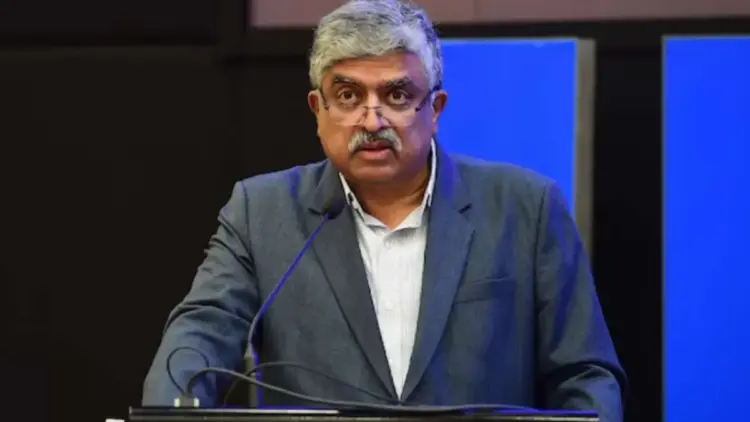
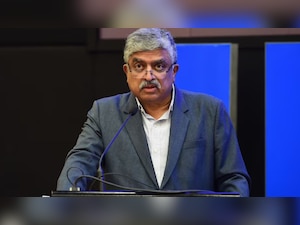
Nilekani, who heads a six-member government task force on exam reforms, articulated this forward-thinking strategy at the prestigious Bloomberg New Economy Forum 2026. His remarks underscored a growing recognition that traditional methods of paper dissemination are inherently susceptible to malfeasance, creating lucrative black markets for leaked examination content and undermining the meritocratic principles of education. The sheer scale of recent paper leak incidents, impacting millions of aspiring students across various competitive examinations, has amplified the urgency for a paradigm shift.
The AI-Powered Paper: A Last-Minute Defense Against Leaks
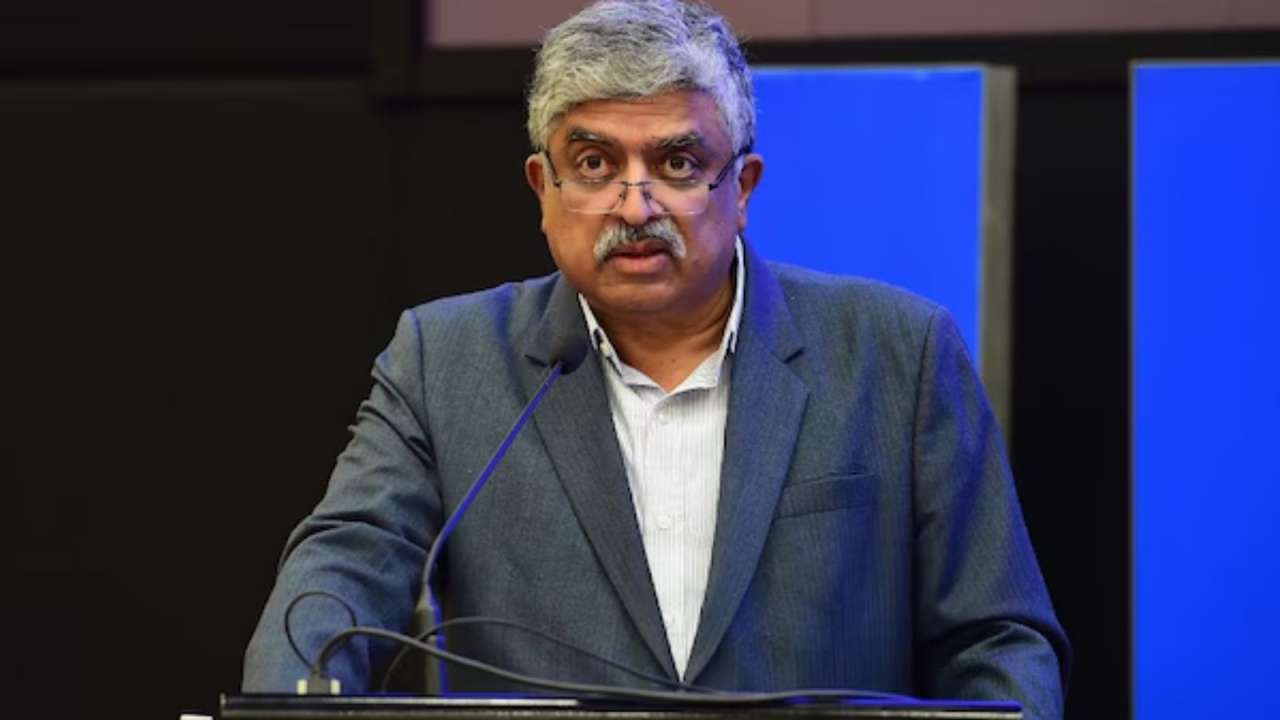
The core of Nilekani’s proposition lies in dismantling the very concept of a "predetermined question paper." He articulated this during his address, stating, "Why do we need to have something called ‘a question paper’? Because that creates an economic incentive for it to be sold. One way to look at how to solve it is to have a massive bank of questions, and only at the last minute generate the question paper for the day."
This strategy envisions a vast, meticulously curated repository of questions, covering every conceivable topic and difficulty level relevant to a particular examination. Upon demand, AI algorithms would then dynamically assemble unique question papers for each examination session, thereby eliminating the window of opportunity for leaks. The rationale is simple yet profound: if the paper does not exist in a fixed format until moments before the exam begins, there is no tangible asset to steal and sell.
While Nilekani acknowledged that the effectiveness of this model hinges on the integrity of the question bank itself, the focus remains on shifting the vulnerability point. Instead of guarding a single, static document, the challenge becomes securing a dynamic and enormous database. The implication is that the traditional, often paper-based, logistical challenges of distributing sensitive examination materials would be significantly mitigated.
The Imperative of Computer-Based Testing (CBT)
Crucially, Nilekani emphasized that this AI-driven approach to paper generation is inextricably linked to a comprehensive transition towards computer-based testing (CBT) for all major examinations. He revealed that the task force is actively exploring the widespread implementation of CBT, stating, "The committee is looking at how to make sure all exams are done on CBT. That requires a network of locations. We have 1,50,000 locations where young candidates can take a test and that needs to be expanded."

The advantages of CBT extend beyond facilitating AI-generated papers. It offers inherent benefits in terms of standardization, automated scoring, faster result dissemination, and reduced environmental impact compared to paper-based examinations. Furthermore, CBT can incorporate advanced security features, such as randomizing question order, biometric authentication, and proctoring software, to further enhance exam integrity.
However, the successful nationwide adoption of CBT presents its own set of formidable challenges. The primary concern revolves around the digital divide that persists across India, particularly between urban and rural areas. Many regions still grapple with unreliable internet connectivity and a scarcity of digital infrastructure, potentially excluding a significant portion of the student population from participating in computer-based assessments. Nilekani’s proposal, while visionary, does not explicitly detail the mechanisms for bridging this digital chasm.

Addressing the Digital Divide and Infrastructure Needs
The National Testing Agency (NTA), the apex body responsible for conducting various entrance and recruitment examinations, is reportedly collaborating with the All India Council for Technical Education (AICTE) to identify suitable IT infrastructure and government institutions for establishing standardized testing centers. This strategic move aims to leverage existing government facilities and avoid reliance on private centers, which have sometimes been implicated in integrity concerns.
The sheer scale of expanding testing infrastructure to accommodate a nationwide shift to CBT is immense. India’s vast geography and diverse socio-economic landscape necessitate a robust and equitable deployment of resources. Ensuring that every eligible student, regardless of their geographical location or economic background, has access to a secure and reliable testing environment will be paramount to the success of this ambitious reform.

The Genesis of the Task Force: A Response to Mounting Pressure
The establishment of the six-member task force on exam reforms, led by Nandan Nilekani, was a direct consequence of the escalating crisis of paper leaks. The resignation of Education Minister Dharmendra Pradhan in July, amid widespread protests and public outcry over repeated leaks, underscored the gravity of the situation. The government’s swift action to form this high-level committee signaled its commitment to finding lasting solutions.
The task force has been mandated to submit its report within three months. In its short tenure, it has already undertaken extensive consultations, conducting 18 internal meetings and engaging with over 40 stakeholders. This includes valuable input from students, parents, and various examination bodies such as the National Recruitment Agency (NRA), the Staff Selection Commission (SSC), and the Railway Recruitment Boards (RRB). The collection of over 50,000 suggestions highlights the depth of engagement and the widespread desire for reform.

Supporting Data and the Scale of the Problem
The prevalence of paper leaks in India is not a new phenomenon, but recent years have witnessed a disturbing surge in the frequency and impact of such incidents. These leaks have not only compromised the fairness of examinations but have also led to significant financial losses, immense psychological distress for students, and a erosion of public trust in the examination system.
For instance, the NEET (National Eligibility cum Entrance Test) UG 2026 examination, a critical gateway for medical aspirants, was marred by allegations of paper leaks, leading to widespread student protests and demands for re-examination. Similarly, recruitment examinations conducted by the SSC and other agencies have frequently been targeted by leak syndicates, leaving thousands of genuine candidates disheartened.

The economic incentive for paper leaks is substantial. Reports suggest that leaked question papers can fetch exorbitant sums in the black market, indicating a well-organized criminal network operating behind these breaches. The task force’s focus on eliminating this economic incentive by making the "product" (the question paper) unavailable until the last minute is a strategic masterstroke.
Official Responses and the Path Forward
While Nilekani’s proposal has been met with considerable optimism and interest, it is crucial to acknowledge that this is still a conceptual framework. The detailed implementation plan, including the technological architecture for AI-driven paper generation, the robust cybersecurity measures required for the question bank, and the comprehensive strategy for expanding CBT infrastructure, will need to be meticulously developed.

The government’s proactive stance in forming the task force and its willingness to explore such innovative solutions are encouraging signs. The involvement of seasoned technocrats like Nilekani and former ISRO chief S. Somanath, along with former IB director Tapan Deka, lends significant credibility and expertise to the reform process.
Implications and Future Outlook
The successful implementation of Nilekani’s vision could have far-reaching implications for India’s education system.

- Enhanced Fairness and Equity: By mitigating paper leaks, the reforms would ensure a more level playing field for all aspirants, rewarding merit and hard work rather than access to leaked materials.
- Increased Efficiency and Transparency: CBT, coupled with AI-generated papers, can streamline the entire examination process, from administration to result declaration, fostering greater transparency.
- Global Best Practices: India would position itself as a leader in leveraging cutting-edge technology for educational assessment, potentially influencing global trends.
- Reduced Corruption: A more robust and leak-proof examination system would contribute to a broader fight against corruption within public institutions.
However, the challenges are not insignificant. The technical feasibility of generating millions of unique, high-quality question papers in real-time, ensuring their validity and appropriateness, and maintaining the absolute security of the underlying AI models and question banks will require substantial investment and rigorous testing. Furthermore, addressing the digital divide and ensuring inclusive access to CBT will be a monumental undertaking.
As the task force continues its deliberations, the nation watches with bated breath. Nandan Nilekani’s audacious proposal represents a significant step towards reimagining exam integrity in the digital age. If executed effectively, it could usher in an era of fairer, more transparent, and more secure examinations, ultimately strengthening the foundation of India’s educational future. The journey from concept to nationwide implementation will undoubtedly be complex, but the potential rewards—a meritocratic system free from the scourge of leaks—make it a pursuit of paramount importance.