

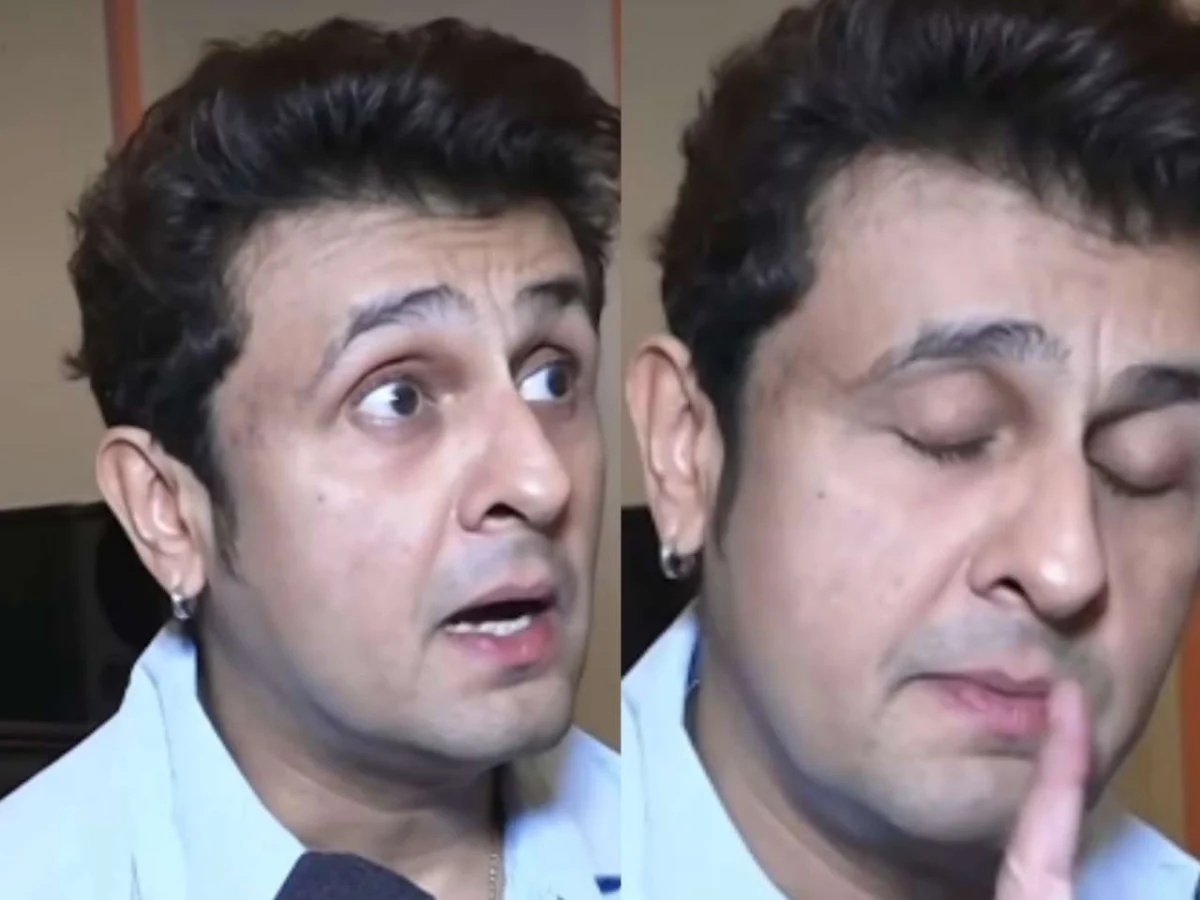
Mumbai, India – Renowned playback singer Sonu Nigam has finally addressed the widespread criticism he faced for his apparent silence on the contentious NEET (National Eligibility cum Entrance Test) student protests earlier this year. In a recent candid interview, Nigam explained his decision to refrain from commenting on the issue, citing the specific context of the event where he was questioned and his personal principles regarding commenting on matters outside his expertise. The singer also asserted that he has a history of taking public stands on various issues and that it is now time for others to step forward.
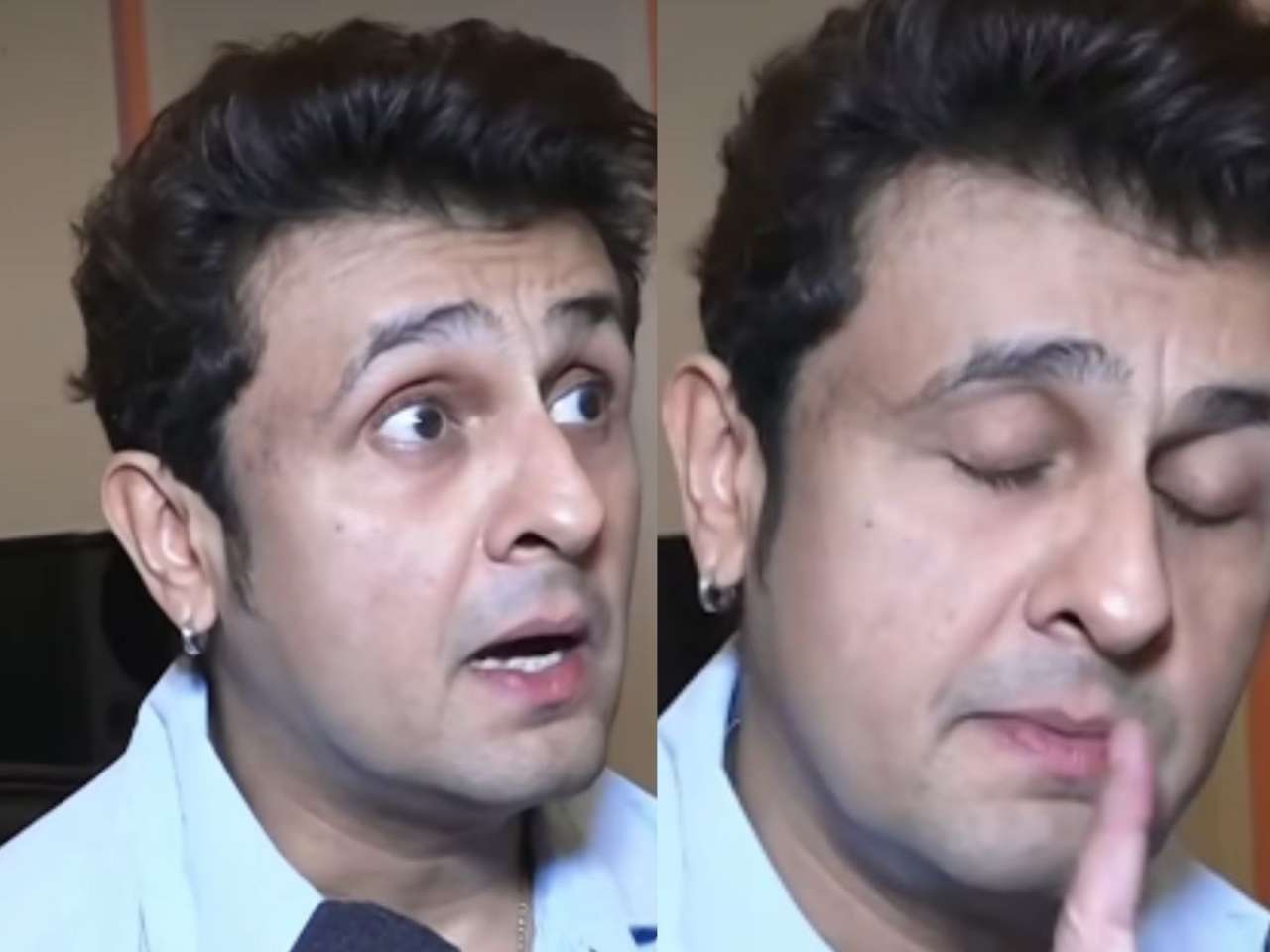
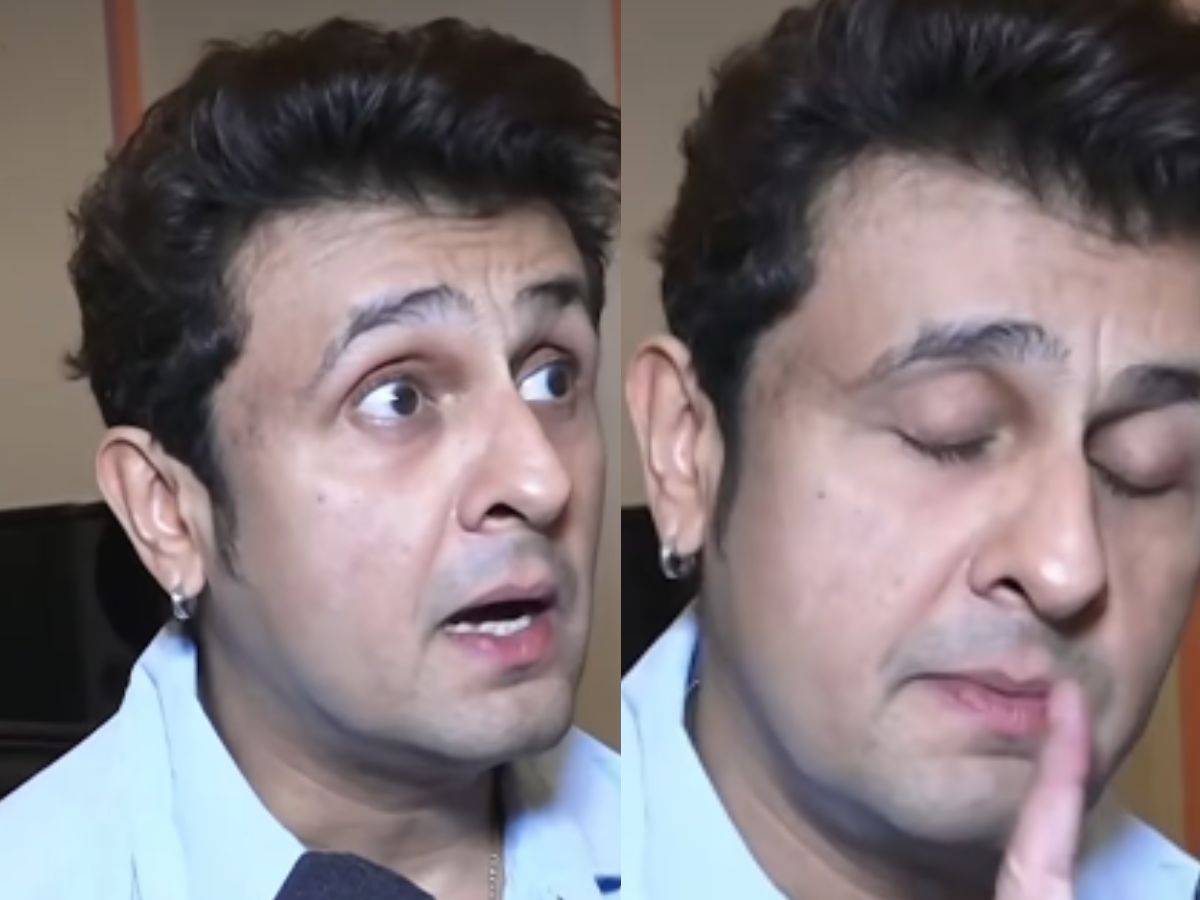
The controversy erupted in July when a video of Nigam at a press conference went viral. Faced with questions about the ongoing NEET protests, the singer, visibly irked, responded with a curt "Abhi ho gaya bas" (It’s enough for now), before turning away. This reaction drew sharp criticism from many social media users, who accused him and other celebrities of indifference to the plight of students facing alleged irregularities in the highly competitive medical entrance examination.
)
However, in an interview with the Bombay Times, Nigam elaborated on his stance, emphasizing the importance of context and appropriate timing in public discourse. He stated that the event in question was a tribute to the legendary Ghazal singer Pankaj Udhas, a figure he deeply respects and considers his guru.

The Context of the Tribute: Respecting the Agenda
"Every communication has its own time and place," Nigam explained. "After living in Mumbai for thirty years, I’ve learned one fundamental news conference etiquette. Always follow the event’s agenda and avoid letting the conversation stray into unrelated topics."
)
He articulated that attending a tribute event for his guru and then diverting the conversation to a sensitive and complex issue like the NEET protests would have been disrespectful. "Discussing politics when you have come to talk about your tribute to your guru Pankaj Udhas is disrespectful in my eyes," he stated firmly. This underscores a belief in maintaining the sanctity and purpose of specific gatherings, especially those dedicated to honouring esteemed individuals.
)
Furthermore, Nigam revealed a personal commitment that guides his public statements: "I have also promised my father that I will not comment on anything that I’m not knowledgeable about." This declaration highlights a dedication to intellectual honesty and a reluctance to offer opinions on subjects where he lacks sufficient understanding or expertise. In an era where social media often incentivizes immediate reactions, Nigam’s approach emphasizes a more considered and informed engagement with public issues.
)
"I Have Taken Enough Stands": A Legacy of Advocacy
When pressed further about his perceived silence on critical issues, Nigam articulated a sense of having already contributed significantly to public discourse and systemic change. He stated, "I don’t have to respond to every public problem because I have previously discussed them."
)
He elaborated on his past involvements, noting, "My phone is not equipped with social media. Apart from that, I have taken enough stances in my life and have contributed to numerous systemic improvements. I have spoken out on my own about anything from loudspeakers in places of worship to performers’ rights to royalties." This statement points to a proactive history of advocating for various causes, ranging from religious freedom and noise pollution regulations to the rights and economic well-being of artists and creators.
)
Nigam’s reference to "loudspeakers in places of worship" likely alludes to his public statements concerning the use of loudspeakers during Azaan, a topic that generated considerable debate. His mention of "performers’ rights to royalties" suggests his involvement in advocating for better compensation and intellectual property protection for musicians and artists in the industry. These examples demonstrate a willingness to engage with complex and often controversial societal issues.
)
The singer’s subsequent remark, "Now let others take a brave stance and see what changes they can bring about," can be interpreted as a call to action for the next generation of public figures and citizens. It suggests a belief that continuous advocacy requires a collective effort and a willingness for diverse voices to emerge and champion causes.
)
Public Reaction: A Divided Opinion
The initial viral video of Sonu Nigam’s refusal to comment on the NEET protests ignited a polarized response online. A segment of social media users expressed disappointment and anger, labeling him as "shameless" and accusing celebrities of prioritizing their own interests over student welfare. These critics argued that individuals with a significant public platform have a moral obligation to speak out on issues that affect a large section of the population, particularly young students facing potential injustices.
)
Conversely, a significant portion of the public also came to Nigam’s defense. Supporters argued that public figures should not be coerced into making statements on every sensitive subject, especially if they are not well-informed or if the context is inappropriate. They emphasized that forcing a comment in such situations could lead to ill-considered remarks that might do more harm than good. This perspective aligns with Nigam’s own stated principle of only commenting on issues he understands.
)
The debate surrounding Nigam’s silence and his subsequent explanation highlights a broader societal discussion about the role of celebrities and public figures in activism and advocacy. It raises questions about the extent of their responsibilities, the appropriate avenues for their engagement, and the impact of their voices on public opinion and policy.
)
The NEET Protests: A Complex Backdrop
The NEET exams, a crucial gateway to medical education in India, have been a recurring subject of controversy. In the period leading up to and following the July incident, students and parents raised serious concerns about alleged irregularities, including alleged paper leaks, issues with the grading system, and demands for re-examination. The protests gained significant traction across social media platforms and in various cities, bringing the issue to the forefront of national discourse.
)
The intensity of the protests underscored the high stakes involved for students aspiring to pursue careers in medicine. The perceived lack of transparency and fairness in the examination process led to widespread anxiety and a feeling of injustice among many aspirants. This context is crucial for understanding the public’s expectation that prominent figures, including celebrities, would lend their voices to support the students’ cause.
)
Broader Implications: The Celebrity Voice in Public Discourse
Sonu Nigam’s experience and his subsequent explanation offer a valuable case study in the complexities of celebrity engagement with socio-political issues. His emphasis on context, personal knowledge, and a history of advocacy provides a nuanced perspective that challenges simplistic notions of what it means for a public figure to "take a stand."
)
His statement, "Now let others take a brave stance," also serves as a subtle reminder that the responsibility for driving change does not solely rest on the shoulders of a few well-known individuals. It implies a belief in the power of collective action and the importance of empowering ordinary citizens to voice their concerns and contribute to societal progress.
)
In an era of instant communication and pervasive social media, the pressure on public figures to react to every trending issue is immense. Sonu Nigam’s approach, while met with initial criticism, ultimately champions a more thoughtful and principled engagement. It suggests that true impact comes not from a constant barrage of pronouncements, but from considered interventions on matters one is knowledgeable about and for which one feels a genuine responsibility. As the debate continues, Nigam’s words invite a deeper reflection on the art of speaking out, the importance of timing, and the enduring power of informed advocacy.
