

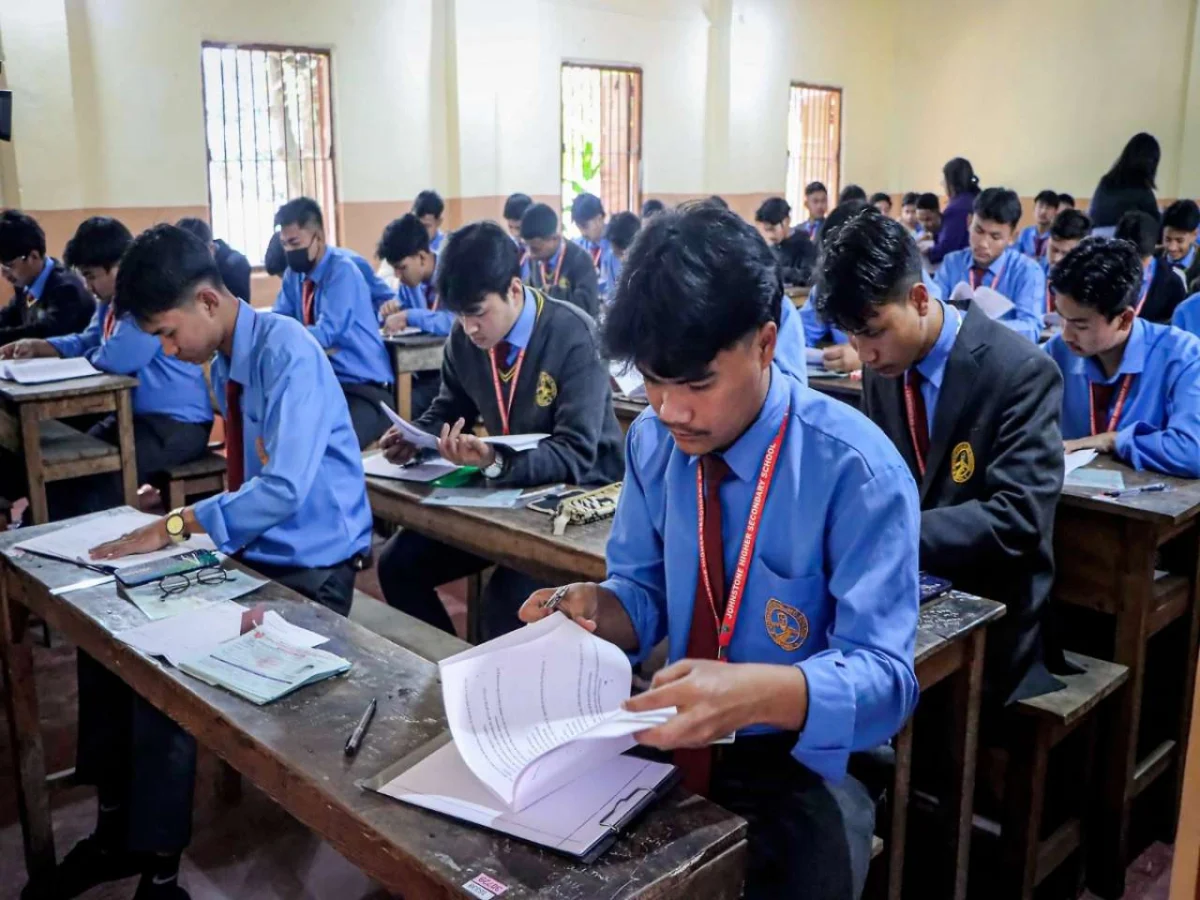
New Delhi: The Supreme Court has voiced significant concerns regarding the Central Board of Secondary Education’s (CBSE) proposal to introduce a third language in Class 9, deeming the timing potentially burdensome for students already facing academic pressure. Justice B.V. Nagarathna, a key member of the bench, strongly advocated for introducing the third language at an earlier stage, suggesting Class 6 as a more appropriate entry point. This judicial intervention comes amidst ongoing legal challenges concerning the implementation of the three-language policy, particularly in the context of Jawahar Navodaya Vidyalayas (JNVs).
The Core of the Contention: Burden or Benefit?
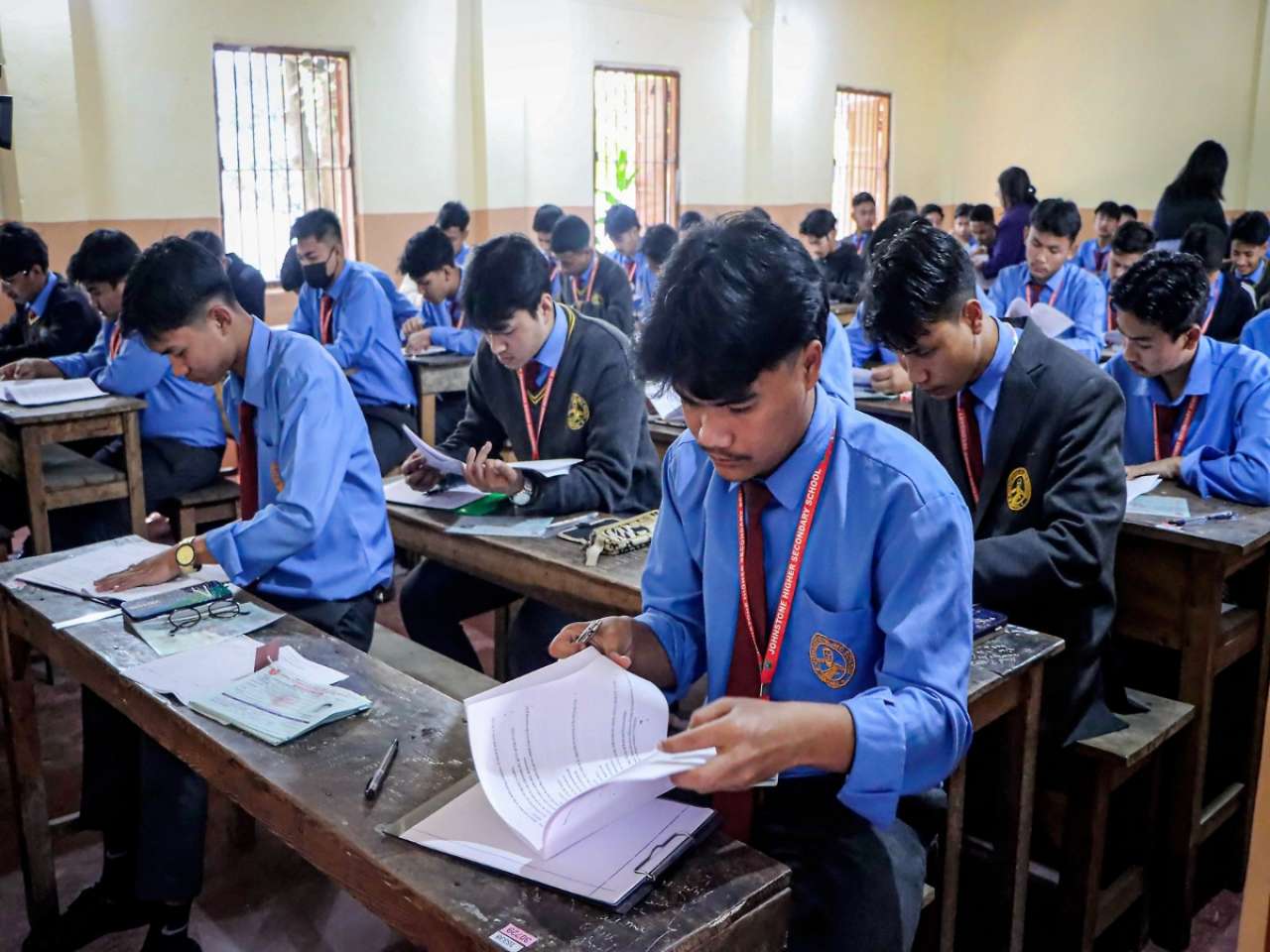
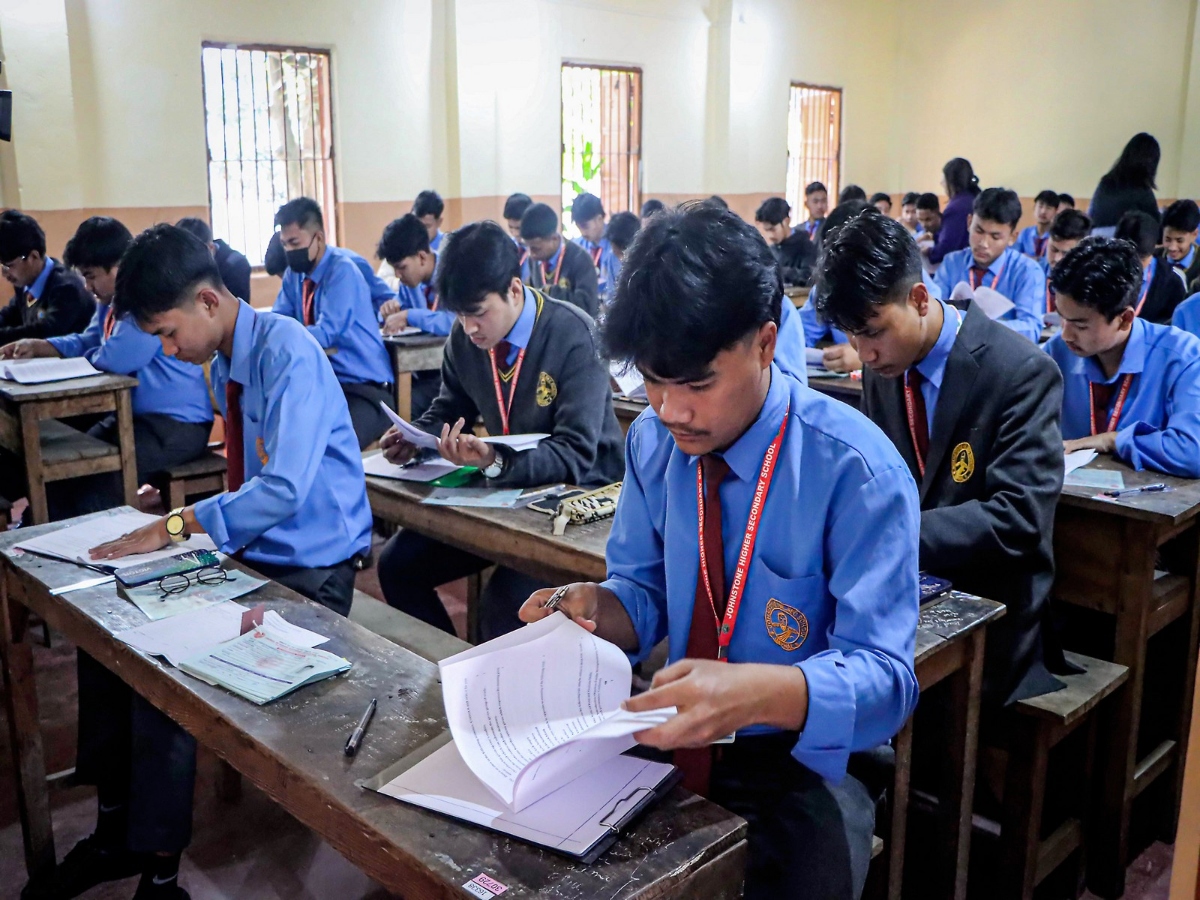
The Supreme Court’s scrutiny of the CBSE’s Class 9 third language policy centres on the perceived academic strain it could place on students. Justice Nagarathna articulated this concern forcefully, stating, "Ninth standard is stressful. Why do you introduce a new language in 9th? You introduce it in 6th." She highlighted that Class 10 marks a critical juncture for students due to board examinations, and introducing a new, potentially challenging subject in the preceding year could exacerbate an already demanding academic environment.
)
The court’s questioning implies a belief that the current policy might not adequately consider the developmental and academic trajectory of students. The transition to higher secondary education often involves increased syllabus complexity and the pressure of standardized tests. Adding a completely new linguistic discipline at this stage, without prior exposure, could indeed prove to be an undue burden.

A Judicial Call for Proactive Education Policy
Justice Nagarathna’s suggestion to introduce the third language from Class 6 underscores a pedagogical philosophy that favours early exposure and gradual integration of new subjects. Her personal recollections of her own schooling in the 1970s serve as a poignant example. She recalled that in her time, students were introduced to concepts for Class 10 examinations as early as Class 8, a testament to the preparedness and phased learning approach prevalent then. "In our day, students were introduced to Class 10 concepts as early as Class 8 in preparation for board examinations. Given that level of preparation, what about students today? A new language should not be started in Class 9. It should begin in Class 6… I am recalling my experience from 1976," she stated, drawing a parallel between past educational practices and the current situation.
)
This historical perspective suggests that educational policies should be designed to build a strong foundation and allow for a progressive assimilation of knowledge. Introducing a new language in Class 6 would provide students with a substantial period of learning and practice before they face the rigours of Class 10 board exams. This would allow them to develop proficiency, understand the nuances of the language, and integrate it into their academic repertoire without the immediate pressure of high-stakes assessments.
)
The court’s directive to the Union government to reconsider the timing of this policy signals a desire for more student-centric educational planning. It suggests a proactive approach where the potential impact on students’ mental and academic well-being is a primary consideration.
)
The Three-Language Formula and its Complexities
The apex court’s intervention is intertwined with the broader debate surrounding the three-language formula, a policy that aims to promote multilingualism in India. This formula typically advocates for the study of three languages in Hindi-speaking states (Hindi, English, and a regional language), and in non-Hindi-speaking states (English, Hindi, and a regional language).
)
The current case specifically involves the implementation of this formula within Jawahar Navodaya Vidyalayas (JNVs). JNVs, established by the government to provide quality education to talented rural children, are known for their residential nature and adherence to the three-language policy. Tamil Nadu’s opposition to the establishment of JNVs in all its districts stems, in part, from its reservations about the three-language policy as implemented by these institutions.
)
The Supreme Court’s observation that "talks on setting up Jawahar Navodaya Vidyalayas in the state are ongoing" indicates that the issue is still under negotiation between the state and the central government. The bench advised Tamil Nadu against adopting an adversarial stance solely because the policy originated from the Union government. "You may have your education system, but don’t prevent the central government schools…. Don’t have this attitude that it is the Union government, so why should we accept it," the Bench observed. This advice emphasizes the need for constructive dialogue and collaboration between the state and central governments on educational matters, rather than outright rejection based on political or regional considerations.
)
The court’s stance suggests that the merits of the policy itself, and its potential benefits for students, should be the primary focus of discussion, rather than the source of its origin. The ongoing dialogue on JNVs signifies that a resolution, potentially involving accommodations or clarifications regarding the three-language policy, might be on the horizon.
)
Historical Context and Judicial Precedent
Justice Nagarathna’s personal anecdote is not merely an illustration; it reflects a broader understanding of educational transitions and the importance of adequate preparation. Her mention of choosing between Kannada, Hindi, or Sanskrit as a third language, depending on the second language studied, also points to the flexibility that can be incorporated into language education. This suggests that the introduction of a third language doesn’t have to be a rigid, one-size-fits-all approach.
)
The Supreme Court’s engagement with the CBSE’s policy on language education is not an isolated incident. The judiciary has often played a role in shaping educational policies, ensuring they align with constitutional principles of equality and access, and that they are implemented in a manner that benefits students. The current proceedings are also hearing several petitions challenging the implementation of the three-language policy in CBSE schools more broadly, indicating a wider unease or debate surrounding its application.
)
Supporting Data and the Rationale for Early Introduction
While the article does not provide explicit statistical data on student performance or stress levels related to language learning, the reasoning behind the court’s stance can be supported by general pedagogical principles and research on language acquisition.
)
- Cognitive Development: Younger children generally exhibit a higher capacity for natural language acquisition. Their brains are more malleable and receptive to new linguistic patterns and sounds. Introducing a language in Class 6 allows for a longer period of immersion and practice, leading to greater fluency and a deeper understanding of the language’s structure and cultural context.
- Reduced Cognitive Load: As students progress through their academic careers, the cognitive load increases significantly. Introducing a new language in Class 9, when students are already grappling with advanced subjects and preparing for board exams, can overwhelm them. Spreading the learning curve over a longer period, starting from Class 6, distributes this load more evenly.
- Academic Foundation: A strong foundation in languages can enhance a student’s overall academic performance. Proficiency in multiple languages can improve critical thinking, problem-solving skills, and comprehension across all subjects. Introducing a third language early on contributes to building this foundational linguistic competence.
- Cultural Exposure: Languages are intrinsically linked to culture. Early exposure to a third language can foster intercultural understanding and global awareness, preparing students for an increasingly interconnected world.
Official Responses and Next Steps
The Supreme Court’s observations are not binding judgments at this stage but represent strong judicial guidance. The Union government and the CBSE are expected to take these concerns into serious consideration. The court has explicitly directed the Union of India and CBSE to re-evaluate the policy and consider introducing the third language at the Class 6 level.
)
The ongoing discussions between Tamil Nadu and the central government regarding JNVs also represent a crucial avenue for policy refinement. The court has indicated that it will delve into the merits of the issue only if these discussions fail to yield a resolution. This approach encourages dialogue and a collaborative problem-solving process.
)
The Supreme Court has posted the matter for its next hearing on August 11, indicating that this issue will continue to be under judicial review. This timeline provides an opportunity for the concerned authorities to reflect on the court’s concerns and formulate a response that prioritizes the well-being and academic success of students.
)
Implications for the Future of Language Education
The Supreme Court’s intervention carries significant implications for the future of language education in India, particularly within the CBSE curriculum.
)
- Policy Re-evaluation: The most immediate implication is the likely re-evaluation of the Class 9 third language policy by the CBSE and the Union government. The court’s strong recommendation for an earlier introduction from Class 6 is likely to lead to a revision of the current proposal.
- Student Welfare as a Priority: This case highlights the judiciary’s commitment to ensuring that educational policies are implemented with the best interests of students at their core. The focus on reducing academic pressure and promoting a healthier learning environment is a positive development.
- Inter-Governmental Cooperation: The court’s advice to Tamil Nadu underscores the importance of constructive dialogue and collaboration between state and central governments on educational matters. This could set a precedent for addressing inter-governmental disputes in the education sector more amicably.
- Broader Impact on Educational Reforms: The principles articulated by Justice Nagarathna – emphasizing early foundational learning and gradual integration of subjects – could influence broader educational reforms across different boards and states. The emphasis on pedagogical soundness over mere administrative convenience is a crucial takeaway.
- The Three-Language Formula Debate: The case also brings renewed attention to the ongoing debates surrounding the three-language formula. The Supreme Court’s involvement could lead to a more nuanced and equitable implementation of the policy, taking into account regional diversity and student capacities.
In conclusion, the Supreme Court’s questioning of the CBSE’s Class 9 third language policy marks a significant moment in the discourse on educational policy in India. By advocating for an earlier introduction of the third language and emphasizing the need to alleviate student pressure, the judiciary is steering the conversation towards a more student-centric and pedagogically sound approach to language education. The coming weeks will be crucial in determining how these judicial observations translate into concrete policy changes, potentially reshaping the learning experience for millions of students across the country.
