

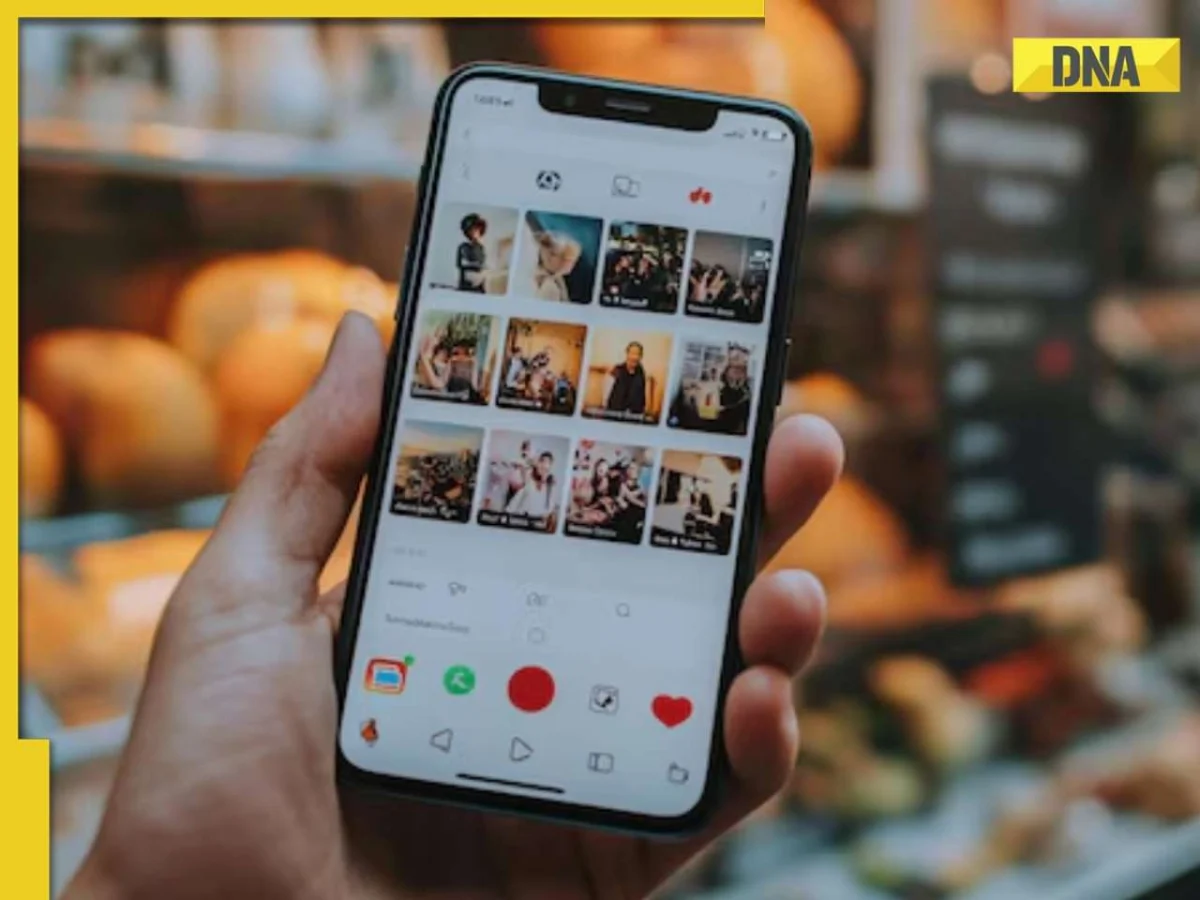
In an era saturated with choices, the siren song of aesthetics has become the dominant force in consumer decision-making. Beyond mere utility or price, brands are now meticulously crafting visual identities, emotional connections, and social validation, transforming the marketplace into a curated experience. This seismic shift, driven by digital revolutions and a reawakening of our innate appreciation for beauty, is fundamentally altering how we consume and how brands connect.
The Digital Canvas: A New Era of Consumer Engagement
The modern marketplace is a far cry from the utilitarian exchanges of the past. The digital revolution has irrevocably reshaped the consumer landscape, ushering in an era where artificial intelligence, social commerce, mobile ubiquity, and the nascent metaverse are the primary architects of retail interaction. While these technological advancements promise efficiency and personalization, they have also, paradoxically, amplified the enduring power of a more fundamental human desire: beauty. Aestheticism in marketing is no longer a fleeting trend; it has ascended to a pivotal position, dictating how consumers perceive, engage with, and ultimately choose the brands that populate their lives.
The journey from purely functional purchasing to an aesthetic-driven experience is a testament to human evolution. Historically, our needs were met through pragmatic consumption. However, as civilizations advanced and resources became more abundant, consumer patterns diversified, evolving into highly niche and identity-driven preferences. This evolution has been mirrored in marketing, which has undergone not just changes in product and service offerings, but a profound metamorphosis in its very presentation.
)
Beyond Utility: The Rise of Identity and Emotion in Purchasing
The bedrock of traditional marketing – price and quality – has been significantly eroded. Today, consumers are no longer solely motivated by the tangible benefits of a product. Instead, they are increasingly driven by the intangible: the desire for identity affirmation, the pursuit of emotional gratification, and the yearning for social validation. In a world awash with an overwhelming array of choices, products are expected to serve as potent signifiers of lifestyle, aspirations, and personal values.

This phenomenon is particularly pronounced among Generation Z, a demographic deeply enmeshed in the visual culture of social media. Platforms like Instagram and TikTok have become potent arbiters of consumer psychology, transforming everyday objects into coveted social symbols. The choice of a café is often dictated by its photogenic ambiance, skincare products are selected for their "shelf appeal" – their ability to enhance a curated digital presence – and technology gadgets are chosen for their harmonious design and seamless integration into a desired lifestyle narrative. This signifies a paradigm shift where the act of consumption is as much about projecting an image as it is about fulfilling a need.
The Renaissance of Aestheticism: From Oscar Wilde to Global Brands
)
The concept of aestheticism, the belief that beauty holds intrinsic value independent of its utility, traces its roots back to the 19th century, famously articulated by Oscar Wilde. This philosophy, once confined to artistic circles, has now permeated the very fabric of modern branding. It influences everything from product design and packaging to retail environments and digital interfaces. Visual appeal is no longer merely an afterthought; it has become the primary, and often most compelling, argument a brand can make. Companies are actively engineering products and experiences to be inherently "aesthetic," recognizing that visual presentation profoundly shapes perception and desirability.
This aesthetic imperative is not a fringe movement; it is being masterfully employed by a pantheon of global and domestic brands. Apple, a titan of industry, redefined minimalism as a powerful and enduring brand identity, translating clean design into a symbol of sophistication and innovation. Glossier, a digitally native beauty brand, cultivated a distinct pastel-toned ecosystem that resonated deeply with its target audience, fostering a sense of community and aspirational lifestyle. Airbnb, the global accommodation giant, actively encourages and rewards visually captivating, "Instagrammable" spaces, turning its hosts’ properties into digital billboards.
)
The Indian market is also a fertile ground for aesthetic-driven marketing. Brands like Forest Essentials and Qua have masterfully blended traditional Indian aesthetics with aspirational experiences, offering consumers a sense of heritage and luxury. Re-Ceremonial, a brand focused on bridal trousseau, exemplifies this by curating collections that are not only exquisite but also inherently shareable online. Direct-to-consumer (D2C) brands such as boAt and The Souled Store leverage visually dynamic branding and engaging content to forge strong connections with younger, digitally savvy consumers. This trend extends beyond product-based industries; cafés, boutique hotels, and lifestyle restaurants now rely heavily on their ambiance and "photo-worthiness" to drive footfall, transforming satisfied customers into enthusiastic brand advocates through their social media sharing.
Fashion, Identity, and the Currency of Cultural Capital
)
The fashion industry stands as a powerful testament to the ascendance of aesthetics. Brands like Sabyasachi, renowned for their intricate craftsmanship and fusion of traditional Indian artistry with contemporary design, have elevated aestheticism to a form of cultural capital. Their collections are not merely garments; they are meticulously crafted narratives that evoke heritage, artistry, and a distinct sense of identity. Weddings, once primarily private celebrations, are increasingly curated with an eye for digital visibility. The décor, the attire, and the overall visual coherence are designed to be not just beautiful but also shareable, contributing to a couple’s social standing and online persona. In the hyper-competitive attention economy, visibility itself has become a valuable currency. Products and experiences are now expected to seamlessly integrate into curated lifestyles, communicating not just taste but also aspiration, social class, and a sense of belonging.
The Ethical Undercurrents: Beauty vs. Substance and the Peril of Exclusivity
)
While the embrace of aesthetic marketing has yielded significant commercial success, it also raises a complex web of ethical considerations. The paramount question that looms is: has beauty begun to eclipse substance? Are consumers being subtly manipulated into prioritizing superficial appearance over genuine quality and ethical production? Many industries are increasingly blurring the lines between authentic value and manufactured desirability, creating a landscape where visual allure can overshadow practical considerations.
Furthermore, there is a growing concern that narrow, often Western-centric, definitions of beauty can inadvertently marginalize individuals from diverse ethnic backgrounds, body types, and socioeconomic strata. The relentless pursuit of a singular aesthetic ideal risks creating an exclusionary marketplace. Brands are therefore faced with the critical challenge of fostering inclusivity within their aesthetic strategies, ensuring that beauty is not reduced to a symbol of exclusivity but rather becomes a celebration of diverse forms and expressions.
)
The Enduring Power of Beauty: A Strategic and Cultural Imperative
The pervasive rise of aestheticism in marketing is more than just a commercial strategy; it reflects a profound human yearning for meaningful and emotionally resonant experiences. In a hyper-digital world, where the sheer volume of choices can be overwhelming, aesthetics offer a powerful mechanism for simplification. Through emotional resonance, beautiful design and captivating visuals can cut through the noise, making decision-making more intuitive and enjoyable.
)
Beauty, in its broadest sense, transforms the act of consumption from a purely transactional event into a memorable and enriching experience. It imbues products and services with a narrative, a personality, and an emotional connection that transcends their functional purpose. Today, beauty in marketing is no longer merely decorative; it is a potent cultural force, a sophisticated strategic tool, a performative element of brand identity, and a profoundly economic driver that shapes consumer behavior and brand loyalty in the 21st century. As brands continue to navigate this evolving landscape, the ability to harness the power of aesthetics, while remaining mindful of ethical considerations and inclusivity, will be paramount to achieving lasting success.
