

In the ever-evolving landscape of modern romance, a new, often perplexing, relationship dynamic has emerged and firmly cemented itself: the "situationship." Once relegated to the fringes of internet slang, this term, which describes a romantic or sexual relationship that lacks clear definition or commitment, has exploded into mainstream consciousness. It’s a phenomenon so pervasive that it’s become almost impossible to escape, akin to unavoidable surge pricing or those ubiquitous "just checking in" emails. Many individuals find themselves caught in its ambiguous embrace, often while assuring friends they are merely "keeping things casual."
The Genesis and Growth of a Modern Dating Phenomenon
The term "situationship" first began to circulate online in the late 2000s and early 2010s. It gained particular traction within Black dating culture and on internet forums, serving as a coded language for relationships that offered the intimacy of commitment without the structural clarity. By 2019, it had officially entered the mainstream lexicon, providing a recognized label for a common, yet often frustrating, dating experience. This marked a significant shift, transforming the nebulous concept of undefined romantic entanglements into an officially acknowledged dating category.
The impact of this linguistic shift is quantifiable. Tinder’s 2022 Year in Swipe report revealed a striking 49% increase in users adding the term "situationship" to their profiles. This surge signals not only the growing prevalence of these relationships but also the desire among daters to categorize and perhaps even understand their experiences within this new framework.

Personal Narratives: The Lived Experience of Ambiguity
The abstract concept of a situationship often translates into deeply personal and emotionally charged experiences. A communications professional in New Delhi recounted her own prolonged foray into a situationship that began during the 2020 lockdown and officially concluded in 2023. Despite the lack of formal commitment, the relationship exhibited all the hallmarks of a serious partnership. They texted constantly, spoke daily, maintained a twice-weekly routine of "date nights," and spent enough time together that her friends assumed they were a committed couple. "At one point," she shared, "we were discussing each other’s parents’ blood pressure medication."
The core of her experience, and that of many others, lay in the persistent evasion of definition. Whenever she attempted to clarify the nature of their relationship, her partner would subtly deflect, employing classic situationship rhetoric. The first time commitment was broached, his response was, "Why don’t we get to know each other better? There’s no need to rush." While she initially agreed, believing patience to be a sign of maturity, repeated conversations dissolved without resolution. "I knew I was being breadcrumbed," she admitted, referring to the practice of giving just enough attention to keep someone invested without genuine commitment. The emotional toll of this sustained ambiguity was profound.
The Paradox of Information in an Age of Emotional Illiteracy
Despite the proliferation of resources dedicated to understanding modern relationships, individuals continue to find themselves ensnared in situationships with remarkable regularity. This presents a central paradox of contemporary dating: a generation armed with an unprecedented level of emotional vocabulary often struggles with genuine emotional evolution.

The digital age has democratized access to psychological insights. Podcasts like Esther Perel’s "Where Should We Begin?" and "Call Her Daddy" have transformed complex emotional dynamics into accessible cultural literacy. Books such as "Attached" by Amir Levine and Rachel Heller have become essential reading for those attempting to decipher inconsistent romantic behavior. Terms like "avoidant," "love bombing," "breadcrumbing," and "intermittent reinforcement" are now used with alarming fluency. Yet, this extensive theoretical knowledge often fails to equip individuals when they are emotionally immersed in an ambiguous dynamic.
The communications professional, despite her newfound expertise in attachment styles and unhealthy dynamics, confessed, "Theoretically, I know exactly what unhealthy dynamics look like. But when you’re actually inside it, none of that knowledge helps." This highlights the significant gap between intellectual understanding and lived emotional experience.
Male Perspectives: Challenging the Narrative
The popular discourse surrounding situationships often positions men as the primary architects and perpetuators of these undefined relationships, typically with the intent of avoiding commitment. However, this narrative overlooks the experiences of many men who find themselves deeply invested and emotionally vulnerable within these dynamics.

A Mumbai-based consultant in his early thirties shared his frustration with this generalized assumption. "There’s this assumption that men are always the ones perpetuating them," he stated. "Some of us fall hopelessly in love inside them." He described a situationship that began casually but unexpectedly deepened over time. "Initially, it’s always about the chase," he explained. "Most guys know within two or three months whether this is serious or not. Usually the thrill has an expiry date."
However, this particular situation defied that expectation. "She was brilliant. Very funny. We had incredible intimacy. I genuinely loved spending time with her," he reminisced. The complication arose from her continued engagement with other individuals, a fact she had disclosed from the outset. "She never lied to me," he emphasized, acknowledging the ethical transparency that made his emotional predicament even more challenging. "That’s the worst part because technically she did everything right." His experience underscores the fact that situationships can leave individuals, regardless of gender, emotionally adrift and unprepared for the "emotional windfall" they can bring.
The Rise of Specialized Coaching: Addressing a Growing Need
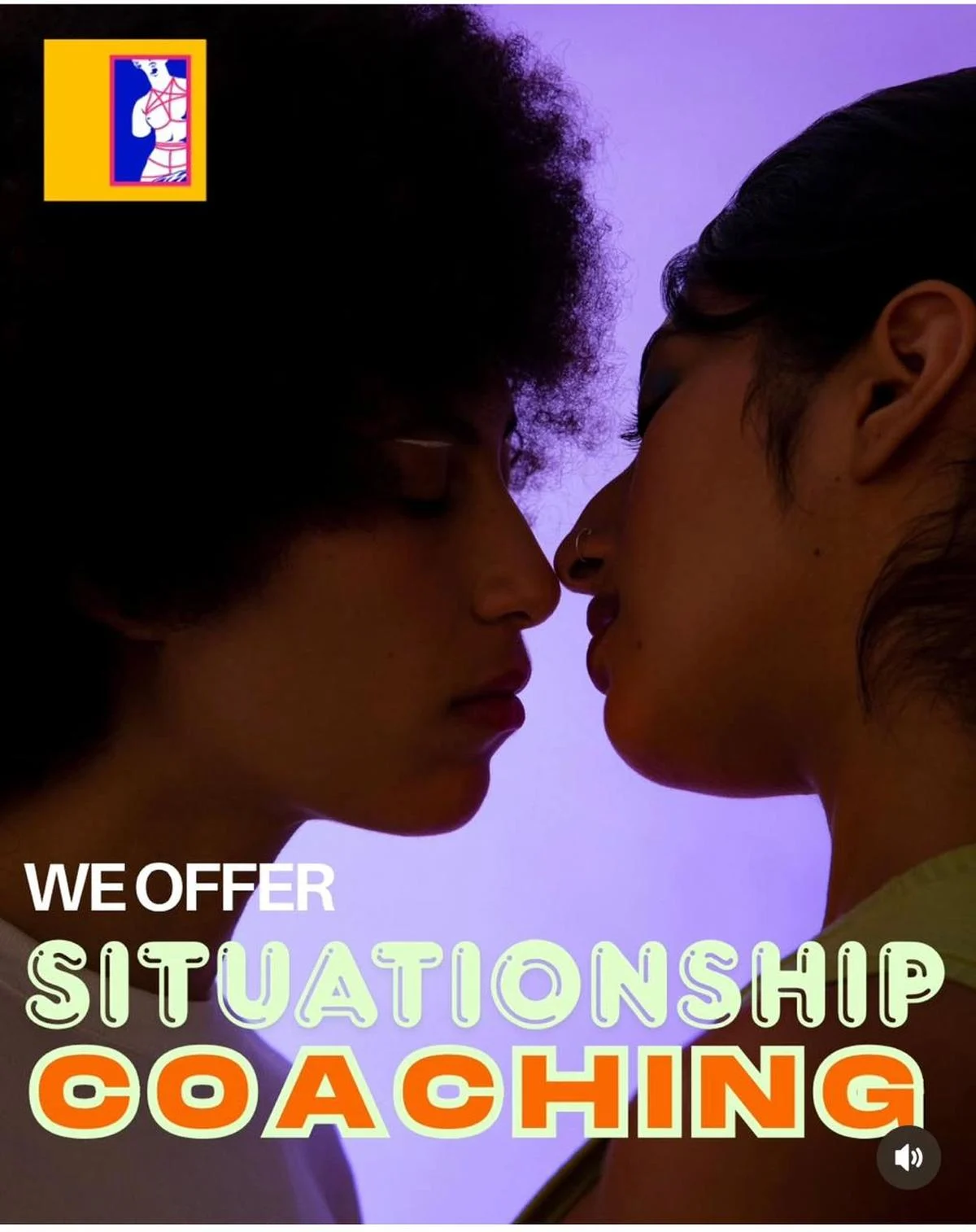
Recognizing the increasing prevalence and the significant emotional distress associated with situationships, specialized services are emerging to offer guidance and support. The Intimacy Curator, a Mumbai-based platform dedicated to workshops, community events, and coaching in modern relationships, sexuality, and emotional well-being, introduced "situationship coaching" for individuals over 21 in early May.

Founder Aili Seghetti observed that emotionally undefined relationships were frequently appearing in conversations around intimacy and modern dating, highlighting a significant gap in how these contemporary dynamics were being addressed. "Situationships aren’t a passing trend anymore," Aili stated. "They’ve become a dominant relationship structure, especially among urban millennials and Gen Z, but most people still treat them like a joke."
The coaching service has seen a notable demand, with nearly 100 inquiries received within the first three weeks of its launch, primarily from metropolitan cities. Aili noted a striking gendered pattern in the concerns raised by clients. "Heterosexual men were usually approaching me wanting to find women open to situationships," they observed. "Heterosexual and bisexual women, as well as gay men, were more likely to ask how to protect themselves from falling into one, or how to deepen an existing situationship into something more committed."
These coaching sessions typically involve multiple one-on-one interactions focused on developing actionable strategies related to boundaries, communication, and achieving emotional clarity. Aili highlighted a common realization among clients: "Often, people eventually realize they are actually seeking emotional connection, not just sexual freedom. Sex simply becomes the primary avenue through which they attempt to access intimacy."

Implications for the Future of Relationships
The widespread adoption of the "situationship" as a recognized dating category signifies a profound shift in how individuals approach romantic and sexual connections. It reflects a generation that is both highly informed about relationship psychology and yet, paradoxically, often struggles with emotional maturity and decisive action.
The rise of situationships and the subsequent demand for specialized coaching suggest that this is not a fleeting trend but a significant and evolving aspect of contemporary romantic life. While the ambiguity of these relationships can be a source of frustration and heartbreak, it also prompts a deeper examination of what individuals truly seek in their connections. The irony of this era lies in our unprecedented capacity for emotional articulation often not being matched by a commensurate level of emotional evolution. As we continue to navigate this complex terrain, understanding the nuances of situationships and seeking clarity, both internally and with partners, will be crucial for fostering healthier and more fulfilling relationships in the age of "bare minimum" dating.
