

The relentless march of urbanization often leaves behind the silent sentinels of a city’s soul. As Allahabad—now officially renamed Prayagraj—strives to redefine itself within the framework of the "Smart Cities" mission, the glittering glass and steel of modernization frequently obscure the weathered brick and mortar of its rich intellectual heritage. Among these overlooked monuments is Ghosh Villa, a sprawling estate in the historic George Town neighborhood. Once the epicenter of a literary and nationalist revolution, the villa and the press that funded it represent a pivotal chapter in Indian history.
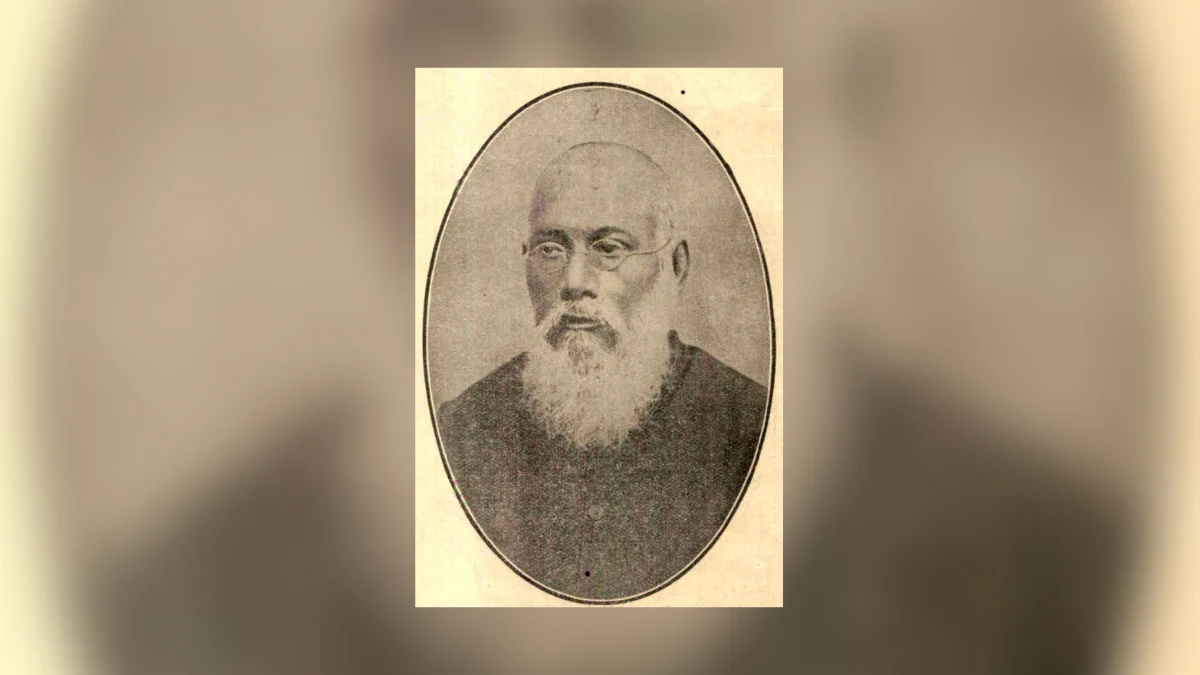
The recent publication of The House The Press Built: Allahabad Anecdotes from the Indian Press Family by Anjana Basu, a descendant of the Ghosh lineage, has reignited interest in this legacy. Basu’s work serves as both a family memoir and a historical record, chronicling the rise of her great-grandfather, Chintamoni Ghosh, and the institution he founded: The Indian Press.
Main Facts: A Beacon of Vernacular Publishing
At the heart of this narrative is The Indian Press, established in 1884. In an era when the printing industry in India was dominated by British interests and colonial narratives, The Indian Press emerged as a formidable indigenous alternative. It was not merely a commercial venture but a cultural powerhouse that provided a platform for Indian voices during the height of the British Raj.
Chintamoni Ghosh, the visionary founder, is perhaps most notably recognized as the first publisher of Rabindranath Tagore’s Gitanjali. This connection alone places the press at the center of global literary history, as Tagore would later become the first non-European to win the Nobel Prize in Literature. However, the press’s impact extended far beyond a single author. It was instrumental in the development of modern Hindi literature, particularly through the publication of the monthly magazine Saraswati.
Under the editorship of Mahavir Prasad Dwivedi, Saraswati became the standard-bearer for the "Khari Boli" dialect, effectively shaping the modern Hindi language. The press also published Probasi, a Bengali magazine that fostered a sense of progressive nationalism among the Bengali diaspora (the probasi community) across North India.
Chronology: From Dispatch Clerk to Industrialist
The story of Chintamoni Ghosh is a quintessential tale of perseverance against systemic odds. His journey reflects the broader struggle of the Indian middle class to assert economic and intellectual independence in the late 19th century.

- 1860s-1870s: Early Hardship and Apprenticeship: Chintamoni Ghosh’s life was marked by tragedy early on. He lost his father at the age of 12, forcing him into the workforce to support his family. He secured a position as a dispatch clerk at The Pioneer, a prominent British-run newspaper in Allahabad. It was here, amidst the smell of ink and the clatter of type, that Ghosh’s fascination with the mechanics of printing began.
- The Transition to Compositor: Demonstrating a keen technical aptitude, Ghosh moved from the clerical side of the business to the printing floor. He mastered the art of being a compositor—arranging the metal type for the presses—a skill that would later prove foundational to his own business.
- 1884: The Birth of The Indian Press: With the support of a friend and a modest amount of capital, Ghosh founded The Indian Press. The name was a deliberate act of defiance and identity, signaling a departure from the British-owned presses that dominated the city’s landscape.
- Early 1900s: Expansion and Diversification: As the press flourished, Ghosh diversified his business interests. He was a pioneer of the early Indian industrial spirit, establishing a sweet factory, a carpet factory, a sugar mill in Sitalpur, Bihar, and a successful perfumery. His "Phool Taaza" hair oil became a household name, demonstrating his acumen for branding and consumer goods.
- 1914: The Construction of Ghosh Villa: At the zenith of his success, Ghosh built Ghosh Bari (now known as Ghosh Villa) in George Town. The 116-room mansion was designed to house his expanding family and serve as a venue for the city’s intellectual elite.
- 1930s-1940s: Nationalist Participation: During the twilight of the British Raj, the press and the villa became hubs for nationalist activity, culminating in clandestine support for the Quit India Movement in 1942.
Supporting Data: The Infrastructure of an Intellectual Hub
The scale of the Ghosh family’s influence can be measured by the physical and institutional infrastructure they left behind. Ghosh Villa itself is a marvel of early 20th-century architecture, boasting 116 rooms that once echoed with the debates of scholars, poets, and politicians.
The Indian Press was not just a local printer; it was a technological leader. It imported state-of-the-art machinery from Europe to ensure that Indian publications met international standards. This commitment to quality was what attracted Rabindranath Tagore, who sought a publisher capable of doing justice to his aesthetic and literary vision.
Furthermore, the press’s role in the "Hindi Renaissance" is backed by its circulation data. Saraswati was read across the Hindi heartland, and its editorial standards under Mahavir Prasad Dwivedi dictated the grammar and syntax of the language for a generation. Even Netaji Subhash Chandra Bose acknowledged this contribution, noting that a Bengali publisher (Ghosh) had achieved for the Hindi language what many native Hindi publishers had failed to do.
Cultural and Institutional Impact: Philanthropy and Education
The legacy of Chintamoni Ghosh extends into the realm of social reform, particularly in the field of women’s education. In the early 20th century, education for girls was a radical concept, often restricted to the upper echelons of society.
Recognizing the need for institutionalized learning for women, the philanthropist Major Baman Das Basu approached Chintamoni Ghosh for assistance. In a significant act of civic duty, Ghosh donated the land required to establish what is now the Jagat Taran Girls’ Inter College. This institution remains one of Prayagraj’s premier educational centers for women, a living testament to Ghosh’s belief in social progress through education.
The family’s commitment to the arts was continued by Chintamoni’s son, Hari Keshav Ghosh. When Tagore sought to raise funds for his Visva Bharati University, he brought his dance-drama Chandalika to Allahabad. To facilitate this, Hari Keshav Ghosh built a dedicated hall for the performance. This venue, which has undergone various name changes and is currently known as Raj Karan Palace, stands as a reminder of the deep cultural bond between the Ghosh family and the leading lights of the Indian Renaissance.

Official Responses and Historical Context
While modern municipal records focus on the "smart" transformation of Prayagraj, local heritage groups like Azad Reads have taken up the mantle of preserving the city’s oral and documented histories. The heritage walks organized by such groups through Ghosh Villa represent a grassroots effort to reconnect the public with their history.
Historians and literary critics have long noted that Allahabad was the "Oxford of the East," and the Ghosh family were its printers. The "official" history of Indian publishing often highlights the role of the Mission presses or the British colonial presses, but the work of Anjana Basu provides a necessary "insider" response to these narratives. By blending family anecdotes with historical research, she provides a counter-narrative to the colonial history of the Indian press.
The family’s interactions with political giants such as Motilal Nehru and Madan Mohan Malviya further solidify their place in the official history of the Indian independence movement. While the press had to maintain a level of commercial neutrality to survive British scrutiny, the "whispers of rebellion"—including the secret printing of revolutionary pamphlets—suggest that The Indian Press was a silent partner in the struggle for Swaraj.
Implications: Preserving Heritage in the Age of Smart Cities
The story of Ghosh Villa and The Indian Press raises critical questions about the preservation of cultural heritage in modern India. As cities like Prayagraj modernize, there is a risk that the "intangible heritage"—the stories, the literary movements, and the social reforms associated with specific locations—will be lost.
- The Need for Private Chronicles: Anjana Basu’s book demonstrates the importance of families documenting their own histories. Without her efforts to bridge oral tradition with archival research, the nuances of Chintamoni Ghosh’s life might have faded into obscurity.
- Heritage as an Economic Asset: The interest in heritage walks through Ghosh Villa suggests that there is a significant public appetite for historical tourism. Integrating such sites into the "Smart City" plan could provide a sustainable model for both preservation and economic growth.
- Literary Identity: For the city of Prayagraj, reclaiming the legacy of The Indian Press is essential for maintaining its identity as a literary capital. The press was the bridge between Bengali and Hindi intellectualism, proving that cultural synthesis was at the heart of India’s national awakening.
In conclusion, Chintamoni Ghosh was more than a businessman; he was a custodian of Indian culture. His journey from a 12-year-old orphan to the printer of a Nobel laureate is a testament to the power of indigenous enterprise. As we look toward the future of our "smart" urban spaces, we must ensure that the houses the press built—and the legacies they contain—are not demolished in the name of progress, but are instead integrated into the fabric of our modern identity.
