

The final lines written by Hiba Abu Nada, a 32-year-old Palestinian poet, read like a protective incantation: "I grant you refuge / from hurt and suffering / With words of sacred scripture / I shield the oranges from the sting of phosphorous / and the shades of cloud from the smog."
On October 20, 2023, the shield of poetry was shattered. Abu Nada was killed by an Israeli air strike on her home in Khan Younis. Her death served as a grim prologue to a burgeoning movement of Palestinian literature that seeks to document not just the loss of life, but the systematic erasure of a culture. This movement is now crystallized in three seminal works: Gaza: The Story of a Genocide (Verso Books), Letters from Gaza: By the People, From the Year That Has Been (Penguin), and A Historian in Gaza (Context). Together, these volumes represent an urgent, harrowing archive of a territory under total siege, written by those who, in many cases, did not live to see their words in print.
Main Facts: A Literary Resistance Against Erasure
The current conflict in Gaza has produced a unique literary phenomenon: the "real-time archive." As traditional journalism faces unprecedented barriers—with international reporters largely barred from entering the strip unless embedded with the Israel Defence Forces (IDF)—the task of chronicling the war has fallen to local poets, essayists, and ordinary citizens.
The Voices of the Enclave
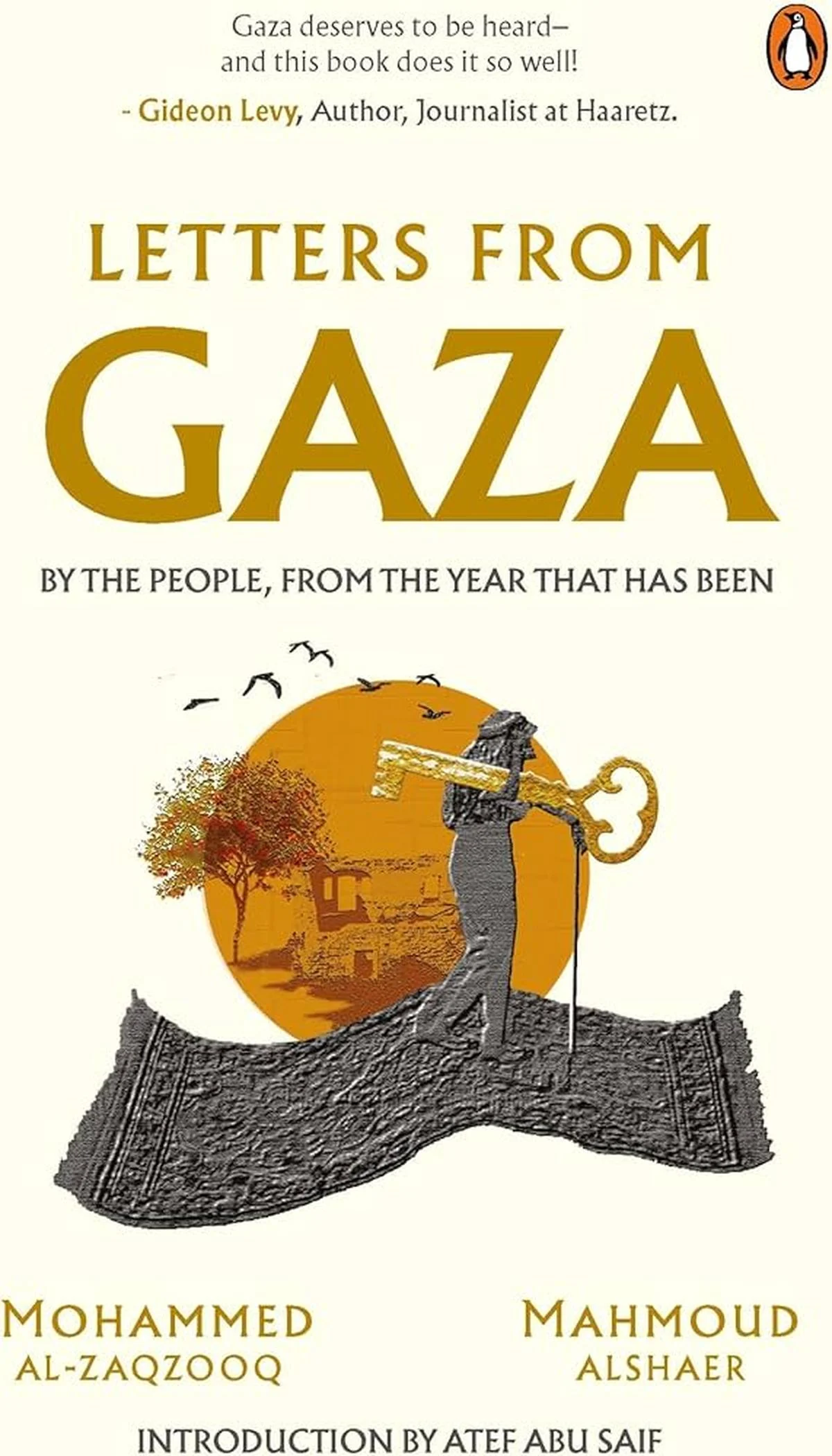
Gaza: The Story of a Genocide, edited by Fatima Bhutto and Sonia Faleiro, serves as a primary sourcebook of the Palestinian experience. It moves beyond statistics to offer personal testimonies of families who have lost dozens of members in single strikes. Similarly, Letters from Gaza, edited by Mohammed Al-Zaqzooq and Mahmoud Alshaer, compiles over 50 pieces of prose and poetry. These works highlight a devastating reality: many of the authors and translators were killed before their work could be published, often unaware that their private reflections would become global testimonies.
The Historian’s Perspective
In A Historian in Gaza, French historian Jean-Pierre Filiu provides a Western scholarly lens that corroborates the Palestinian accounts. Having studied Gaza for decades, Filiu describes the current state of the enclave as the "biggest outdoor prison in the world" turned into a graveyard. His account is particularly significant as it documents the destruction of civil society—hospitals, universities, and water treatment plants—which he argues constitutes a "nightmare within a nightmare."

Chronology: From Siege to Systematic Destruction
The narrative arc of these books traces a descent from a state of prolonged blockade to what international bodies now describe as a genocidal campaign.
- October 7, 2023: The Hamas attack on southern Israel triggers a massive military response. While historians like Filiu immediately condemned the Hamas attack, the subsequent Israeli response is described as "disproportional" and "systematic."
- October 20, 2023: The death of Hiba Abu Nada marks an early turning point for the Palestinian intellectual community, signaling that even cultural figures are not safe from the bombardment.
- Late 2023 – Early 2024: The IDF intensifies its ground operations, taking control of roughly 60% of the Gaza Strip. During this period, the authors featured in these books wrote under conditions of total blackout, often using intermittent radio signals or handwritten notes to communicate their plight.
- December 2024 – January 2025: Jean-Pierre Filiu’s field observations during this window reveal a landscape where the "Gaza of old" has ceased to exist. He records the bulldozing of infrastructure and the targeting of UN aid convoys.
- June 23, 2024: A United Nations Independent International Commission of Inquiry releases a report finding that Israeli troops continue to commit acts of genocide, specifically citing the deliberate targeting of children.
Supporting Data: The Human and Cultural Cost
The books provide a qualitative layer to the staggering quantitative data emerging from the conflict. The statistical reality of the war provides a grim backdrop to the personal essays of Mosab Abu Toha and the analytical chapters of Yara Hawari.
Casualty and Infrastructure Figures
- Journalistic Toll: Israel has targeted and killed hundreds of local journalists. These individuals were often the only bridge between Gaza’s reality and the outside world.
- Displacement: Before the war, Gaza was home to 2.3 million people. The current conflict has displaced nearly the entire population, forcing them into ever-shrinking "humanitarian zones" that Filiu describes as being humanitarian in name only.
- Family Devastation: One testimony in The Story of a Genocide recounts a single family losing 21 members in one day, illustrating the "banality" of the violence.
Legal and Institutional Findings
The literary claims of genocide are supported by findings from several prominent organizations:
- United Nations Commission of Inquiry: Found evidence of genocidal intent and actions against the Palestinian population.
- Human Rights Watch & Amnesty International: Concluded that the Israeli military has committed war crimes and acts of genocide.
- Israeli Organizations: B’Tselem and Physicians for Human Rights-Israel have also issued reports corroborating the systematic nature of the destruction and the collapse of the medical system.
Official Responses and Geopolitical Context
The books do not exist in a vacuum; they are a direct response to the official narratives provided by the Israeli government and its international allies.
The IDF Position
The Israel Defence Forces maintain that their operations are targeted at Hamas militants and that they take precautions to avoid civilian casualties. They justify the restriction of journalists by citing security concerns, only allowing "embedded" reporting which ensures military oversight of the narrative. However, the contributors to Gaza: The Story of a Genocide argue that this policy is a deliberate attempt to hide the scale of the "frontier reportage" coming from the ground.

The "Nightmare Within a Nightmare"
Crucially, the books do not shy away from the complexities of internal Palestinian governance. Jean-Pierre Filiu’s work highlights the "inter-Palestinian violence" and the "brutal punishments" meted out by Hamas. He records testimonies from Palestinians who describe Hamas’s rule under the Israeli blockade as an additional layer of suffering. This nuanced view portrays Gazans as being trapped between the "disproportional" violence of the Israeli military and the authoritarianism of local militant rule.
The Role of U.S. Imperialism
Yara Hawari’s contribution to the Verso collection places the conflict in a broader geopolitical framework. She argues that Israel functions as a "regional outpost of U.S. imperialism," suggesting that the destruction of Gaza is enabled by a global system of military and political support that transcends local border disputes.
Implications: The Erasure of Memory and the Persistence of Hope
The most profound implication of these works is the fear of "cultural memoricide." When poets like Hiba Abu Nada are killed and universities are leveled, the history of a people is at risk of being erased.
The Systematic Destruction of Civil Society
Filiu’s observations suggest that the "Gaza he knew" is gone. This is not merely about buildings falling; it is about the destruction of the social fabric. The targeting of water treatment plants, hospitals, and schools suggests an effort to make the territory uninhabitable for generations to reach.
Resilience Through Art
Despite the horror, a recurring theme in these books is the "undying hope" expressed through art. Mahmoud Jouda writes about how families in refugee camps continue to listen to music and sing during the brief intervals between bombings. "When hope is gone, song remains," Jouda writes, suggesting that cultural production is a form of survival.

The Moral Burden of the Witness
The publication of these books places a moral burden on the reader. As Filiu admits, even his harrowing account was limited to the "humanitarian zone." He notes that if the conditions within these zones—where water is scarce and death is frequent—are this dire, the plight of those outside these invisible boundaries is almost unimaginable.
In conclusion, Gaza: The Story of a Genocide, Letters from Gaza, and A Historian in Gaza serve as more than just literature; they are forensic evidence of a disappearing world. They ensure that while the "dust will clear," as Hiba Abu Nada hoped, the voices of those who fell in love and died together will not be forgotten. These works stand as a testament to the fact that while a territory can be occupied and its people killed, the narrative of their existence remains a potent weapon of resistance.
