

TOKYO — Somewhere between the first aggressive transition and the second lungful of acrid tire smoke, the perception of drifting shifts. It ceases to be mere automotive theater or a chaotic display of hooliganism and begins to reveal itself as a masterclass in physics and discipline.
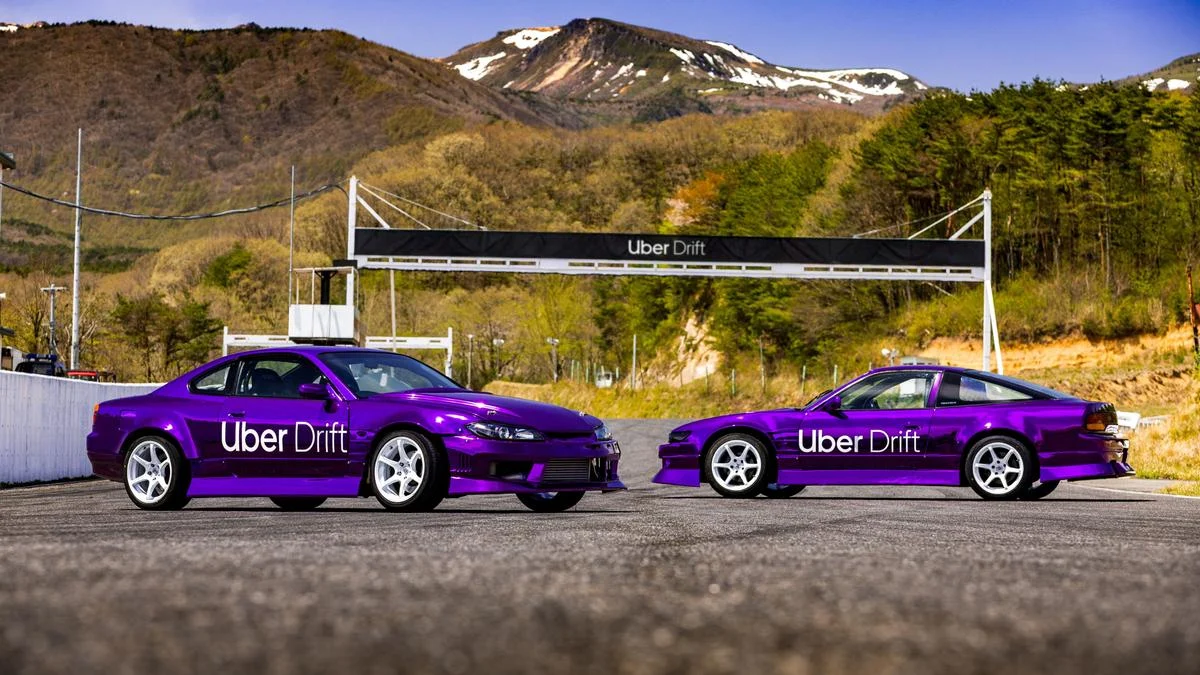
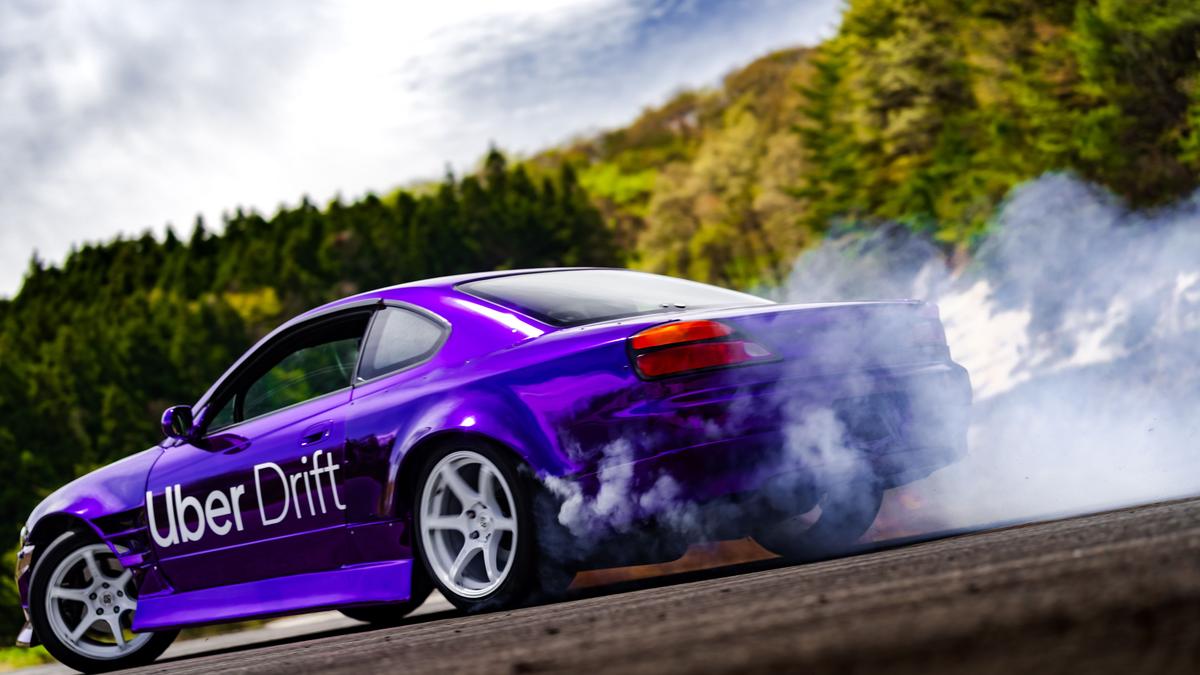
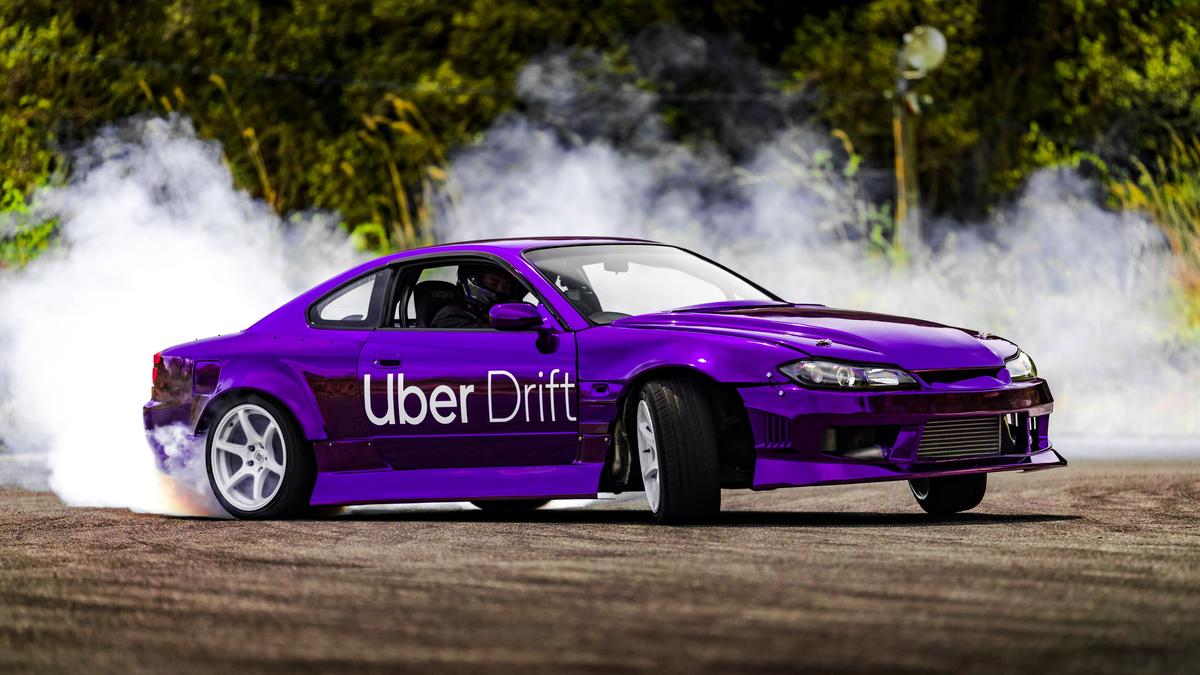
At the Mobara Twin Circuit, located roughly 90 minutes outside the neon sprawl of Tokyo, the reality of this sport is visceral. Strapped into the bucket seat of a Nissan Silvia S15—a legend of the Japanese Domestic Market (JDM)—one experiences the sensation of "organized violence." Behind the wheel is Fausto, a reigning drift champion, holding the vehicle at an angle that defies conventional mechanical logic. As the rear tires evaporate into thick white plumes and the engine hammers relentlessly against the rev limiter, the car hovers inches from another drifting vehicle. This is the heart of Japanese drifting: a paradox of precision disguised as madness.
Main Facts: The Definition of Modern Drifting
Drifting is perhaps the only major motorsport where speed is not the primary objective. Instead, it is a judged discipline centered on the intentional abandonment of traction. While traditional racing—from Formula 1 to NASCAR—is built upon the pursuit of "grip" and the most efficient line through a corner, drifting is built upon the art of the slide.
The Judgement Criteria
In professional competition, drivers are evaluated on four primary pillars:
- Line: Following a specific path designated by judges, often requiring the car’s rear bumper to come within centimeters of "clipping points" or walls.
- Angle: The degree to which the car is rotated relative to the direction of travel. More angle generally equates to higher scores, provided momentum is maintained.
- Style/Impact: The fluidity of the run. This includes the aggressiveness of the initiation and the lack of corrections during the slide.
- Proximity (in Tandem): In "tsuiso" (battle) runs, the following car must mimic the lead car’s movements as closely as possible, often maintaining a distance of only a few inches while both vehicles travel at high speeds.
The Engineering of Instability
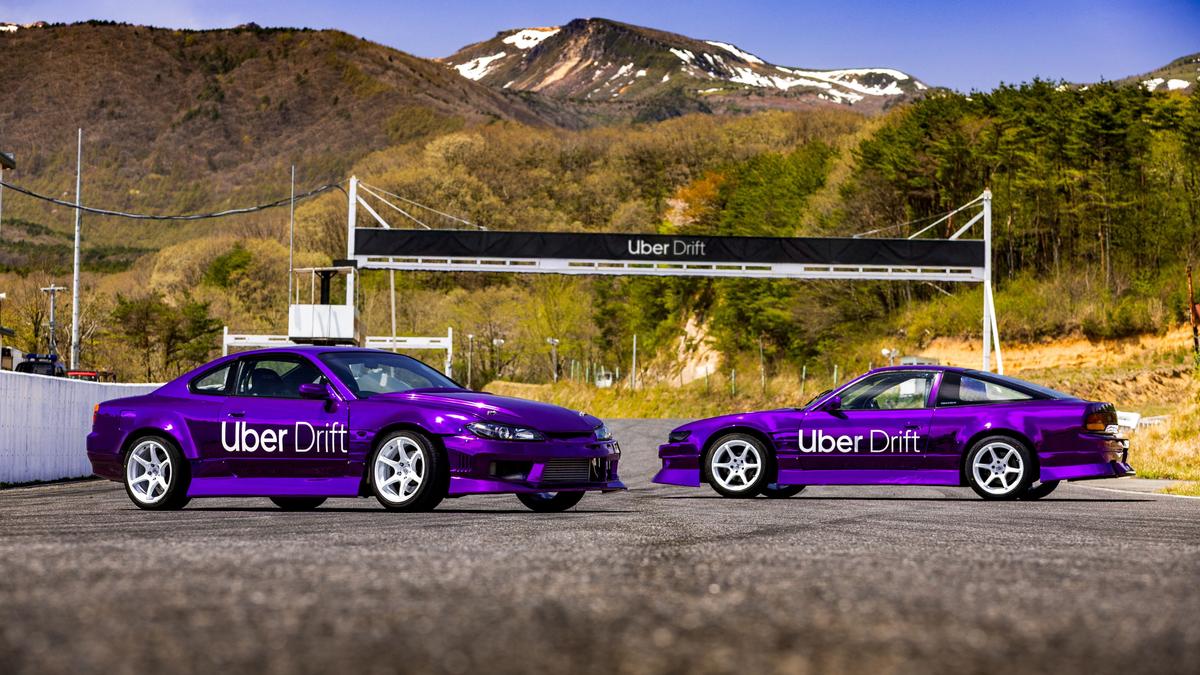
A modern drift car is a highly specialized machine. Unlike a standard road car, which is designed to understeer for safety, a drift car is engineered for "controlled oversteer." Key modifications include:
- Steering Angle Kits: Modified hubs and control arms that allow the front wheels to rotate up to 65 or 70 degrees, enabling the driver to "catch" the car even at extreme sideways angles.
- Suspension Geometry: Tuned to provide stability while the chassis is loaded laterally, ensuring the car doesn’t "snap" back into grip unexpectedly.
- High-Torque Powerplants: Engines, often turbocharged straight-sixes like the Toyota 2JZ or Nissan SR20DET, are tuned for immediate torque delivery to keep the rear tires spinning regardless of the car’s speed.
Chronology: From Mountain Passes to Global Stadiums
To understand the current state of Japanese drifting, one must look to the steep, winding mountain roads known as touge.
1970s: The Genesis on the Touge
Drifting began as a grassroots movement among illegal street racers in the 1970s. On the narrow, downhill passes of Mt. Haruna and Mt. Akagi, drivers found that by intentionally "kicking" the rear end of the car out, they could navigate tight hairpins more effectively without losing as much momentum. What began as a survival tactic for speed soon evolved into an aesthetic pursuit.
1980s: The Rise of the "Drift King"
The transition from underground subculture to recognized sport is largely credited to two men. First, Kunimitsu Takahashi, a legendary motorcycle and car racer, used drifting techniques to maintain high speeds through corners in the All Japan Touring Car Championship.
However, it was Keiichi Tsuchiya, known globally as the "Drift King," who popularized the style. In 1987, Tsuchiya collaborated with several car magazines to produce "Pluspy," a video showcasing his drifting skills on public mountain roads. While it resulted in the temporary suspension of his racing license, it ignited a global fascination with the sport.
2000s: Professionalization and the D1 Grand Prix
In 2000, the D1 Grand Prix (D1GP) was established in Japan as the first professional drifting series. This moved the sport from the shadows of the mountains into purpose-built circuits and stadiums. This era saw the rise of iconic cars like the Mazda RX-7 (FD3S), the Toyota AE86, and the Nissan Silvia series, cementing their status in the pantheon of automotive history.
Supporting Data: The Physics of the Slide
The technicality of drifting is often underestimated. According to telemetry data from professional drift sessions, a driver may make dozens of micro-corrections per second.
Weight Transfer and Initiation
Drifting begins with the "initiation." This can be achieved through several methods:
- Clutch Kick: The driver dips the clutch, revs the engine, and releases it abruptly to shock the rear tires into spinning.
- Power Over: Using sheer horsepower to break traction.
- Feint (Scandinavian Flick): Steering away from the corner before snapping the wheel back toward it, using the car’s pendulum weight to swing the rear out.
The "Slip Angle"
Once the car is sideways, the driver balances the "friction circle" of the tires. The front tires provide the steering direction (often pointed in the opposite direction of the turn, known as "opposite lock"), while the rear tires act as the throttle-steered rudder. If the driver provides 5% too much throttle, the car spins; 5% too little, and the car "straightens up," ending the drift.
Official Responses: The "Uber Drift" Initiative
For decades, authentic Japanese drifting was a closed world, accessible only to those with deep local connections or those willing to risk illegal street meets. However, the corporate world has recently begun to bridge this gap.
In a move to capitalize on Japan’s unique automotive heritage, Uber launched its "Uber Drift" experience as part of its "Go Anywhere" limited-edition series. This initiative reflects a broader trend in the travel industry: the move toward "hyper-authentic" experiences.
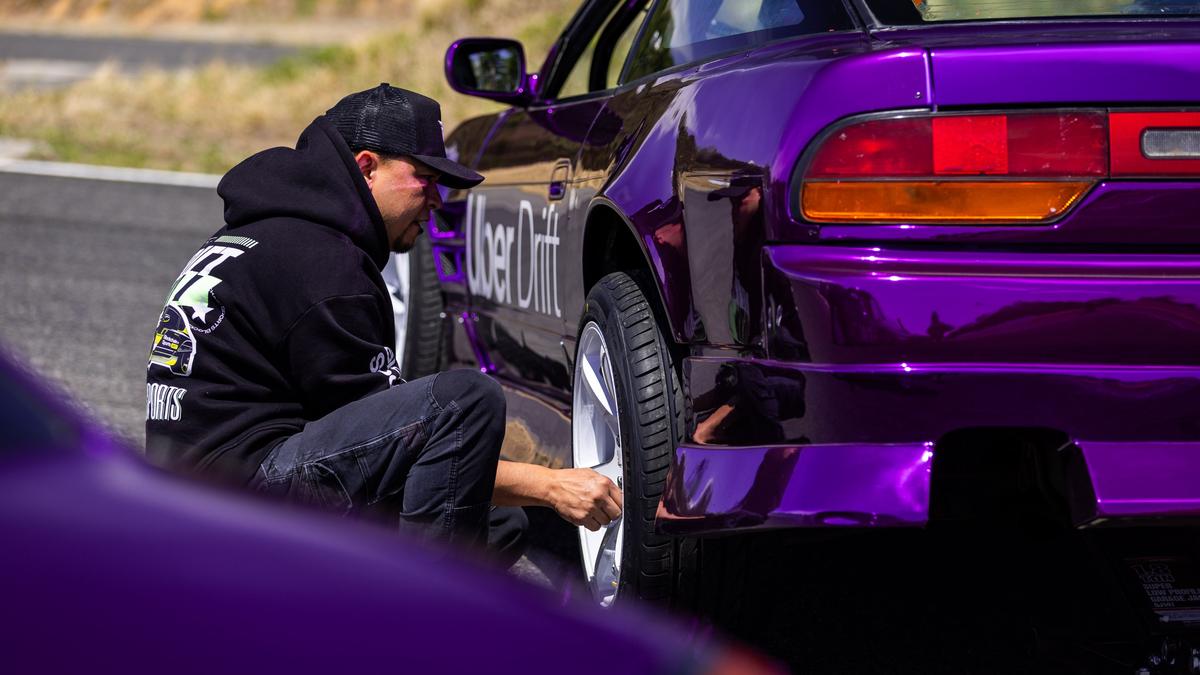
"The goal is to offer rare access to the raw intensity of Japanese drifting culture without sanitizing the experience," a spokesperson for the project stated. The program provides participants with an Uber Black transport from central Tokyo to Mobara Twin Circuit, where they are paired with Formula Drift-licensed professionals.
Industry analysts suggest that such moves by tech giants like Uber represent a shift in how subcultures are commodified. By partnering with professional drivers and established circuits like Mobara, the experience provides a safe, legal, yet visceral entry point for international enthusiasts.
Implications: The Future of JDM Culture
The formalization of drifting through experiences like "Uber Drift" and professional leagues has significant implications for Japanese car culture.
The Preservation of JDM Icons
As global demand for 1990s Japanese sports cars skyrockets, drifting serves as both a preservative and a destructive force. While the sport keeps the demand for parts and tuning expertise alive, the high-intensity nature of drifting means many of these chassis are being "used up." The Nissan Silvia S15 and 180SX, once affordable "everyman" sports cars, are now reaching collector-car price points, making the barrier to entry for grassroots drifting higher than ever before.
Cultural Legitimacy vs. Underground Roots
There remains a tension between the "polished" version of drifting seen in professional leagues and the "rough" aesthetic of the street. Authentic drifting culture in Japan still values the "missile" car—vehicles that are mechanically perfect but aesthetically battered, held together by zip-ties and duct tape. This "commitment over perfection" ethos is what separates drifting from the high-gloss world of GT racing.
Global Influence
What started on a Japanese mountain pass has become a global powerhouse. From Formula Drift in the United States to the Drift Masters European Championship, the Japanese "style" remains the gold standard. The terminology (e.g., manji, tsuiso, touge) remains Japanese, cementing the nation’s status as the spiritual home of the sport.
Conclusion: The Calm Within the Storm
Back at Mobara, as the Silvia S15 slides to a halt and the smoke clears, the most striking realization is the driver’s composure. Throughout the high-G transitions and the deafening roar of the engine, the professional driver remains calm, his movements economical and precise.
This is the ultimate lesson of Japanese drifting. It is not an act of losing control, but rather the most extreme form of maintaining it. It is a sport that demands a deep mechanical understanding of the machine and a fearless embrace of physics. For the observer, it is a spectacle of smoke and noise; for the practitioner, it is a delicate, high-speed dance on the very edge of disaster. As drifting continues to evolve from an underground secret to a global phenomenon, its heart remains firmly rooted in the mountains of Japan—a testament to the strange beauty of going sideways.
