

For over eight decades, the name Ferrari has been synonymous with the visceral, high-octane symphony of internal combustion. From the screaming V12s of the 1950s to the turbocharged fury of the modern era, Maranello has built its legend on the emotional resonance of the engine. However, the unveiling of the Ferrari Luce in Rome marks the most significant—and arguably the most controversial—pivot in the company’s storied history.
The Luce is not merely Ferrari’s first foray into the world of battery electric vehicles (BEVs); it is a total departure from the aesthetic and mechanical conventions that have defined the Prancing Horse. A five-seat, four-door grand tourer, the Luce represents a "complete identity shift" rather than a mere new chapter. As the covers came off, the automotive world was left to grapple with a fundamental question: Can a Ferrari still be a Ferrari without the fire?
Main Facts: A Bold Departure from Tradition
The Ferrari Luce arrives as a technological tour de force, built on a bespoke electric architecture developed entirely in-house. While Ferrari has experimented with electrification before—most notably with the hybrid LaFerrari and the SF90 Stradale—the Luce is the first to abandon the internal combustion engine (ICE) entirely.
Key Specifications at a Glance:
- Powertrain: Four electric motors (one per wheel).
- Performance: 1,050 horsepower.
- Acceleration: 0-100 km/h in 2.5 seconds; 0-200 km/h in 6.8 seconds.
- Top Speed: In excess of 310 km/h.
- Battery Capacity: 122 kWh.
- Range: Over 530 kilometers (WLTP).
- Charging: 350 kW fast-charging (adds 70 kWh in 20 minutes).
- Weight: 2,260 kilograms.
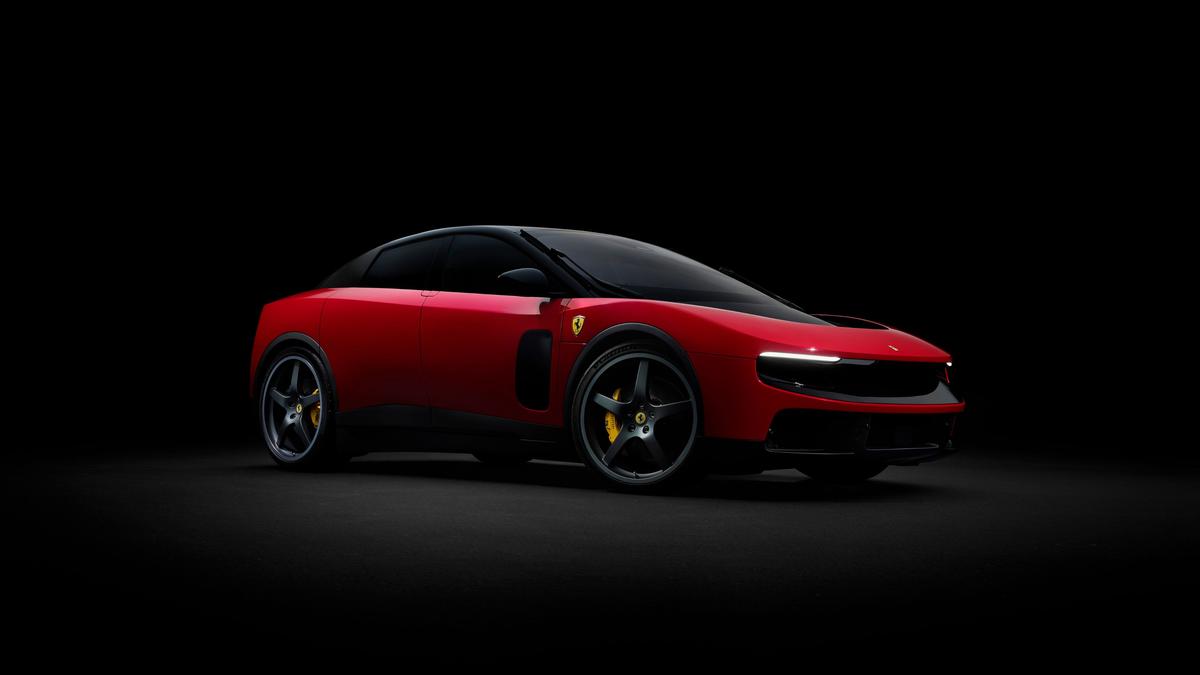
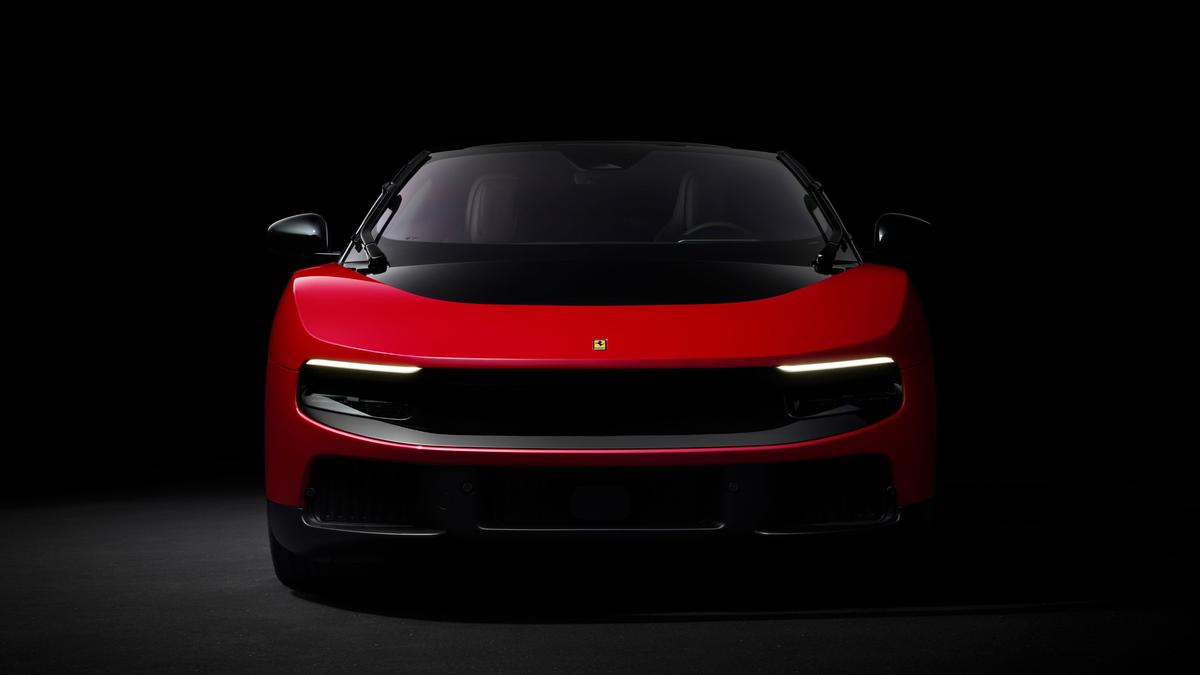
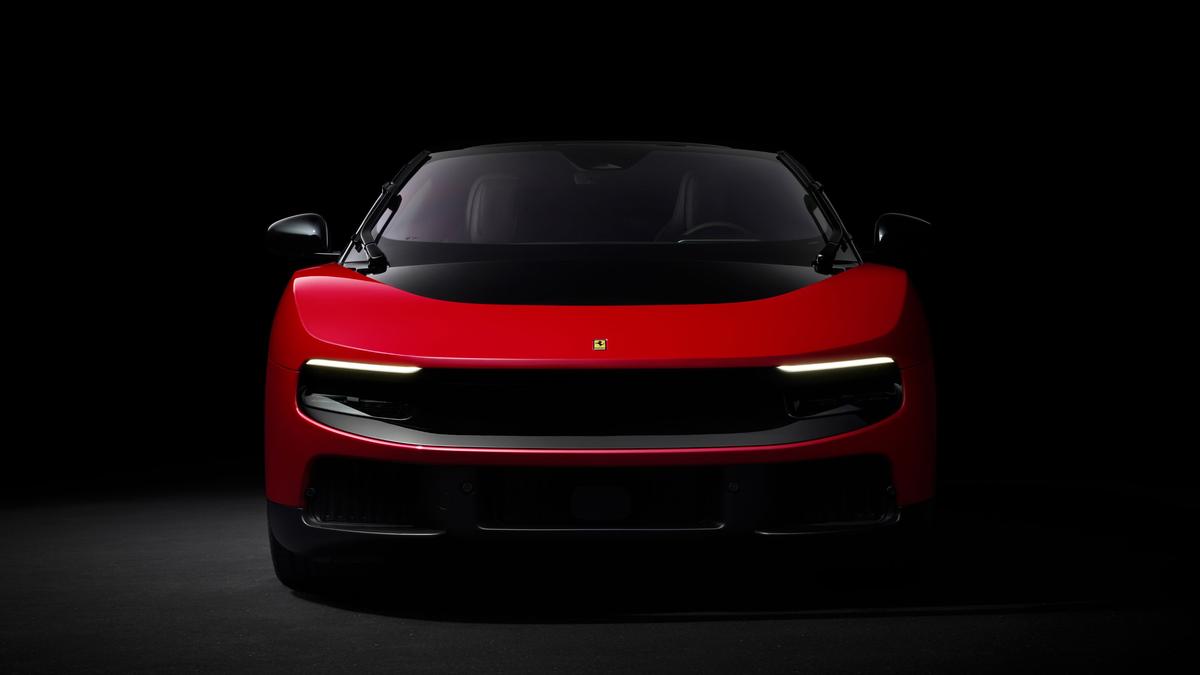
The Luce’s design is perhaps its most radical feature. Eschewing the aggressive air intakes, sharp creases, and muscular haunches of its siblings, the Luce adopts a "shell-like" philosophy. Its smooth, minimalist surfacing and expansive glasshouse have drawn immediate comparisons to high-end consumer technology rather than traditional Italian exotica. This is no accident; the car was designed in collaboration with LoveFrom, the creative collective led by former Apple design chief Sir Jony Ive and industrial designer Marc Newson.
Chronology: The Path to the Electric Frontier
The journey to the Luce began long before its Roman debut. It is the culmination of Ferrari’s "multi-energy strategy," a roadmap designed to navigate the tightening global regulations on emissions while preserving the brand’s performance credentials.
- The Hybrid Foundation (2013–2020): Ferrari first signaled its interest in electric assistance with the LaFerrari in 2013, using a KERS system derived from Formula 1. This was followed by the SF90 Stradale in 2019, the brand’s first plug-in hybrid, which proved that electrification could enhance, rather than dilute, performance.
- The LoveFrom Partnership (2021): Ferrari announced a long-term multi-year creative partnership with Exor (Ferrari’s holding company) and LoveFrom. This signaled a shift in design thinking, moving away from purely aerodynamic-led forms toward a more holistic, minimalist luxury aesthetic.
- The Bespoke EV Architecture (2022–2024): While many competitors used modified ICE platforms for their first EVs, Maranello committed to a "clean sheet" approach. Engineers worked to develop a platform that could house a massive 122 kWh battery while maintaining the low center of gravity required for Ferrari-level handling.
- The Unveiling (Present): The Luce was revealed in Rome, positioned not as a replacement for the 12Cilindri or the Purosangue, but as an expansion of the Ferrari "ecosystem."
Supporting Data: Engineering the "Emotional" EV
One of the primary criticisms of electric performance cars is their lack of character—a "sanitized" speed that feels clinical. Ferrari has attempted to solve this through a series of proprietary engineering innovations.
The Four-Motor Logic
By utilizing four independent motors, the Luce achieves a level of torque vectoring that is impossible with an ICE setup. The car’s onboard computers can adjust the torque at each individual wheel hundreds of times per second. This allows the 2,260-kg GT to "shrink" around the driver, mimicking the agility of a much lighter mid-engined sports car.
The Tactile Interface
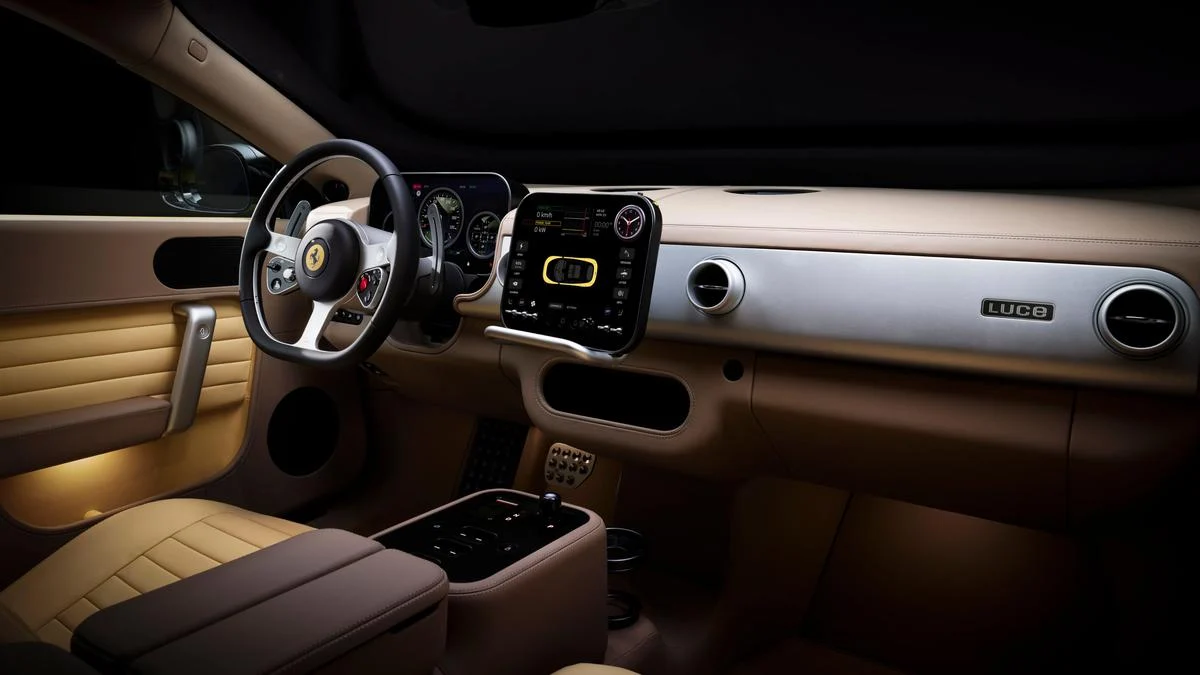
Ferrari has bucked the trend of "all-screen" interiors. While the Luce features state-of-the-art OLED displays developed with Samsung and Corning Gorilla Glass, it retains physical, tactile switches for critical driving functions. The steering wheel remains the "command center," featuring a digital evolution of the Manettino dial.

The Sound of Science
To combat the "silent" nature of EVs, Ferrari developed an "authentic sound philosophy." Rather than playing a fake V12 soundtrack through speakers, sensors capture the physical vibrations of the electric motors and drivetrain. these are amplified and transmitted into the cabin, providing the driver with a real-time, mechanical feedback loop that corresponds to the load and speed of the vehicle.
Official Responses and Market Reaction
The reception to the Luce has been a study in polarization. Ferrari’s leadership has been steadfast in their defense of the car’s identity.
Ferrari’s Stance:
The company describes the Luce as the "purest expression of Ferrari’s future." CEO Benedetto Vigna has frequently emphasized that Ferrari is a "luxury company" as much as a "car company," and the Luce is designed to appeal to a new generation of clients who value sustainability and cutting-edge industrial design as much as 0-100 times.
The Market Reaction:
The financial world expressed immediate caution. Following the reveal, Ferrari’s stock (RACE) reportedly dipped by nearly seven percent. Analysts suggest this reflects investor anxiety over whether traditional "Tifosi" will follow the brand into an all-electric future, or if the Luce’s high development costs and radical design represent too large a gamble.
The Enthusiast Backlash:
Social media platforms and owner forums have been less diplomatic. Critics have labeled the Luce "clinical" and "un-Ferrari-like," with many lamenting the loss of the brand’s signature visual drama. The collaboration with Jony Ive has been a particular flashpoint, with some enthusiasts claiming the car looks more like a luxury appliance than a "thoroughbred" from Maranello.
Implications: A New Category of Performance Luxury
The Luce represents more than just a new model; it represents the birth of a new category for Ferrari. By pricing the car at approximately €500,000 (which translates to over ₹5 crore in the Indian market before taxes), Ferrari is positioning the Luce at the very top of the luxury hierarchy.
1. Attracting a New Demographic
The Luce is clearly aimed at a younger, tech-savvy elite—individuals who may find a traditional V12 loud or ostentatious but desire the prestige associated with the Ferrari badge. This "Silicon Valley" aesthetic, combined with a five-seat layout, makes the Luce a viable daily driver in a way a 296 GTB is not.
2. The Preservation of the ICE
Paradoxically, the success of the Luce may be what saves the V12. By introducing a high-volume (by Ferrari standards) EV, the company can offset its fleet emissions, potentially allowing it to continue producing limited-run, high-emission petrol engines for its "Icona" and "Special Series" cars for several more years.
3. The Future of Design
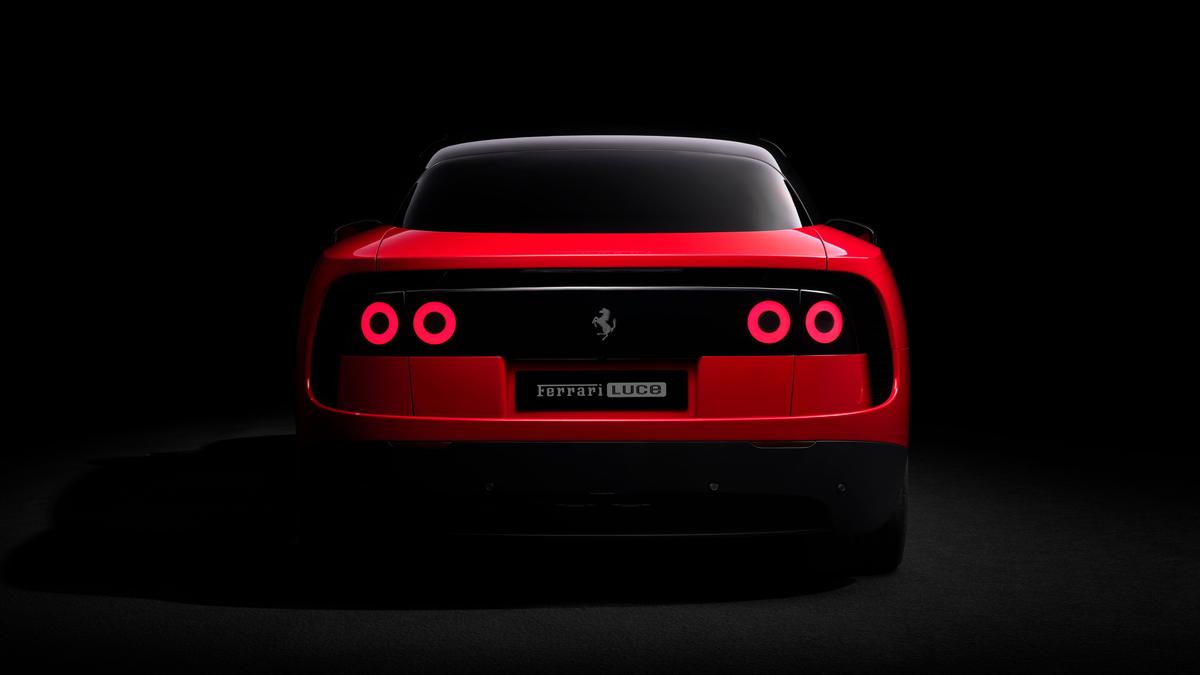
If the Luce is a success, the minimalist design language seen here will likely bleed into the rest of the lineup. The "shell-like" surfacing and transparent lighting elements could become the new hallmarks of the brand, replacing the "form-follows-function" aerodynamic look of the last decade.
4. The Brand Loyalty Test
Ferrari is testing the limits of brand equity. The company is betting that the "Ferrari" name is powerful enough to carry a product that lacks the very thing—the engine—that made the name famous. If the Luce sells out (as most Ferraris do), it will prove that the brand has successfully transitioned from a manufacturer of engines to a purveyor of "experiences."
Conclusion: The Gamble in Rome
The Ferrari Luce is a car of contradictions. It is the most technologically advanced vehicle ever to leave Maranello, yet it is also the most divisive. It offers staggering performance figures that eclipse almost everything in the brand’s history, yet it lacks the "theatricality" that many believe is the soul of the marque.
As Ferrari prepares to bring the Luce to market, the automotive industry watches with bated breath. This is the ultimate stress test for the world’s most powerful luxury brand. Whether the Luce is remembered as a visionary masterpiece that saved Ferrari for the 21st century or a misstep that alienated its core base remains to be seen. One thing, however, is certain: the era of the "silent" Prancing Horse has begun, and the road ahead will never be the same.
This report was prepared in association with Motorscribes and The Hindu, providing deep-dive analysis into the future of automotive luxury.
