

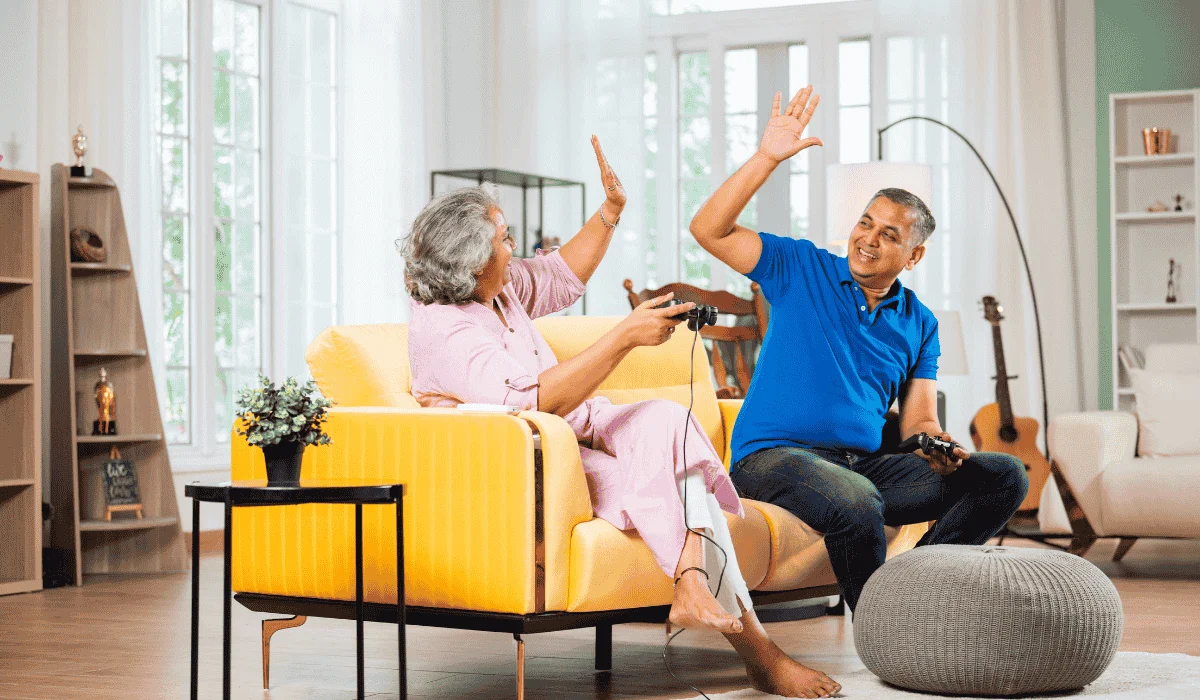
Main Facts: The Intersection of Demographics and Innovation
India is currently navigating a profound demographic transition. Long celebrated for its "youth bulge," the nation is simultaneously witnessing a steady and significant rise in its elderly population. According to the "India Ageing Report 2023" by the United Nations Population Fund (UNFPA), the number of elderly individuals in India is projected to double by 2050, accounting for over 20% of the total population. This shift, coupled with the erosion of the traditional joint family system and the migration of younger generations for global opportunities, has created a critical demand for organized senior living.
In this evolving landscape, technology has moved from being a luxury to a fundamental necessity. Modern senior living in India is no longer defined merely by bricks and mortar or basic nursing care; it is being reimagined as a high-tech ecosystem. From Artificial Intelligence (AI)-driven health monitoring to Internet of Things (IoT)-enabled smart homes, technology is bridging the gap between independence and safety. The goal is a paradigm shift: moving away from "old age homes" associated with abandonment toward "senior living communities" centered on empowerment, dignity, and proactive wellness.
Chronology: The Evolution of Senior Care in India
To understand the current technological revolution, one must look at the trajectory of senior care in the Indian context.
The Traditional Era (Pre-2000s)
For decades, senior care was almost exclusively the domain of the family. The "joint family" served as a natural social security system. Institutional care was rare and often carried a social stigma, typically reserved for those with no family support. These facilities, known as "old age homes," were largely philanthropic or charitable, offering basic amenities but lacking specialized geriatric care or lifestyle engagement.
The Transitional Phase (2000–2015)
As India’s economy opened up, urbanization and nuclearization of families accelerated. The "Sandwich Generation"—middle-aged adults caring for both children and aging parents—began feeling the strain. Real estate developers started recognizing a niche market for "retirement resorts," primarily in temperate climates like Coimbatore, Pune, and Dehradun. However, technology during this phase was limited to basic emergency buzzers and CCTV cameras.
The Tech-Integrated Era (2016–Present)
The post-pandemic world acted as a catalyst for digital adoption among seniors. With lockdowns highlighting the vulnerability of the elderly, the demand for "smart" senior living skyrocketed. Today, the sector is seeing the entry of specialized PropTech (Property Technology) and HealthTech firms that integrate complex software into the physical design of senior communities. Cities like Bengaluru, Chennai, and Hyderabad have become hubs for these tech-enabled residences, catering to a demographic that is increasingly tech-savvy and affluent.
Supporting Data: The Drivers of Technological Integration
The necessity of technology in this sector is underscored by several socio-economic and physiological factors:
- Life Expectancy Gains: With advancements in healthcare, the average life expectancy in India has risen to approximately 70 years. This longer lifespan necessitates long-term management of chronic conditions, which is most efficiently handled through digital health tracking.
- The Safety Imperative: Statistics indicate that falls are the leading cause of injury-related hospitalizations among seniors. Smart monitoring systems can reduce emergency response times by up to 50%, significantly improving recovery outcomes.
- The Human Resource Gap: India faces a shortage of trained geriatric caregivers. Technology acts as a "force multiplier," allowing a single staff member to monitor multiple residents effectively through centralized dashboards.
- Mental Health and Isolation: A study by Agewell Foundation found that a staggering number of Indian seniors suffer from loneliness. Digital communication tools and social platforms within senior living communities are now pivotal in combatting depression and cognitive decline.
Key Technologies Transforming the Resident Experience
The modern senior living facility is a laboratory of innovation. Several key technologies are leading this transformation:
1. Smart Home Automation and IoT
Modern units are equipped with voice-activated assistants (like Alexa or Google Home) tailored for seniors. These systems control lighting, temperature, and appliances, reducing the physical strain on residents with arthritis or mobility issues. Motion sensors are also becoming standard; these can detect unusual patterns—such as a resident not leaving their bedroom by a certain time—and alert staff without infringing on privacy through cameras.
2. Telemedicine and Virtual Consultations
Geography is no longer a barrier to top-tier healthcare. Residents can consult with specialists across the globe via high-definition video conferencing. Integrated health portals allow doctors to access a resident’s full medical history in real-time, ensuring that virtual consultations are as informed as in-person visits.
3. Wearable Health Biometrics
Beyond basic step-counters, seniors in advanced communities use medical-grade wearables that track heart rate, blood oxygen levels, and sleep patterns. Crucially, these devices often feature "Fall Detection" technology, which uses accelerometers to sense a sudden drop and automatically alerts the medical team with the resident’s GPS location.
4. AI and Predictive Analytics
The most significant leap is the move from reactive to predictive care. AI algorithms analyze data from wearables and sensors to identify subtle changes in health. For instance, a change in gait or a slight increase in resting heart rate over a week could predict a potential fall or a cardiovascular event before it occurs.
5. Robotics and Social AI
While still in the early adoption phase in India, robotic assistants are being tested for medication delivery and basic housekeeping. Furthermore, "social robots" designed to interact with seniors are being explored to provide companionship and cognitive stimulation for residents with early-stage dementia.
Official Responses: Government Initiatives and Policy Support
The Indian government has recognized the urgency of tech-enabled elderly care through several policy frameworks:
- The National Programme for Health Care of the Elderly (NPHCE): This initiative focuses on providing accessible and affordable geriatric care. Recent updates to the program emphasize the use of "e-Sanjeevani" (telemedicine) to reach seniors in both urban and rural settings.
- Atal Vayo Abhyuday Yojana (AVYAY): A comprehensive scheme aimed at improving the quality of life for seniors, which includes support for tech-enabled "Senior Citizen Homes."
- The SAGE (Seniorcare Ageing Growth Engine) Portal: Launched by the Ministry of Social Justice and Empowerment, this platform acts as a "one-stop access" for elderly care products and services, encouraging startups to develop innovative technological solutions for the silver economy.
- Digital India & Ayushman Bharat Digital Mission (ABDM): The creation of unique Health IDs allows seniors in organized living facilities to maintain seamless digital health records, which can be shared across various healthcare providers instantly.
Role of Real Estate Developers and PropTech
Real estate developers are no longer just selling apartments; they are selling a "care-as-a-service" model. Leading players like Columbia Pacific Communities, Antara (Max Group), and Ashiana Housing are integrating technology at the blueprint stage.
"PropTech" is being used to manage everything from maintenance requests to community event calendars through dedicated resident apps. These apps also provide a transparent window for family members living abroad. Through a secure login, a daughter in London can see her father’s daily health vitals, his meal choices, and photos of him participating in community events in Bengaluru, providing much-needed "digital peace of mind."
Implications: The Future of Aging in India
The integration of technology in senior living carries profound implications for the future of Indian society:
1. Redefining Autonomy
Technology allows seniors to age in place with a sense of independence. Voice commands and automated systems mean that even those with physical limitations can control their environment, preserving their dignity and reducing the "burden" of asking for help.
2. The Economic "Silver Economy"
The rise of tech-enabled senior living is creating a new economic sector. From specialized app developers to manufacturers of geriatric-friendly hardware, the "Silver Economy" is poised to become a multi-billion dollar market in India, attracting significant venture capital and foreign direct investment.
3. The Digital Divide and Accessibility
A critical implication is the risk of a digital divide. While high-end senior living communities are becoming "smart," there is a pressing need to ensure these technologies become affordable for the middle and lower-income segments. Scalability in Tier 2 and Tier 3 cities remains the next big challenge for the industry.
4. The Human-Tech Balance
Perhaps the most significant implication is the realization that technology is a supplement, not a substitute. The most successful senior living models will be those that use AI and IoT to handle the "science" of care (monitoring, safety, logistics), thereby freeing up human staff to focus on the "art" of care (emotional support, companionship, and empathy).
Conclusion: A Catalyst for Empowered Aging
As India’s demographic profile continues to age, the traditional structures of care must evolve. The transition toward tech-enabled senior living is not merely a response to a problem; it is an opportunity to redefine what it means to grow old in the 21st century.
By harnessing the power of AI, IoT, and telemedicine, India is building a future where aging is not viewed as a period of decline, but as a phase of life supported by innovation and connectivity. The "Housing.com POV" remains clear: The true value of technology in senior living lies in its ability to provide residents with the freedom to live safely and the dignity to live independently. In this context, silicon and software are becoming the new pillars of the Indian family support system.
FAQs
Q: Does the use of technology make senior living homes more expensive?
A: Initially, the capital expenditure for smart systems can increase costs. However, in the long run, technology improves operational efficiency and can reduce costs related to emergency medical interventions and high staffing ratios.
Q: Is my data safe in a tech-enabled senior living home?
A: Reputable providers adhere to strict data privacy laws and use encrypted systems. Residents and families should always inquire about the facility’s data protection policies before moving in.
Q: Can technology help seniors with dementia?
A: Yes. GPS tracking, memory-aid apps, and simplified interfaces are specifically designed to assist those with cognitive impairments, providing a "safety net" that allows them to move within the community securely.
Q: Will seniors find it difficult to learn these new systems?
A: Most modern senior-tech is designed with "universal design" principles—intuitive interfaces, large icons, and voice control—making them accessible even to those with zero prior digital experience.
