

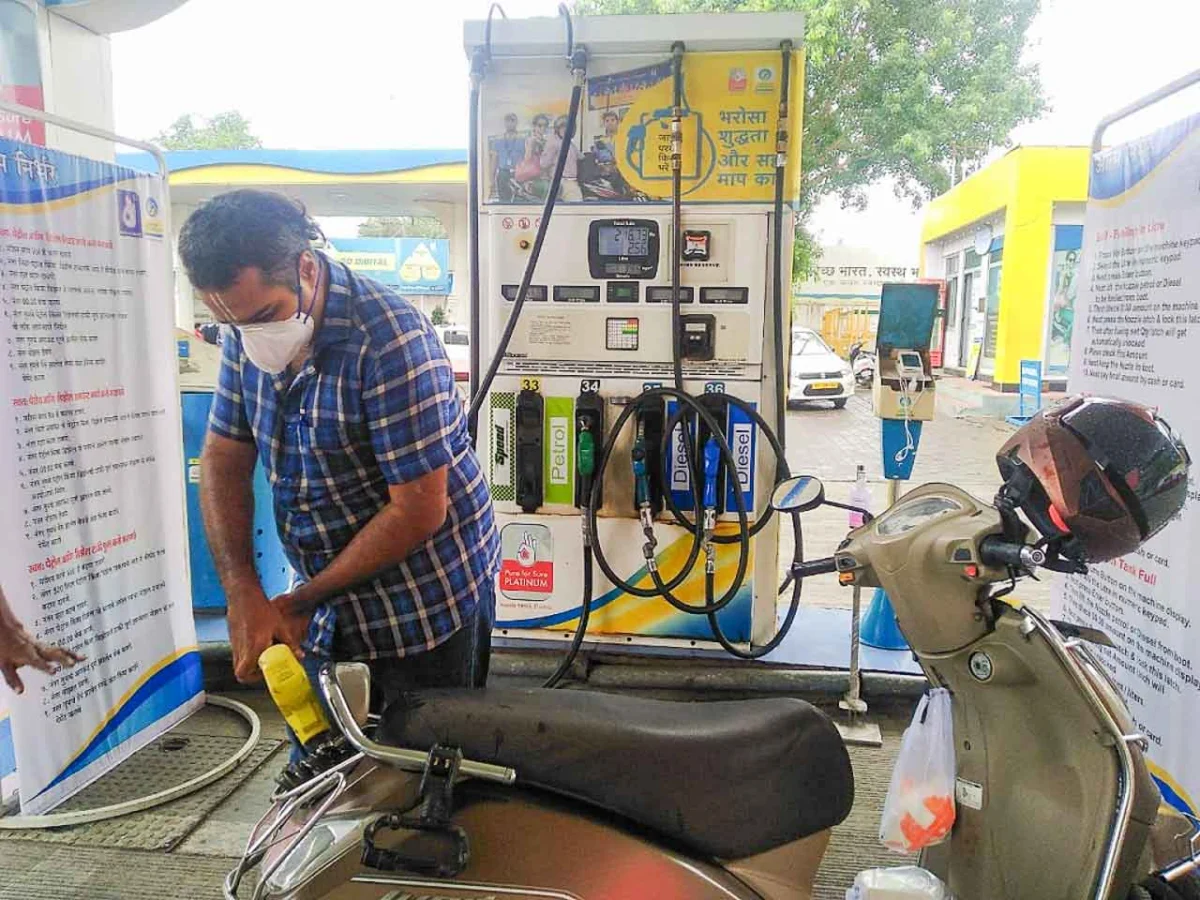
The ambitious roadmap for India’s energy independence has encountered a significant roadblock on the front lines of fuel distribution. As the Government of India aggressively pushes for a 20% ethanol-blended petrol (E20) standard to reduce oil import bills and carbon emissions, the Petroleum Dealers Association (PDA) in Odisha has issued a formal plea for a reconsideration of the policy. This development marks a deepening divide between the government’s green energy aspirations, the automotive industry’s technical assurances, and the ground-level reality of consumer dissatisfaction.
Main Facts: The Growing Discord at the Pump
The Petroleum Dealers Association of Odisha, led by President Sasanka Sekhar Sahu, has publicly voiced concerns regarding the nationwide rollout of E20 fuel. The crux of the issue lies in a surge of mechanical failures reported by vehicle owners, who are increasingly holding petrol pump operators accountable for damages they attribute to the higher ethanol blend.
Speaking to ANI, Sahu highlighted a growing trend of "customer confrontation" at fuel stations. According to the PDA, motorists are experiencing a range of engine-related issues, most notably clogged carburetors and fuel system degradation. The association contends that while the government mandates the fuel blend and dealers merely facilitate its sale, the financial and reputational burden of fuel-related mechanical failures is falling squarely on the shoulders of small-business fuel retailers.
The PDA’s primary argument rests on the compatibility of India’s existing vehicle fleet. Sahu noted that while many developed nations have historically capped ethanol blending at 10%, India’s leap to 20% is aggressive, particularly for a market dominated by older, legacy vehicles that were never engineered to withstand the corrosive properties of high-concentration alcohol fuels.
Chronology: From Vision 2030 to the 2025 Acceleration
The current friction is the result of a rapidly accelerated timeline for India’s Ethanol Blended Petrol (EBP) Programme. To understand the current crisis, one must look at the regulatory trajectory:
- 2018: The National Policy on Biofuels originally set a target of 20% ethanol blending in petrol by 2030.
- 2020-2021: Observing the success of the E10 (10% blend) rollout and the surplus in sugar production, the Union Government advanced the E20 target from 2030 to 2025-26.
- April 2023: The official rollout of E20 began in select cities. Simultaneously, the automotive industry transitioned to BS6 Phase II (Real Driving Emissions or RDE norms), requiring all new vehicles to be E20-material compliant.
- Early 2024: E20 availability expanded across the country, covering thousands of retail outlets.
- Mid-2024: Reports of engine stalling and fuel pump failures began circulating on social media, prompting a public relations defense from major automakers like Maruti Suzuki, Toyota, and Tata Motors.
- July 2026 (Current Situation): The Odisha Petroleum Dealers Association officially breaks ranks, calling for a rollback or a dual-fuel policy to protect consumers with older vehicles.
Supporting Data: The Science and Economics of E20
The push for E20 is not arbitrary; it is rooted in significant economic and environmental data. However, the technical challenges are equally backed by chemical realities.
The Economic Driver
India currently imports approximately 85% of its crude oil requirements. According to NITI Aayog, achieving a 20% ethanol blend could save the country nearly ₹30,000 crore (approximately $3.6 billion) in foreign exchange annually. Furthermore, it provides a vital secondary income stream for sugarcane farmers, as ethanol is primarily derived from molasses and sugarcane juice.
The Technical Friction
Ethanol is a polar solvent and is hygroscopic, meaning it attracts water from the atmosphere. This leads to two primary issues in older engines:
- Phase Separation: If water enters the fuel tank, the ethanol bonds with the water and sinks to the bottom, creating a sludge that can stall engines and cause severe internal rusting.
- Material Compatibility: Ethanol is corrosive to certain types of rubber, plastic, and older metal alloys. In vehicles manufactured before 2023, high ethanol concentrations can degrade fuel lines, gaskets, and seals, leading to leaks and "clogged carburetors"—the very issue cited by the Odisha PDA.
Global Context
While President Sahu claimed that most countries cap blending at 10%, the global picture is more nuanced. Brazil is the world leader, using a mandatory blend of E27 (27% ethanol) and offering "Flex-Fuel" vehicles that can run on 100% ethanol. The United States commonly uses E10, though E15 is available in many states. However, the key difference is that these markets transitioned over decades and have robust "Flex-Fuel" infrastructure, whereas India’s transition has been significantly more compressed.
Official Responses: Industry Defends, Dealers Dissent
The outcry from the Odisha dealers stands in stark contrast to the unified front recently presented by the Society of Indian Automobile Manufacturers (SIAM) and individual OEMs (Original Equipment Manufacturers).
The Automakers’ Stance
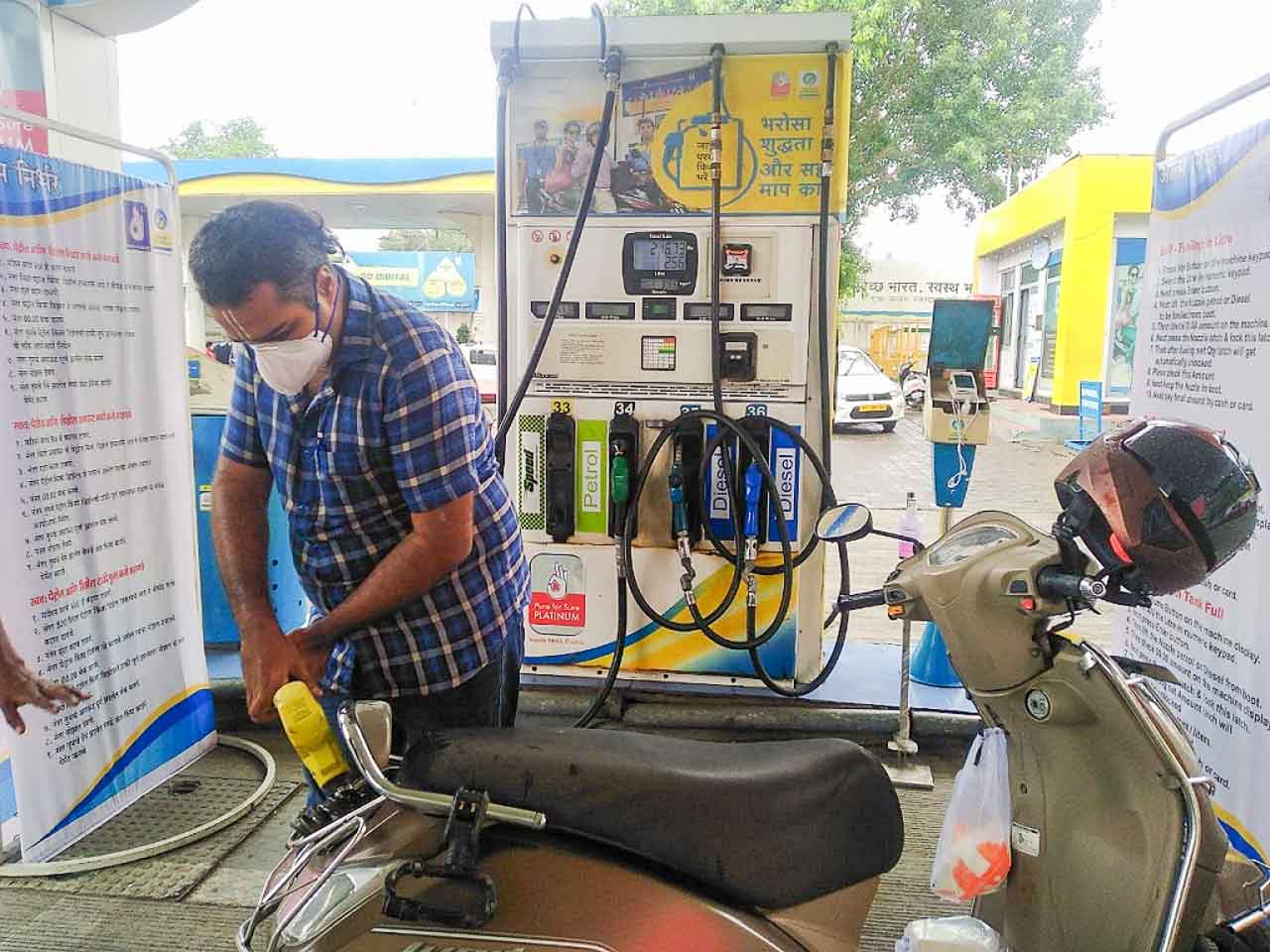
In the weeks leading up to the PDA’s statement, industry giants like Maruti Suzuki and Toyota Kirloskar Motor issued clarifications stating that all their vehicles produced since April 2023 are fully E20-compliant. These vehicles utilize specialized coatings on fuel tanks, ethanol-resistant rubber for hoses, and recalibrated Engine Control Units (ECUs) to manage the different combustion properties of ethanol.
Experts from these brands argue that modern E20-compliant cars undergo thousands of hours of endurance testing. They suggest that many of the "mechanical failures" reported on social media may be due to poor vehicle maintenance or the accumulation of debris in the fuel tanks of older cars being loosened by the solvent properties of ethanol—a phenomenon known as "tank cleaning."
The Government’s Position
The Ministry of Petroleum and Natural Gas (MoPNG) has remained steadfast in its commitment to the 2025 target. The government maintains that E20 is a "national necessity" for energy security. To mitigate issues for older vehicles, the government had initially suggested that E10 would remain available alongside E20, but dealers argue that logistical constraints and the limited number of underground storage tanks at petrol pumps make offering two types of petrol nearly impossible for many retailers.
Implications: A Crossroads for the Indian Motorist
The demand for an E20 rollback by the Odisha Petroleum Dealers Association highlights several critical implications for the near future of Indian mobility.
1. The Legacy Vehicle Dilemma
There are millions of two-wheelers and cars on Indian roads that pre-date the 2023 E20-compliance mandate. For these owners, the rollout of E20 is not a green transition but a technical liability. Without a clear strategy for "Legacy Vehicles"—such as the mass distribution of ethanol-compatible retrofit kits or the guaranteed availability of E10 fuel—a significant portion of the population faces increased maintenance costs and reduced vehicle lifespan.
2. Retailer Vulnerability
Petrol pump dealers are the "face" of the oil marketing companies (OMCs). When a customer’s scooter fails to start, the dealer is the first person they confront. The PDA’s call for a rollback is a defensive move to protect themselves from legal liability and physical altercations. If the government does not address these grievances, we could see a rise in industrial action or "fuel strikes" by dealer associations across other states.
3. Trust in Green Initiatives
The success of any environmental policy depends on public "buy-in." If the perception takes hold that E20 is "bad for engines," it could jeopardize future green initiatives, such as the adoption of Green Hydrogen or even Electric Vehicles. The current controversy underscores a failure in public communication; while the macro-benefits of ethanol are clear, the micro-impacts on the individual consumer’s wallet have been under-addressed.
4. The Need for Quality Control
The PDA’s concerns also point toward the need for more stringent quality control at the distribution level. Because ethanol absorbs moisture so easily, the entire supply chain—from the distillery to the tanker truck to the underground storage tank—must be moisture-proof. Any lapse in this chain results in contaminated fuel, for which the dealer is currently blamed.
Conclusion
The friction in Odisha is a microcosm of the challenges inherent in a rapid energy transition. While the government and automakers look toward a future of reduced imports and cleaner air, the Petroleum Dealers Association is highlighting a painful present for the average consumer and the small-scale retailer.
The path forward likely requires a middle ground: better labeling at pumps, a dedicated "Legacy Fuel" (E10) protection plan, and perhaps a government-backed insurance or compensation mechanism for verified fuel-related damages in older vehicles. As it stands, the E20 debate is no longer just about chemistry and climate—it is a brewing socio-economic conflict that requires urgent diplomatic and technical resolution.
