

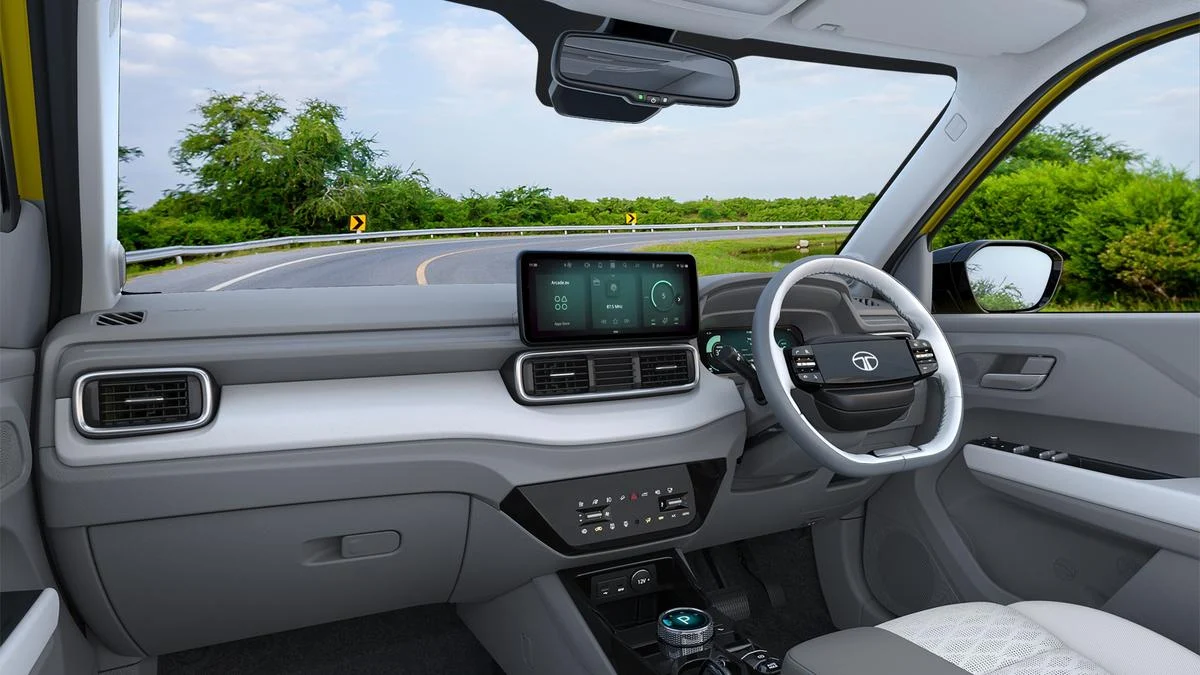
The Indian automotive landscape is currently witnessing a tectonic shift, moving away from internal combustion engines (ICE) toward a sustainable, electrified future. At the heart of this transition is Tata Motors, a company that has transitioned from an early adopter to a dominant market leader in the electric vehicle (EV) segment. Their latest offering, the Tata Punch.ev, is not merely another addition to their portfolio; it represents a refined, "quiet confidence" that marks the maturity of the brand’s EV strategy.
Rather than relying on flashy gimmicks or overwhelming consumers with superfluous technology, the Punch.ev is built with a singular, clear purpose: to deliver an electric driving experience that integrates seamlessly into the daily lives of the Indian middle class.
Main Facts: A New Architecture for a New Era
The Tata Punch.ev is the first model to be built on the company’s highly anticipated acti.ev (Advanced Connected Tech-Intelligent Electric Vehicle) platform. This is a significant departure from Tata’s first-generation EVs, which were largely "converted" platforms where electric powertrains were retrofitted into existing ICE chassis. The acti.ev architecture is a dedicated "EV-first" platform, allowing for better packaging, increased battery efficiency, and enhanced structural rigidity.
Key Specifications at a Glance:
- Battery Options: 25 kWh (Medium Range) and 35/40 kWh (Long Range).
- Performance: Approximately 122 PS to 130 PS and 154 Nm to 190 Nm of torque depending on the variant.
- Real-World Range: 300–350 km (Long Range variant) against a higher ARAI-certified figure.
- Charging: Supports DC fast charging up to 65 kW; 10% to 80% in approximately 56 minutes.
- Price Point: ₹9.69 lakh to ₹12.59 lakh (ex-showroom), strategically positioned between the Tiago.ev and the Nexon.ev.
The vehicle emphasizes a "progressive throttle" response, ensuring that the transition from traditional petrol or diesel cars to electric is as intuitive as possible. By focusing on "usable" performance—quick acceleration up to 60 km/h and a composed ride—the Punch.ev targets the urban commuter who prioritizes ease of use over track-ready statistics.
Chronology: The Evolution of Tata’s EV Dominance
To understand the significance of the Punch.ev, one must look at the timeline of Tata Motors’ journey in the electric space.
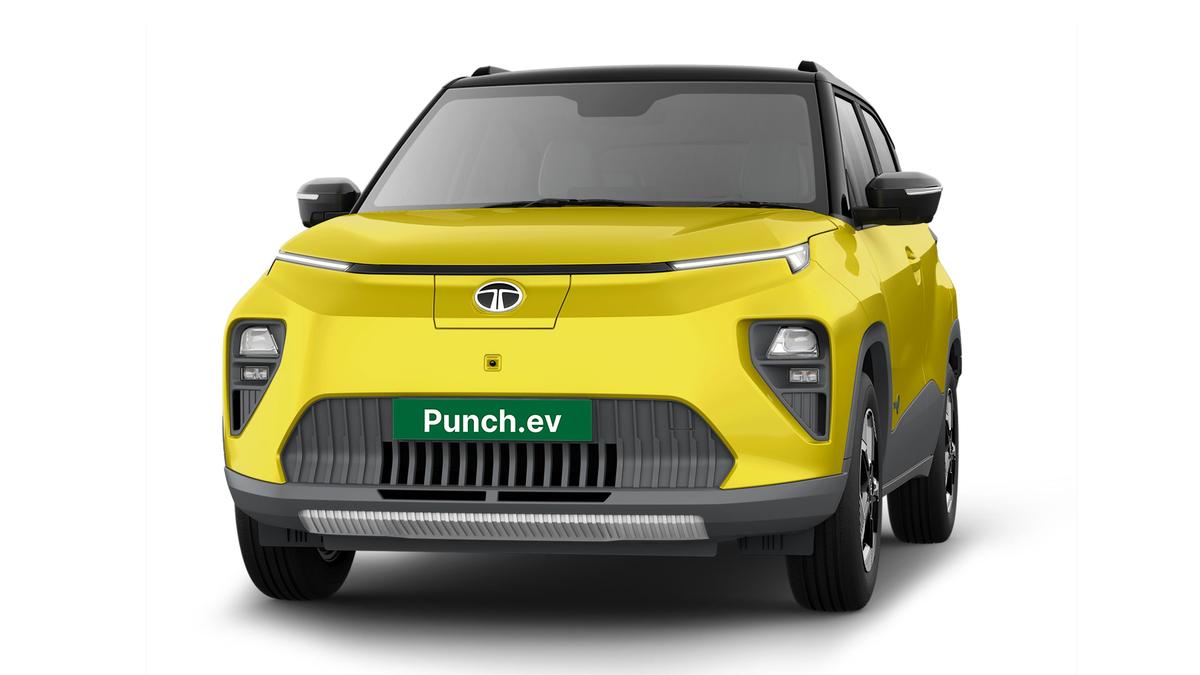
- The Genesis (2020): Tata launched the Nexon.ev, which became India’s first "accessible" long-range EV. It proved that there was a massive appetite for electric SUVs in India, provided they offered a range of over 200 km.
- The Democratization (2022): The launch of the Tiago.ev brought the entry price of electric ownership down significantly, making it a viable second car for urban households.
- The Platform Pivot (2024): With the introduction of the Punch.ev, Tata moved to its "Gen 2" architecture. Unlike its predecessors, the Punch.ev was designed with the battery pack as a structural element from the ground up.
- The Future Path: The Punch.ev serves as the blueprint for upcoming flagship models, including the Harrier.ev and the Safari.ev, proving that the acti.ev platform can scale across different segments.
This chronology highlights a brand that is not just reacting to market trends but is actively engineering the infrastructure and vehicle platforms to lead them.
Supporting Data: Performance, Range, and Charging Infrastructure
The Punch.ev’s appeal is rooted in its empirical data, which addresses the two biggest hurdles to EV adoption: range anxiety and charging speed.
Real-World Efficiency vs. ARAI Benchmarks
While the Automotive Research Association of India (ARAI) provides optimistic range figures (often exceeding 400 km for the Long Range variant), Tata Motors has been transparent about real-world expectations. In typical urban stop-and-go traffic, the 40 kWh battery settles into a dependable 300–350 km window.
Data suggests that even with the air conditioning—a critical component in the Indian climate—running at full blast, the efficiency remains remarkably stable. The vehicle’s thermal management system ensures that the battery operates within its "sweet spot," preventing the drastic range drops often seen in budget EVs during peak summer months.
Charging Dynamics
The Punch.ev’s charging capabilities represent a major leap forward for the segment:
- DC Fast Charging: Capability of up to 65 kW allows for a 20% to 80% charge in just over 30 minutes.
- Emergency Top-ups: A 15-minute charge at a compatible station can add approximately 130 km of range, making it feasible for spontaneous inter-city trips.
- Home Charging: Tata continues to provide 3.3 kW and 7.2 kW AC wall box chargers, ensuring that overnight charging remains the primary "refueling" method for most owners.
Ride and Handling Metrics
The vehicle maintains a 195 mm ground clearance, which is essential for navigating Indian monsoon-ravaged roads and unscientific speed breakers. Despite the added weight of the battery pack (mounted low in the floor), the center of gravity remains low, which improves stability. The suspension has been tuned to handle the "heavy" nature of EVs, providing a mature, planted feel that avoids the "bouncy" ride quality seen in some lighter electric cars.
Official Responses and Strategic Vision
Tata Motors’ leadership has frequently emphasized that the Punch.ev is the "right car at the right time." According to company statements regarding the acti.ev platform, the goal was to create a "globally competitive architecture" that could support multiple body styles and drivetrain configurations.
Industry analysts note that Tata’s strategy with the Punch.ev is to "box in" the competition. By offering a vehicle that is more premium than the MG Comet or Citroen eC3, but more affordable than the Nexon.ev or MG ZS EV, Tata has created a "Goldilocks" product—it is "just right" for the majority of the market.
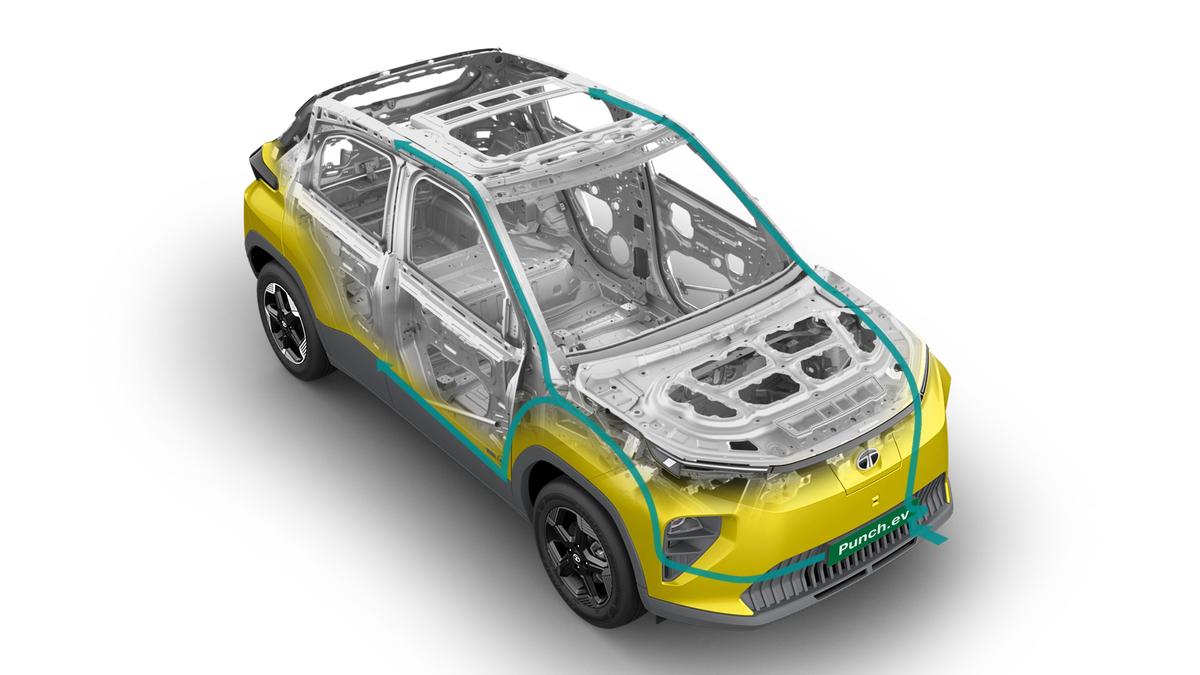
Furthermore, Tata’s commitment to safety is a cornerstone of their official communication. The Punch.ev is designed to meet high safety standards, featuring six airbags as standard across most variants, along with Electronic Stability Control (ESC) and a reinforced structure specifically designed to protect the battery pack in the event of a side-impact collision.
Implications: What This Means for the Indian Consumer
The arrival of the Tata Punch.ev has several long-term implications for the Indian automotive sector and the environment.
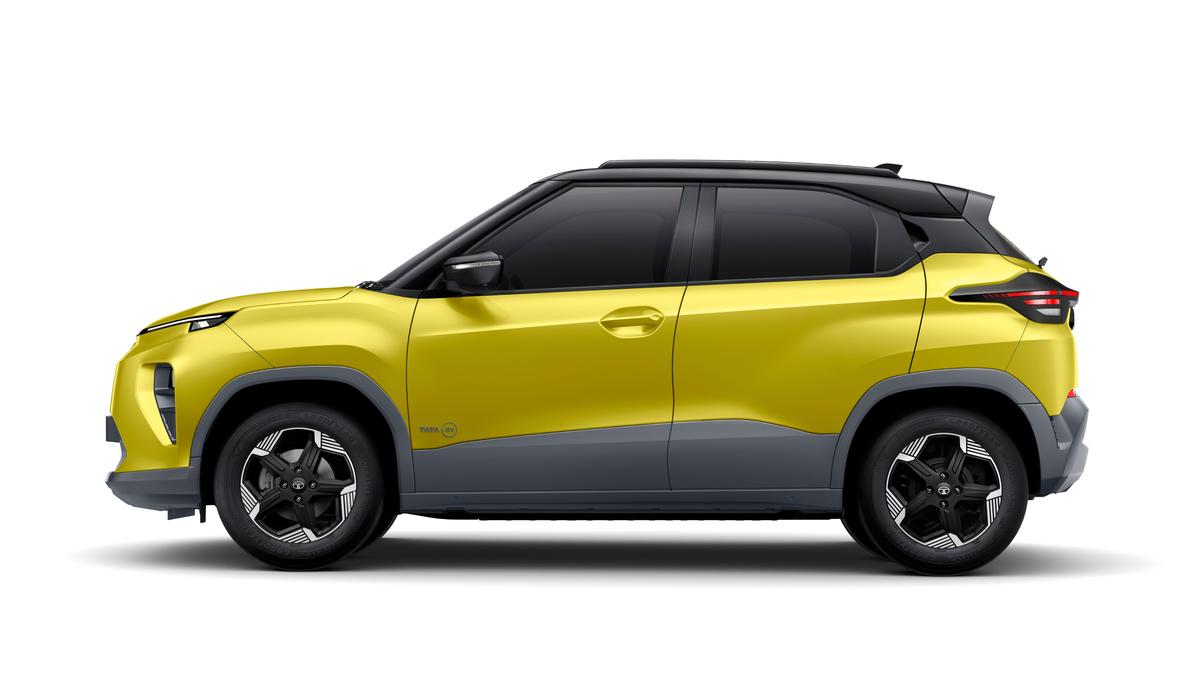
1. The Death of Range Anxiety
With a consistent 300+ km real-world range, the Punch.ev effectively kills range anxiety for the urban dweller. Most city commuters travel less than 50 km a day, meaning the car only requires a full charge once a week. This shift in usage patterns is critical for mass EV adoption.
2. Standardization of Premium Features
By including features like ventilated seats, a 360-degree camera system, and twin 10.25-inch screens in a sub-₹13 lakh vehicle, Tata is forcing other manufacturers to elevate their offerings. Features that were once reserved for luxury sedans are now becoming the standard for the "common man’s" electric SUV.
3. Environmental and Economic Impact
As the Punch.ev gains market share, it contributes to a significant reduction in tailpipe emissions in congested cities like Delhi, Mumbai, and Bengaluru. Economically, the lower "cost per kilometer"—estimated to be roughly 1/10th that of a petrol vehicle—provides immediate relief to consumers facing rising fuel prices.
4. Structural Integrity and Longevity
The move to the acti.ev platform implies that these vehicles are built to last. The better fit and finish observed in the Punch.ev (compared to earlier Tata models) suggests that the company is closing the gap with global competitors like Hyundai and Kia in terms of interior quality and long-term durability.
Conclusion: A Judicious Choice for the Modern Era
The Tata Punch.ev does not try to reinvent the wheel; instead, it focuses on perfecting it. It is a car that understands its audience—urban professionals, young families, and tech-savvy commuters who want the benefits of an EV without the "experimental" headaches.
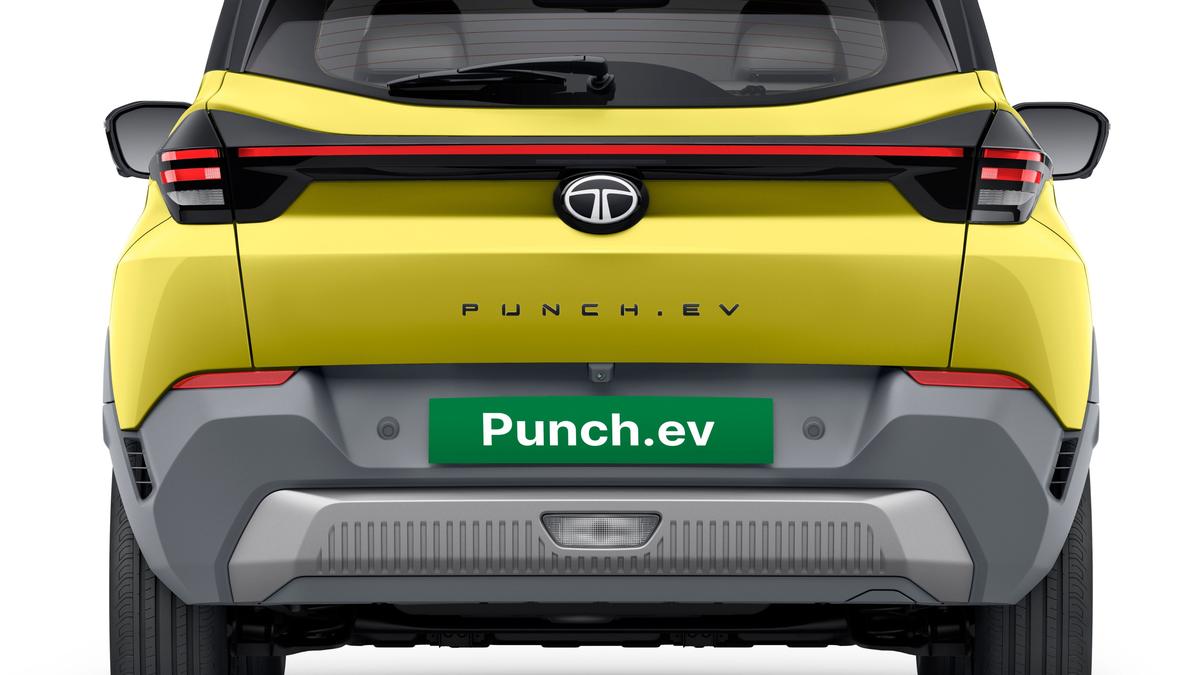
While there are minor areas for improvement—such as the quality of plastics on the lower door trims and the high loading lip of the 366-liter boot—these are overshadowed by the vehicle’s overall competence. The Punch.ev is a well-judged, practical, and attainable entry into the electric space.
As Tata Motors continues to expand its charging network and refine its software, the Punch.ev stands as a testament to how far Indian engineering has come. It is no longer just about "making an electric car"; it is about making a better car that happens to be electric.
Price Range: ₹9.69 lakh to ₹12.59 lakh (ex-showroom)
Collaboration: Motorscribes, in association with The Hindu, brings you the latest in cars and bikes. Follow them on Instagram at @motorscribes for more updates on the evolving Indian auto industry.
