

KALYANSINGPUR, ODISHA – Under the sweltering morning sun at the foothills of the Niyamgiri mountain range, the rhythmic clatter of weighing scales and the melodic cadence of Kui—the native tongue of the Kondh people—fill the air. A trader, his hands weathered by years of commerce, tips a handful of sun-bleached, dried mango slices onto a tarpaulin sheet. He examines them with the scrutiny of a gemologist, checking for texture and moisture content. Around him, the Monday santha (weekly market) of Kalyansingpur is in full swing, serving as the economic heartbeat for one of India’s most reclusive and culturally rich tribal communities.

The Dongria Kondh, a Particularly Vulnerable Tribal Group (PVTG), descend from their hilltop hamlets every Monday, transforming this small town in Odisha’s Rayagada district into a vibrant theater of trade. For these "highlanders," the market is more than a place of exchange; it is a vital link between their ancestral isolation and the sprawling supply chains of modern India.
Main Facts: The Pulse of the Monday Santha
The Kalyansingpur santha represents a critical intersection of indigenous resource management and regional commerce. By 10:00 AM, the market floor is dominated by mountains of dried mangoes, native tur dal (pigeon pea), ragi (finger millet), and black gram.

For the Dongria Kondh, who inhabit the steep slopes of the Niyamgiri hills across the Rayagada and Kalahandi districts, the current season is defined by the wild mango. Unlike the commercial grafts found in coastal orchards, these are native, forest-grown varieties. The fruit is harvested from the wild, sliced, and sun-dried on the slopes before being brought to the foothills.
Key Economic Indicators:

- Commodity Shift: This year, a bumper harvest has led to a significant price correction. Last season, dried mango fetched approximately ₹85 per kilogram; this year, the influx of produce has brought the price down to nearly ₹45 per kilogram.
- Logistics: The produce does not stay in Odisha. Wholesalers at the santha facilitate the transport of these forest goods to major urban hubs including Raipur, Mumbai, and various districts in Andhra Pradesh.
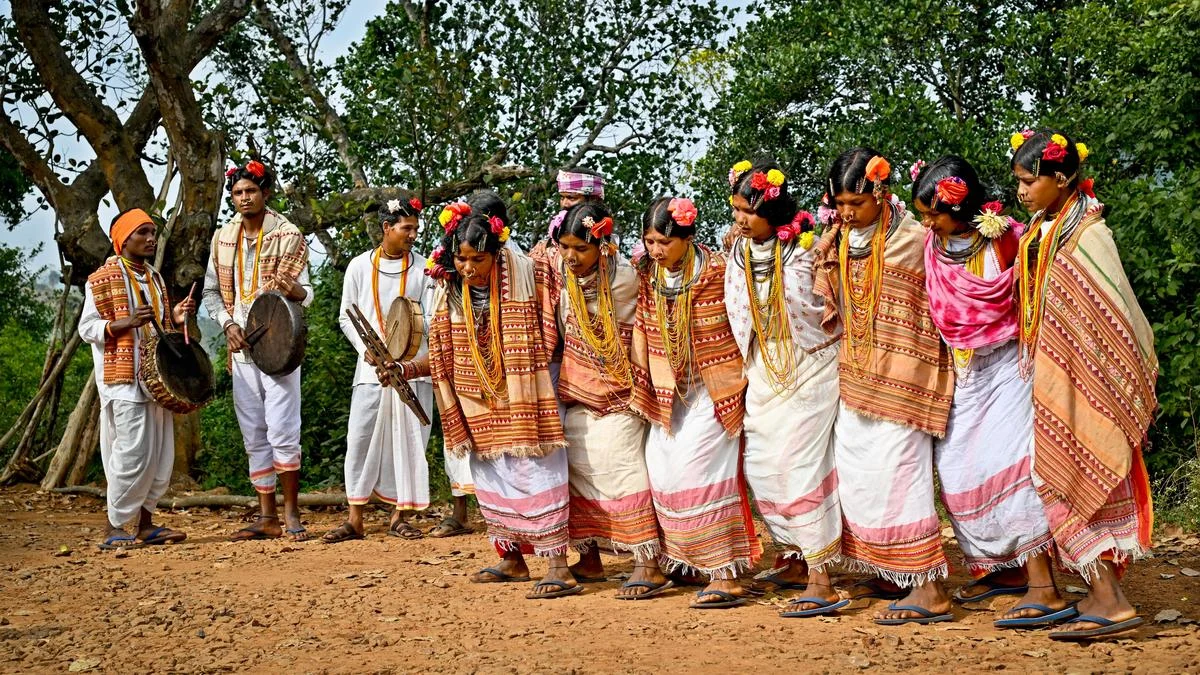
- Cultural Markers: The Dongria Kondh women are the primary face of this trade. They are distinguished by their traditional attire: layers of colorful bead necklaces, multiple metal piercings along the ear cartilage, and the iconic sipna (a small traditional dagger) tucked into their hair buns—a tool that serves both as a practical knife for forest work and a symbol of protective identity.
Chronology: From Ancestral Sovereignty to Legal Landmark
The history of the Dongria Kondh is a timeline of deep spiritual connection to the land, punctuated by a decade-long legal battle that redefined tribal rights in India.
- Ancient Origins: For centuries, the Dongria Kondh have practiced podu (shifting cultivation) and sophisticated horticulture on the Niyamgiri slopes. They identify as the descendants of Niyam Raja, their supreme deity who resides in the highest peak of the range.
- 2003–2005: The peace of the hills was disrupted when the Odisha government signed a Memorandum of Understanding (MoU) with Vedanta Resources for a bauxite mining project. The Niyamgiri hills contain an estimated $2 billion worth of bauxite, essential for aluminum production.
- The Resistance (2004–2012): The Dongria Kondh, supported by global activists, launched a sustained protest. They argued that mining the "Mountain of Law" (Niyamgiri) would destroy the perennial springs that feed their crops and desecrate their god’s home.
- The Landmark Judgment (April 18, 2013): In a historic move, the Supreme Court of India ruled that the local Gram Sabhas (village councils) must decide whether the mining project would infringe upon their religious and cultural rights.
- The Rejection (August 2013): In 12 consecutive Gram Sabhas, the Dongria Kondh unanimously rejected the mining proposal. This was the first time "environmental democracy" was exercised in such a direct manner in India, effectively halting the mining project.
- Present Day (2024): While the threat of large-scale mining has receded, the community remains vigilant. The focus has shifted toward sustainable development, securing Forest Rights Act (FRA) titles, and navigating the challenges of a fluctuating market economy.
Supporting Data: A Forest-Based Economy
The economic survival of the Dongria Kondh is built on a diversified "forest-and-farm" model. Unlike monoculture farmers, the Kondh rely on a variety of crops that provide resilience against climate shifts.

| Product | Source | Market Season | Primary Use |
|---|---|---|---|
| Wild Mango | Forest/Orchards | May – June | Dried slices for chutneys/dals |
| Ragi (Millet) | Hill Slopes | Winter/Year-round | Staple diet (porridge) |
| Pineapple | Cultivated Slopes | June – July | Cash crop for local markets |
| Native Dal | Shifting Patches | Post-Monsoon | Protein source/Trade |
| Jackfruit | Homesteads | Summer | Consumption and Sale |
The Dongria Kondh Development Agency (DKDA) notes that while the tribe is increasingly engaging with the cash economy, their internal consumption remains largely self-sufficient. A typical meal in a village like Phakeri consists of native dal cooked with brinjal, plantain fry, ragi porridge, and seasonal fruits like kala jamun (black plum) and berries—almost 90% of which is sourced within a five-kilometer radius of the home.
Official Responses and Governance
The state’s approach to the Niyamgiri region has evolved from industrial aspiration to "protective development." Following the 2013 judgment, the government has focused on providing infrastructure that respects the tribal way of life.

Government Initiatives:
- Infrastructure: Solar panels have been installed in several uphill hamlets, providing lighting without the need for invasive power lines through dense forests.
- Connectivity: While the interior remains rugged, the road to Kalyansingpur has been improved to facilitate the transport of produce, though many Kondh still prefer the traditional footpaths.
- Livelihood Support: Through the Odisha Livelihoods Mission, there is an ongoing effort to help the Dongria Kondh get better prices for their "Niyamgiri Organic" produce, though the lack of cold storage and processing units in the foothills remains a hurdle.
Local activists, however, remain cautious. "The hills are safe for now, but the pressure on resources is constant," says a representative of the Niyamgiri Suraksha Samiti. "The government’s role should be to empower the santha economy so that the people aren’t forced to sell their harvest for pittance when there is a surplus."

Implications: The Future of the "Mountain of Law"
The current state of Niyamgiri offers a glimpse into the delicate balance between tradition and the 21st century. The implications of the Dongria Kondh’s current trajectory are three-fold:
1. The Paradox of Modernity:
The arrival of mobile phones and solar power indicates that the Dongria Kondh are not "frozen in time." However, their refusal to trade their hills for mining royalties suggests a unique definition of prosperity—one measured by the health of streams and the height of forest canopies rather than per capita income.

2. Economic Vulnerability:
The 50% drop in dried mango prices this year highlights the vulnerability of tribal farmers to market volatility. Without a cooperative mechanism to set a minimum support price for forest produce, the wealth of the hills often ends up enriching middlemen in Raipur or Mumbai rather than the families in Phakeri or Parsali.
3. Ecotourism and Cultural Integrity:
New initiatives, such as the guided excursions offered by the Anija Golf Resort in Rayagada, represent a shift toward "insight tourism." By allowing outsiders to witness the santha and village life under strict ethical guidelines, there is an opportunity to build a global appreciation for the tribe’s craftsmanship and ecological wisdom. However, this must be managed carefully to prevent the "zooification" of the community.

As the Monday santha winds down by the afternoon, the Dongria Kondh begin their long trek back up the ridges. They carry with them salt, dried fish, and kerosene—small luxuries bought with the proceeds of their mangoes. Behind them, the Niyamgiri hills rise into the clouds, unchanged and unmined, a testament to a community that successfully argued that some things are too sacred to be priced.
Visitor Note: For those looking to experience the Niyamgiri landscape responsibly, the Anija Golf Resort in Rayagada offers curated day trips. These excursions include local guides who facilitate respectful interactions with the Dongria Kondh, offering insights into their agricultural practices and the spiritual significance of the Niyamgiri range. (Contact: 7799772285)
