

Introduction: A Stone Testament to a Foreign Arrival
The intricate carvings adorning the outer walls of the Chennakeshava temple in Belur, a magnificent testament to the Hoysala dynasty’s architectural prowess in the 12th century, offer a silent yet profound narrative. Among the myriad sculpted figures, one depicts a woman gracefully holding betel leaves. This seemingly simple image, however, belies a fascinating historical trajectory. The tambula, or betel, a ubiquitous presence in Indian life and ritual for centuries, is conspicuously absent from the foundational texts of Hinduism – the Vedic Samhitas, the Ramayana, and the Mahabharata. Its presence on such a sacred edifice centuries later signifies a remarkable cultural assimilation, a journey from foreign import to an indispensable element of Indian identity.
The Genesis of a Cultural Staple: From Exotic Import to Social Glue

The story of betel’s integration into the Indian subcontinent is one of gradual adoption and deep embedding. Originating from the verdant landscapes of the Indonesian archipelago and the Malay Peninsula, the betel leaf, along with its customary companion, the areca nut, arrived on Indian shores much later than the epics and Vedic hymns. Historical evidence suggests its entry into India primarily through the eastern coast, during the Gupta period, roughly around the 4th century CE. This era, known for its flourishing trade and cultural exchange, provided the perfect conduit for this new commodity to enter the Indian milieu.
The swiftness with which the betel leaf transitioned from a foreign novelty to an integral part of the Indian way of life is astonishing. Its depiction in the 12th-century Hoysala temple underscores its established significance. By this time, no Hindu ceremony or social gathering was considered truly complete without the offering and consumption of betel. This transformation highlights India’s remarkable capacity to absorb and indigenize external influences, weaving them seamlessly into its own cultural tapestry without necessarily retaining a conscious memory of their foreign origins.
Early Encounters: Echoes in Ancient Tamil Literature
While Sanskrit scriptures remained silent on the matter, the vibrant oral traditions and early literary expressions of South India offer a more contemporary perspective on betel’s early presence. The Tamil Sangam poetry, dating back approximately 2,000 years, vividly portrays a society already intimately familiar with betel leaves and areca nuts. Poems like Pattinappalai paint a picture of bustling marketplaces in Puhar, where betel leaves were openly traded, indicating their widespread availability and economic importance.

Further testament to their ingrained presence comes from Maduraikanchi, which details the cultivation and sale of these leaves, suggesting a well-established agricultural practice. Perhaps most revealing is Kuruntogai, which explicitly links the offering of betel leaf and areca nut to the very fabric of social interaction. It describes this combination as a potent symbol of hospitality and affection, a gesture that immediately fostered warmth and connection between individuals. These ancient Tamil verses predate the widespread Sanskrit documentation of the leaf, suggesting that its cultural adoption in certain regions of India predated its formal recognition in the more dominant Sanskritic traditions. This divergence in documented presence points to the localized, organic nature of betel’s initial integration, likely driven by trade and everyday social customs before its eventual elevation to more formal religious and artistic spheres.
Beyond Social Rituals: The Multifaceted Utility of Tambula
The appeal of tambula extended far beyond its role in social greetings and hospitality. Its consumption after meals became a widespread practice, primarily for its digestive and breath-freshening properties. The customary preparation involved wrapping a quid of betel leaf around pieces of areca nut and a pinch of slaked lime. This basic combination was often enhanced with a medley of fragrant spices, collectively known as pancha-sugandha – cardamom, clove, nutmeg, mace, and camphor. This aromatic blend not only offered a pleasant taste and scent but was also believed to aid digestion and leave the breath sweet.
The ingenuity of ancient Indian practitioners extended to recognizing the medicinal potential of betel. Ayurvedic physicians incorporated it into their pharmacopoeia, prescribing it for a range of ailments. Its therapeutic applications included treatments for filarial infections, obesity, various skin diseases, and persistent headaches. Furthermore, singers and performers were often advised to consume betel regularly, with the belief that it could enhance vocal clarity and resonance. Even the parts of the plant that were considered less auspicious or even condemned by religious interpretations found practical uses. The stalk of the betel leaf, when smeared with oil, was applied as a remedy for constipation and abdominal bloating in children, demonstrating a holistic approach to utilizing the plant’s properties.

Divine Infusion: Betel’s Ascent to the Sacred Realm
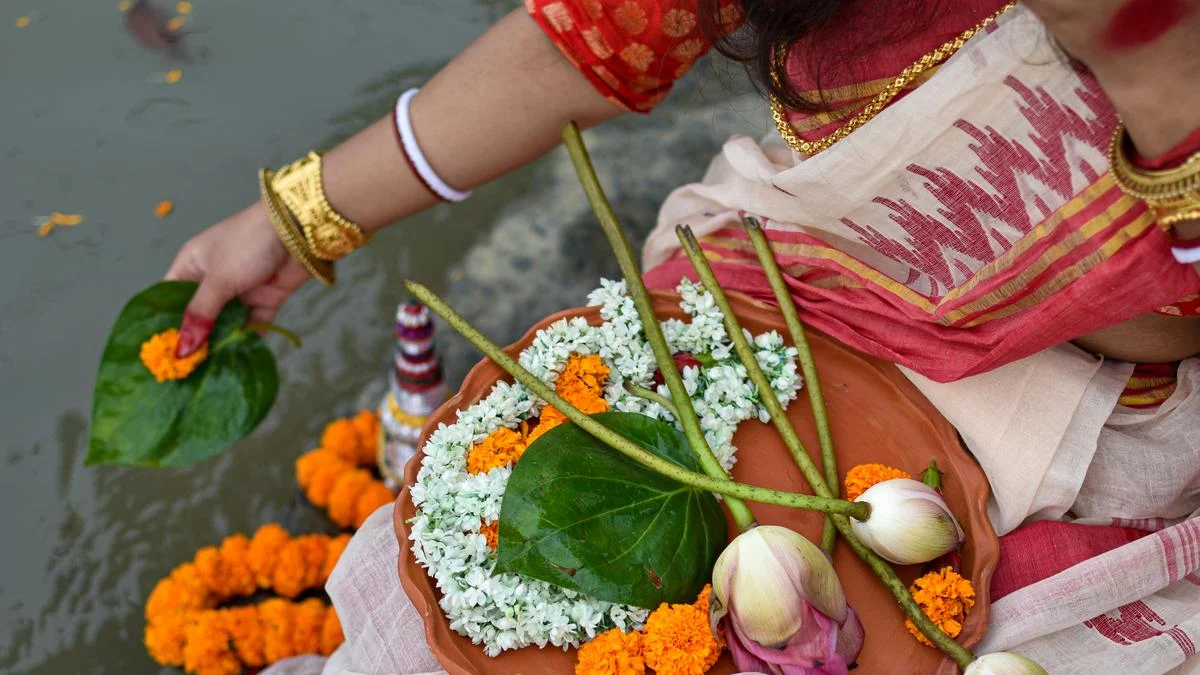
The integration of tambula into the spiritual and religious life of India was as thorough and pervasive as its social adoption. Its ceremonial use became deeply ingrained in Hindu practices. Betel leaves were employed in the sprinkling of holy water, a ritualistic act of purification and consecration. They were offered to deities as a form of reverence and devotion, symbolizing the devotee’s offering of the best they possessed. Moreover, betel was an integral part of daksina, the ritualistic offering or fee paid to priests, further cementing its place in the religious economy.
In medieval South Indian temples, tambula was incorporated into the daily liturgy, becoming a regular feature of temple worship and rituals. Theologians and philosophers, in their quest to find symbolic meaning in everyday practices, discovered profound theological connections within the betel quid. The areca nut came to represent Brahma, the Creator, symbolizing the genesis of all things. The betel leaf itself was identified with Vishnu, the Preserver, embodying sustenance and continuity. Finally, the lime, with its transformative properties, was associated with Shiva, the Destroyer, representing the cyclical nature of existence and regeneration.
The symbolism did not end with the constituent parts of the quid. The very anatomy of the betel leaf was meticulously mapped onto the divine. The goddess Lakshmi, the embodiment of wealth and prosperity, was believed to reside on the left side of the leaf, while Saraswati, the goddess of knowledge and art, was associated with the right. Yama, the lord of death, was thought to inhabit the stalk and the tip of the leaf. Consequently, these parts were ritually discarded before the leaf was prepared for consumption or offering, ensuring that only the auspicious and divine aspects of the leaf were retained. What remained was considered pure and blessed, intended to be shared between husband and wife, god and goddess, host and guest, signifying unity, harmony, and auspiciousness.

The Eloquence of the Paan: A Visual and Social Lexicon
Beyond its spiritual and medicinal significance, tambula evolved into a sophisticated social language, capable of conveying a complex array of messages through the simple act of offering and receiving a betel quid. This "secret code of the paan" allowed for the subtle communication of welcome, status, and even departure.
In regions like Assam, the offering of betel nut was often the very first gesture of hospitality extended to any visitor, immediately setting a tone of warmth and acceptance. In Bhutan, the common greeting, doma zhes, translates directly to "please have betel leaf and areca nut," underscoring its fundamental role in social interactions. During formal ceremonies, the act of a host presenting betel with both hands signified the utmost respect and honor bestowed upon the guest. Conversely, chewing betel in the presence of others without offering it was considered a significant breach of etiquette, a display of disregard for social norms and established courtesies.
In the intricate caste-based social structure of India, where sharing food could be a complex issue due to notions of ritual purity, the sharing of a paan offered a convenient and acceptable alternative for fostering connection. This practice transcended religious boundaries, with the tradition being adopted by Sultans and Nawabs in medieval Indian courts, integrating it into the rituals of Islamic rulers as well.

The practice of offering betel also became a nuanced indicator of social hierarchy and rank. In royal courts, the number of betel leaves offered to an individual was a direct reflection of their status: a king might receive 32 leaves, a prince 24, a learned scholar 12, and an ordinary man a mere four. The office of the hadapavala, the royal betel-bag bearer, was a prestigious position, often conferred upon individuals of high rank, signifying their proximity to the ruler and their importance within the court. Receiving betel directly from the royal hand was a public acknowledgment of loyalty and favor. Conversely, being compelled to accept betel from a rival or an individual of lower status could be interpreted as a deliberate act of humiliation.
The social lexicon of betel extended to even more sensitive social dynamics. In a caste-conscious society, the purity of the individual preparing the paan was paramount. A preparation handled by a person of impure caste was considered polluting to a higher-caste recipient, thus reinforcing social divisions. In the realm of romantic relationships, the offering of paan from a woman to a man could be interpreted as a subtle solicitation, as alluded to in classical texts like the Kama Sutra, which listed betel among the essential adjuncts to romantic pursuits. Among mercantile communities, the act of receiving tambula from another party served as a binding agreement, a mutual commitment as strong as any written contract, signifying trust and the sealing of a business understanding.
The Enduring Legacy: From Foreign Intrigue to National Identity
The journey of the betel leaf is a microcosm of India’s extraordinary ability to absorb and transform external influences. A plant that arrived by sea from distant islands, initially absent from its most sacred ancient texts, eventually became a symbol of the Hindu Trinity, a conduit for divine blessings from Lakshmi and a marker of Yama’s presence, and a sophisticated grammar of human relations. Its story is a powerful illustration of how India has historically embraced the foreign, not by assimilation that erases its origins, but by a complete integration that renders the original source almost forgotten, so deeply is it woven into the national fabric.

The humble betel leaf, from its exotic beginnings to its revered status in religious rituals and its intricate role in social communication, stands as a potent symbol of India’s rich and dynamic cultural heritage. Its presence, from the weathered stone of ancient temples to the daily lives of millions, continues to narrate a story of adaptation, reverence, and the enduring power of a simple leaf to connect people, traditions, and the divine.
Devdutt Pattanaik is a renowned author and mythologist, whose extensive work explores the intersections of mythology, art, and culture in India. His insights often illuminate the deep-seated cultural narratives that shape Indian society.
